Kia Sorento Ceramic Coating Review: Stain Removal & Shine Restora
Service Price
$approx. $1,150–1,500
Estimated price · Actual price may vary by shop
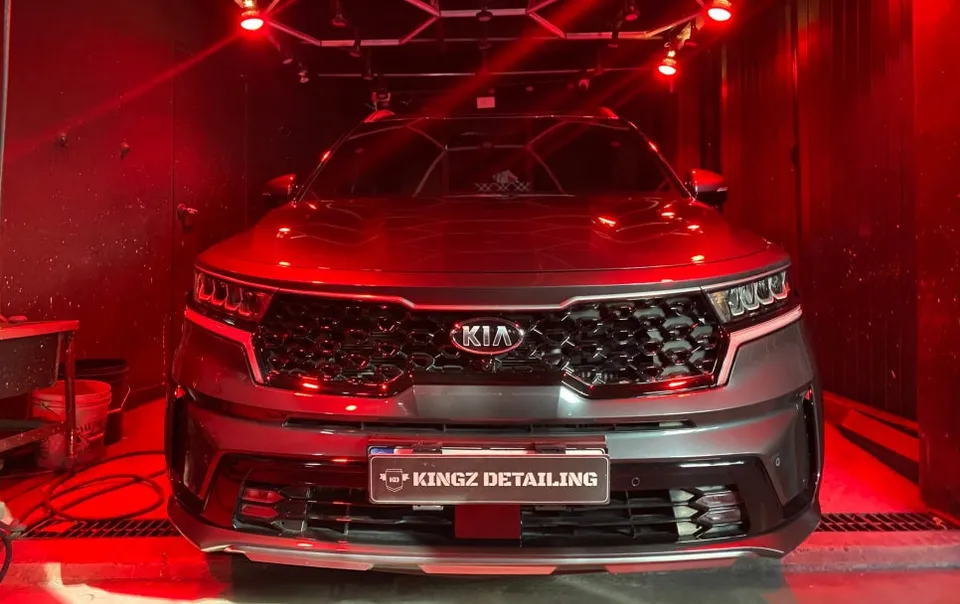
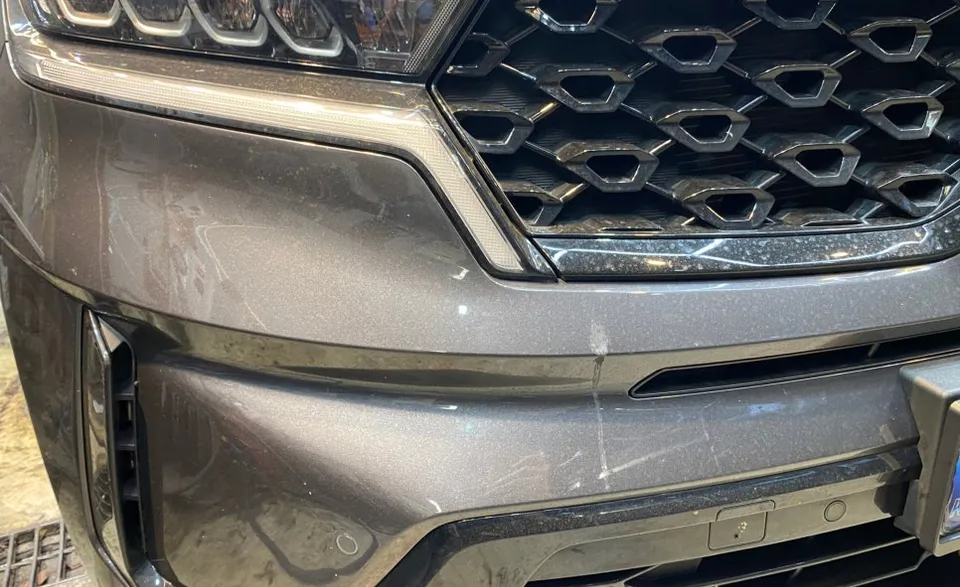
Kia Sorento ceramic coating review: Water stain removal and paint correction completed. Cost: ₩800,000 - ₩1,500,000. Restored deep gloss and protectio
Kia Sorento Water Stain Damage: Resolved with Polishing and Ceramic Coating
Water stains, often caused by mineral deposits like lime, can be a significant problem for car owners, affecting not just the paint but also glass surfaces. This Kia Sorento experienced severe damage across its front bumper, roof, and rear bumper. To address this, a multi-stage process involving sanding polish and a ceramic coating was performed. The entire service, excluding curing time, took approximately 8-10 hours, with costs typically ranging from ₩800,000 to ₩1,500,000 in Korea.
This Article Covers:
1. The risks of water stains and the necessity of paint correction.
2. Pre-service inspection and meticulous masking.
3. Surface leveling using sanding polish.
4. Glass decontamination and hydrophobic coating.
5. Finalizing with a ceramic coating.
6. Post-service results and maintenance.
Why Paint Correction is Crucial for Water Stain Damage
Water stains are more than just surface blemishes; the evaporated water leaves behind mineral residues that create microscopic scratches and etchings on the vehicle's surface. Simple washing won't suffice. If the damage penetrates the paint layer, restoring the original color and gloss becomes challenging. Paint correction, using compounds, physically realigns the surface, removes mineral deposits, and restores smoothness to the damaged paint layer. A clean, level surface is also essential for optimal adhesion of subsequent coatings like ceramic or nano coatings.
Pre-Service Inspection and Detailed Masking
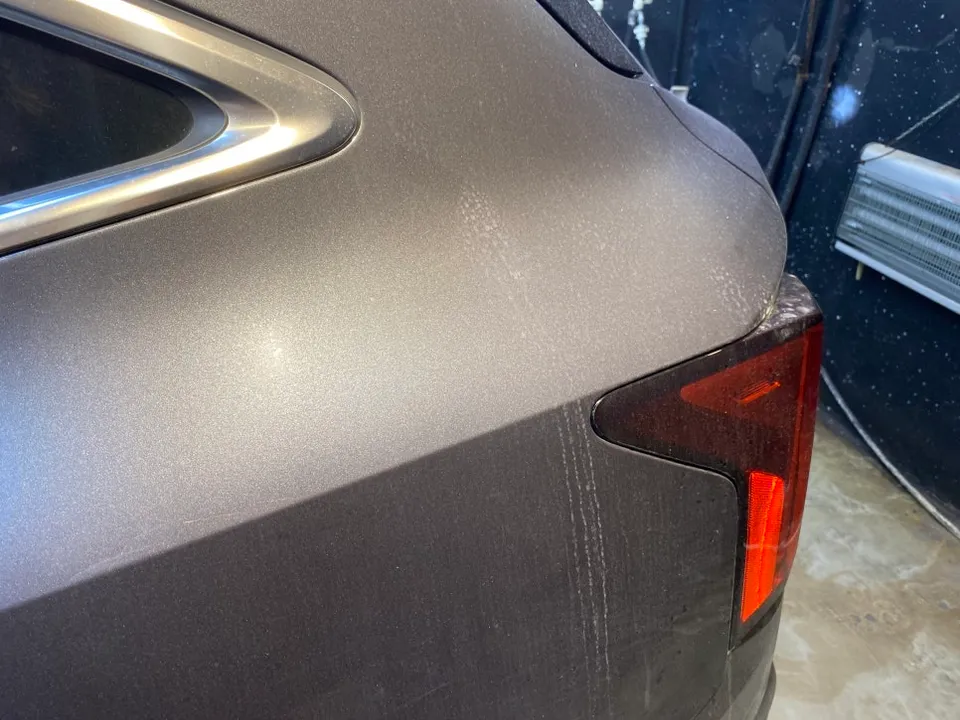
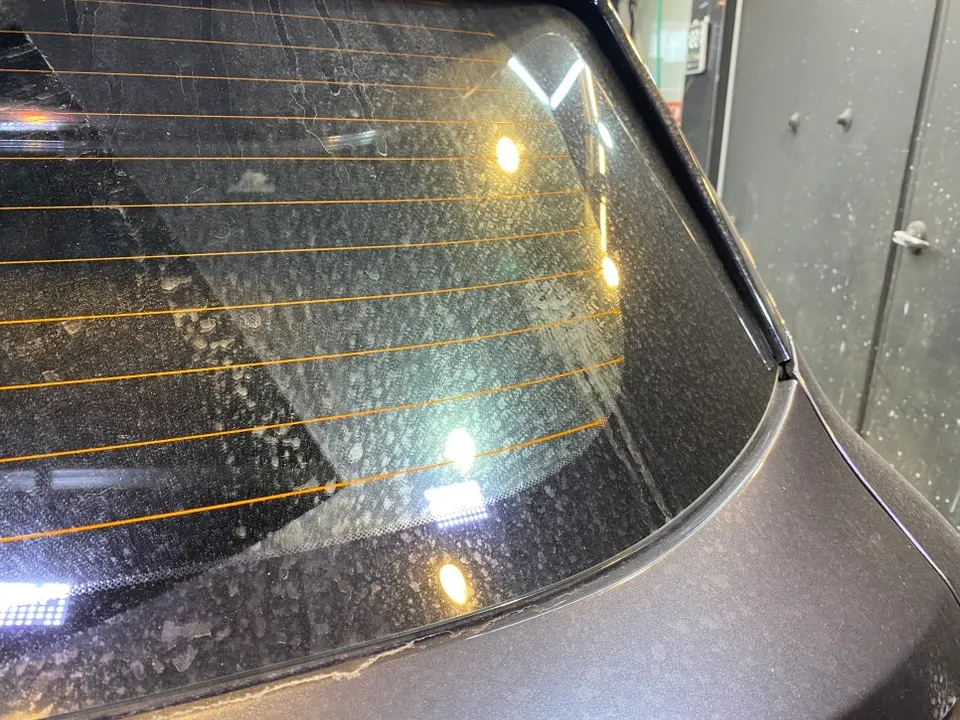
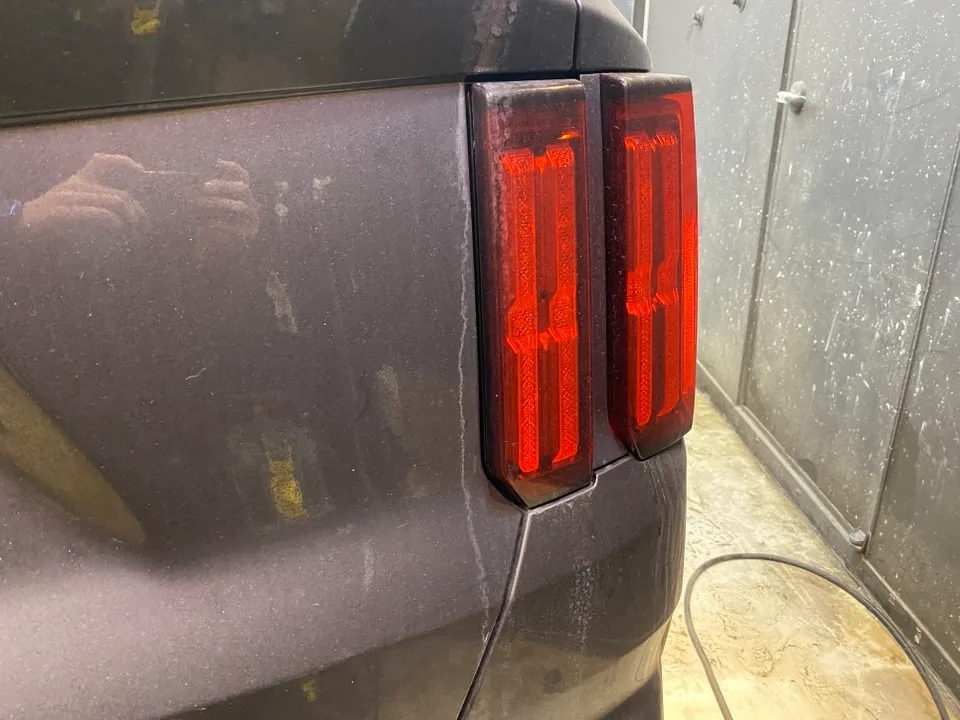
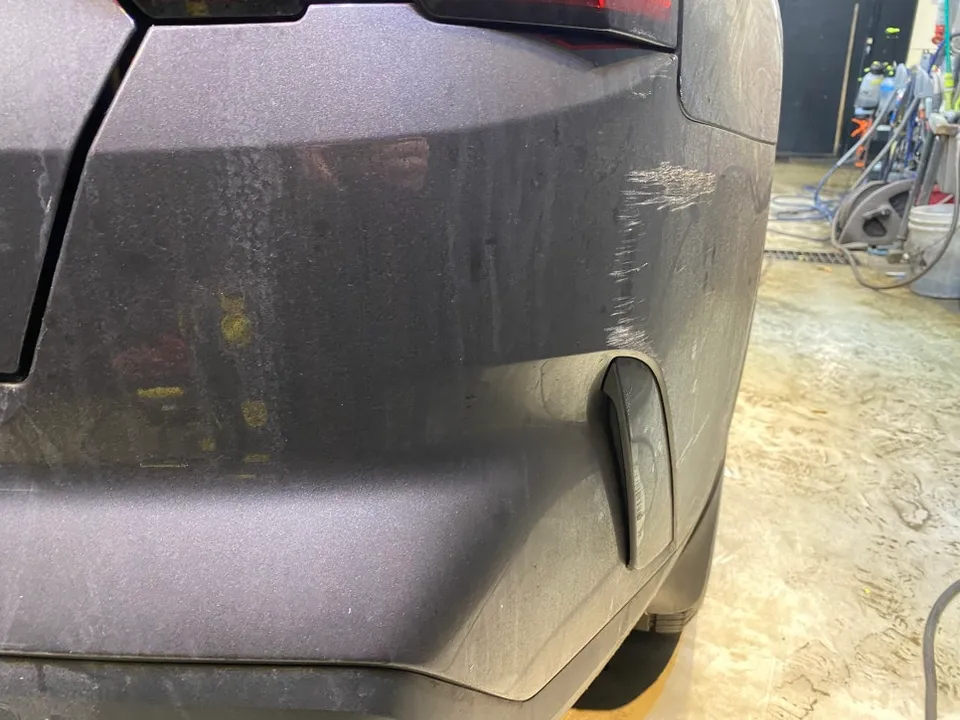
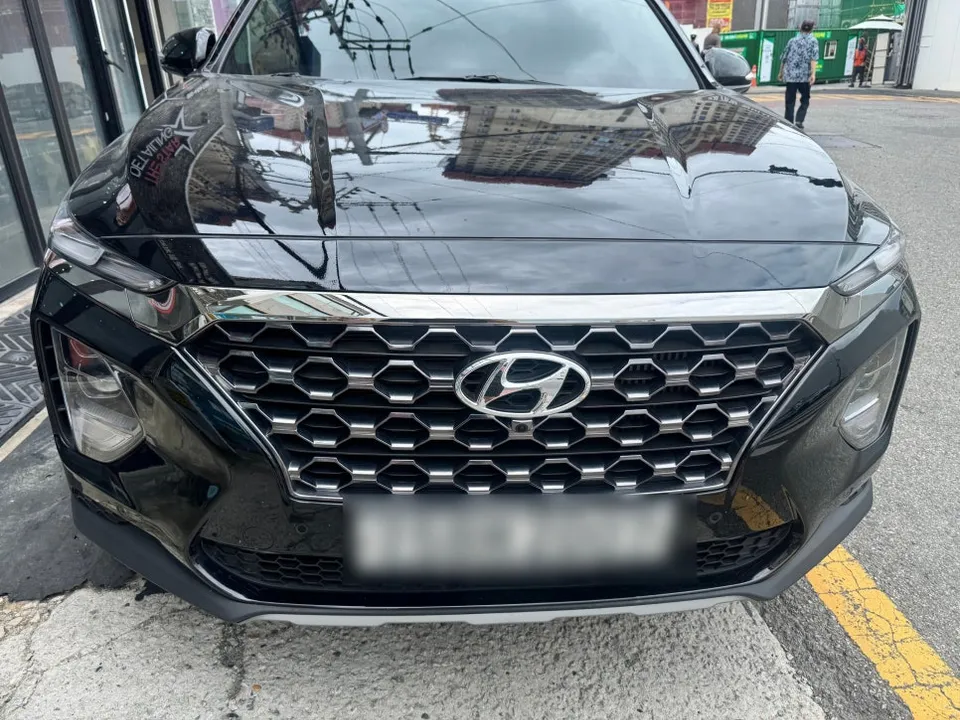
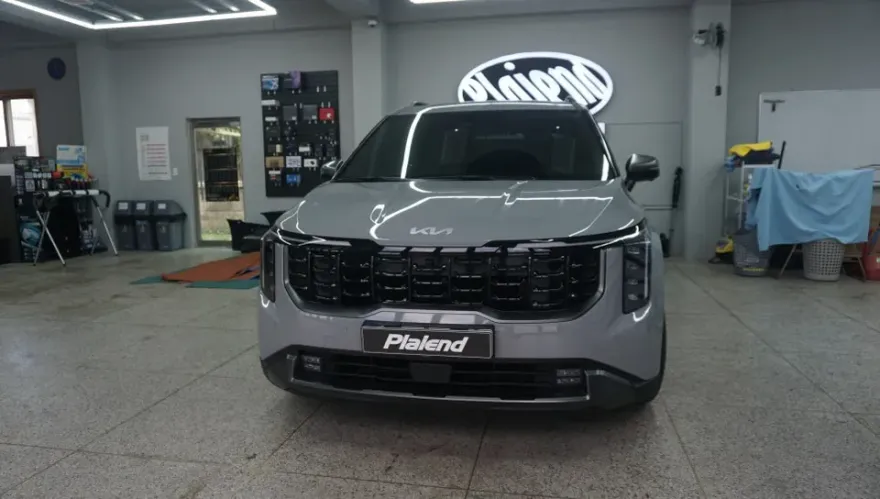
Upon arrival, the Sorento's paint was visibly dull and hazy due to the water stains, affecting the front bumper, hood, roof, and rear bumper. The glass also showed significant water spots. After a thorough wash, the team proceeded with meticulous masking to protect sensitive areas like rubber moldings, panel gaps, and sensors from accidental scratches during the polishing process. This careful masking is vital to prevent unintended damage and ensure a flawless finish.
Sanding Polish: Eliminating Surface Irregularities
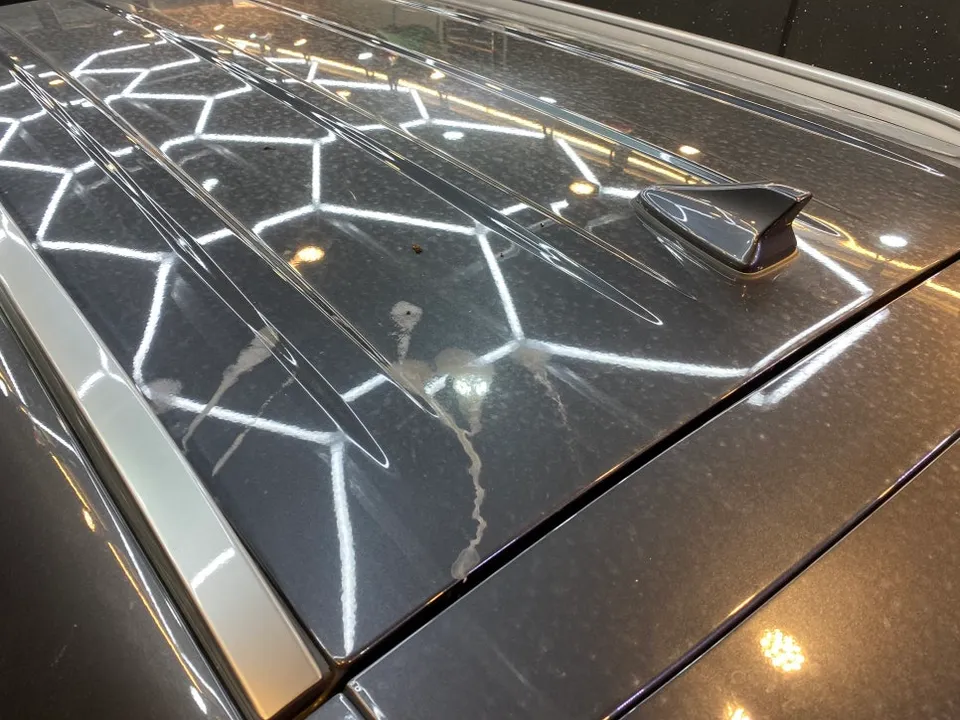
The paint correction process began with sanding to remove the water stain etching and micro-scratches, revitalizing the paint's depth. Sanding is essential when standard compounding alone cannot address deeper damage. The sanding process is typically done in three stages: initial sanding with #1000-#1500 grit sandpaper to remove the damaged layer, followed by #2000-#3000 grit for refinement, and finally, a #5000+ grit ultra-fine sandpaper for a smooth finish. Paint thickness is measured throughout (typically 80-120 microns), with sanding removing about 10-20 microns to ensure safety. After sanding, compounds are used for final polishing.
Glass Decontamination and Hydrophobic Coating
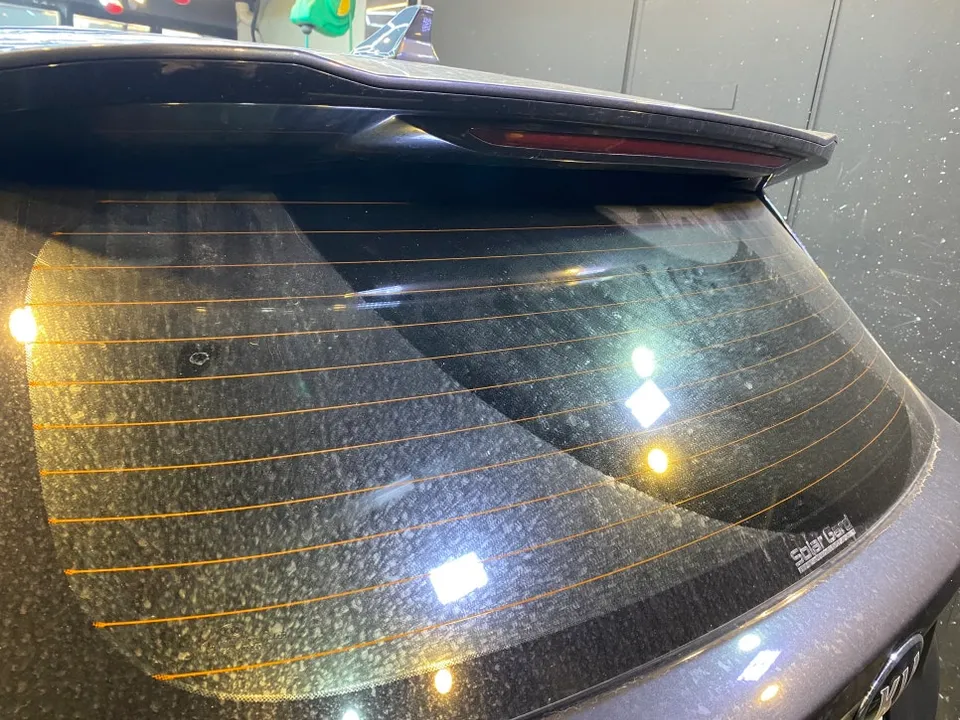
Following paint correction, the glass surfaces were addressed. Water stains on glass are difficult to remove with regular washing, necessitating a dedicated glass decontamination process using clay bars or specialized chemicals. This not only restores clarity for safe driving but also completes the water stain removal objective. A hydrophobic coating was then applied to the glass. This coating causes water to bead up and roll off, preventing future water stain buildup and significantly improving visibility during rain.
Ceramic Coating Application for Lasting Protection
The final step was the application of a ceramic coating, also known as a nano coating or glass coating. This protective layer forms a hard, durable shell over the paint, offering superior resistance to chemical stains, UV rays, and minor scratches. It enhances the vehicle's gloss and makes future cleaning much easier. The Sorento was left to cure, ensuring the coating bonded effectively with the paintwork for long-term protection and a stunning finish.
Post-Service Results and Maintenance
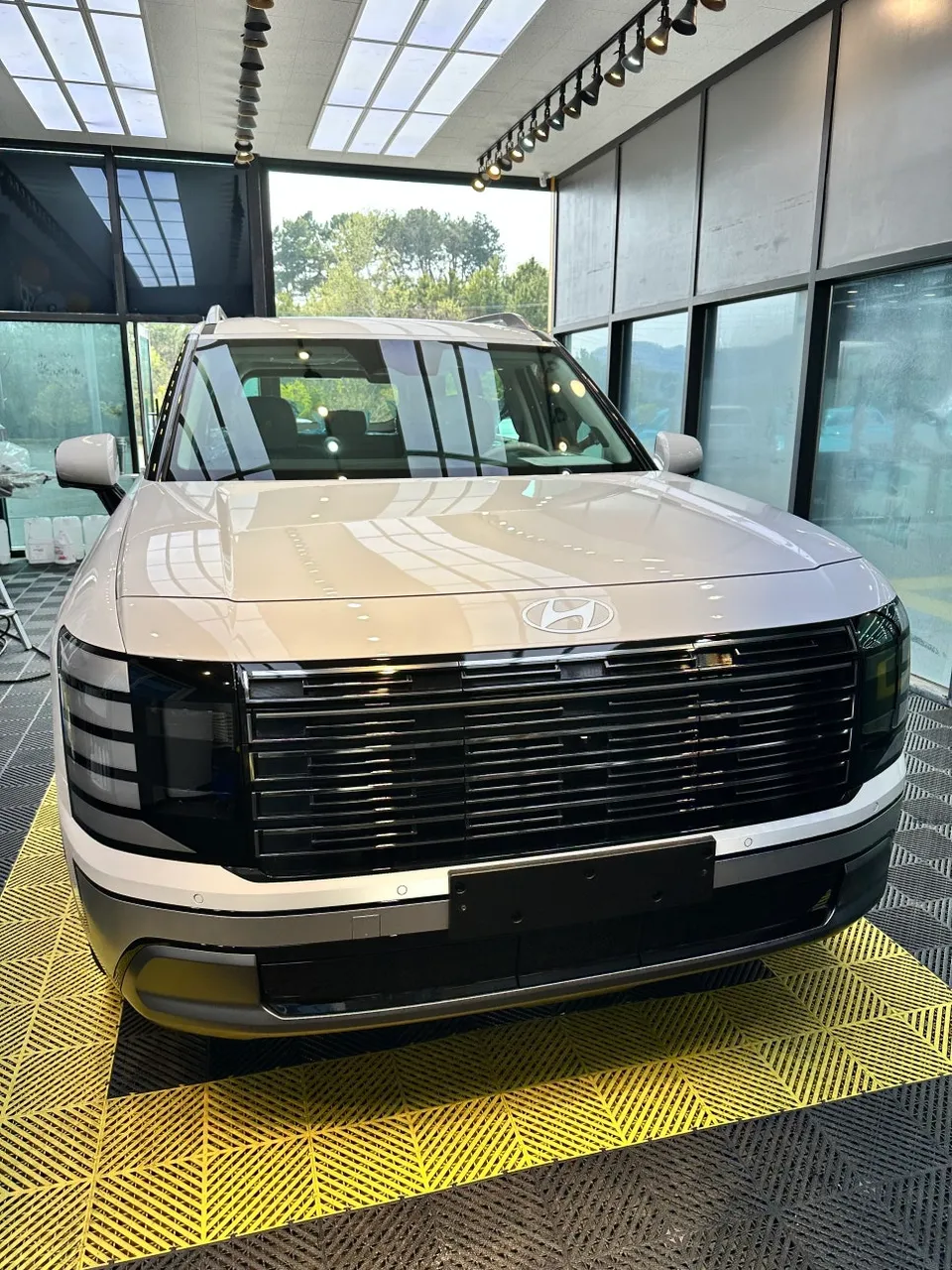
The result was a dramatically improved Kia Sorento with a deep, lustrous shine, free from water stains. The ceramic coating provides a hydrophobic barrier, making it easier to wash and maintain the vehicle's pristine appearance. Regular washing with pH-neutral soaps and avoiding harsh chemicals will help maintain the coating's integrity and the vehicle's showroom look for years to come.
Frequently Asked Questions
Q. How much does ceramic coating cost for a Kia Sorento?
The ceramic coating service for this Kia Sorento, which included extensive paint correction for water stain damage, cost between ₩800,000 and ₩1,500,000. Typical ceramic coating prices in the US can range from $500 to $2,000 depending on the vehicle size and coating quality.
Q. How long does ceramic coating last on a Kia Sorento?
A professionally applied ceramic coating can last for several years, often 2-5 years or more, depending on the product and maintenance. To maximize its lifespan, wash your Sorento regularly with pH-neutral soaps and avoid abrasive cleaners.
Q. Is ceramic coating better than wax for a Kia Sorento?
Ceramic coating offers significantly longer-lasting protection and superior resistance to chemicals, UV rays, and minor scratches compared to traditional wax. It is ideal for owners seeking a durable, high-gloss finish and easier maintenance.
Q. How is ceramic coating applied to a Kia Sorento?
The application process begins with thorough paint correction to remove imperfections. 1. The surface is meticulously cleaned and decontaminated. 2. The ceramic coating is carefully applied panel by panel using an applicator pad. 3. The coating is buffed off, and then allowed to cure, forming a hard protective layer.
Q. What is the difference between ceramic coating and PPF for a Kia Sorento?
Ceramic coating provides chemical resistance and hydrophobic properties for gloss and ease of cleaning, while Paint Protection Film (PPF) is a thicker, clear urethane film that offers superior physical protection against rock chips and scratches. PPF is generally recommended for high-impact areas, while ceramic coating enhances overall appearance and protection.
OhCar Partner Shop
More ceramic coating Reviews
See all →


More Kia Reviews




Pair with Another Service
Add physical chip protection before coating