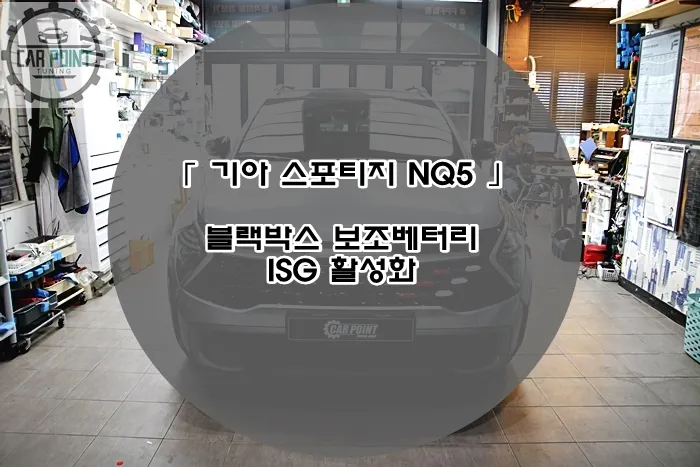
Kia Sportage NQ5 Dash Cam Installation Review

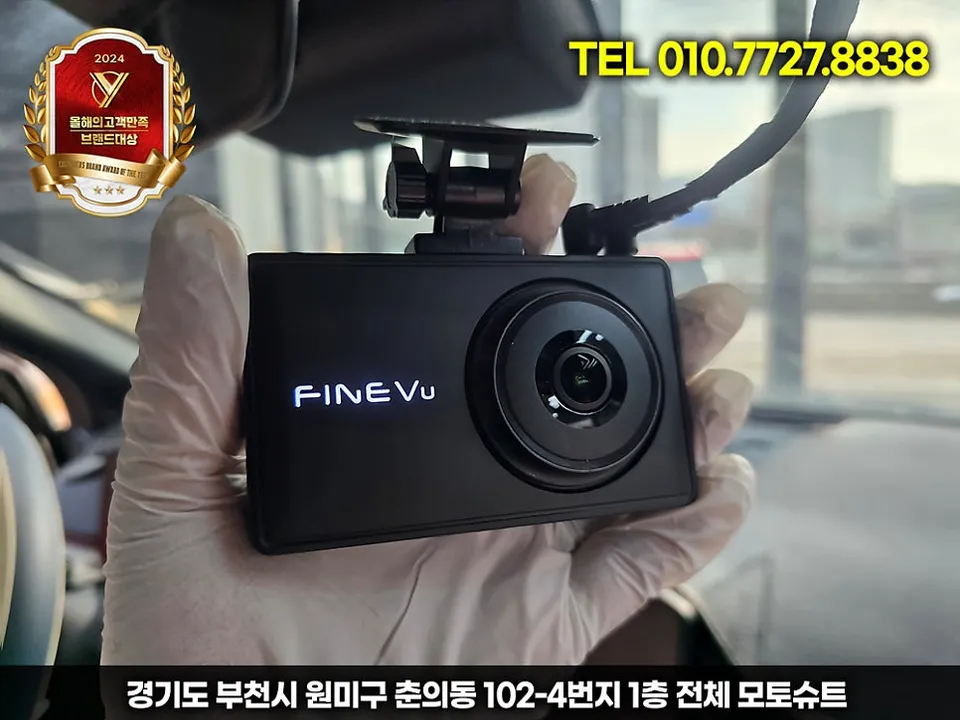
Kia Sportage NQ5 dash cam installation with EcoPowerPack Slim and parking mode. Cost details not provided in source.
Kia Sportage NQ5 Dash Cam Installation: A Comprehensive Review
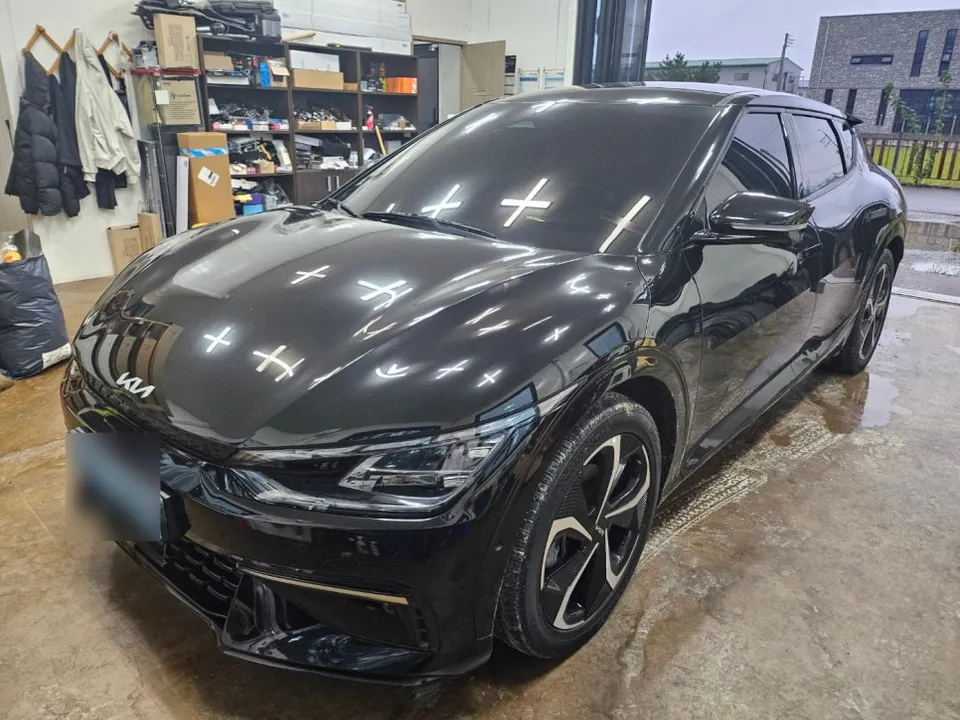
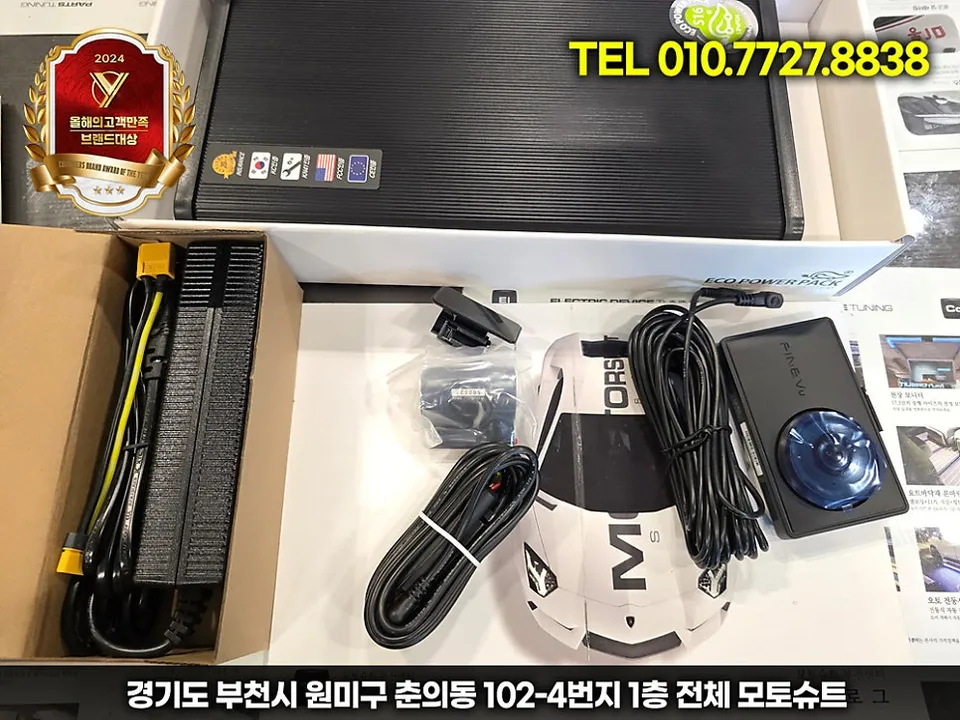
This review details the installation of a front and rear dash cam system, complete with a parking mode battery pack, on a Kia Sportage NQ5. The specific setup included the EcoPowerPack Slim, an LCD-equipped model, and a home charger, performed at the MotoShu department in Bucheon, South Korea. The goal was to enhance safety and provide continuous recording, even when the vehicle is parked, without draining the car's main battery.
Installation Process and Components
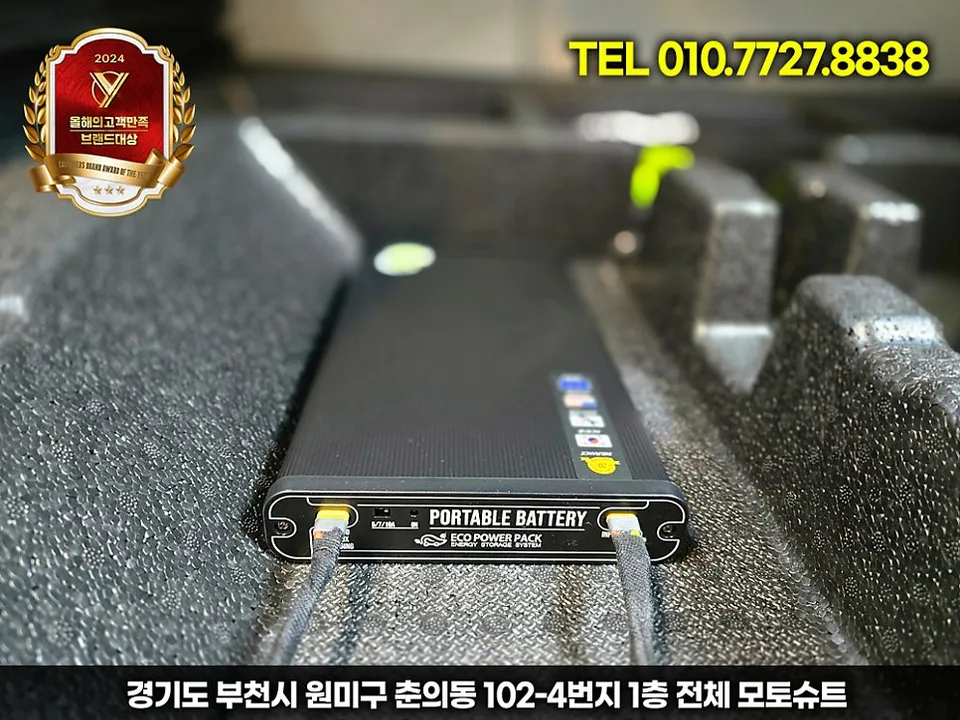
The installation process focused on a clean and integrated look, ensuring all wires were neatly tucked away. The EcoPowerPack Slim battery was chosen for its compact size and efficient power delivery, crucial for supporting the dash cam's parking mode functionality. This mode allows the dash cam to continue recording for a set period after the engine is turned off, capturing any incidents that may occur while parked. The LCD screen on the dash cam provides real-time feedback and easy access to settings and recorded footage. A dedicated home charger was also included, allowing the battery pack to be charged conveniently when not in use in the car.
The installation process typically involves:
- Careful routing of power and video cables to maintain a factory-like appearance.
- Connecting the dash cam to the vehicle's power source, often via the fuse box for hardwiring.
- Integrating the auxiliary battery pack, ensuring it's securely mounted and connected to both the dash cam and the vehicle's power system.
- Testing all functions, including front and rear camera recording, parking mode activation, and the battery pack's charging and discharging capabilities.
Durability, Maintenance, and Value
Dash cams and their associated battery packs are designed for durability, operating within a wide range of temperatures commonly encountered in vehicles. Regular maintenance is minimal, usually involving occasional cleaning of the camera lens and checking connections. The primary benefit of a hardwired dash cam with a dedicated battery pack is the peace of mind it offers. It provides a reliable record of events, which can be invaluable in the event of an accident or theft. The upfront cost of the dash cam, battery pack, and professional installation is offset by the potential savings in insurance deductibles or the resolution of disputes. For owners of vehicles like the Kia Sportage NQ5, investing in a quality front and rear dash cam system with parking mode is a worthwhile upgrade for enhanced security and documentation.
Frequently Asked Questions
Q. How much does dash cam installation cost for a Kia Sportage NQ5?
The specific cost for this installation in South Korea was not detailed in the provided context. However, professional dash cam and hardwiring installation in the US typically ranges from $100 to $300, depending on the complexity and components.
Q. How long does dash cam installation take on a Kia Sportage NQ5?
Professional dash cam installation, including hardwiring and battery pack integration, usually takes between 1 to 3 hours. Proper maintenance involves keeping the lens clean and ensuring connections are secure.
Q. Is a hardwired dash cam worth it over a self-install for a Kia Sportage NQ5?
A hardwired dash cam is worth it for drivers who want reliable parking mode recording without draining their car battery. Professional installation ensures a clean setup and proper integration, maximizing the system's benefits.
Q. How is a dash cam professionally installed on a Kia Sportage NQ5?
Professional installation involves carefully routing cables for a clean look, hardwiring the dash cam to the vehicle's power system (often via the fuse box), and integrating an auxiliary battery pack for parking mode. Finally, all functions are tested to ensure proper operation.
Q. What is the difference between a 1-channel and 2-channel dash cam for a Kia Sportage NQ5?
A 1-channel dash cam records only the front view, while a 2-channel system includes a rear camera for comprehensive coverage. For most drivers, a 2-channel dash cam offers significantly better protection and documentation.
OhCar Partner Shop