Kia Stinger Dash Cam Installation Review
Service Price
$115–150
Estimated price · Actual price may vary by shop
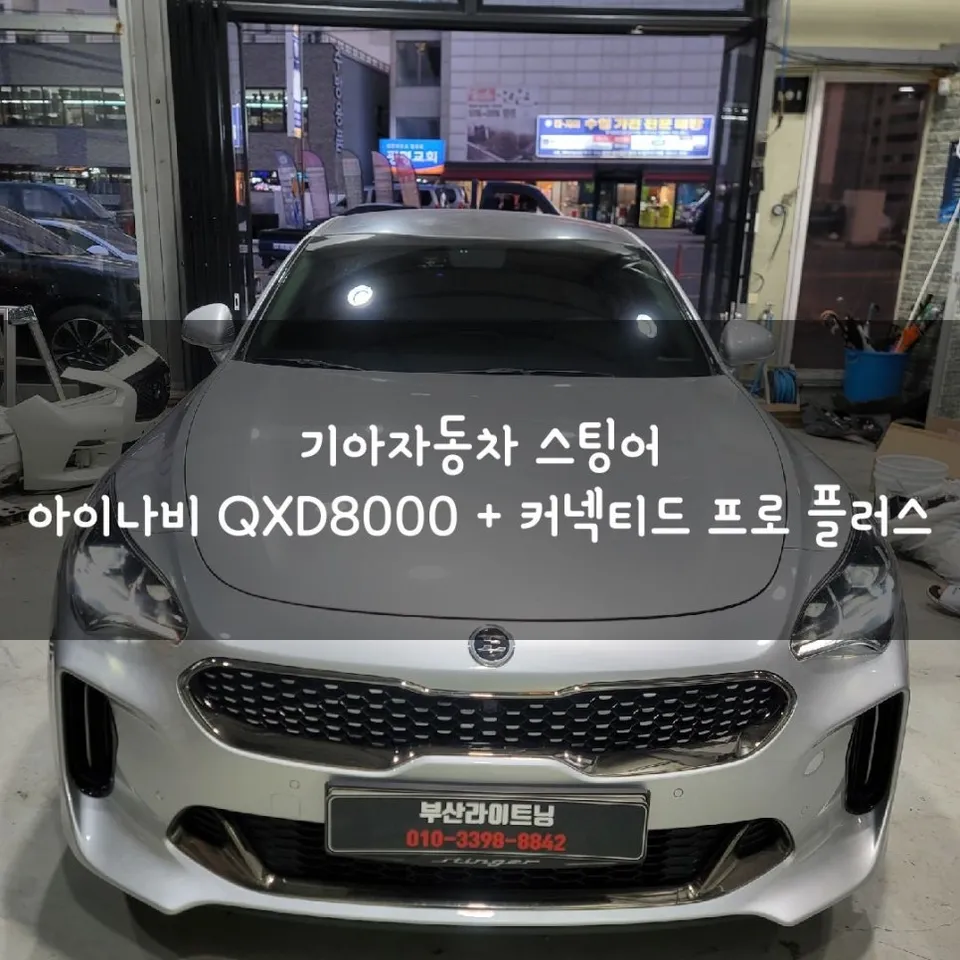
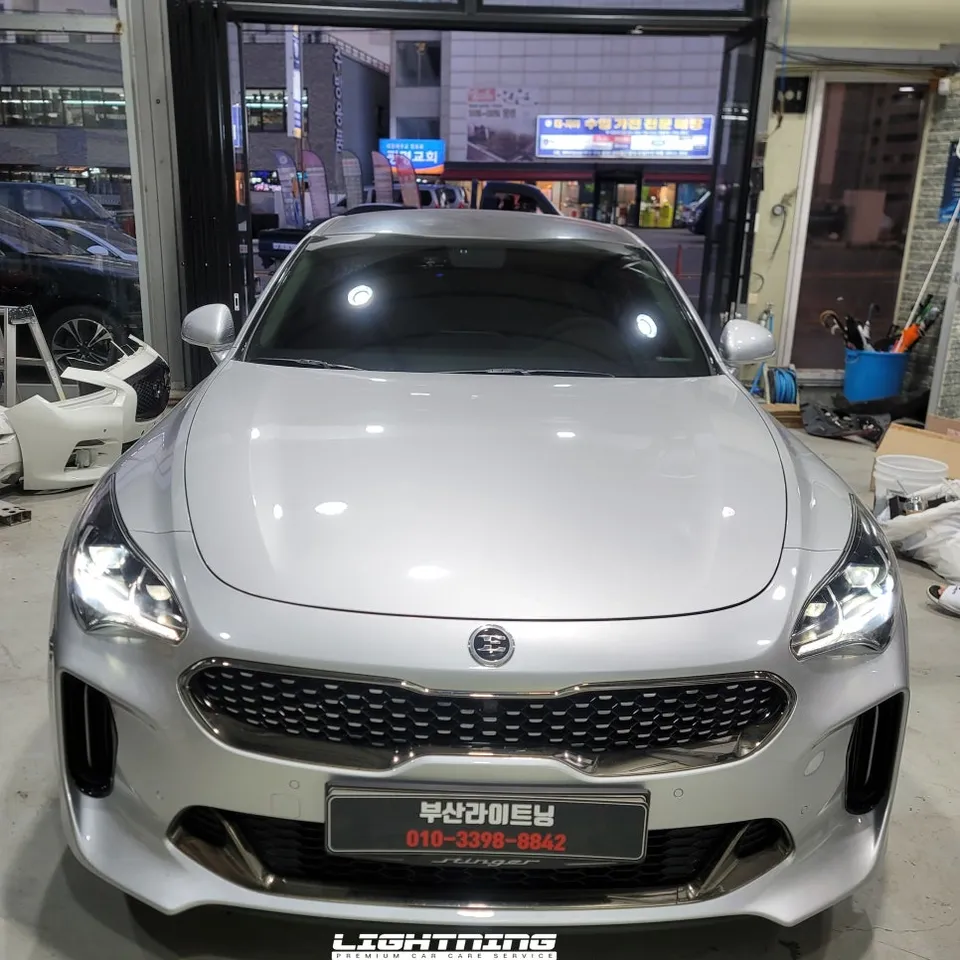
Kia Stinger dash cam installation: Professional QHD 2-channel setup ensures safety and clarity. Cost approx. $115-150.
Kia Stinger Dash Cam Installation: A Professional Approach
Considering a dash cam installation for your Kia Stinger? While many DIY kits exist, professional installation, especially for complex vehicles like the Stinger, offers significant advantages in terms of safety, durability, and performance. This review details a recent 2-channel dash cam installation on a Kia Stinger in the Gijang region of South Korea, focusing on the meticulous process and the benefits of expert service. We'll cover everything from choosing the right dash cam to the specifics of wiring and setup, helping you decide if this service is worth the investment.
Understanding the Kia Stinger and Dash Cam Needs
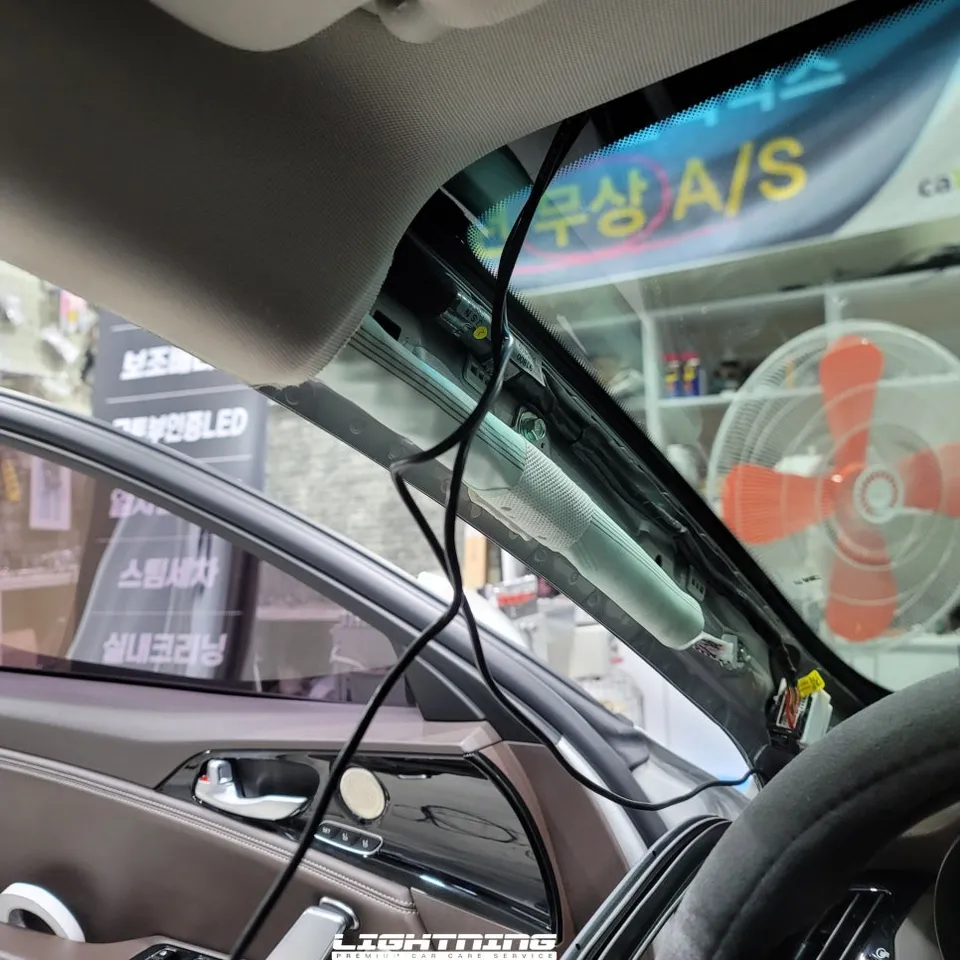
The Kia Stinger, a popular Korean sports sedan, comes with two engine options: a 2.0-liter turbo and a more powerful 3.3-liter twin-turbo. From a dash cam installation perspective, the Stinger presents unique challenges, primarily due to its complex side airbag placement. Many aftermarket installers overlook this, potentially compromising safety. A professional installation prioritizes avoiding these critical pathways to ensure that in the event of an accident, the airbags deploy correctly without obstruction from dash cam wiring.
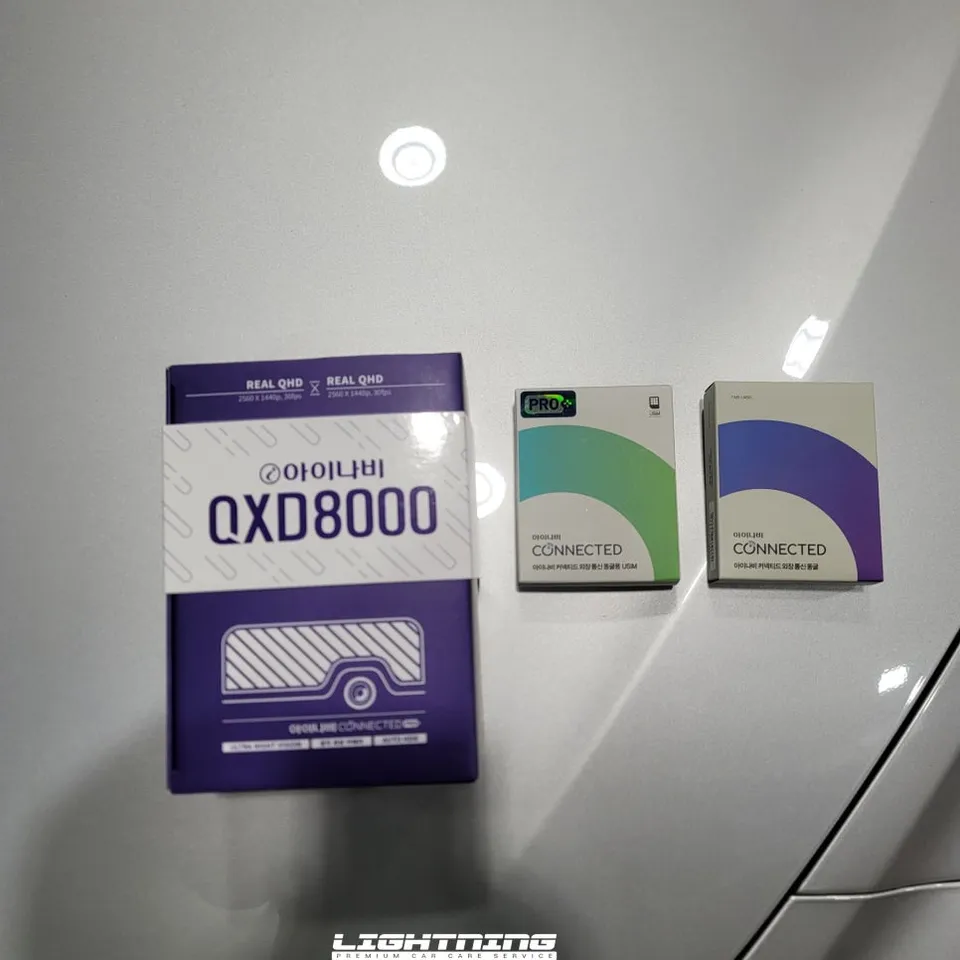
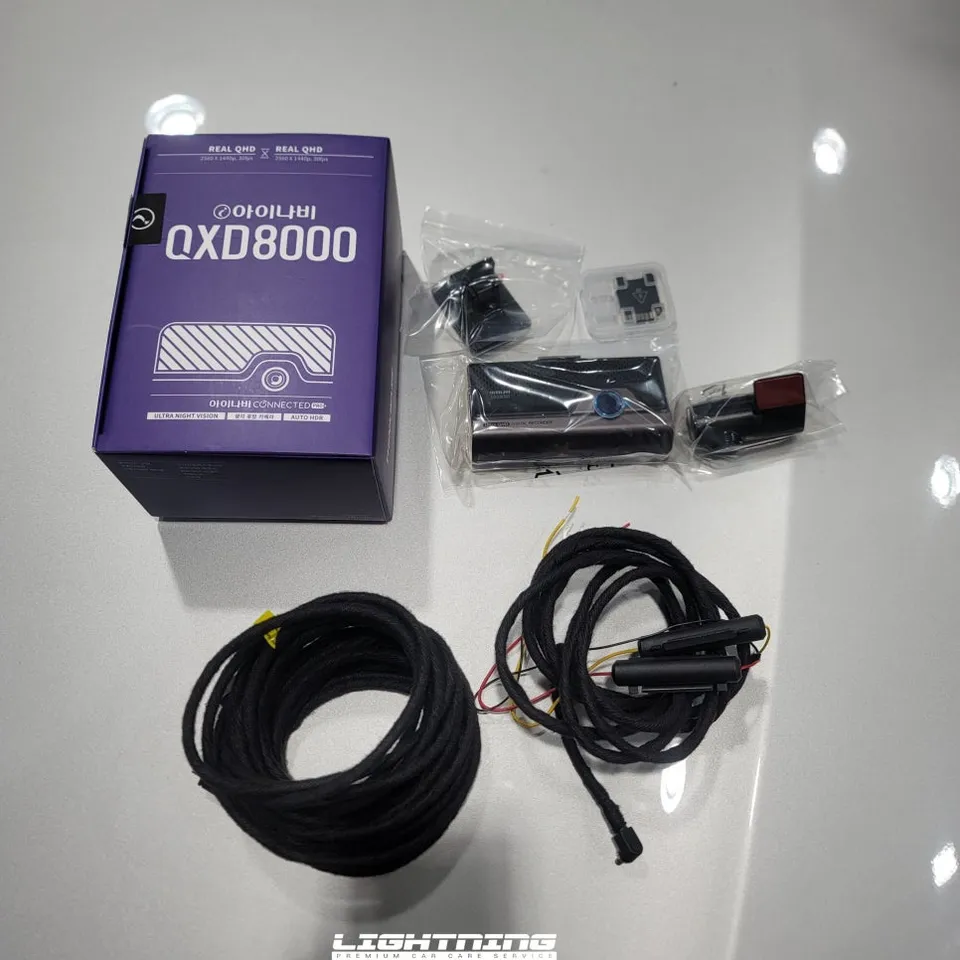
The specific installation detailed here involved the Thinkware QXD8000, a QHD (Quad High Definition) 2-channel dash cam, paired with a Connected Pro Plus module. QHD resolution offers superior clarity compared to standard FHD, making it easier to capture crucial details like license plates, which is invaluable for insurance claims and accident reconstruction. The front camera records at QHD (2560x1440), while the rear camera records at FHD (1920x1080), providing comprehensive coverage.
The Professional Dash Cam Installation Process
Safety and longevity are paramount in professional dash cam installation. Unlike a quick DIY job, experts take extra time to ensure the wiring is routed correctly and securely. For the Kia Stinger, this means carefully navigating the A-pillar to avoid interfering with the side airbag system. The wiring is meticulously secured along the vehicle's chassis to prevent any rattling or noise caused by vibrations during driving. While this careful routing might add 30-60 minutes to the installation time, it's a critical step for ensuring both the dash cam's functionality and the vehicle's safety features remain unimpeded.
Installation process:
- Professional Wiring: Technicians carefully route all cables through the A-pillar and along the vehicle's interior, ensuring they are clear of airbag deployment paths and securely fastened to prevent noise and damage.
- Component Integration: The front and rear cameras are mounted, and the main unit is connected to the vehicle's power source, often utilizing the fuse box for a clean hardwire connection.
- Connectivity Setup: If a connected module is used, it requires SIM card activation and pairing with the user's smartphone app for remote monitoring and features.
- System Configuration: Essential settings, such as low-voltage cut-off to protect the car battery, are configured based on the vehicle and user preferences.
Beyond just physical installation, professional services often include the setup of advanced features. The Thinkware QXD8000, for instance, can be paired with a connectivity module that requires SIM card activation and app integration. This allows for remote viewing of footage and notifications, but it's a step often missed by DIY installers. Furthermore, crucial settings like the low-voltage cutoff must be correctly configured. This feature prevents the dash cam from draining the car battery during parking mode, which is essential for avoiding starting issues, especially during colder months or extended parking periods.
Durability, Maintenance, and Cost Considerations
A professionally hardwired dash cam is designed for long-term durability. By using secure mounting and proper wiring techniques, the risk of component failure due to vibration or loose connections is significantly reduced. Maintenance typically involves occasional cleaning of the camera lens and ensuring the firmware is up-to-date, which can often be done via the connected app. The estimated cost for this type of professional installation in the US typically ranges from $115 to $150, depending on the specific dash cam model and the complexity of the vehicle's interior.
While the initial cost might seem higher than a DIY kit, the peace of mind, enhanced safety, and professional finish provided by expert installation make it a worthwhile investment for many Kia Stinger owners. It ensures your dash cam functions reliably as a crucial witness on the road and during parking, without compromising your vehicle's safety systems.
Frequently Asked Questions
Q. How much does dash cam installation cost for a Kia Stinger?
Professional dash cam installation for a Kia Stinger typically costs between $115 and $150 in the US. This price reflects the specialized labor required to safely integrate the device without interfering with vehicle safety systems.
Q. How long does dash cam installation take on a Kia Stinger?
A professional dash cam installation on a Kia Stinger usually takes between 1 to 2 hours. This timeframe allows for careful routing of wires, secure mounting, and proper configuration of settings like parking mode and low-voltage cutoff.
Q. Is a hardwired dash cam worth it over a self-install for a Kia Stinger?
Yes, a professionally hardwired dash cam is generally worth the investment for a Kia Stinger due to the vehicle's complex airbag system. Expert installation ensures safety compliance and optimal durability, preventing potential issues that can arise from improper DIY wiring.
Q. How is a dash cam professionally installed on a Kia Stinger?
Professional installation involves carefully routing the dash cam's wiring through the vehicle's A-pillar, ensuring it avoids airbag pathways. Cables are then securely fastened along the chassis to prevent noise, and the unit is hardwired to the car's fuse box for reliable power, often including setup for parking mode features.
Q. What is the difference between a 1-channel and 2-channel dash cam for a Kia Stinger?
A 1-channel dash cam records only the front view, while a 2-channel system includes a second camera for recording the rear view. For comprehensive coverage, especially for parking security and accident documentation, a 2-channel dash cam is highly recommended for a Kia Stinger.
OhCar Partner Shop