Kia Stinger Performance Upgrade Review: Cost & Results
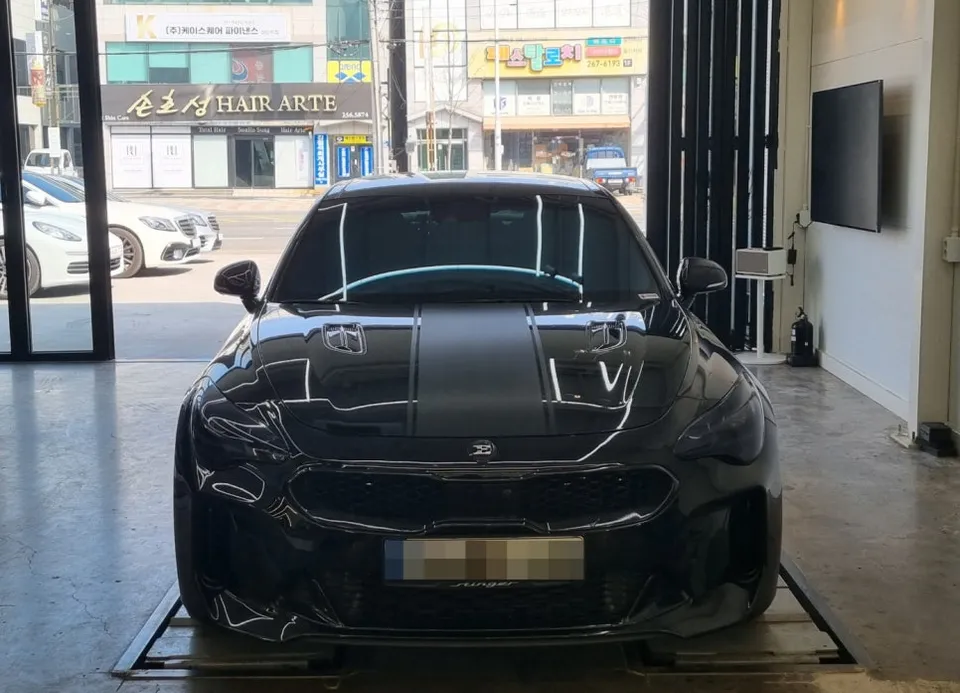
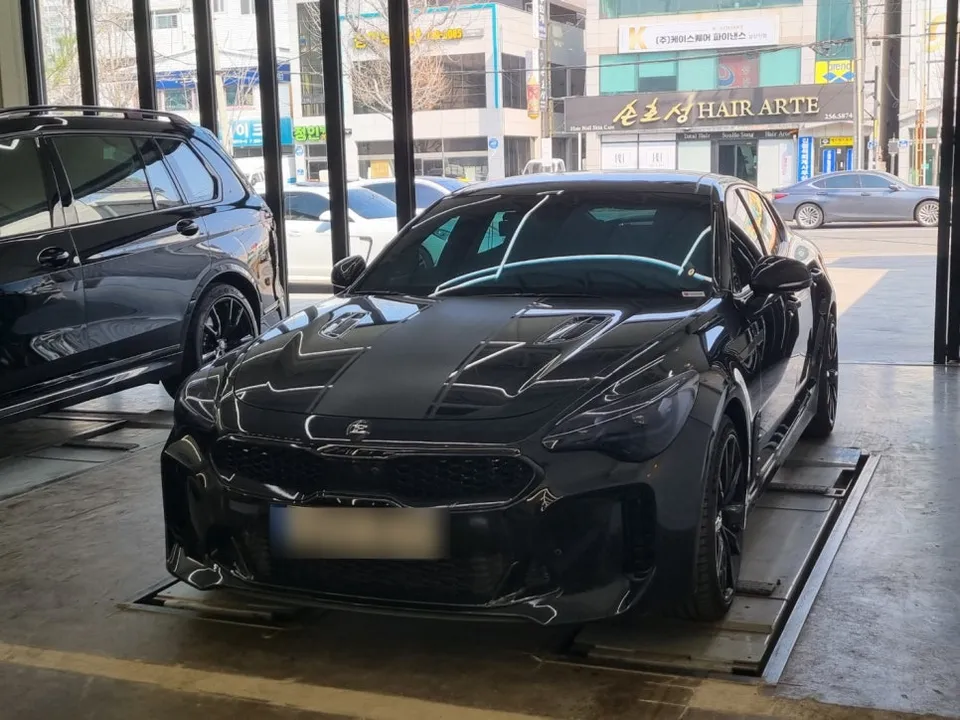
Kia Stinger INJEN open intake upgrade: Approx. ₩500k-800k. Enhances sound and throttle response.
Kia Stinger Performance Upgrade with INJEN Open Intake
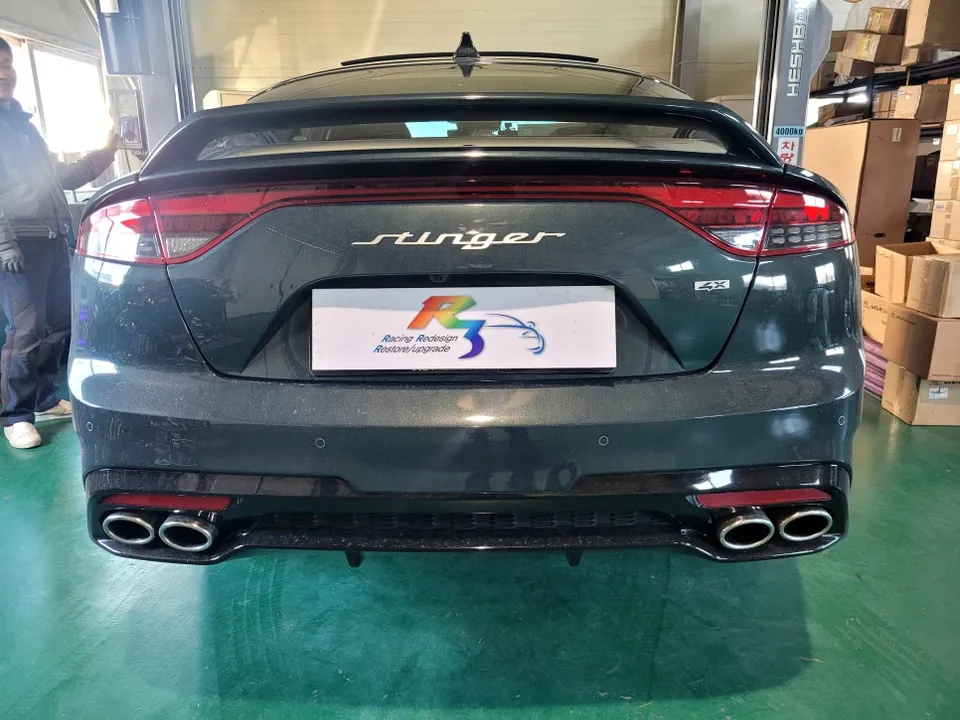
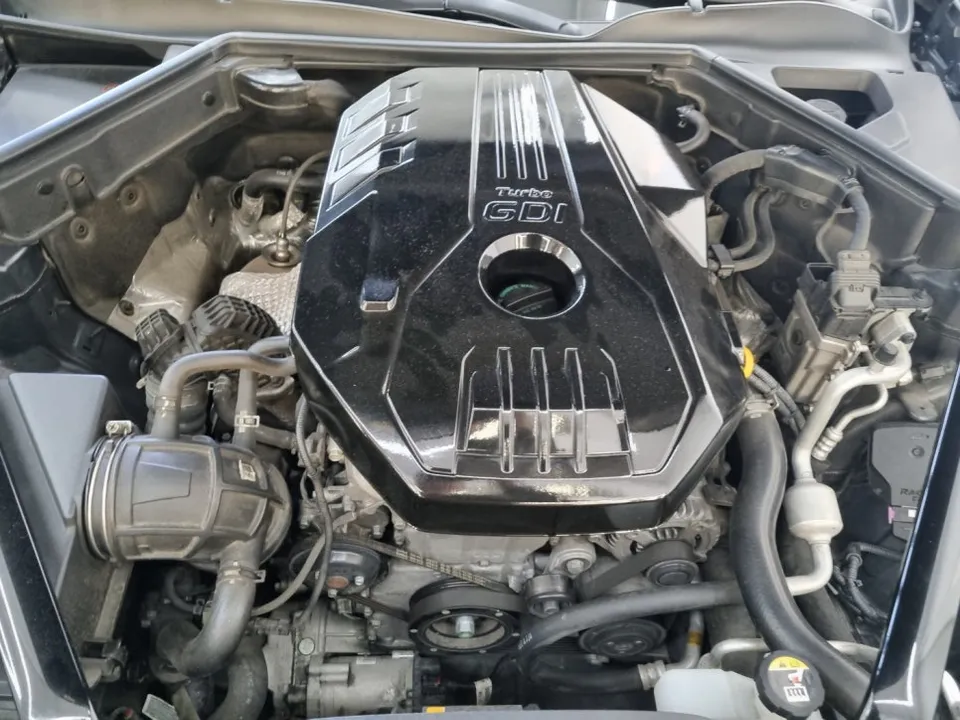
For Kia Stinger owners seeking a more engaging driving experience and noticeable performance gains, an intake system upgrade is a popular choice. This review focuses on the INJEN open intake system, a premium option known for its ability to enhance both power and auditory feedback. While often perceived as a more involved modification, the benefits in terms of sporty driving feel and increased output continue to make it a sought-after upgrade. This particular installation was performed by Fitment in Ulsan, South Korea, highlighting their expertise in performance tuning for vehicles like the Stinger.
Performance Gains and Sound Enhancement
The primary draw of an open intake system like the INJEN for the Kia Stinger is the promise of improved engine efficiency and a more aggressive exhaust note. Owners often report a crisper throttle response and a satisfyingly deeper, sportier sound during acceleration. This upgrade isn't just about raw power; it's about enhancing the sensory experience of driving, making the Stinger feel more alive and responsive. The INJEN system is designed to allow the engine to breathe more freely, potentially leading to modest horsepower and torque improvements, especially when combined with other performance modifications.
Installation Process and Considerations
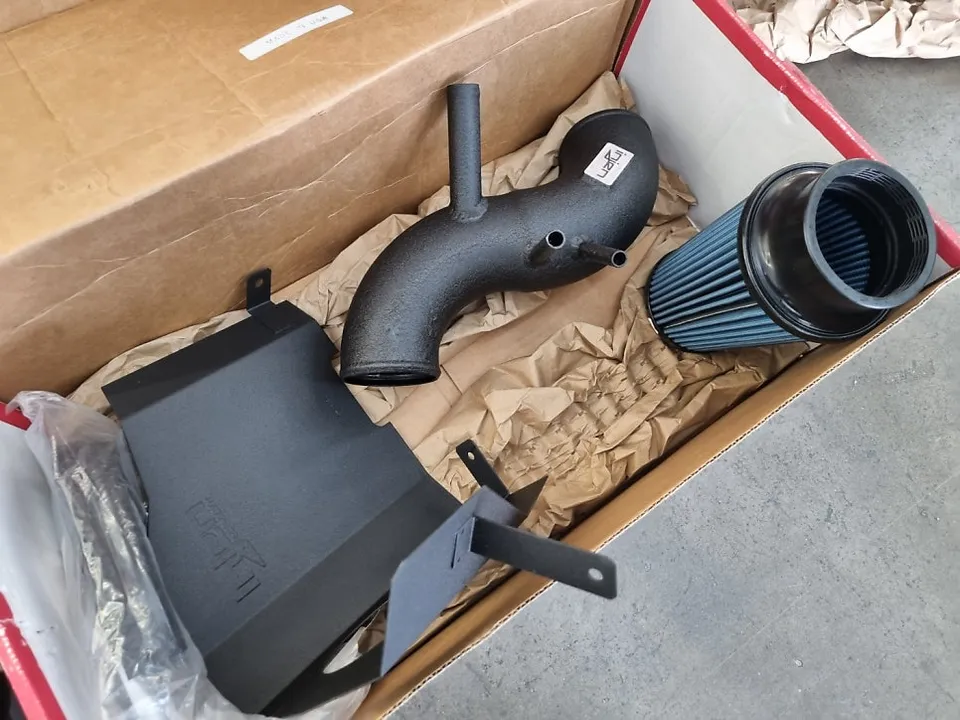
Installing an aftermarket intake system requires care and precision. While specific details can vary, the general process involves removing the stock airbox and intake piping, then fitting the new components. For the INJEN open intake on a Kia Stinger, this typically includes the intake pipe, the air filter, and any necessary heat shields or mounting hardware. It's crucial to ensure all connections are secure to prevent air leaks, which can negatively impact performance and engine health. Professional installation is recommended to guarantee proper fitment and optimal results.
Installation process:
- Remove the factory air intake system.
- Install the new INJEN intake piping and heat shield.
- Attach the INJEN air filter to the piping.
- Secure all connections and ensure proper fitment.
The cost for this type of upgrade in South Korea, including parts and labor at a specialist like Fitment, can range from approximately ₩500,000 to ₩800,000 (roughly $370-$600 USD, subject to exchange rates). Durability is generally high with quality aftermarket parts like INJEN, often requiring only periodic cleaning of the air filter. Maintenance typically involves inspecting and cleaning the reusable air filter every 15,000-20,000 miles, or as recommended by the manufacturer, to ensure optimal airflow. While the initial investment might seem significant, for enthusiasts prioritizing enhanced driving dynamics and sound, the performance upgrade can be a worthwhile modification.
Frequently Asked Questions
Q. How much does an exhaust upgrade cost for a Kia Stinger?
The INJEN open intake system installed in Korea cost approximately ₩500,000 to ₩800,000. Similar performance intake upgrades in the US can range from $300 to $700 depending on the brand and specific components.
Q. How does an exhaust upgrade affect performance on a Kia Stinger?
An exhaust upgrade like an open intake system can improve throttle response and engine sound, potentially offering modest gains in horsepower and torque. Regular cleaning of the air filter, typically every 15,000-20,000 miles, is key to maintaining these performance benefits.
Q. Is an exhaust upgrade worth it for a Kia Stinger?
An exhaust upgrade is most beneficial for Kia Stinger owners who prioritize an enhanced, sportier driving sound and a more responsive throttle. The value proposition lies in the improved sensory experience and potential for modest performance gains, making it a worthwhile modification for enthusiasts.
Q. How is an exhaust system upgraded on a Kia Stinger?
Upgrading the exhaust system, specifically with an open intake like the INJEN, involves removing the stock airbox and piping. The new system's piping, heat shield, and air filter are then installed, ensuring all connections are secure for optimal airflow and performance.
Q. What is the difference between a catback and axleback exhaust for a Kia Stinger?
A catback exhaust system replaces the exhaust components from the catalytic converter back, offering more significant changes in sound and performance. An axleback exhaust only replaces the muffler and tips at the very rear, providing a milder sound enhancement. For a more pronounced effect on sound and potential performance, a catback or a full system is generally recommended over an axleback.
OhCar Partner Shop