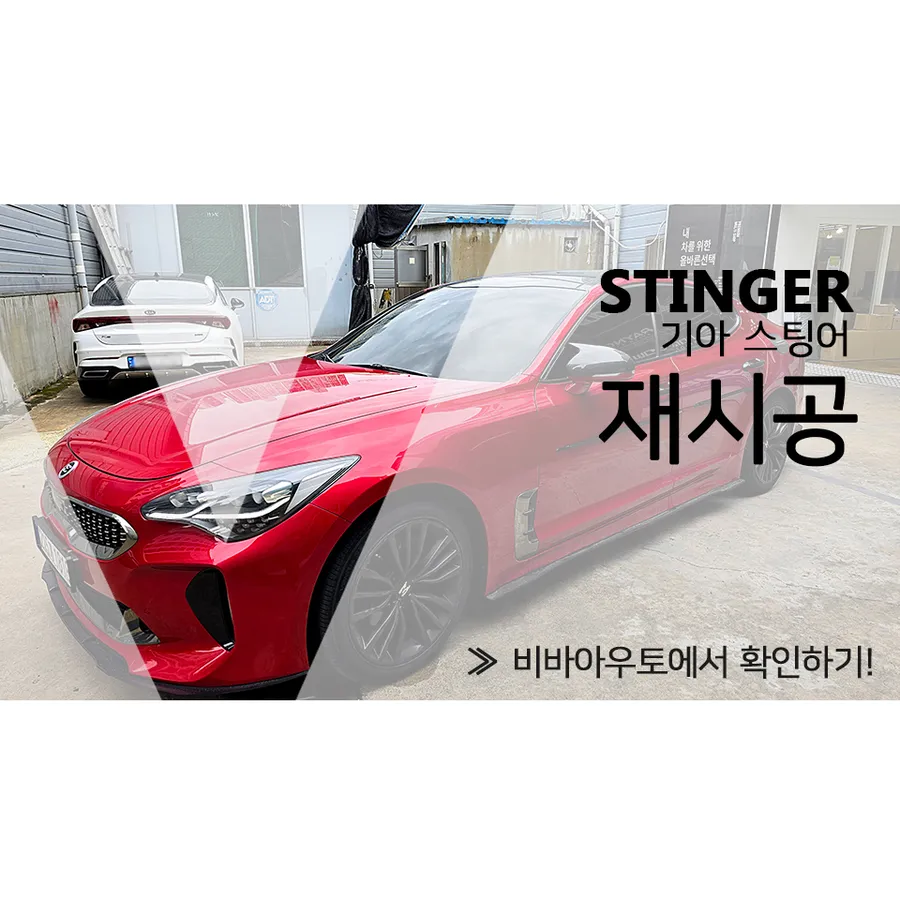
Kia Stinger LED Upgrade Review — Fixes Blinking & Resistor Issues
Service Price
$approx. $400–800
Estimated price · Actual price may vary by shop
Before
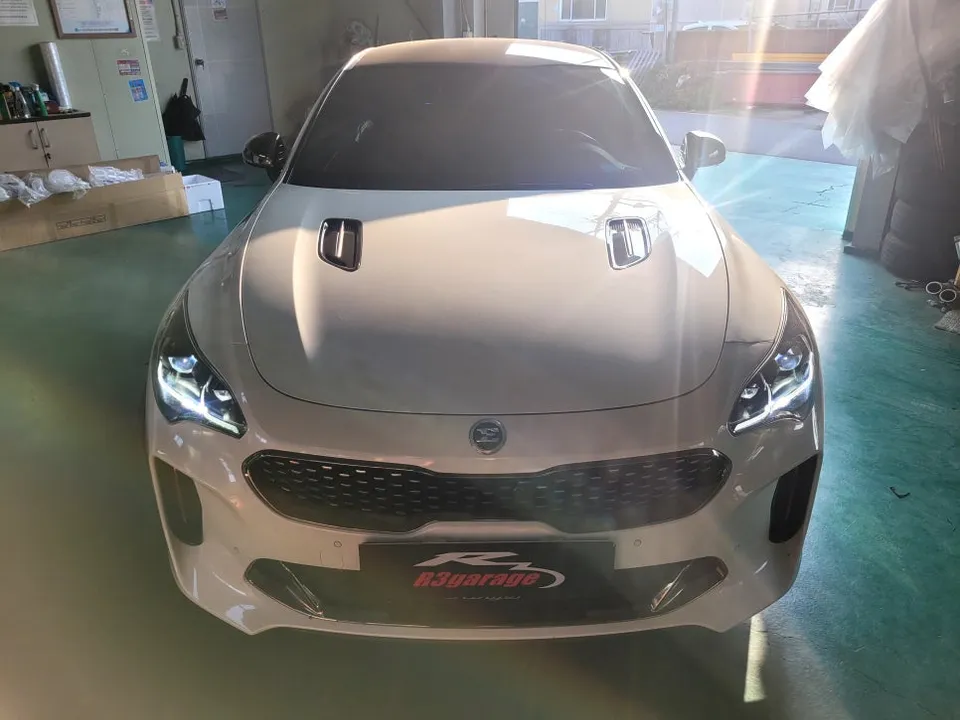
After
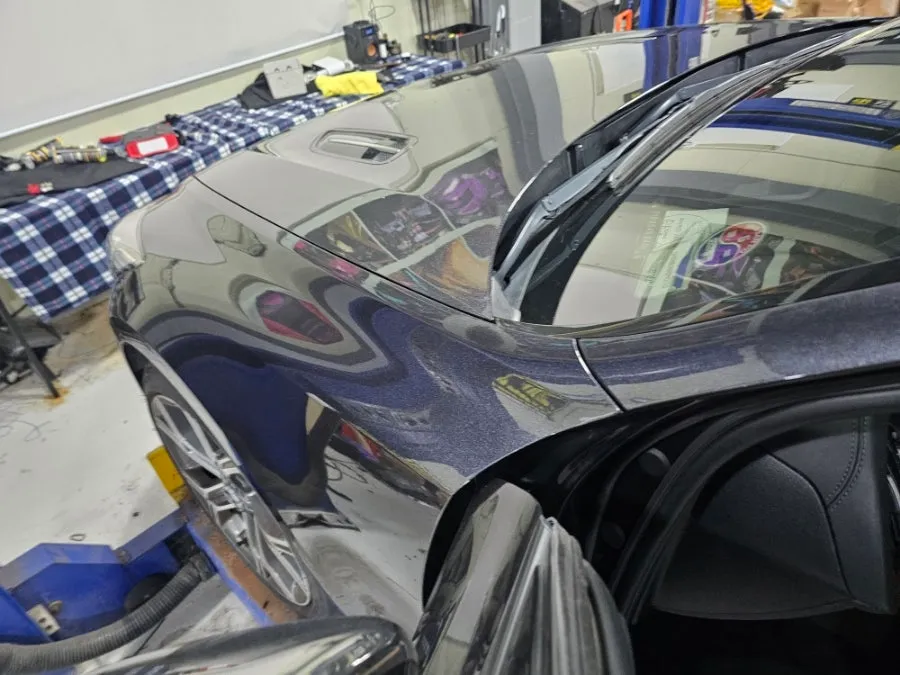
Process photos
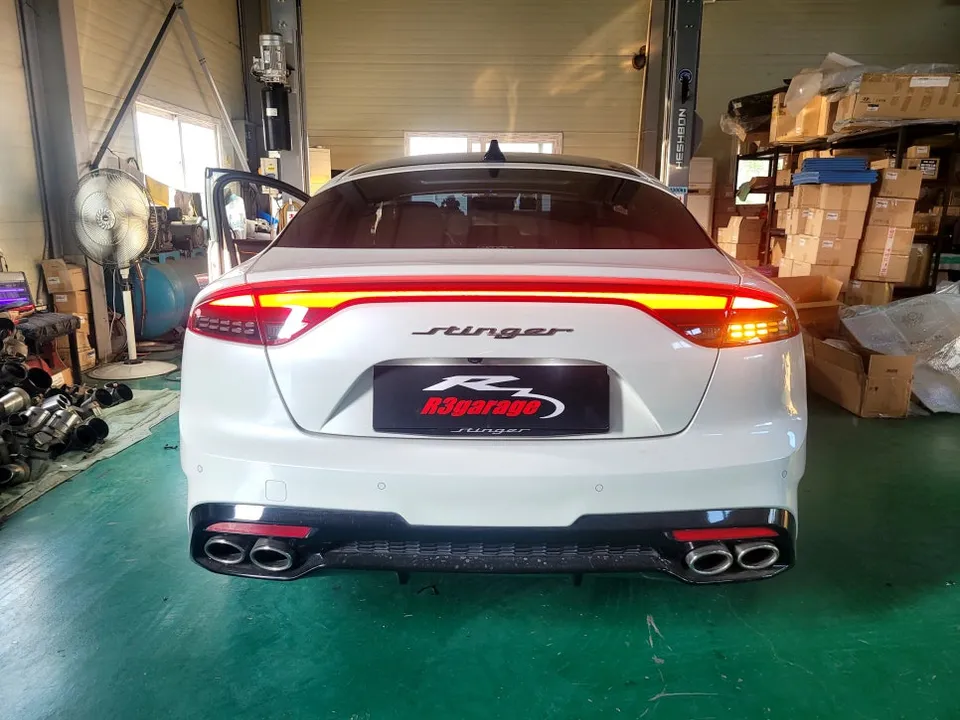
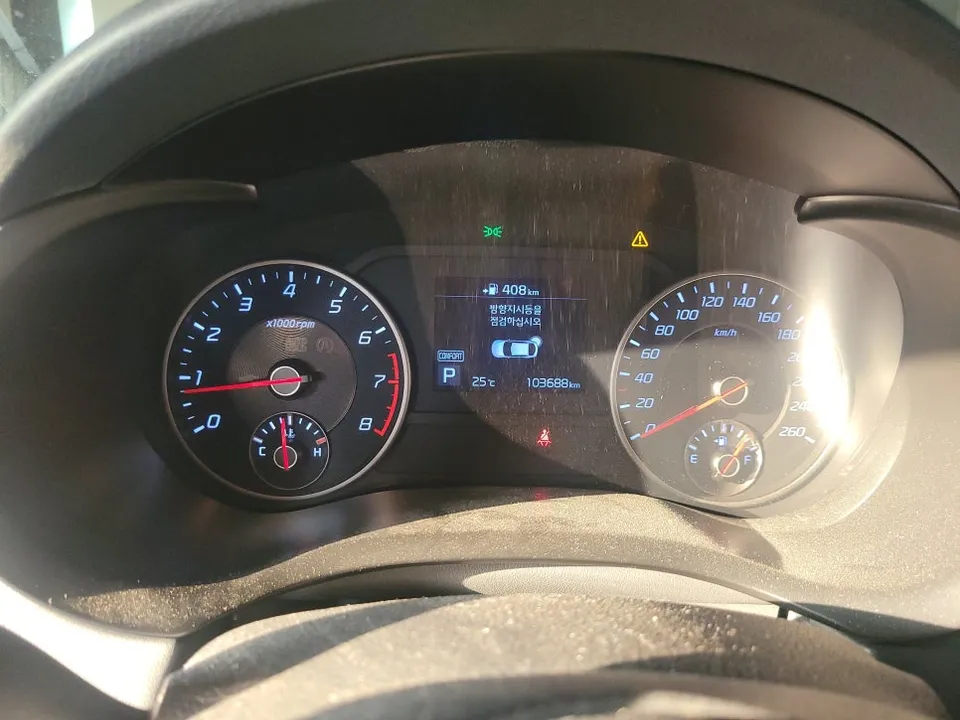
Kia Stinger LED upgrade fixes blinking and resistor issues with wiring correction and module. Approx. ₩350,000-₩500,000.
Kia Stinger Meister LED: Addressing Blinking and Resistor Problems
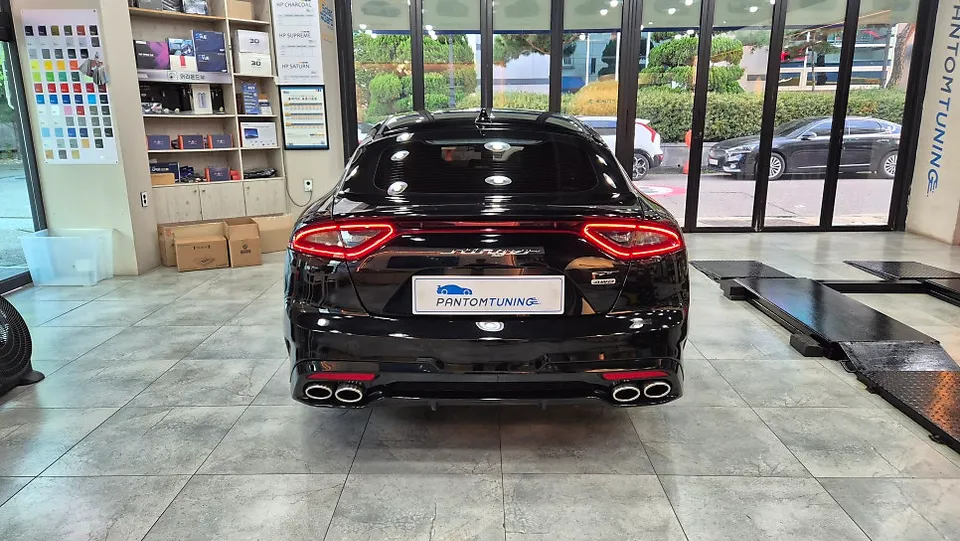
A Kia Stinger Meister LED lamp upgrade recently visited our shop experiencing persistent issues. The vehicle, recently acquired used, had undergone multiple resistor repairs, yet the turn signals continued to blink rapidly, and the resistors repeatedly failed. Our team at Today's Car Incheon diagnosed the root cause as wiring errors, providing a comprehensive solution involving new resistor replacement and the installation of a hazard light prevention module. This service, taking approximately 4 hours, restored normal operation for a cost of around ₩350,000 to ₩500,000.
This article covers:
① Diagnosing the cause of Meister LED blinking.
② Correcting wiring errors and replacing resistors.
③ Installing a hazard light prevention module and switch.
④ Final inspection and completion.
Rapid Blinking Caused by Wiring Errors
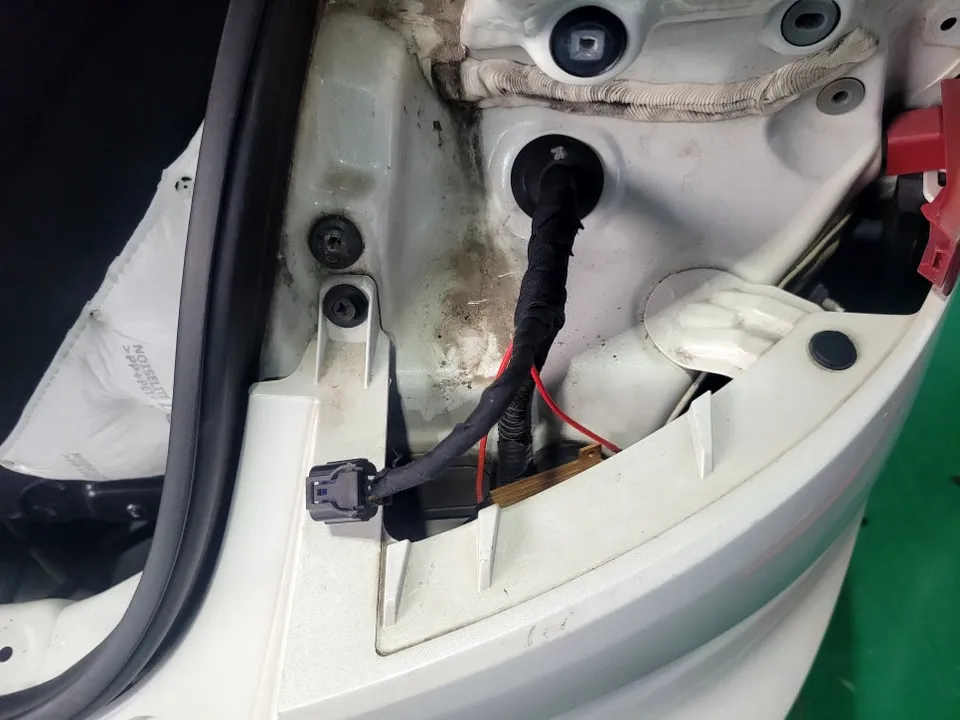
The common issue of LED turn signals blinking too fast is typically due to a missing or faulty resistor. Meister LEDs are designed for halogen-compatible vehicles, requiring a load resistor to compensate for the difference in power consumption. Without a functional resistor, excessive current flows, leading to the rapid blinking often referred to as the "speed issue." In this particular Stinger, the problem stemmed from incorrect wiring during a previous installation. Connecting the resistor to an improper ground point instead of the vehicle chassis caused repeated electrical contact failures, explaining why the issue kept returning despite previous "fixes."
Precise Wiring Starts with Chassis Grounding
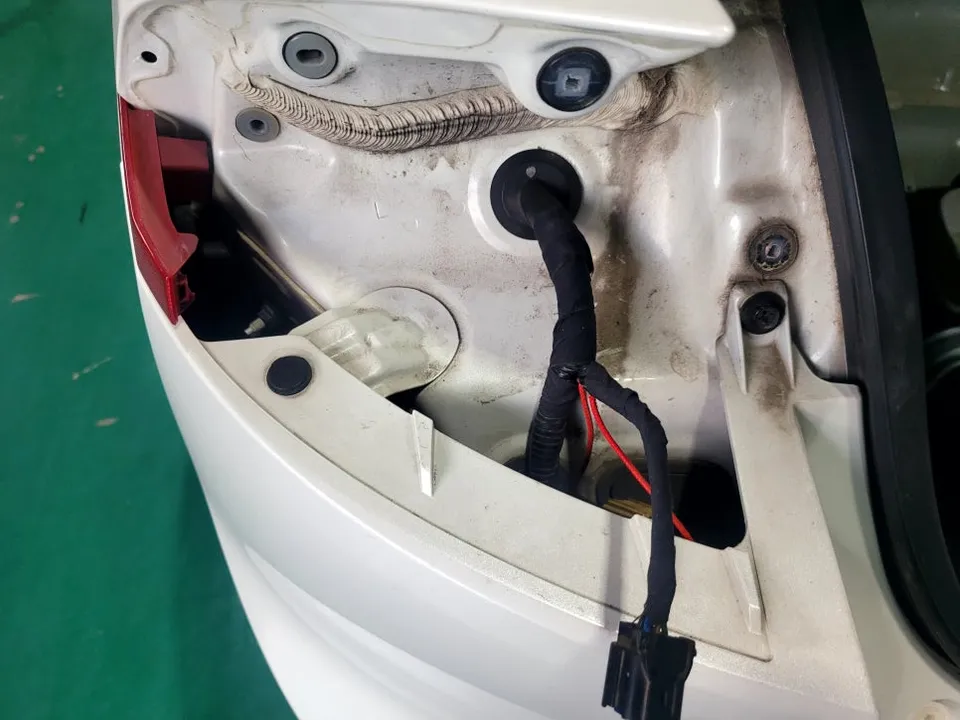
Our process began by removing existing components and thoroughly re-inspecting the wiring path. This crucial diagnostic step involves identifying the correct chassis ground point for the LED harness and determining the optimal location for the resistor to minimize power loss. Many shops overlook or rush this fundamental step, leading to recurring problems. We replaced the faulty resistors with new 0.47Ω load resistors, establishing a proper chassis ground connection. The resistance value is critical: lower values allow more current, while higher values reduce it. For mixed halogen-LED setups, 0.47Ω to 0.5Ω is standard. Even if resistors were previously installed, poor grounding or soldering likely prevented them from functioning correctly.
The Role of the Hazard Light Prevention Module
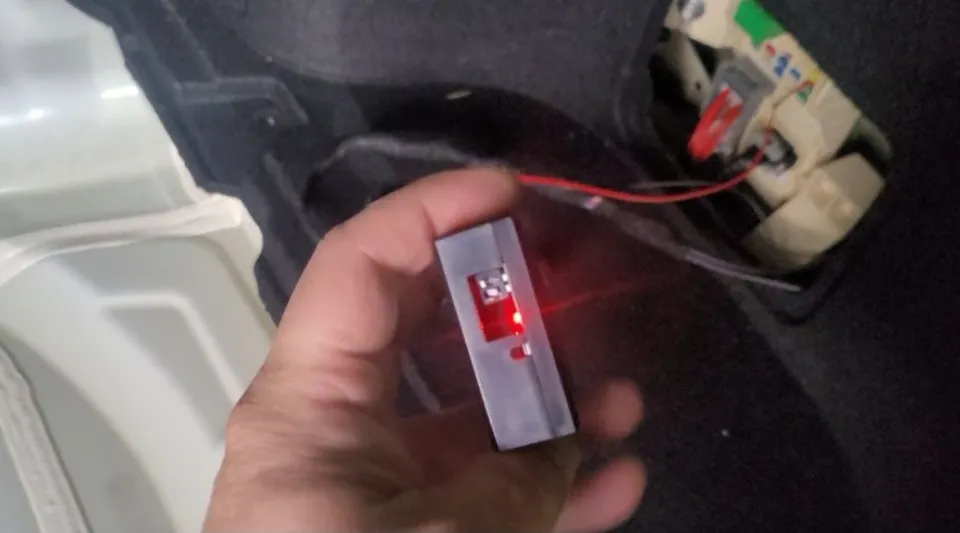
While correcting the wiring and replacing the resistors resolves most blinking issues, this Stinger also received an additional hazard light prevention module. LED lights have a faster switching speed than halogens and are more sensitive to electrical signals. Some LED products can cause unintended flickering, sometimes called "auto hazard lights," due to communication errors with the vehicle's system. This module acts as a filter, blocking false signals and ensuring only the driver's intended commands are recognized.
2-Way Mode Switching Installation
Furthermore, a 2-Way conversion switch was installed, allowing the driver to manually switch between LED and halogen modes at will. This is useful if a halogen bulb fails or if the subtle color difference of LEDs is undesirable. The switch was mounted in a convenient and safe location on the dashboard, with the wiring integrated into a backup circuit. This installation requires careful routing of low-voltage signal lines, considering the vehicle's electrical system to avoid interfering with other electronic control units.
Frequently Asked Questions
Q. How much does an LED lighting upgrade cost for a Kia Stinger?
This specific Kia Stinger LED upgrade, including wiring correction and module installation, cost approximately ₩350,000 to ₩500,000 in Korea. In the US, similar comprehensive LED headlight upgrades can range from $300 to $800 depending on the vehicle and components.
Q. How long do aftermarket LED headlights last on a Kia Stinger?
High-quality aftermarket LED headlights typically last between 15,000 to 30,000 hours, significantly longer than traditional halogen bulbs. Regular checks for condensation or damage to the housing can help prolong their lifespan.
Q. Is an LED lighting upgrade worth it for a Kia Stinger?
An LED lighting upgrade is worth it for Kia Stinger owners seeking improved visibility, a modern aesthetic, and potentially longer bulb life. It's particularly beneficial for those experiencing issues with existing LED setups, like rapid blinking or resistor failure.
Q. How is an LED lighting upgrade installed on a Kia Stinger?
Installation involves diagnosing existing wiring, removing old components, and installing new load resistors (typically 0.47Ω) with proper chassis grounding. A hazard light prevention module may be added to filter false signals, and a 2-way switch can be installed for manual mode selection.
Q. What is the difference between HID and LED headlights for a Kia Stinger?
LED headlights offer instant on/off, lower power consumption, and longer lifespan compared to HID (High-Intensity Discharge) lights, which require a warm-up period and ballast. For most modern applications, LEDs are generally preferred for their efficiency and durability.
OhCar Partner Shop