Land Rover Range Rover Sport Oem Options Review — Cost
Service Price
$115–150
Estimated price · Actual price may vary by shop

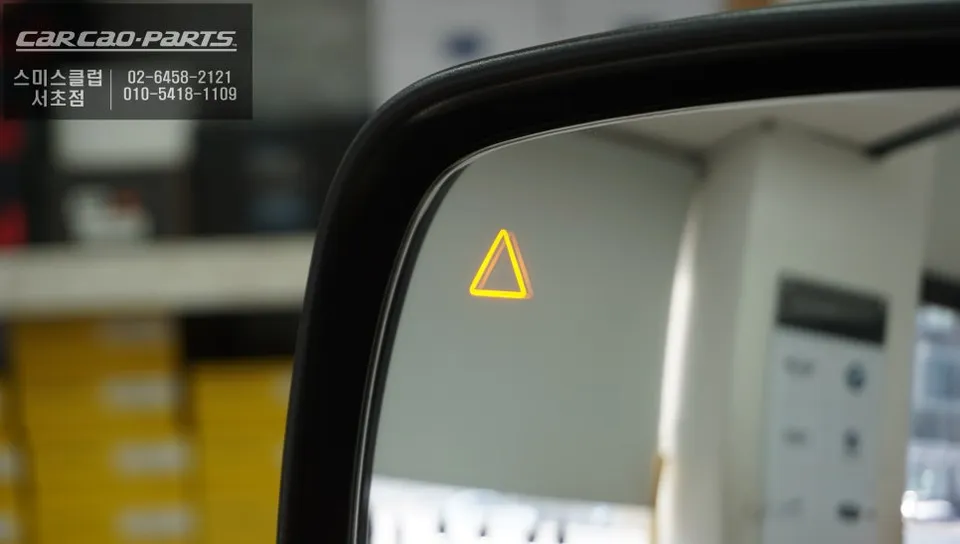
OEM options retrofit on Land Rover Range Rover Sport: approx. $115-150. Adds rear-side blind spot monitoring for collision prevention.
The Blind Spot Challenge in Older Range Rover Sports
The Land Rover Range Rover Sport is renowned for its commanding presence and elevated driving position, offering excellent visibility. However, a common drawback, especially in older models, is the significant rear-side blind spot. The vehicle's substantial size and weight can make it difficult to detect approaching vehicles or obstacles in these areas. Many owners of pre-modern safety feature models consider adding rear-side sensors as a crucial safety enhancement, moving beyond mere convenience to actively prevent potential collisions.
This particular installation focused on integrating a radar-based blind spot monitoring system into a Range Rover Sport, aiming for a factory-like appearance and function. The process involved seamlessly embedding sensors, upgrading mirrors, and ensuring clear warning indicators without compromising the vehicle's original aesthetics.
Understanding Blind Spot Monitoring Systems
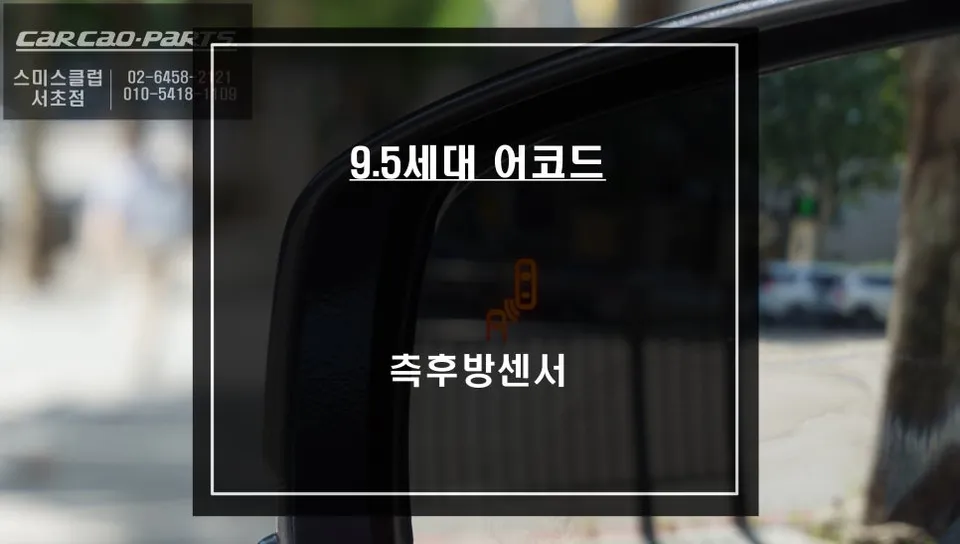
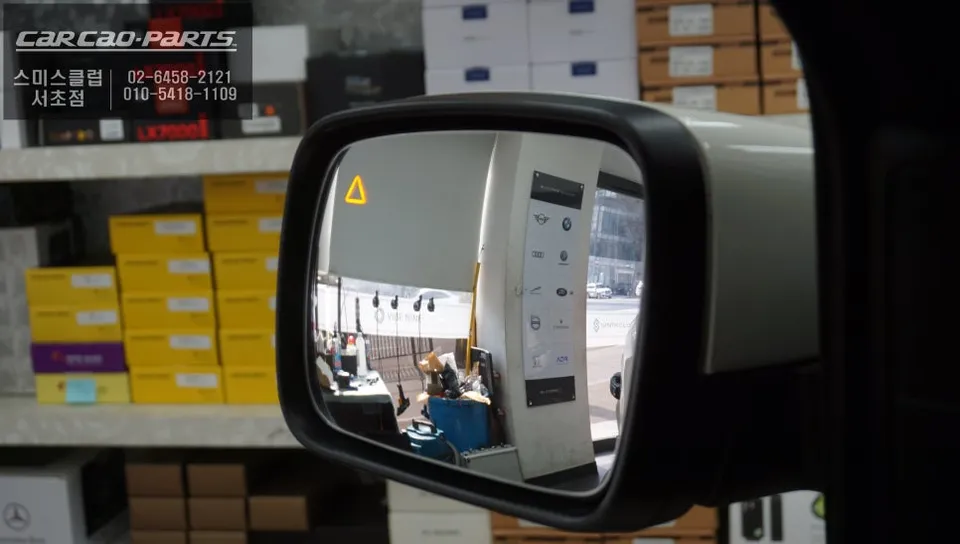
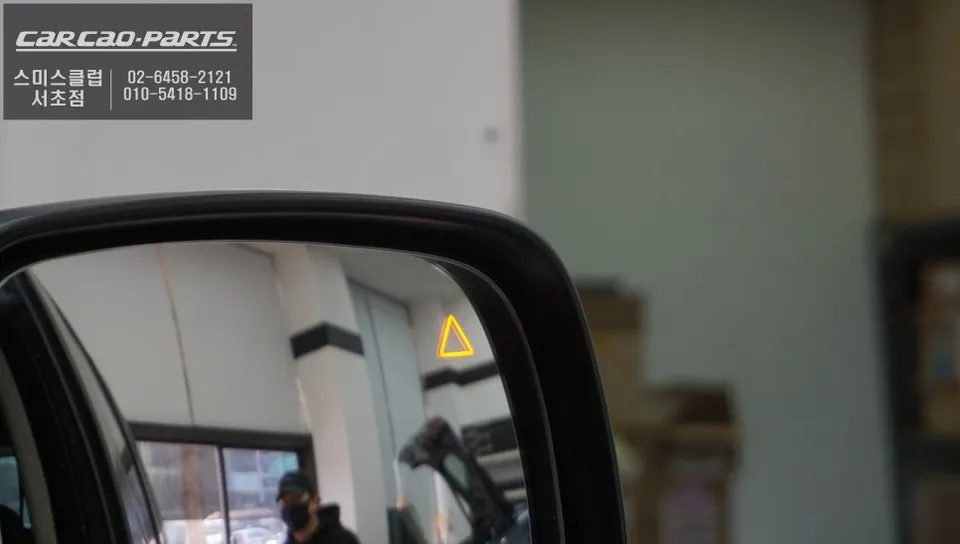
Blind spot monitoring (BSM) systems utilize radar sensors, typically mounted within the rear bumper, to detect vehicles approaching from the rear sides of the car. When a moving object enters the sensor's detection zone, usually around 5-7 meters, a warning light illuminates on the corresponding side mirror. An audible alert may also sound if the turn signal is activated while a vehicle is detected, alerting the driver to potential danger during lane changes. A key advantage of these systems is their ability to differentiate between moving vehicles and stationary objects like parked cars or walls, significantly reducing false alarms and enhancing practicality.
Why a Factory-Style Installation Matters for Range Rover Sports
Retrofitting blind spot sensors on an older Range Rover Sport presents specific challenges. The goal is to achieve integration without drilling holes in the bumper, modifying the side mirrors externally, or complicating the vehicle's electrical system. The solution often involves custom-made wide-angle mirrors that incorporate discreet warning lights. This approach maintains the vehicle's original look while adding modern safety technology, providing a visual cue in the side mirror to alert the driver to hazards in the blind spot.
The S-RADAR system used in this installation is a proven product, having undergone domestic KC certification and demonstrated reliability through extensive use in the market. Its detection range of 5-7 meters is sufficient for typical urban driving scenarios, effectively covering the critical distance needed to identify vehicles in adjacent lanes during lane changes.
Installation Process:
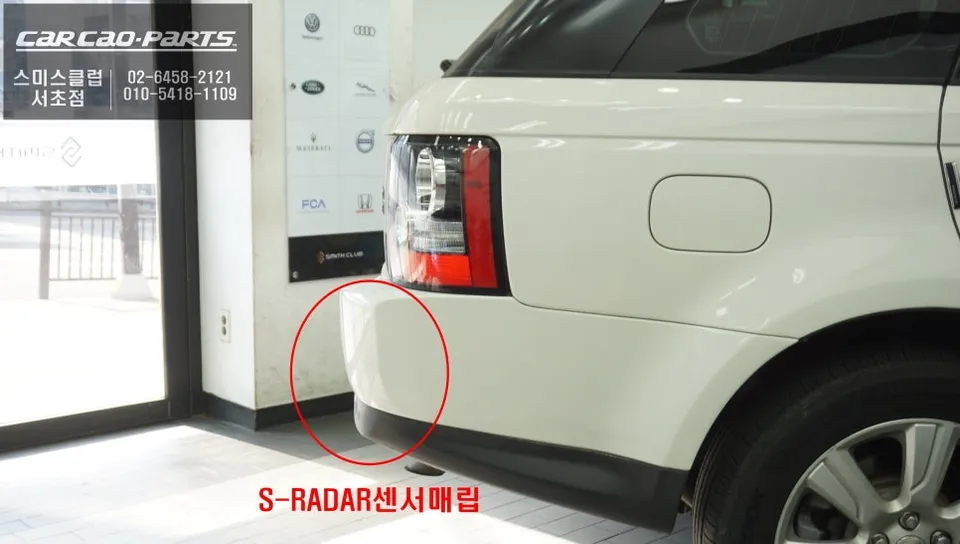
- Bumper Removal: The rear bumper is carefully detached. This is necessary to access the mounting locations for the radar sensors within the bumper structure. Proper removal of clips and fasteners is essential to avoid damage to the original bumper.
- Sensor Mounting: Radar sensors are securely fixed to the designated points inside the rear bumper.
- Wiring Integration: Sensor wiring is routed from the bumper area through the vehicle's bodywork into the cabin. This requires careful management to protect the wires from abrasion and ensure they don't interfere with existing vehicle components.
- Mirror Modification: The most intricate step involves integrating the warning LED indicators into the side mirrors. This is done discreetly, often within custom-made wide-angle mirror assemblies, ensuring they are visible to the driver without altering the mirror's exterior appearance.
- System Testing: Finally, the system is thoroughly tested to confirm all sensors and indicators function correctly under various conditions.
This installation, performed in Korea, demonstrates a sophisticated approach to enhancing the safety of older Range Rover Sports. While specific pricing varies, similar retrofits in the US might range from $115 to $150 for the components and labor, depending on the system chosen and the complexity of the installation.
Frequently Asked Questions
Q. How much does OEM option and factory upgrade installation cost for a Land Rover Range Rover Sport?
This specific installation in Korea used a radar-based system. Similar retrofits in the US typically range from $115 to $150, depending on the chosen system and labor costs.
Q. How long does OEM options installation take on a Land Rover Range Rover Sport?
The durability of OEM options like blind spot sensors is generally high, often lasting the lifetime of the vehicle with proper installation. Minimal maintenance is required, typically just keeping the sensors clean from dirt and debris.
Q. Are OEM options worth adding after purchase for a Land Rover Range Rover Sport?
Adding OEM options like blind spot monitoring is highly recommended for owners of older Range Rover Sports who prioritize safety and wish to mitigate the risks associated with large blind spots. It significantly enhances driver awareness and can help prevent accidents.
Q. How are OEM factory options installed on a Land Rover Range Rover Sport?
Installation typically involves mounting radar sensors in the rear bumper, routing wiring discreetly into the cabin, and integrating warning lights into the side mirrors, often using custom wide-angle mirror assemblies to maintain a factory look.
Q. What is the difference between dealer-installed options and aftermarket upgrades for a Land Rover Range Rover Sport?
Dealer-installed options are typically OEM (Original Equipment Manufacturer) parts designed specifically for the vehicle, ensuring seamless integration and maintaining warranty. Aftermarket upgrades can offer similar functionality but may vary in quality and integration complexity.
Kakao Parts