Lexus ES Paint Protection Film Review: Cost & Results
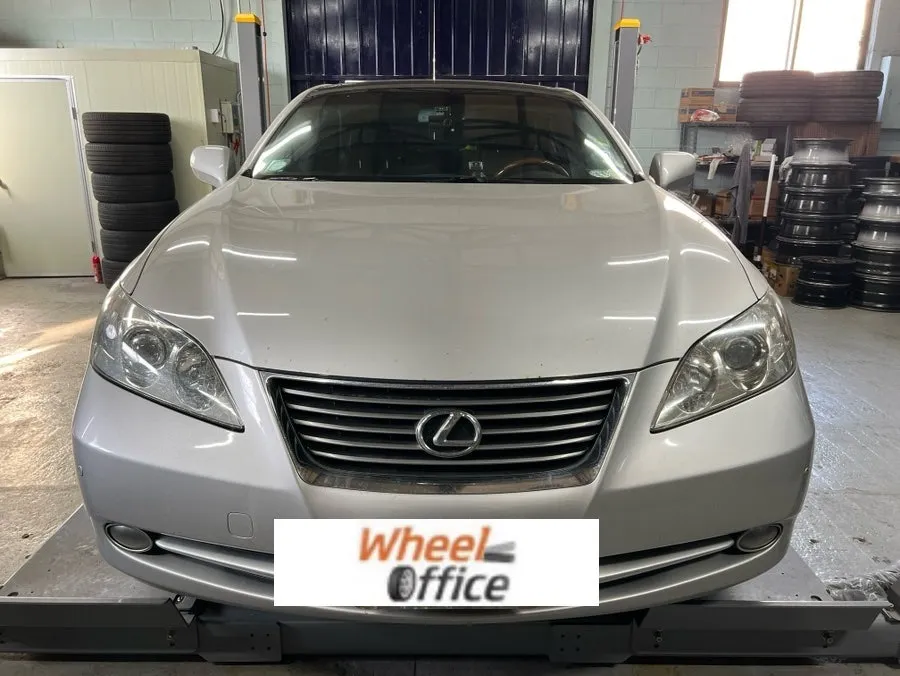
Before
After

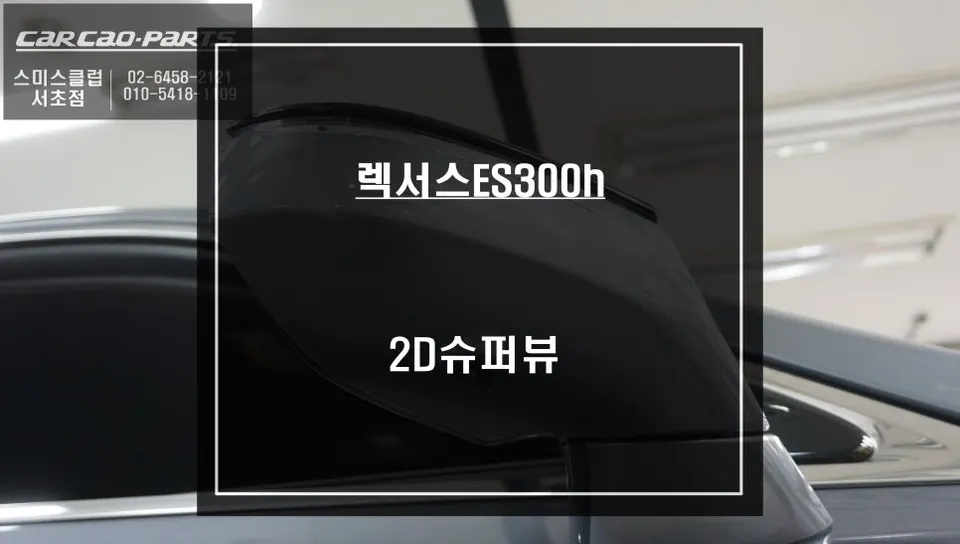
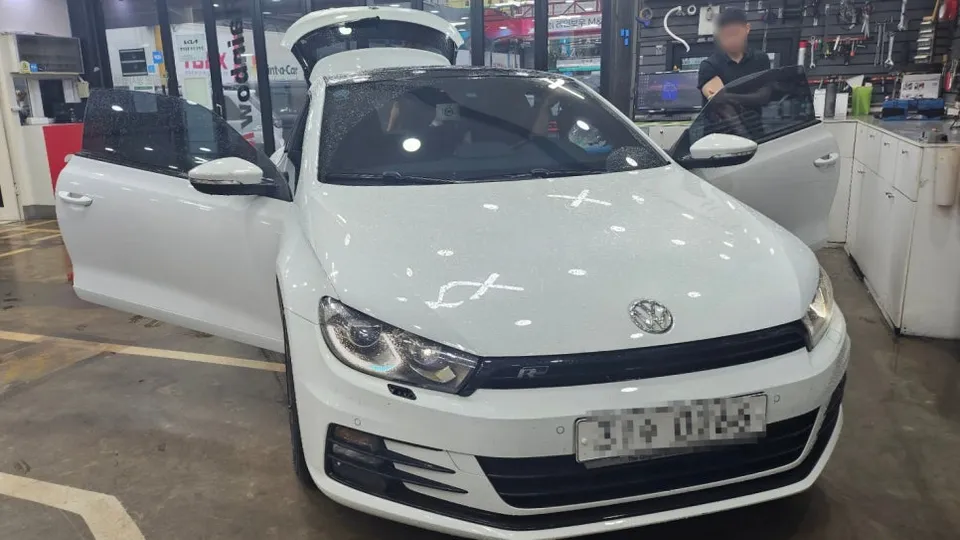
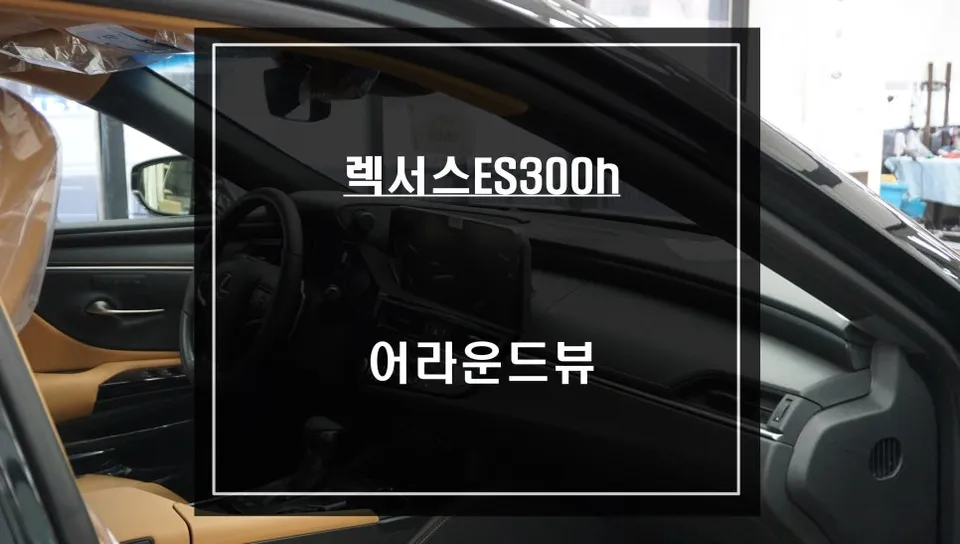
Process photos
Lexus ES Paint Protection Film (PPF) installation offers excellent rock chip protection. Cost varies, but it preserves paint.
Lexus ES Paint Protection Film: A Comprehensive Review
When it comes to protecting your luxury sedan, the Lexus ES, from the daily onslaught of road debris, Paint Protection Film (PPF), often referred to as a clear bra, is a top contender. This review delves into the specifics of PPF installation, its effectiveness for rock chip protection, and whether it's a worthwhile investment for your ES. We'll cover the typical Paint Protection Film cost, the before and after transformation, and its long-term durability.
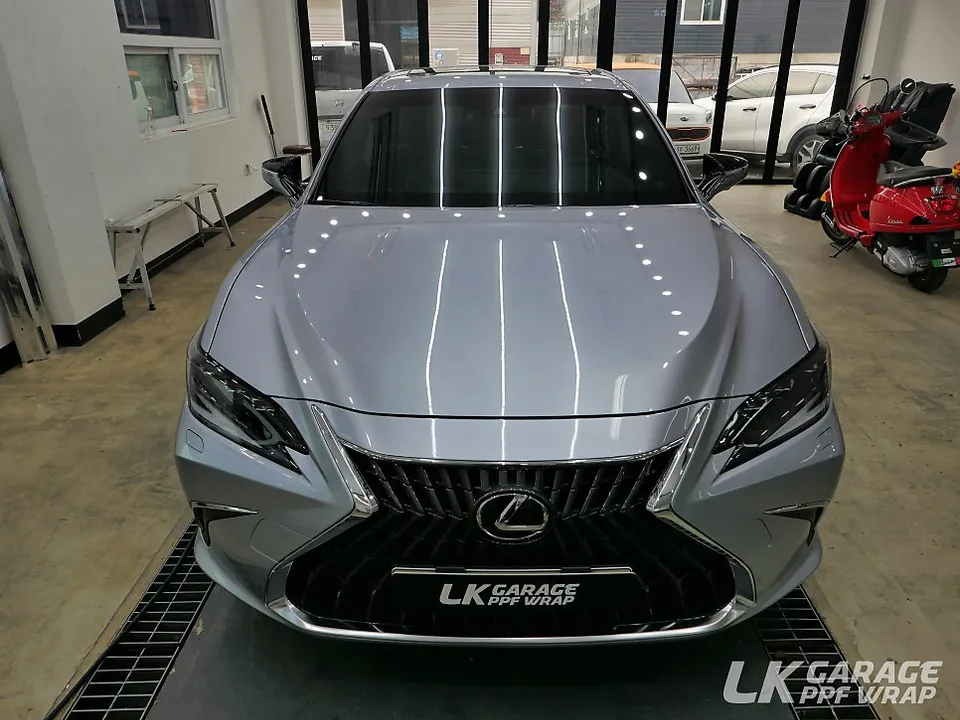
Installation and Materials
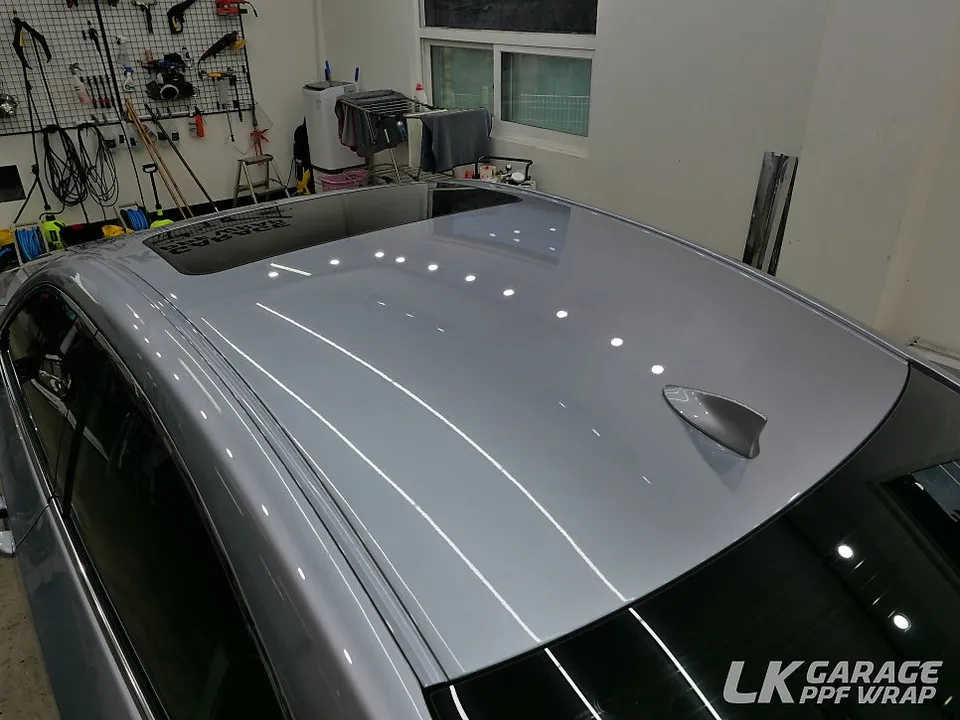
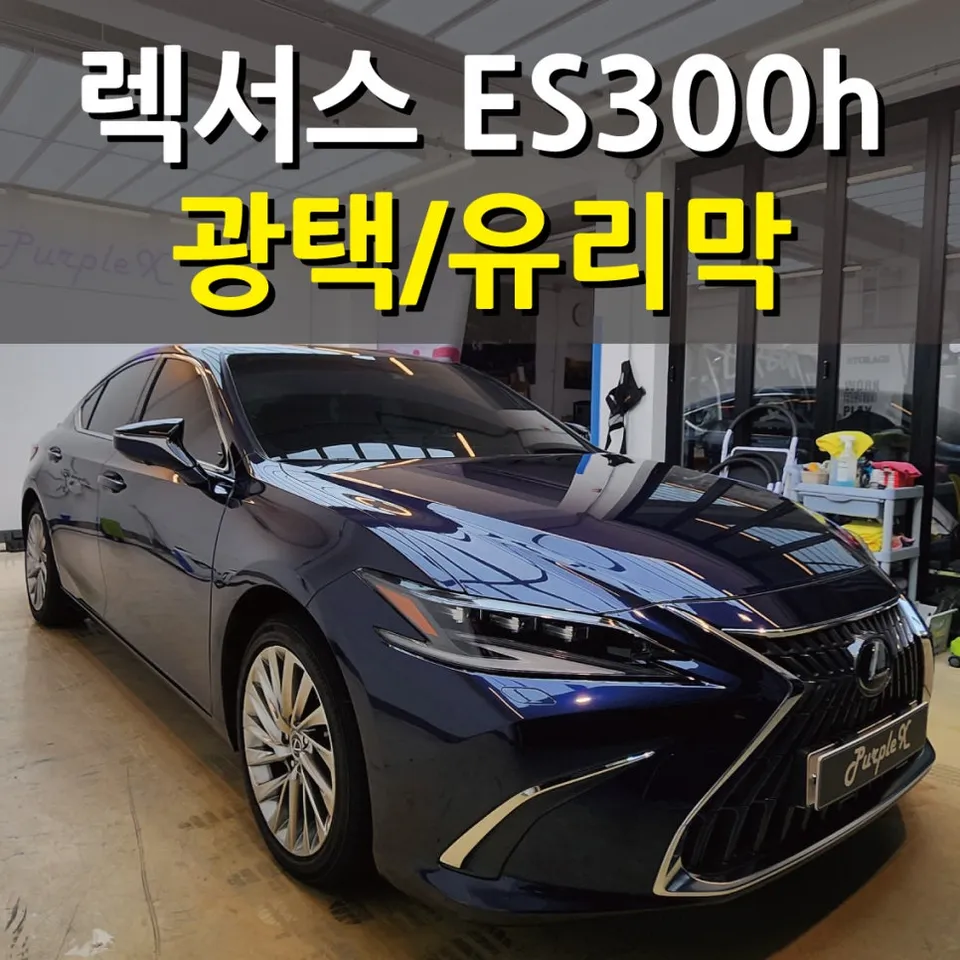
The process of applying PPF requires precision and expertise. For this Lexus ES300h, the chosen material was 3M 2080 gloss black film, specifically for the roof. While this particular application focused on the roof (a 'roof skin' in Korean automotive terms), PPF is commonly applied to the entire vehicle or high-impact areas like the front bumper, hood, and fenders. The installation involves meticulous cleaning and preparation of the surface, followed by careful application of the film, ensuring a seamless finish with no air bubbles or lifting. The goal is to create a virtually invisible layer of protection that maintains the original paint's aesthetic while safeguarding it.
Durability, Maintenance, and Value
Paint Protection Film is designed for longevity, typically lasting several years when properly maintained. Its primary benefit is its ability to absorb the impact of small stones and debris, preventing unsightly scratches and chips. This means your Lexus ES's paintwork remains in pristine condition, preserving its resale value. Maintenance is straightforward; regular washing and waxing are usually sufficient. For owners concerned about the long-term appearance and protection of their vehicle, PPF offers significant peace of mind. The initial Paint Protection Film cost can vary, but the protection it offers against damage often justifies the expense, especially for a premium vehicle like the Lexus ES.
Installation Process:
- Thoroughly clean and decontaminate the vehicle's surface.
- Precisely cut the PPF to fit the specific panels of the Lexus ES.
- Carefully apply the film using specialized tools, ensuring a smooth, bubble-free finish.
- Allow the film to cure properly to achieve maximum adhesion and clarity.
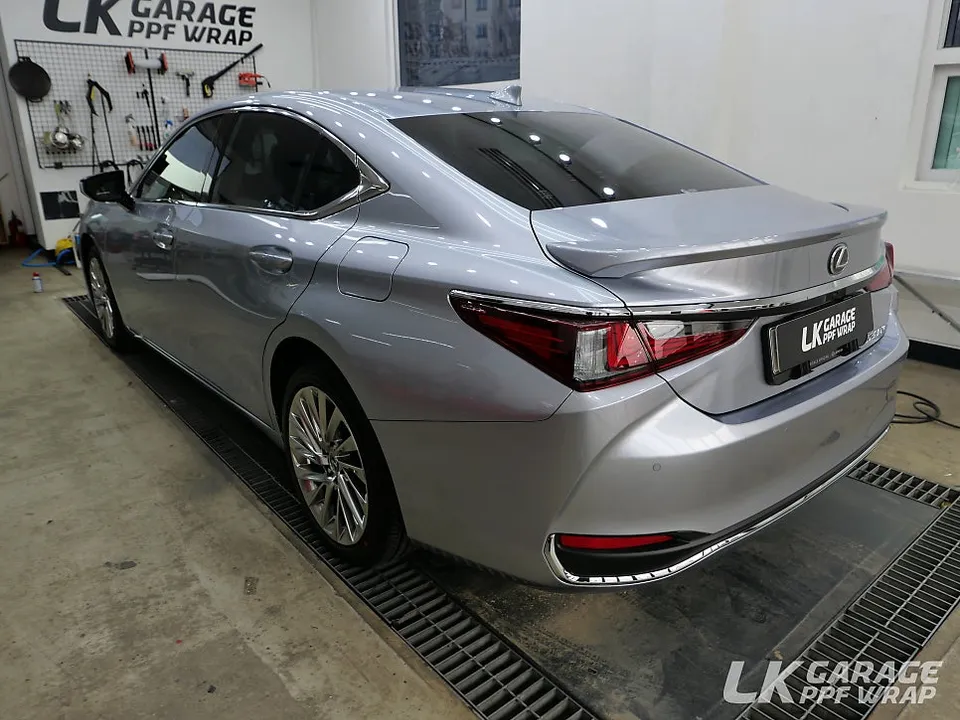
Frequently Asked Questions
Q. How much does PPF cost for a Lexus ES?
The cost for PPF on a Lexus ES can vary significantly based on coverage, but a full front-end application typically ranges from $1,500 to $3,000 in the US. This specific installation in Korea for a roof skin was noted as a cost-effective wrapping option.
Q. How long does PPF last on a Lexus ES?
High-quality PPF can last 5-10 years or even longer with proper care. Regular washing and avoiding harsh chemicals will help maintain its clarity and protective qualities.
Q. Is PPF worth it for a Lexus ES?
PPF is most beneficial for drivers who frequently encounter road debris or want to maintain a flawless finish and high resale value. It provides superior protection against rock chips and scratches compared to other options.
Q. How is PPF installed on a Lexus ES?
Installation involves meticulously cleaning the car's paint, precisely cutting the film to size, and carefully applying it to the surface using squeegees to eliminate air bubbles and ensure a smooth, integrated look. The film then cures to bond with the paint.
Q. What is the difference between PPF and ceramic coating for a Lexus ES?
PPF provides a thick, physical barrier that protects against impact damage like rock chips, while ceramic coating offers a thin, hard layer that enhances gloss and provides hydrophobic properties for easier cleaning. For impact protection, PPF is the superior choice.
OhCar Partner Shop
More ppf Reviews
See all →
More Lexus Reviews
Pair with Another Service
Add hydrophobic protection on top of PPF

Complete your new car protection package