Lexus ES300h Android Head Unit Review — Seamless T-map Integratio
Service Price
$150+
Estimated price · Actual price may vary by shop
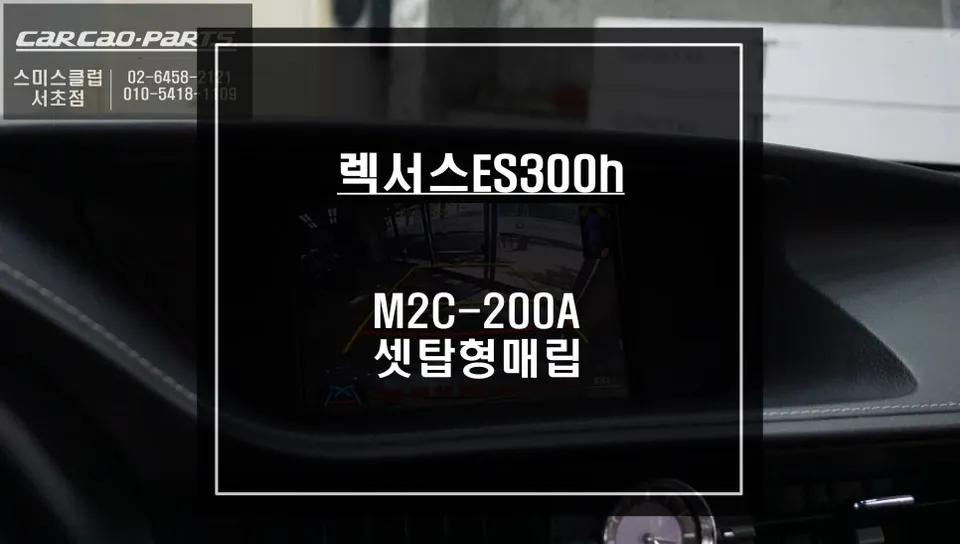
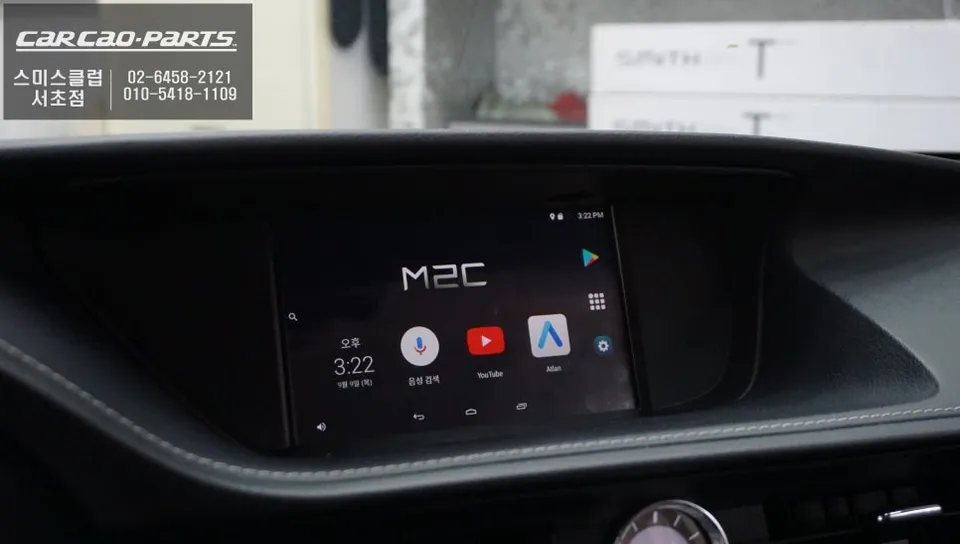
Upgrade Your Lexus ES300h Navigation: Seamless T-Map & Kakao Map Integration
The Lexus ES300h is a luxury sedan, but its factory-installed navigation system often falls short of modern expectations. The traditional jog-wheel control can feel cumbersome compared to the intuitive touch interfaces of smartphone apps like T-Map and Kakao Map. Furthermore, the stock navigation may suffer from slow real-time traffic updates and a lack of cutting-edge navigation technology. For ES300h owners seeking a more connected and user-friendly driving experience, a smart aftermarket navigation upgrade is the ideal solution. This type of upgrade enhances the vehicle's functionality without compromising its premium feel, offering a high return on investment and significant owner satisfaction.
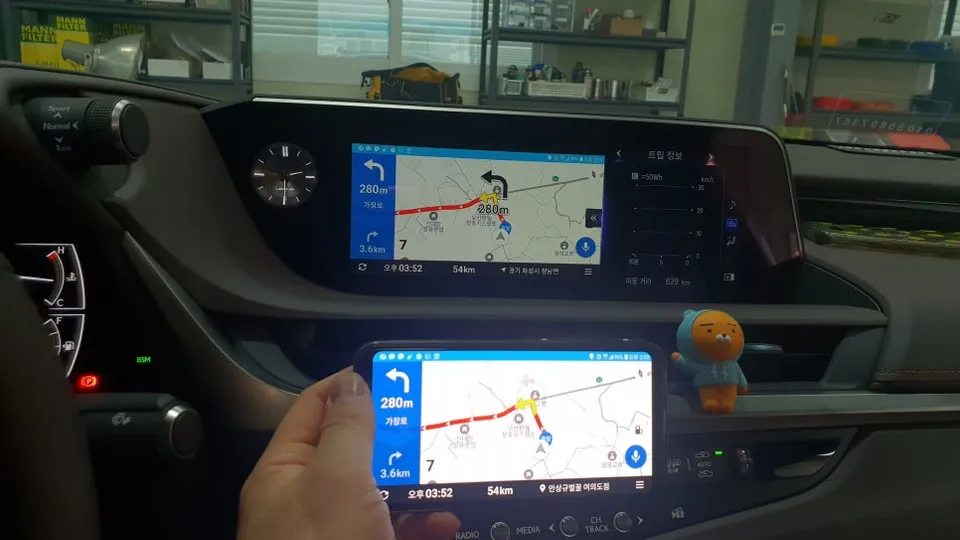
The key to this transformation lies in integrating an Android-based all-in-one system, often referred to as a "set-top box" or "head unit" upgrade. This system overlays a touch-enabled interface onto the existing factory display, effectively bringing the power of smartphone navigation and entertainment directly into your Lexus. The result is a seamless blend of original vehicle functions and advanced digital capabilities, all controlled through a responsive touch screen.
How the Android All-in-One System Works
- Interface Overlay: A specialized touch panel is meticulously installed over the original Lexus display. This panel acts as a digital layer, allowing for touch control without altering the physical screen.
- System Integration: An Android-based set-top box is connected to the vehicle's infotainment system. This box processes the Android interface and routes it through the car's display.
- Seamless Switching: By pressing the original 'MAP' button on the dashboard, the system switches from the native Lexus navigation to the Android interface. All subsequent controls are then managed via touch.
- Audio Synchronization: The system utilizes the car's AUX input to route all audio output—navigation prompts, music, and video sound—through the vehicle's speakers, eliminating the need for separate Bluetooth pairing for audio.
- Connectivity: The Android head unit connects to your smartphone via Wi-Fi, enabling access to the Google Play Store for app downloads and real-time internet connectivity for navigation and streaming services.
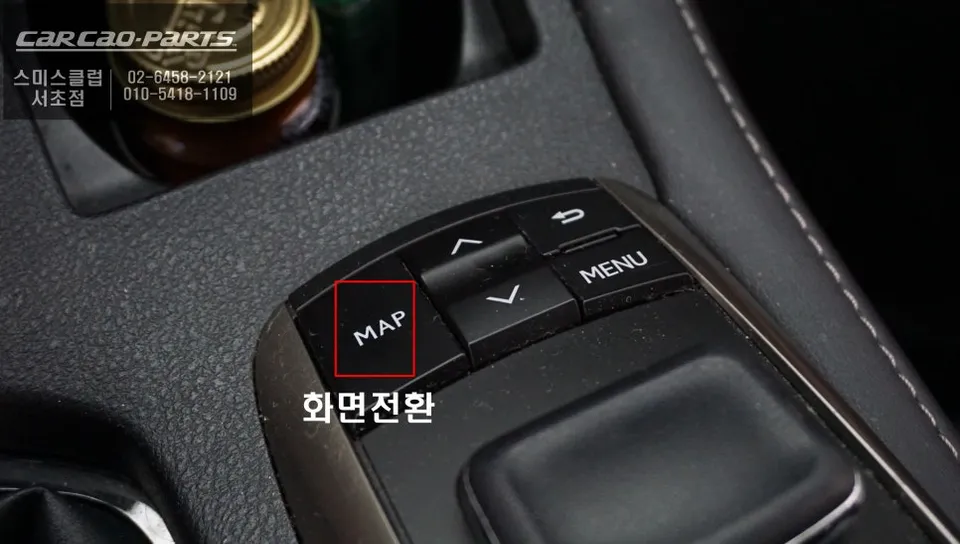
Experience the Benefits: Touch Control, App Access, and Real-Time Navigation
Once installed, the Android all-in-one system transforms the ES300h's infotainment. The most immediate benefit is the introduction of a responsive touch interface. Gone are the days of fiddling with the jog wheel; now, you can tap, swipe, and pinch-zoom just like on your smartphone. This makes navigating menus and inputting destinations significantly faster and more enjoyable.
The true power of this upgrade lies in its ability to run popular smartphone applications directly on the car's screen. You can download and use navigation apps like T-Map and Kakao Map, which offer superior real-time traffic data and more up-to-date routing compared to many factory systems. This means you'll always get the fastest routes and avoid unexpected delays. Beyond navigation, you can also install entertainment apps such as YouTube and Netflix, turning your car into a mobile entertainment hub during downtime. All audio from these apps, as well as navigation voice guidance, is seamlessly channeled through the car's sound system via the AUX connection.
The installation process itself requires precision. It typically involves carefully disassembling the dashboard trim around the monitor, cleaning the original screen surface thoroughly to ensure proper adhesion of the touch panel, and then meticulously aligning and attaching the new touch overlay. Technicians often spend several hours on this part alone to guarantee perfect touch responsiveness and alignment. The cost for this comprehensive upgrade, including the touch panel, set-top box, installation, and setup, generally ranges from approximately 1,200,000 to 1,800,000 Korean won, depending on the specific components and vehicle model complexity.
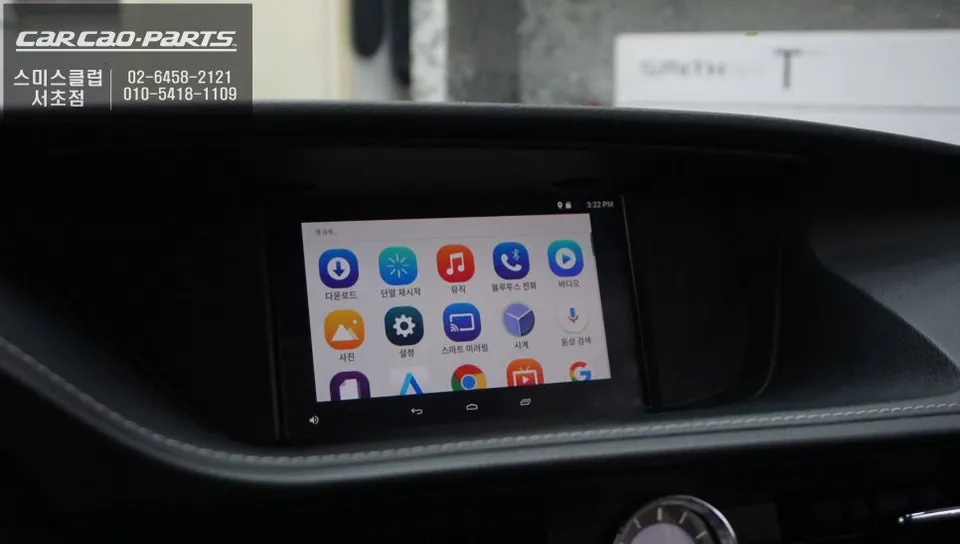
Kakao Parts