Mercedes-Benz E-Class Ceramic Coating Review: Cost & Results
Service Price
$under $40
Estimated price · Actual price may vary by shop
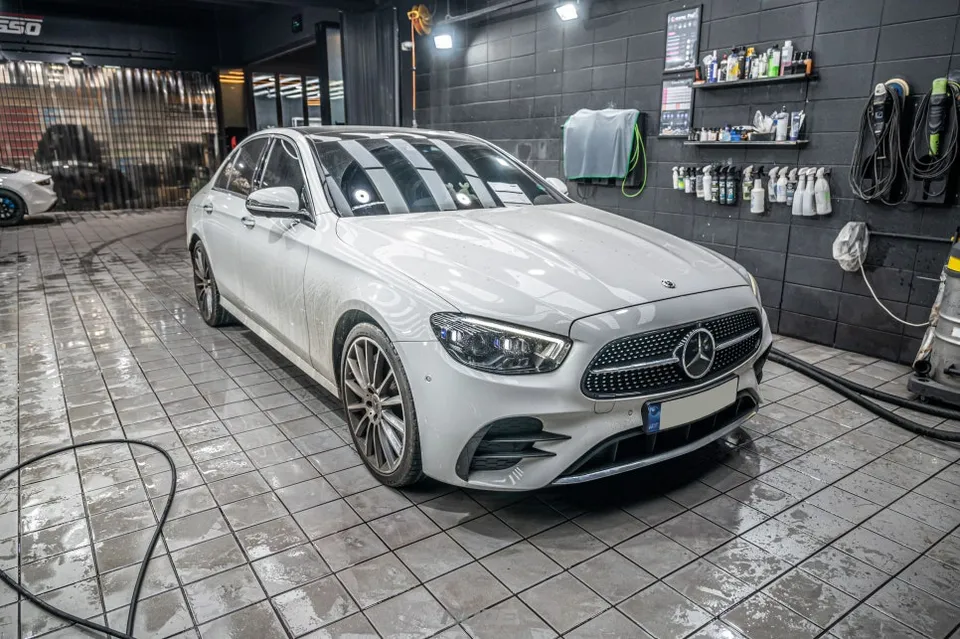
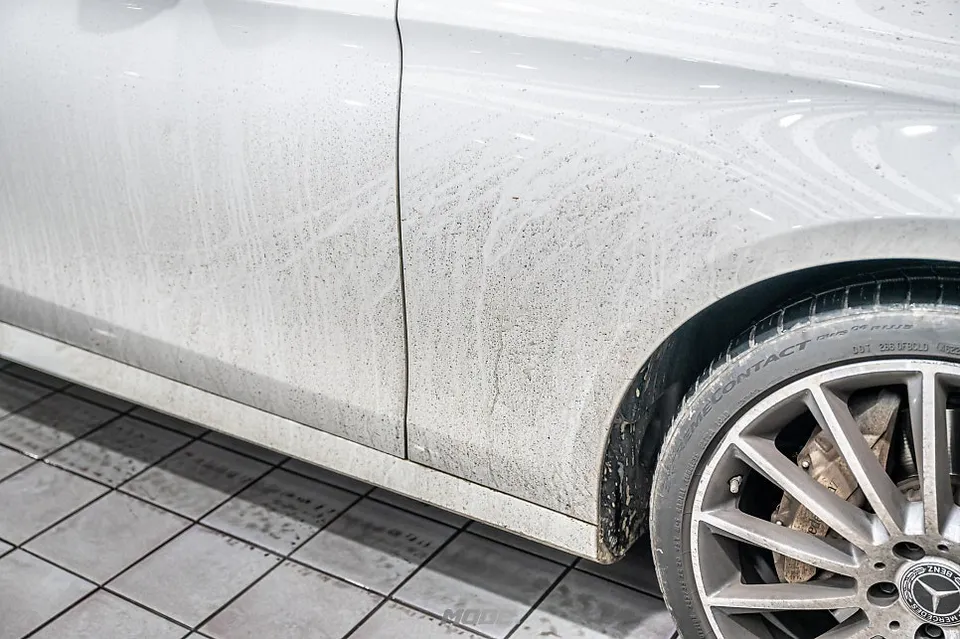
Ceramic coating for Mercedes-Benz E-Class offers superior paint protection and gloss. Costs vary, with Korean services around 200-400K KRW.
Revitalizing Your Mercedes-Benz E-Class with Ceramic Coating
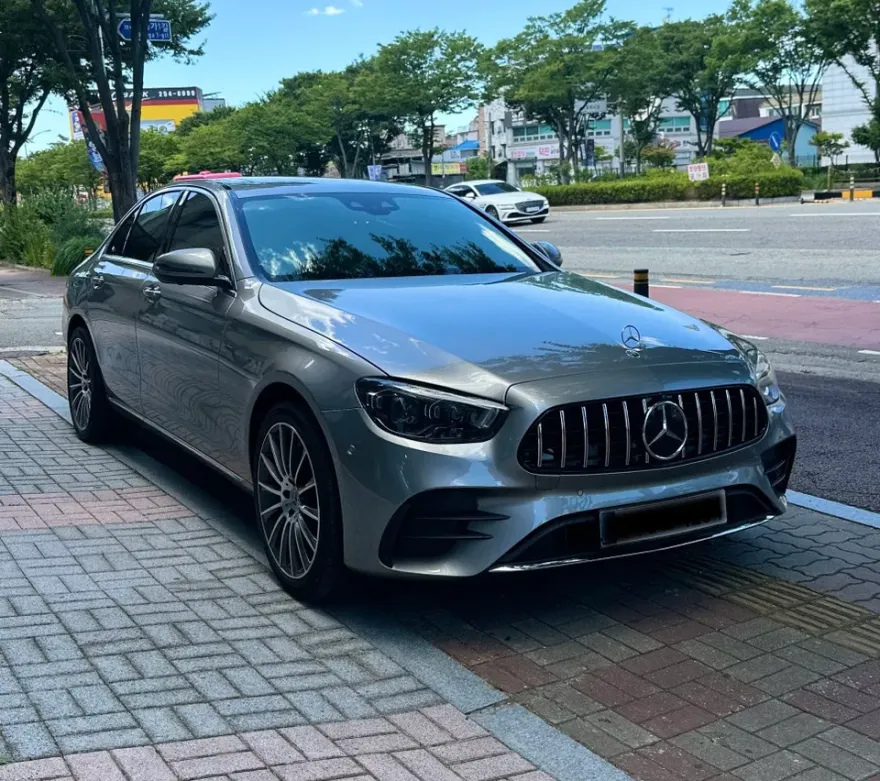
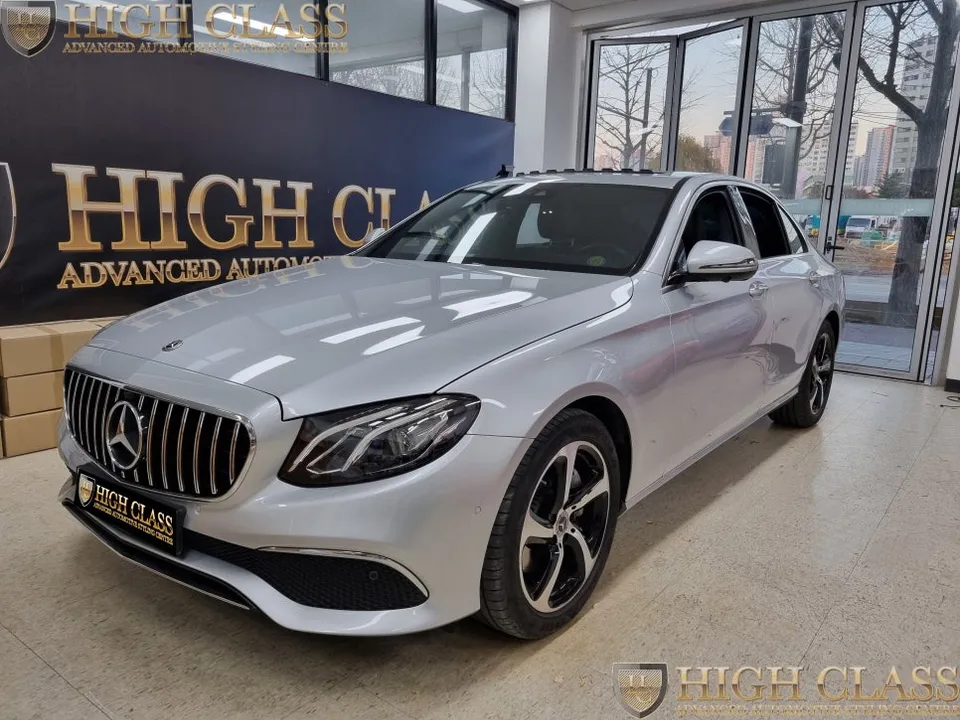
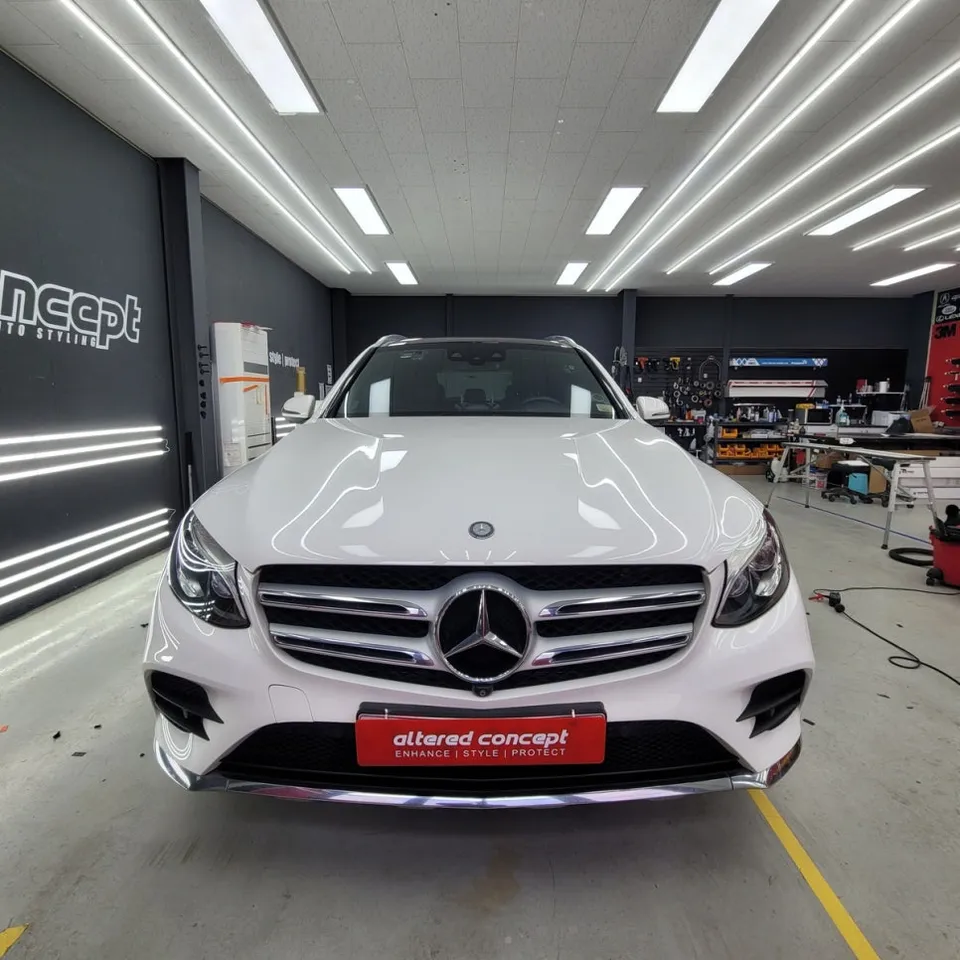
Considering a premium upgrade for your Mercedes-Benz E-Class? A ceramic coating offers a durable, high-gloss finish that goes beyond traditional waxes and sealants. This review delves into the process, expected outcomes, and the value proposition of applying a nano ceramic coating to your luxury sedan. While the original context for this review comes from a detailing service in Bundang, South Korea, the principles and benefits of ceramic coating are universal for discerning car owners.
Understanding Ceramic Coating for Your E-Class
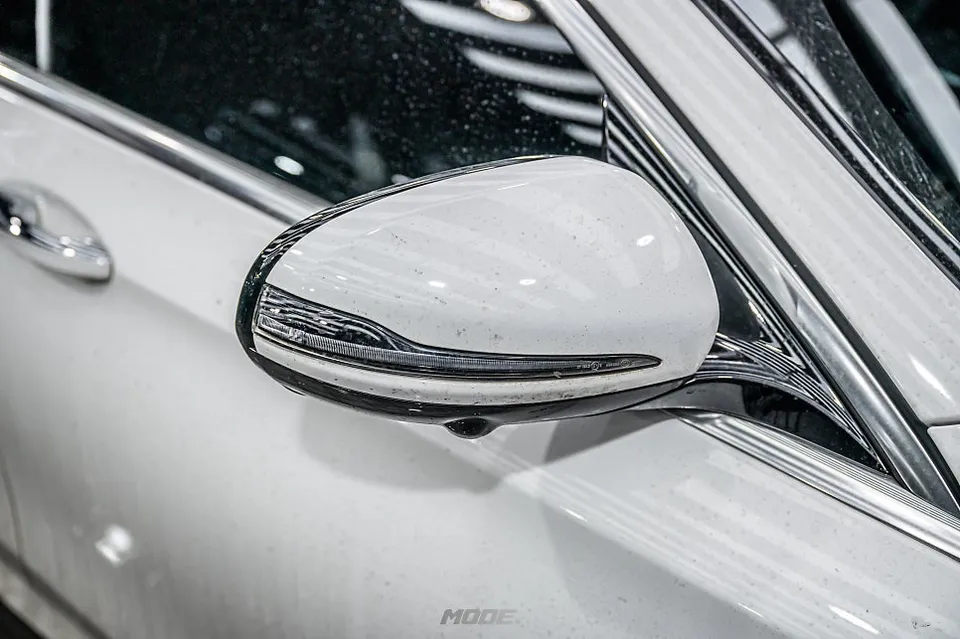
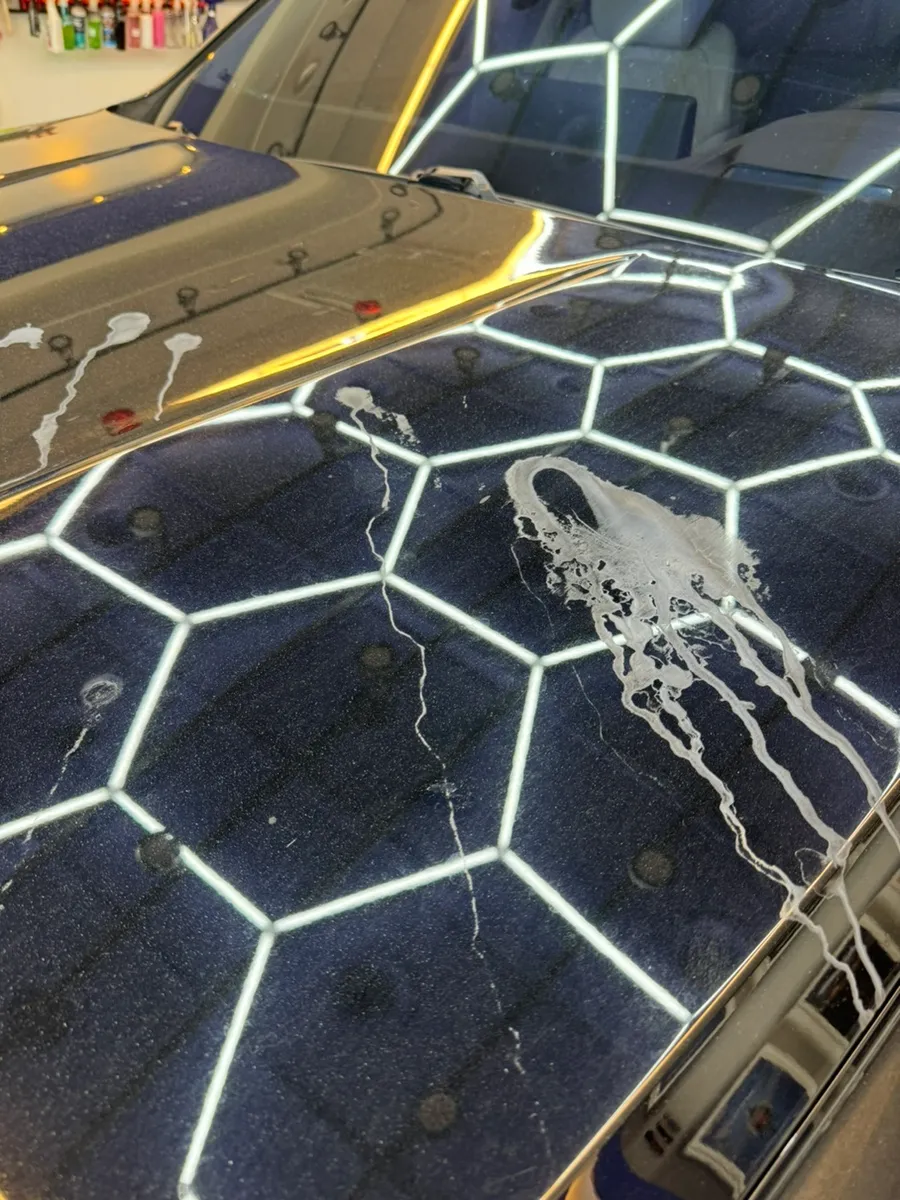
The Mercedes-Benz E-Class, a symbol of automotive elegance, deserves meticulous care. Standard car washes often fail to remove stubborn contaminants like bug splatter, tar, and embedded road grime, which can degrade the paint over time. A professional ceramic coating, often referred to as a nano ceramic coating or hydrophobic coating, acts as a hard, sacrificial layer of protection over your vehicle's clear coat. This paint protection not only enhances gloss but also makes the surface incredibly slick and resistant to environmental hazards. In the Korean context, detailing services for vehicles like the E-Class are popular, with costs typically ranging from 200,000 to 400,000 KRW (approximately $150-$300 USD, depending on exchange rates and specific services). This price reflects the labor-intensive preparation and application process required for a flawless finish.
The Ceramic Coating Installation Process
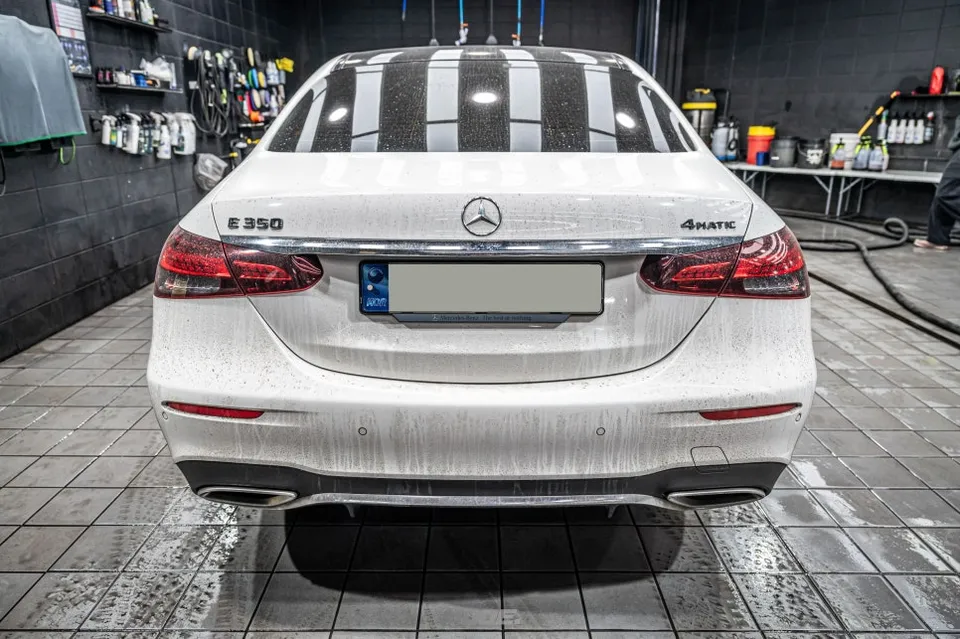
Achieving the full benefits of a ceramic coating requires a thorough and systematic approach. The installation process typically involves several key stages:
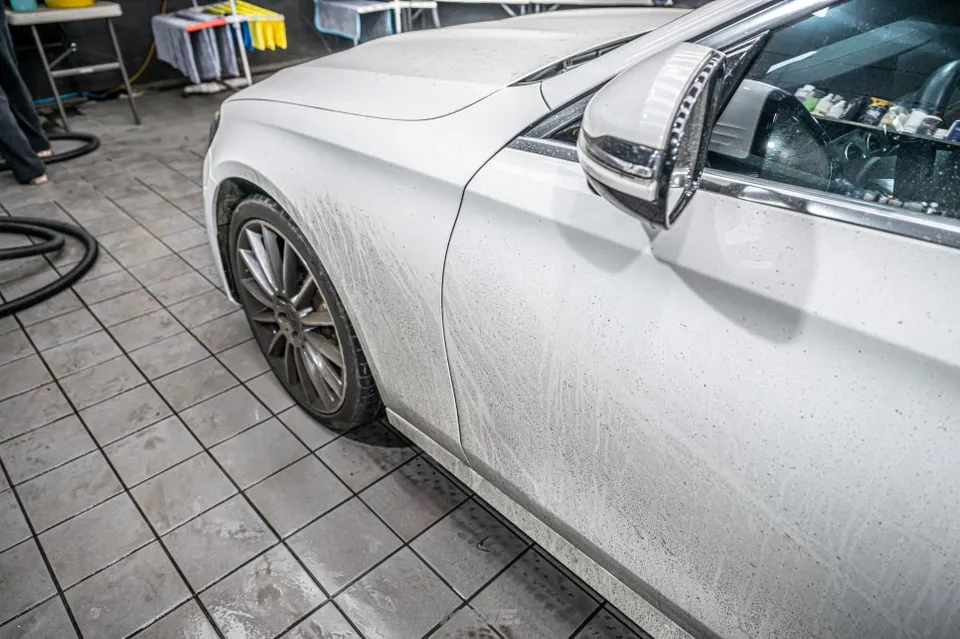
- Deep Cleaning and Decontamination: The vehicle undergoes an intensive pre-wash to loosen and remove loose dirt and debris. This is followed by a meticulous hand wash using high-quality car shampoo. Crucially, the paint surface is then decontaminated using a clay bar or clay mitt to remove bonded contaminants that are invisible to the naked eye. Wheel wells and intricate wheel designs are also thoroughly cleaned.
- Surface Preparation and Polishing: After a complete rinse, the E-Class is meticulously dried using air blowers and plush microfiber towels to prevent water spots. Depending on the paint's condition, paint correction (polishing) may be necessary to remove minor scratches, swirl marks, and imperfections, ensuring a perfectly smooth surface for the coating to adhere to.
- Ceramic Coating Application: The chosen ceramic coating product, a liquid polymer, is carefully applied panel by panel using specialized applicators. This requires precision and even pressure to ensure uniform coverage.
- Curing and Inspection: The coating is allowed to cure, forming a hard, glass-like layer. During the curing process, environmental factors like humidity and temperature are critical. A final inspection ensures no high spots or imperfections remain, and the vehicle is often recommended to stay dry for a specified period (typically 24-48 hours) to allow the coating to fully harden.
Post-application, the results are striking. The E-Class will exhibit a dramatically enhanced gloss, a deep, rich color, and a super hydrophobic surface that repels water and dirt, making future washes significantly easier. This advanced paint protection is designed for longevity, often lasting several years with proper maintenance, far exceeding the lifespan of traditional car waxes or paint sealants.
Is Ceramic Coating Worth It for Your E-Class?
The decision to invest in a ceramic coating for your Mercedes-Benz E-Class hinges on your priorities. If you seek superior, long-lasting paint protection, a brilliant shine that rivals a new car finish, and a vehicle that is easier to maintain, then the cost is likely justified. The hydrophobic properties mean dirt and grime have a harder time adhering, and water beads up and rolls off, taking contaminants with it. This translates to less frequent and less intensive washing. While the initial ceramic cost can be higher than a traditional wax or sealant, the extended durability and protection offered by a nano ceramic coating provide significant long-term value. Proper maintenance, including regular washing with pH-neutral soaps and avoiding abrasive cleaning methods, will ensure the coating performs optimally for years to come.
Frequently Asked Questions
Q. How much does ceramic coating cost for a Mercedes-Benz E-Class?
In Korea, ceramic coating for a Mercedes-Benz E-Class typically ranges from 200,000 to 400,000 KRW. In the US, professional ceramic coating services for a luxury sedan like the E-Class can range from $800 to $2,000 or more, depending on the installer and the specific product used.
Q. How long does ceramic coating last on a Mercedes-Benz E-Class?
A professionally applied ceramic coating can last for several years, often 3-5 years or even longer, depending on the product quality and maintenance. Regular washing with pH-neutral soaps and avoiding abrasive cleaners will help maximize its lifespan.
Q. Is ceramic coating better than wax for a Mercedes-Benz E-Class?
Ceramic coating offers significantly longer-lasting protection and a harder, more durable finish compared to traditional car wax or paint sealants. It's ideal for owners who prioritize superior, long-term paint protection and ease of maintenance over the temporary shine of wax.
Q. How is ceramic coating applied to a Mercedes-Benz E-Class?
Application involves meticulous paint decontamination and preparation, followed by the careful application of a liquid polymer coating using an applicator pad. The coating then cures to form a hard, protective layer over the vehicle's paint.
Q. What is the difference between ceramic coating and PPF for a Mercedes-Benz E-Class?
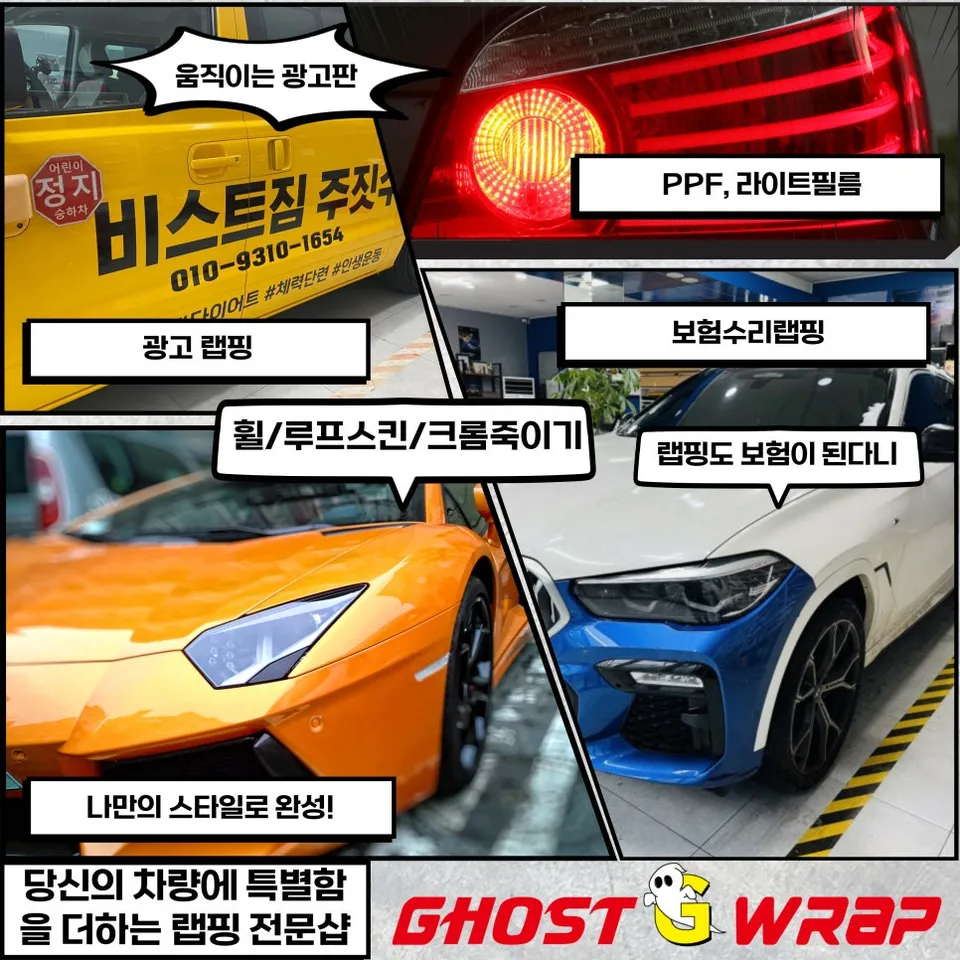
Ceramic coating provides chemical resistance and hydrophobic properties for gloss and ease of cleaning, while Paint Protection Film (PPF) is a thicker, clear urethane film primarily designed to protect against physical impact like stone chips and scratches. For comprehensive protection, many owners opt for ceramic coating over PPF or a combination of both.
OhCar Partner Shop
More ceramic coating Reviews
See all →
More Mercedes-Benz Reviews
Pair with Another Service
Add physical chip protection before coating