Mercedes-Benz E-Class W213 OEM Options Review
Service Price
$approx. $1,150–1,500
Estimated price · Actual price may vary by shop
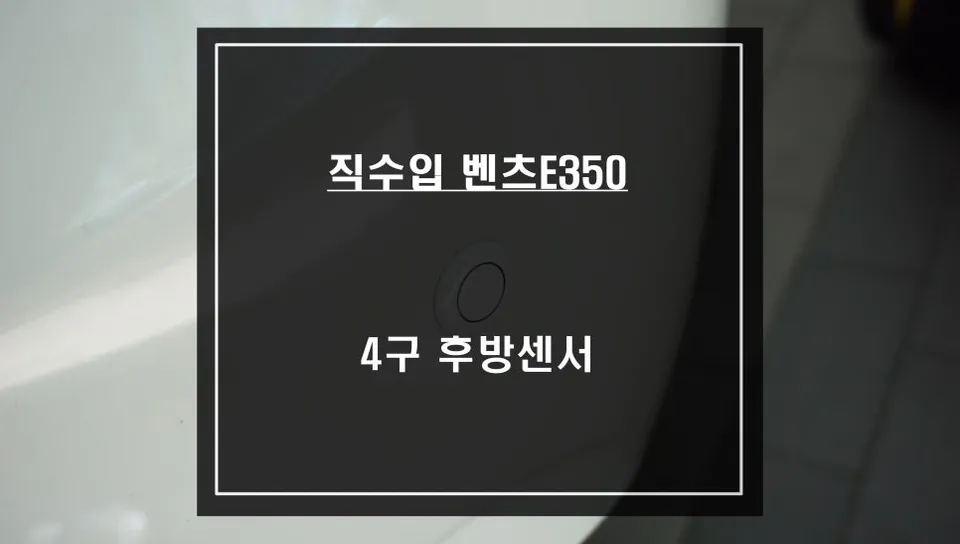
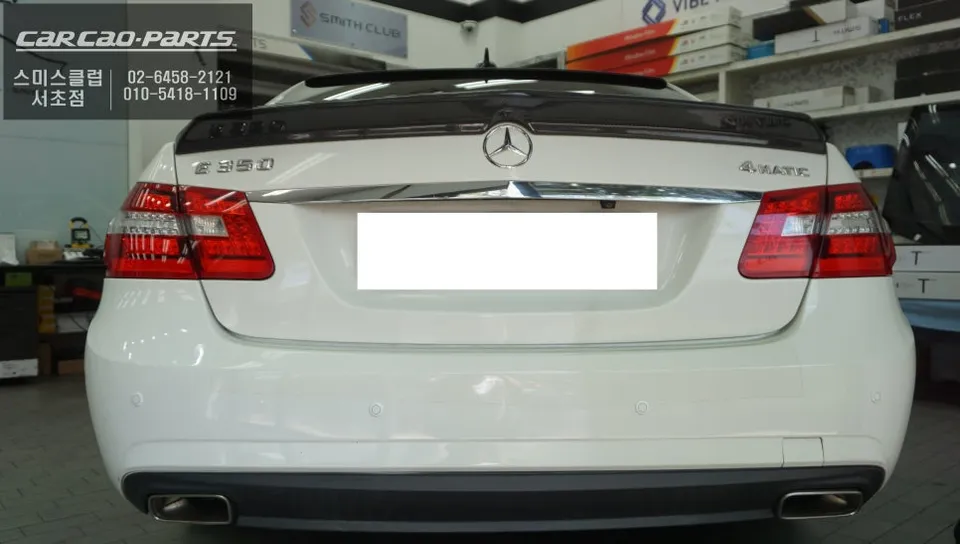
Mercedes-Benz E-Class W213 rear sensor retrofit: Approx. $600-$1100 USD. Enhances parking safety with audible and visual alerts.
Why Your Mercedes-Benz E-Class W213 Might Need OEM Options
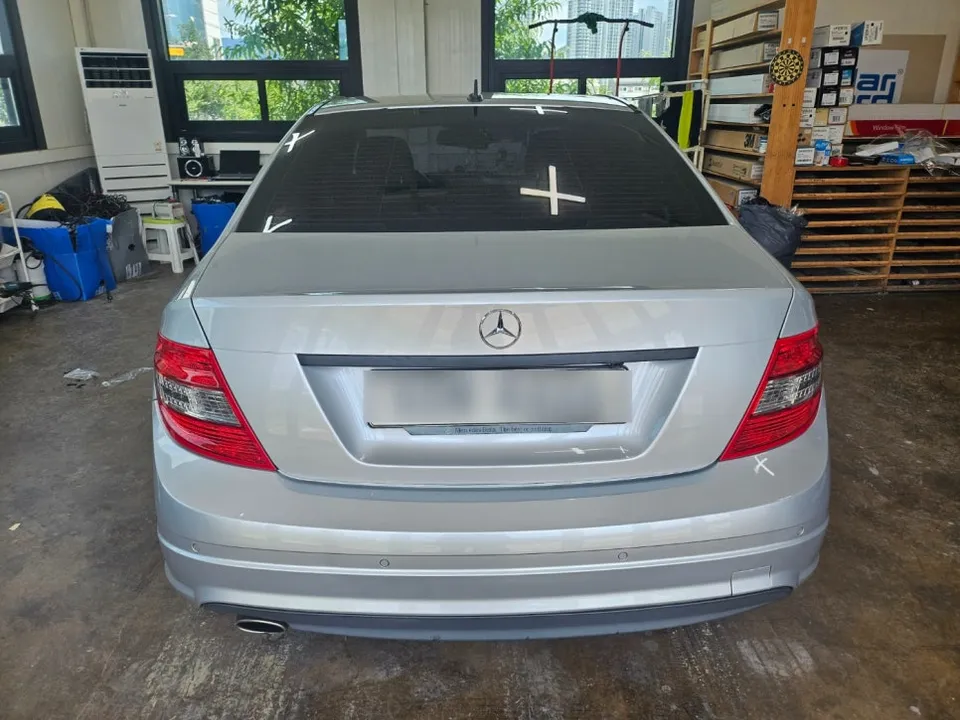
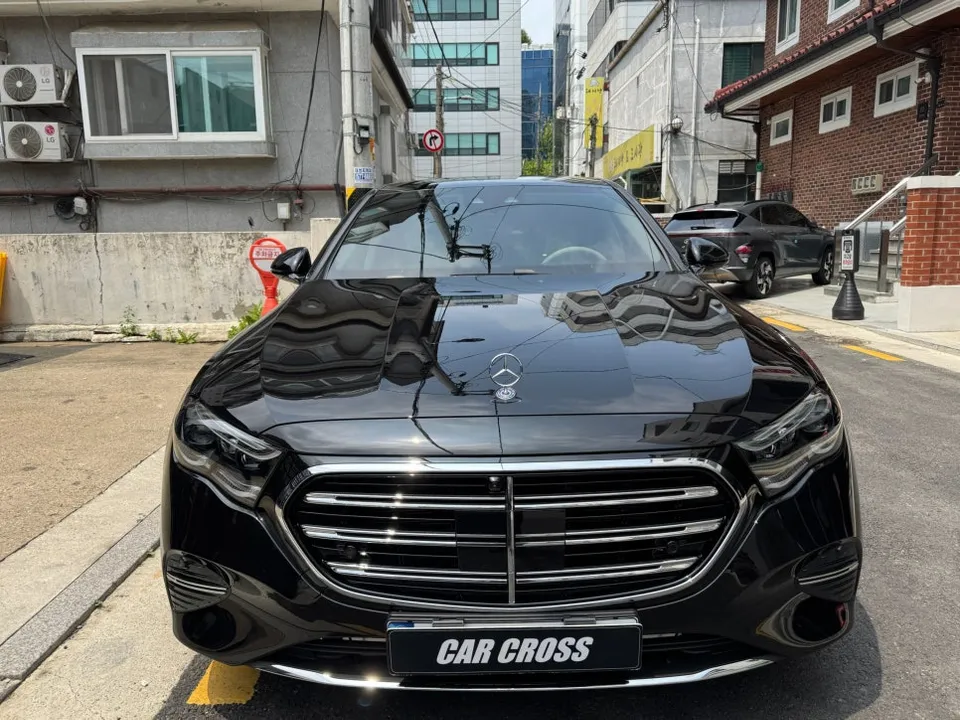
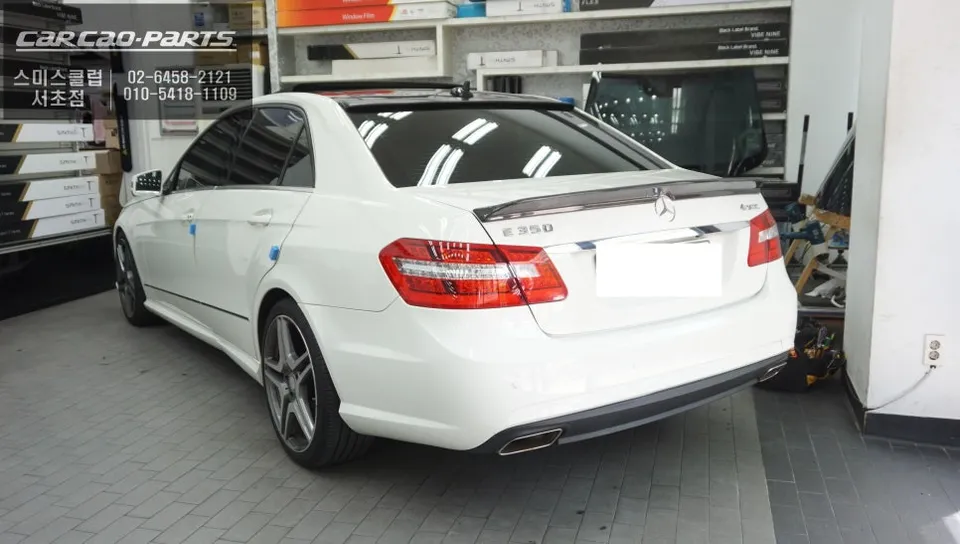
Many modern vehicles come equipped with advanced safety and convenience features as standard. However, some imported cars, or even older models like certain Mercedes-Benz E-Class W213 variants, might lack essential functions. For owners of an E350 imported directly, a primary concern often revolves around parking safety. Maneuvering in tight urban spaces or narrow parking lots can be stressful when you can't reliably detect rear obstacles. This is precisely why one customer visited the Seocho branch of O-Jeul Car to have a 4-point rear sensor system installed as an OEM option retrofit.
How Rear Parking Sensors Work
The principle behind parking sensors is straightforward yet highly effective. When the vehicle is shifted into reverse (R), the sensors embedded in the rear bumper activate. They use ultrasonic waves to measure the distance to nearby obstacles. As the vehicle gets closer to an object, the audible warning tone increases in frequency, providing a clear indication of proximity without requiring the driver to visually confirm. This tiered alert system allows drivers to gauge the distance to obstacles even without direct line of sight.
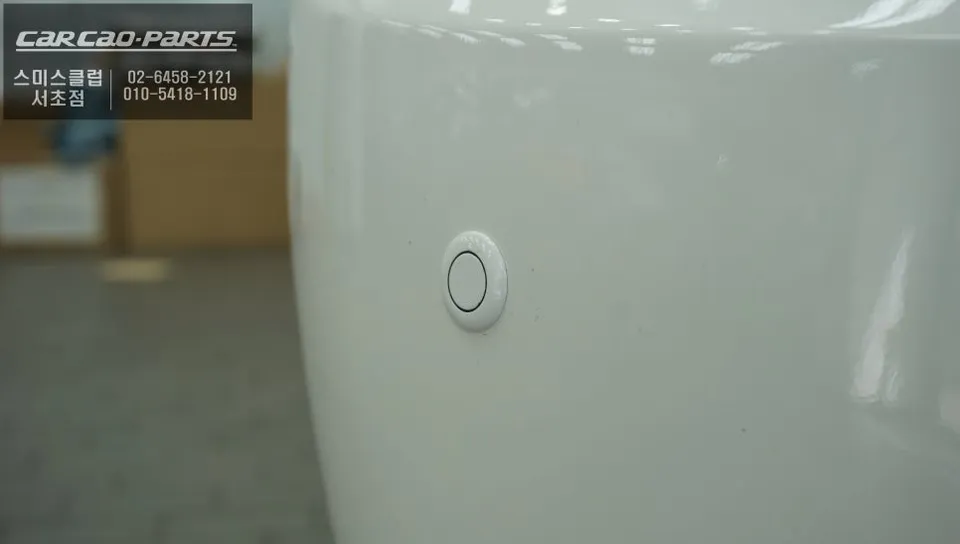
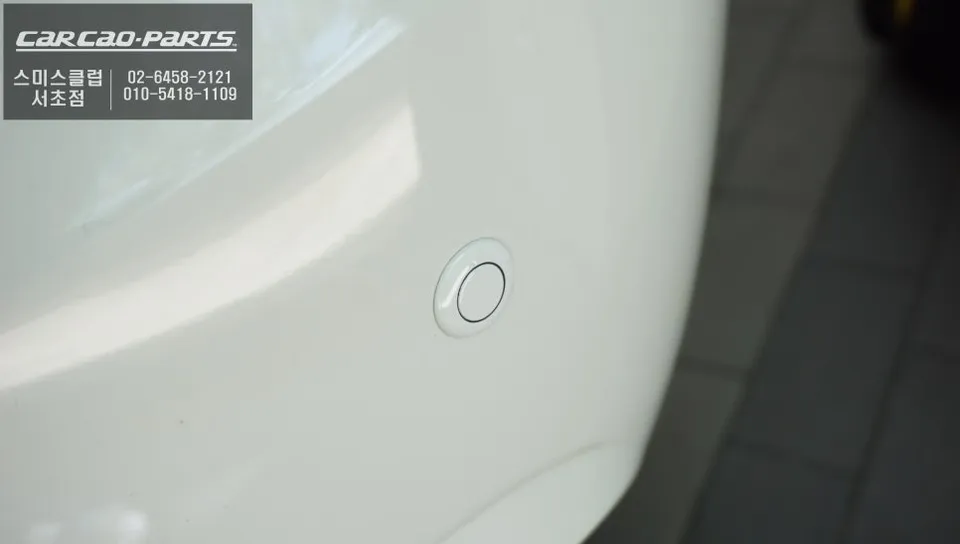
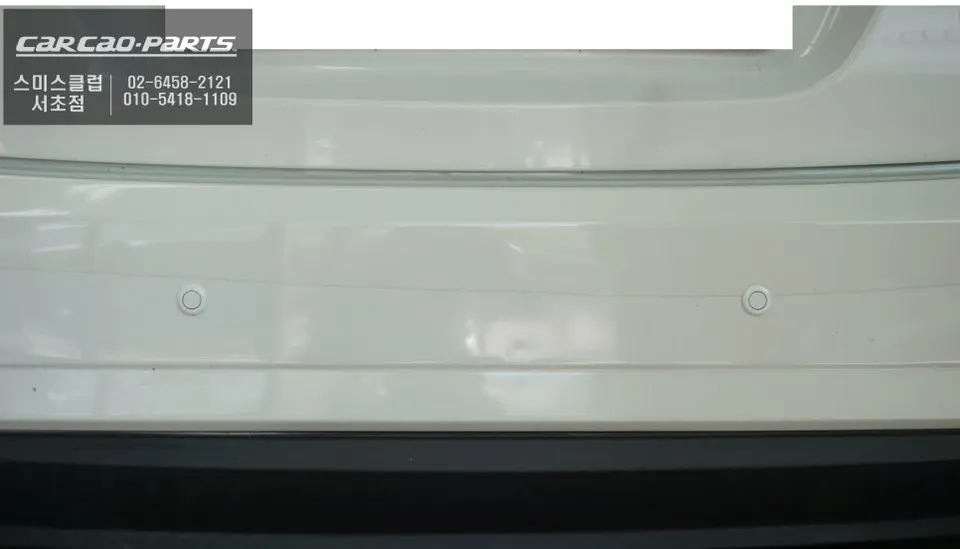
In the case of the Mercedes-Benz E-Class W213, the sensors are discreetly integrated into the lower section of the rear bumper. Proper sensor placement is critical; it requires careful consideration of the vehicle's structure to maximize detection efficiency. The O-Jeul Car Seocho branch selected sensors that matched the E350's original paint color, precisely drilling and embedding them for a factory-like finish.
OEM Options Installation Process
The installation of rear parking sensors typically involves three main stages:
- Positioning and Drilling: The first step is determining the optimal placement for the four sensors on the rear bumper and then precisely drilling the necessary holes. This stage demands expertise, as it requires consideration of the bumper's structural integrity and the routing of internal wiring specific to the vehicle model.
- Sensor Mounting and Sealing: Once the holes are drilled, the sensor units are inserted and secured. Waterproofing is applied to protect the sensors from the elements. Ensuring the correct angle for each sensor is crucial for accurate distance measurement. For aesthetic appeal, sensors can be painted to match the vehicle's color, or pre-colored sensors can be chosen.
- Wiring and Display Integration: The final stage involves connecting the sensors to the vehicle's electrical system. This connection is typically linked to the reverse light (R) so the system activates automatically. In this installation, a display unit was mounted above the rearview mirror. Positioning the display within the driver's natural line of sight while reversing enhances both safety and convenience.
The Impact of Installing OEM Options
Following the installation, the most significant benefit for the customer was the elimination of parking anxiety. Previously, parking in tight spots might have involved leaning out the window or making multiple adjustments. Now, the audible alerts provide a clear sense of distance, proving especially valuable during nighttime parking or in low-visibility conditions. The real-time distance information displayed on the screen further enhances peace of mind and precision. The customer expressed great satisfaction, noting it was the most comfortable parking experience they'd had.
Cost and Timeframe
The cost for a 4-point rear sensor retrofit on a Mercedes-Benz E-Class W213 can vary based on the quality of the parts and the complexity of the installation. While specific pricing for this Mercedes-Benz E350 installation wasn't detailed beyond the general range, similar retrofits in Korea can range from 400,000 to 800,000 KRW for standard domestic vehicles, and upwards of 800,000 to 1,500,000 KRW (approximately $600-$1100 USD) for premium imported cars like Mercedes-Benz. The exact quote is determined after a vehicle inspection due to variations in rear bumper structures across different models. The installation itself typically takes a few hours to complete.
Frequently Asked Questions
Q. How much does OEM option and factory upgrade installation cost for a Mercedes-Benz E-Class W213?
For a Mercedes-Benz E-Class W213, OEM rear sensor retrofits typically range from approximately $600 to $1100 USD, depending on the specific parts and installation complexity. The exact cost is determined after a vehicle inspection.
Q. How long does OEM options installation take on a Mercedes-Benz E-Class W213?
The installation of OEM parking sensors on a Mercedes-Benz E-Class W213 usually takes a few hours to complete. These sensors are designed for long-term durability, and basic maintenance involves keeping the sensor surfaces clean.
Q. Are OEM options worth adding after purchase for a Mercedes-Benz E-Class W213?
Adding OEM parking sensors is highly recommended for Mercedes-Benz E-Class W213 owners who frequently navigate tight spaces or desire enhanced parking safety. The value lies in significantly reducing the risk of low-speed collisions and increasing parking confidence.
Q. How are OEM factory options installed on a Mercedes-Benz E-Class W213?
OEM factory options like rear parking sensors are installed by first precisely drilling holes in the rear bumper for the sensors. Then, the sensors are mounted, sealed for weather protection, and wired into the vehicle's electrical system, often linked to the reverse lights, with a display unit typically mounted for visibility.
Q. What is the difference between dealer-installed options and aftermarket upgrades for a Mercedes-Benz E-Class W213?
Dealer-installed OEM options are designed and integrated by the manufacturer, ensuring perfect compatibility and maintaining vehicle warranty, whereas aftermarket upgrades are made by third-party companies and may vary in quality and integration.
Kakao Parts