Mercedes-Benz S-Class Body Kit Review: S65 AMG Conversion Cost
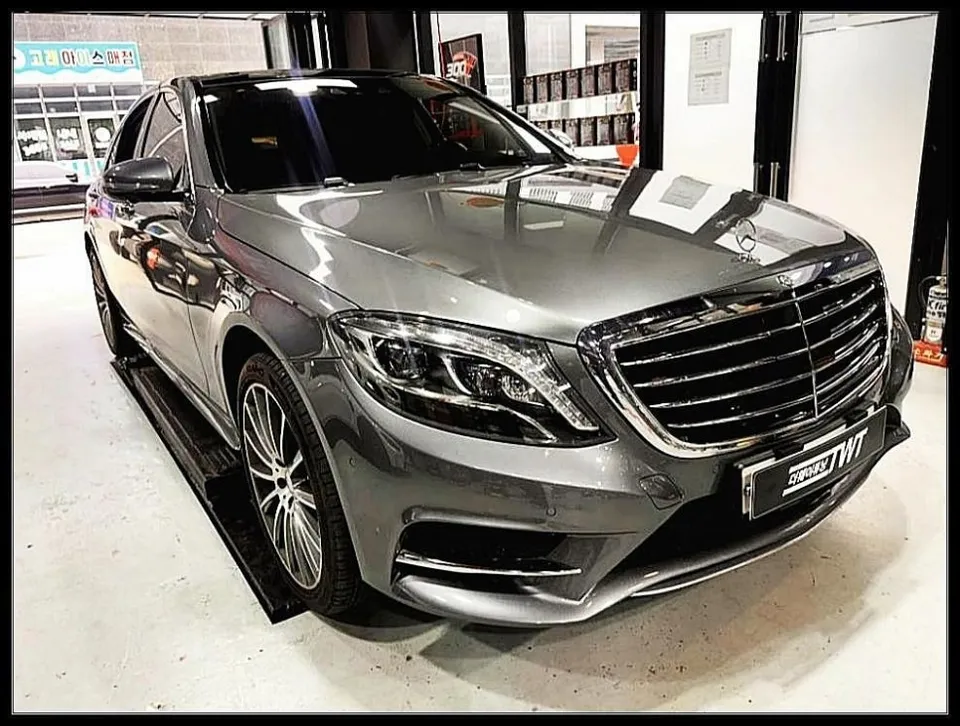
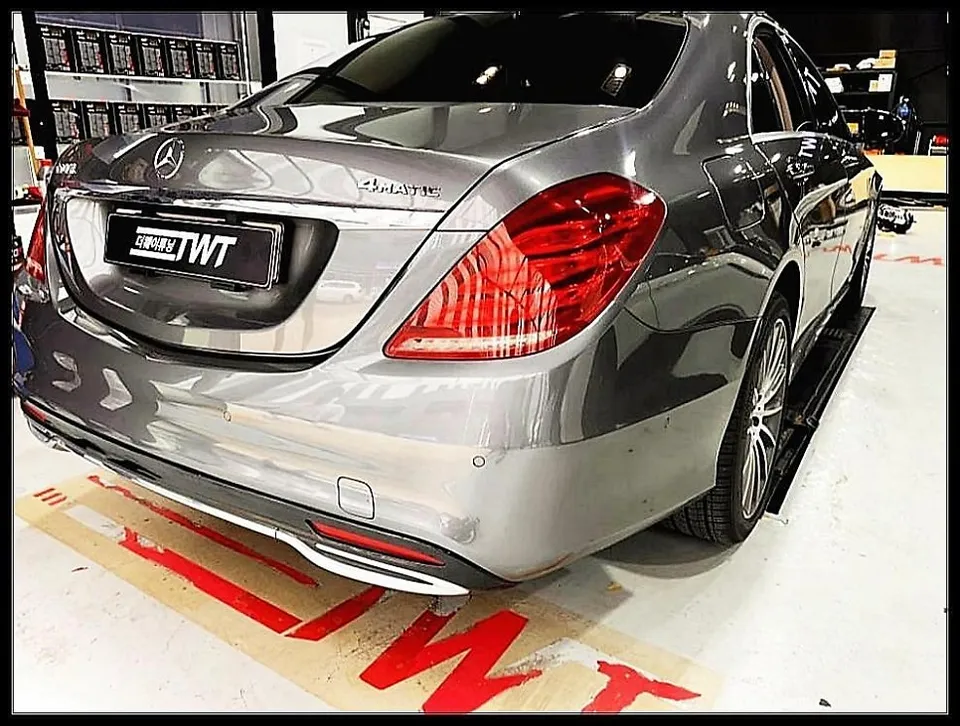
Mercedes-Benz S-Class W222 S65 AMG conversion: Cost varies, but results in a striking visual upgrade. Includes body kit and steering wheel replacement
Mercedes-Benz S-Class W222 S65 AMG Conversion
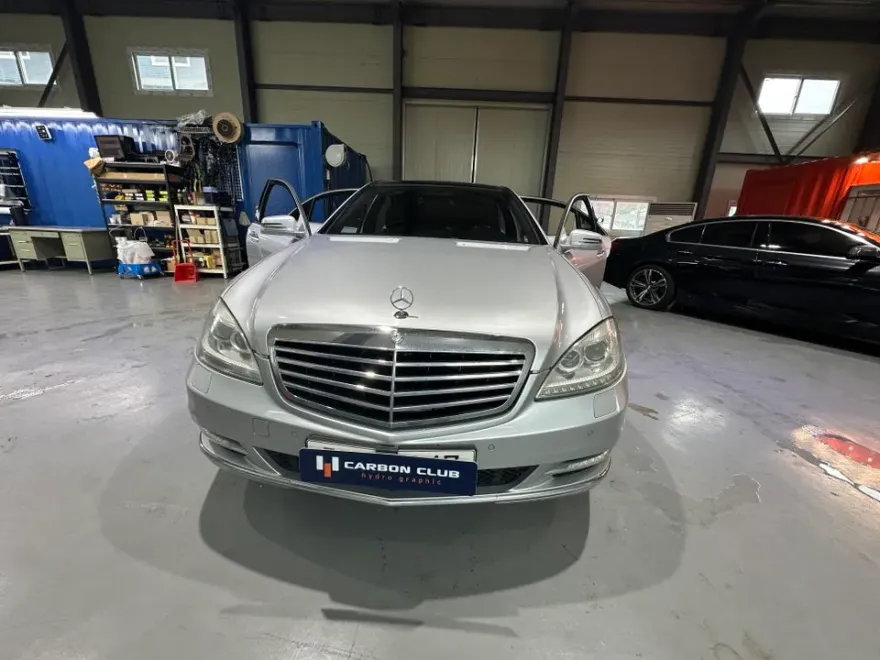
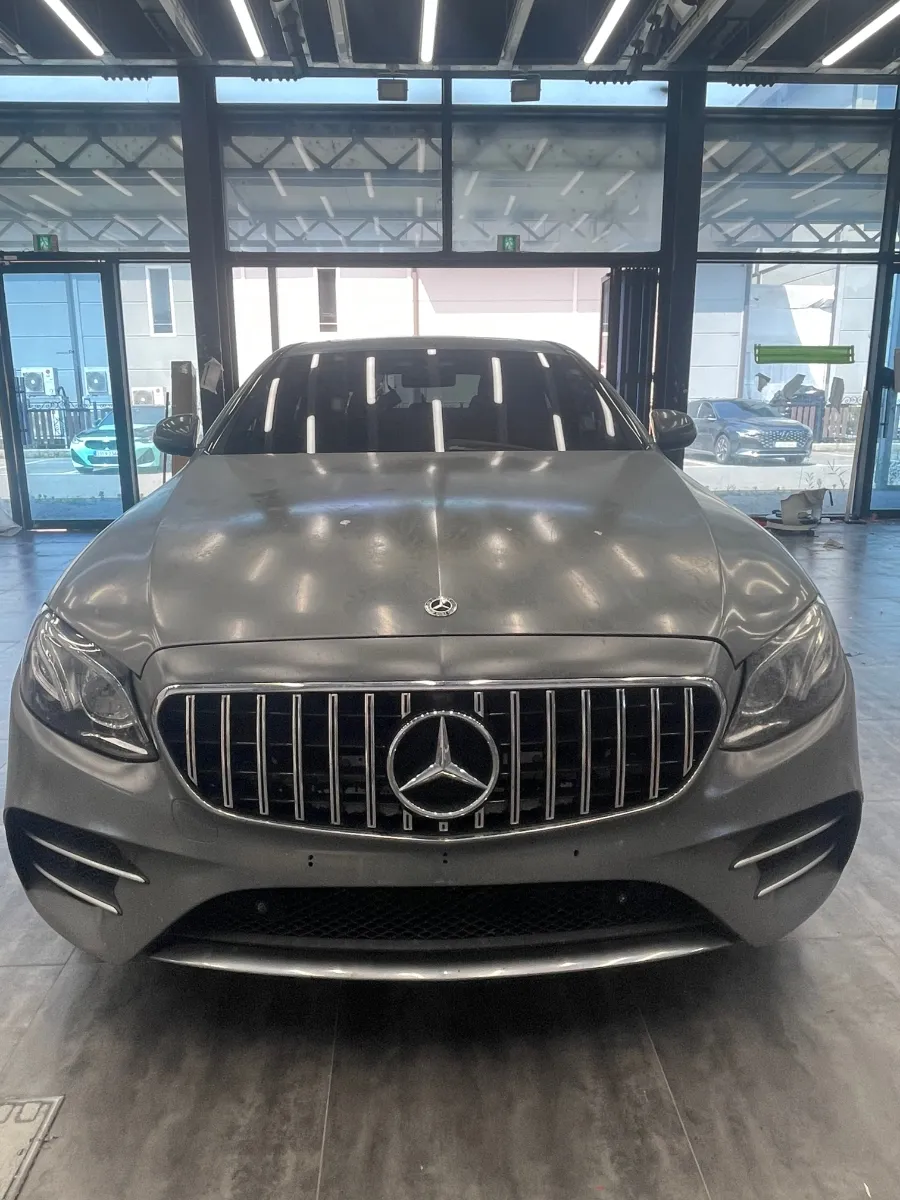
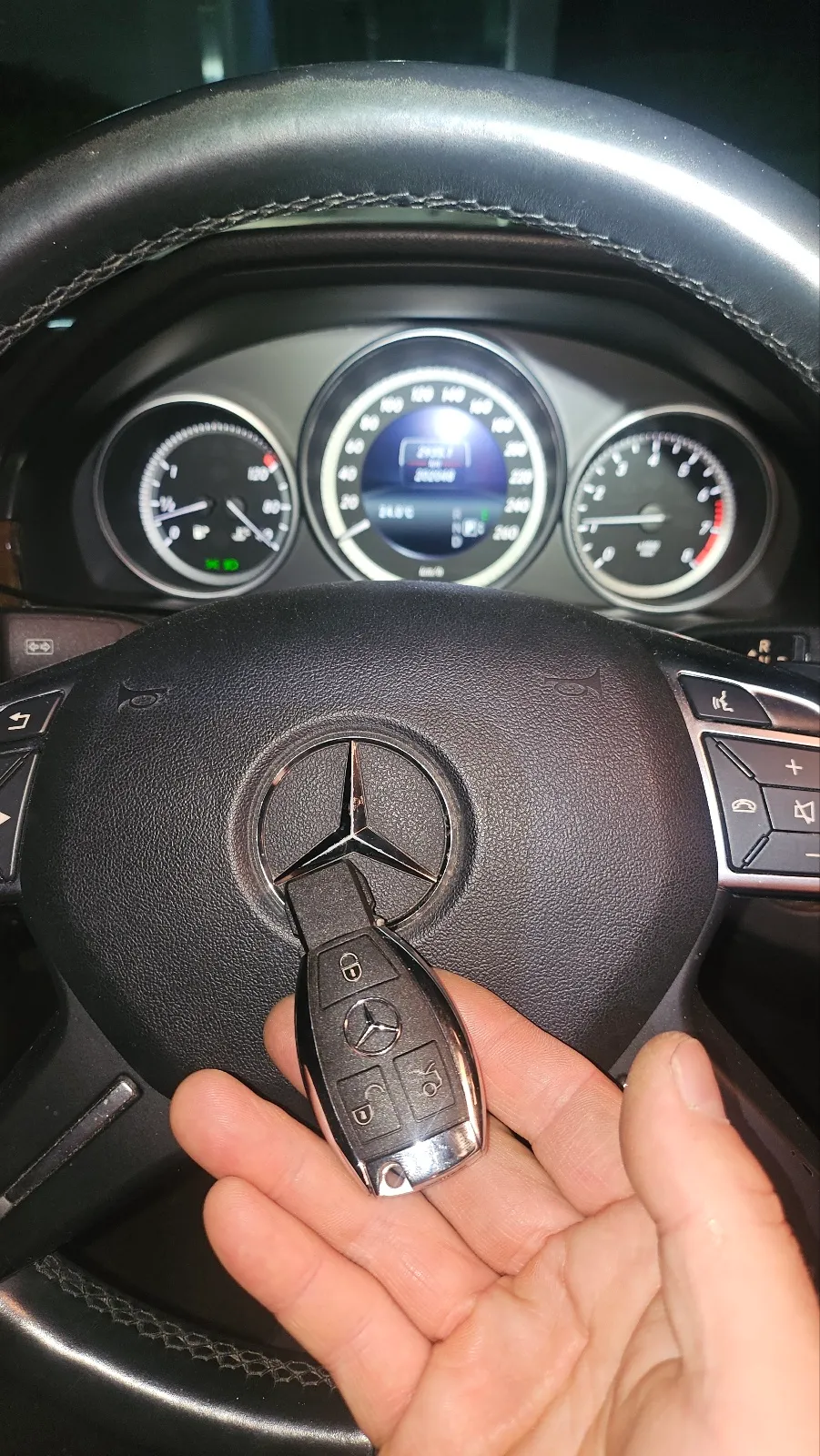
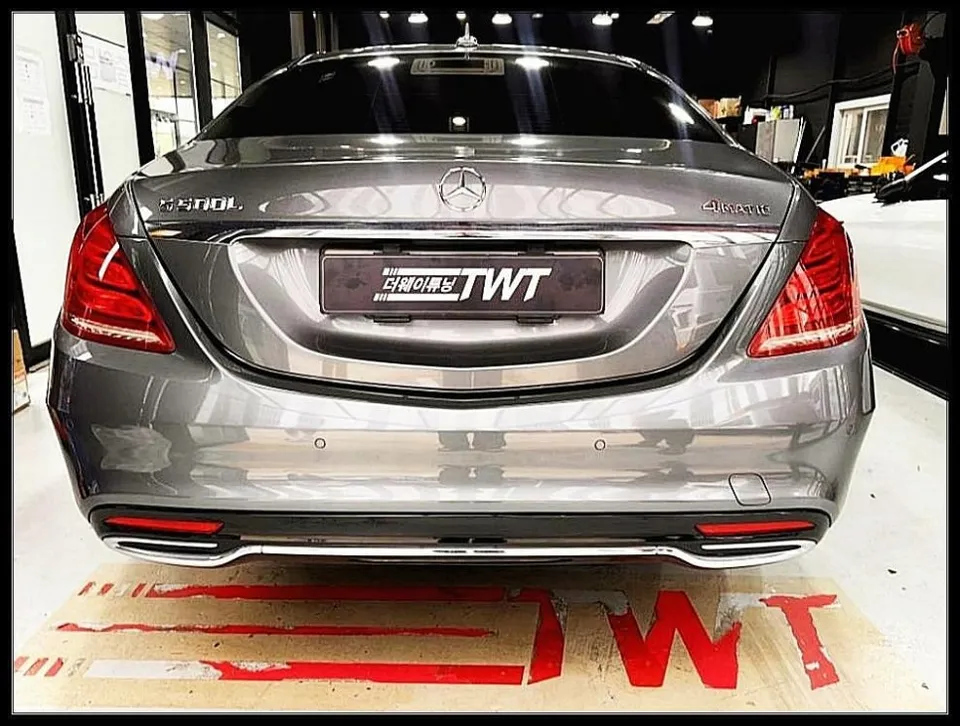
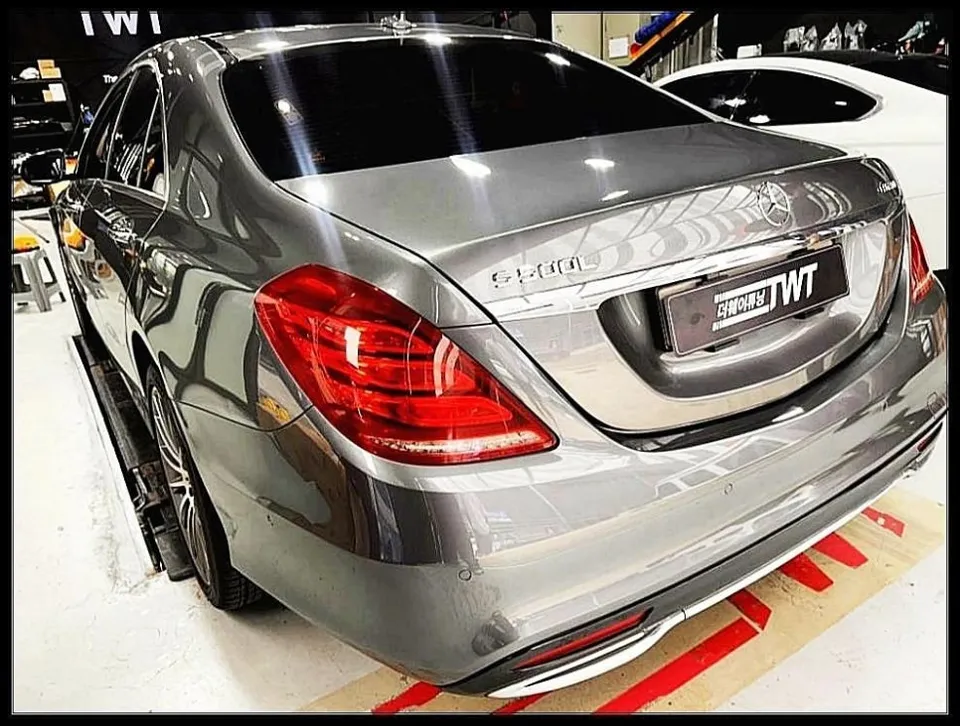
This project involved a significant aesthetic upgrade for a Mercedes-Benz S-Class W222, specifically converting the pre-facelift model to resemble the S65 AMG facelift version. The work was performed by Good Custom, a specialist in imported car tuning. Beyond the exterior body kit, the interior also received an upgrade with the replacement of the steering wheel to a 'bat' or 'dragonfly' style, common in high-performance Mercedes models. This type of conversion aims to give an older model the aggressive and luxurious appearance of a top-tier variant.
Body Kit Installation and Materials
The installation process for a full body kit like this requires precision. It typically involves replacing the front and rear bumpers, side skirts, and sometimes fenders or other aerodynamic elements. For this S65 AMG conversion, the goal was to achieve a seamless fit and finish, mimicking the factory look of the S65. While the specific materials used in this instance aren't detailed, common body kit materials include Fiberglass Reinforced Plastic (FRP) and polyurethane. FRP is often lighter and more rigid but can be more brittle, while polyurethane is more flexible and durable, making it less prone to cracking during minor impacts. The choice of material significantly impacts the durability and cost of the body kit.
Durability, Maintenance, and Value
The durability of a body kit depends heavily on the material quality, the precision of the installation, and the owner's driving habits. A well-installed kit made from quality materials can last for many years. However, lower-profile kits, especially front lips, are more susceptible to damage from speed bumps, steep driveways, or road debris. Regular cleaning and waxing will help maintain the finish. For owners of the W222 S-Class, a full conversion to the S65 AMG look offers a substantial aesthetic improvement, potentially enhancing the car's visual appeal and perceived value. The decision to undertake such a conversion is subjective, often driven by a desire for a more aggressive or exclusive look without the price tag of a factory S65 model. The cost of such a conversion, including parts and labor, can be significant, but for enthusiasts seeking a unique transformation, the results can be highly satisfying.
Frequently Asked Questions
Q. How much does a body kit cost for a Mercedes-Benz S-Class?
The cost for a full S65 AMG conversion body kit for a Mercedes-Benz S-Class W222 can vary significantly, but such extensive upgrades often run into several thousand dollars when factoring in parts and professional installation.
Q. How long does body kit installation take on a Mercedes-Benz S-Class?
A full body kit installation, including bumper replacements and side skirt fitting, can take several days to complete, depending on the complexity and any necessary paintwork. Proper maintenance involves regular cleaning and careful navigation of obstacles to prevent damage.
Q. Is a body kit worth it for a Mercedes-Benz S-Class?
A body kit is worth it for Mercedes-Benz S-Class owners seeking a dramatic visual enhancement and a more aggressive or exclusive aesthetic. It's particularly valuable for those wanting the look of a higher-performance model like the S65 AMG without purchasing the original vehicle.
Q. How is a body kit installed on a Mercedes-Benz S-Class?
Installation typically involves removing the factory bumpers and side skirts. 1. The new body kit components are test-fitted to ensure proper alignment. 2. Any necessary modifications or adjustments are made before painting. 3. The painted parts are then securely attached to the vehicle's chassis.
Q. What is the difference between FRP and polyurethane body kits for a Mercedes-Benz S-Class?
FRP (Fiberglass Reinforced Plastic) kits are generally lighter and more rigid, but can be prone to cracking, while polyurethane kits offer greater flexibility and impact resistance, making them more durable for daily driving. For most owners, polyurethane is the recommended choice for better longevity.
OhCar Partner Shop