Renault Korea XM3 TPMS Installation Review
Service Price
$under approx. $400
Estimated price · Actual price may vary by shop
Before

After
Process photos

Renault Korea XM3 TPMS installation in Daegu. Enhances safety by monitoring tire pressure in real-time. Essential for accident prevention.
The Importance of Tire Pressure Monitoring for Your Renault Korea XM3
Maintaining the correct tire pressure is fundamental for safe driving and optimal vehicle performance. For your Renault Korea XM3, understanding tire pressure's impact is crucial. Incorrect pressure, whether too low or too high, can lead to serious issues. Low pressure increases the risk of tire failure due to overheating, reduces fuel efficiency, and compromises steering control. Conversely, high pressure causes uneven tire wear, primarily on the center tread, and diminishes the tire's ability to absorb shocks, resulting in a harsher ride. Given the challenges of manually checking tire pressure regularly, a Tire Pressure Monitoring System (TPMS) becomes an invaluable safety feature. TPMS continuously monitors the air pressure and temperature within each tire, alerting the driver to any anomalies via the instrument cluster, thereby significantly reducing the risk of accidents caused by sudden tire deflation or blowouts.
How TPMS Works and Its Installation on the XM3
TPMS functions by utilizing small sensors installed inside each tire. These sensors measure the internal pressure and temperature and transmit this data wirelessly to the vehicle's receiver module. The car's main computer then analyzes this information. If the pressure deviates from the safe operating range, the system triggers a warning light or message on the dashboard, alerting the driver immediately. This real-time monitoring acts as a proactive safety net for your Renault Korea XM3.
Installation Process for Renault Korea XM3 TPMS
- Valve Replacement: The existing tire valve stems are removed and replaced with specialized TPMS-compatible valves.
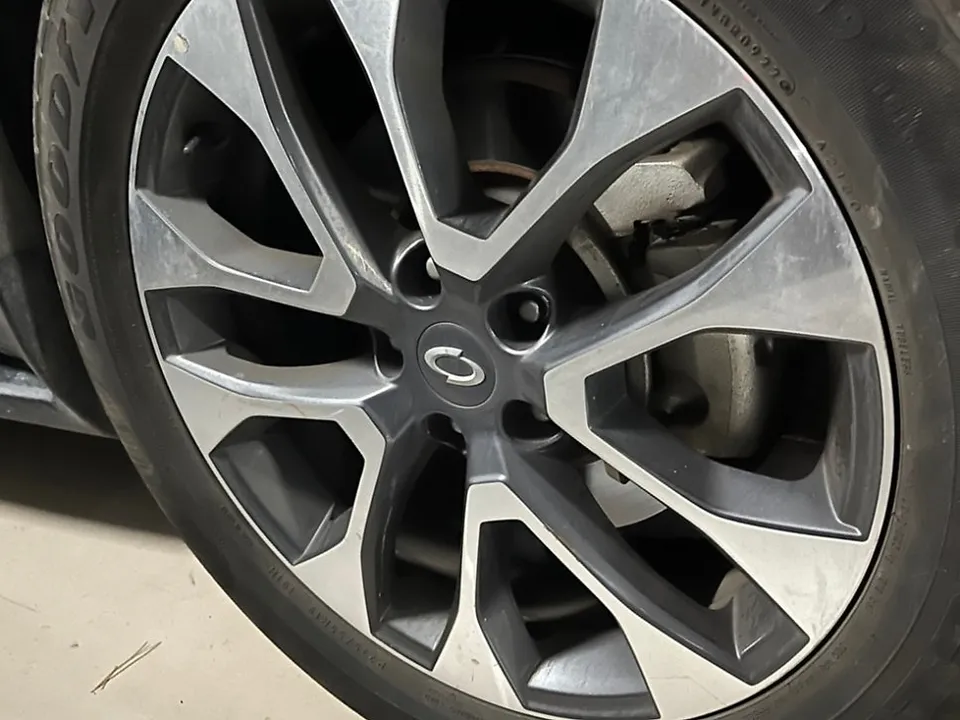
- Sensor Mounting: The TPMS sensors are securely attached to the wheels in their designated positions, ensuring they are correctly fitted inside the tire.
- Wiring and Integration: If required, wiring is connected using genuine connectors, integrating the system seamlessly with the vehicle's electrical system according to the original wiring diagrams.
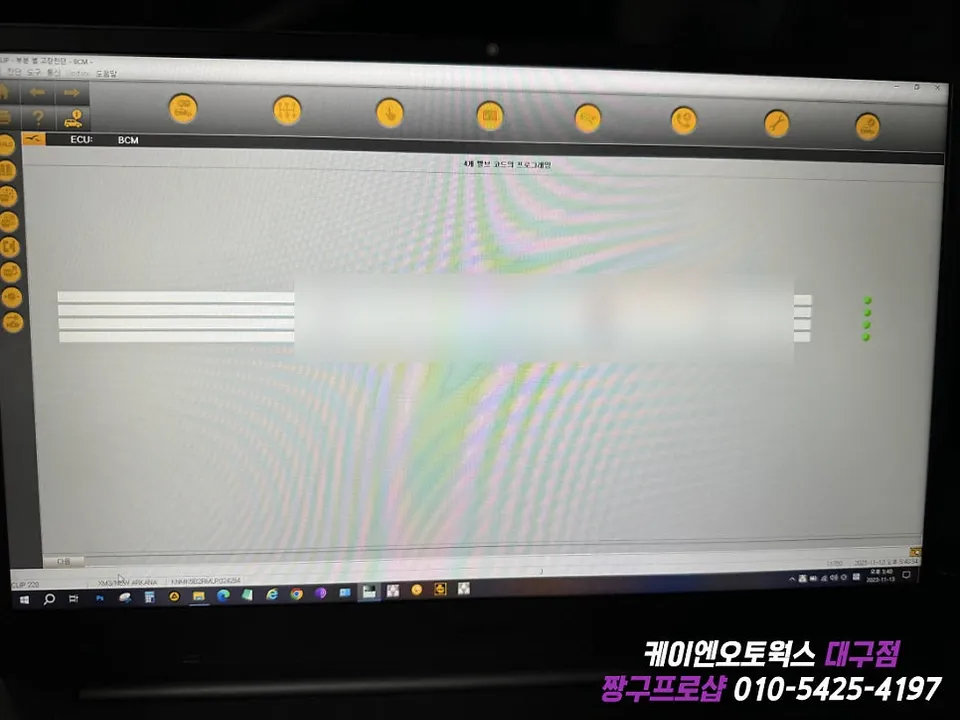
- System Coding: Using specialized diagnostic tools, the unique identification codes of each new sensor are registered with the XM3's onboard computer. The TPMS function is then activated through software coding.
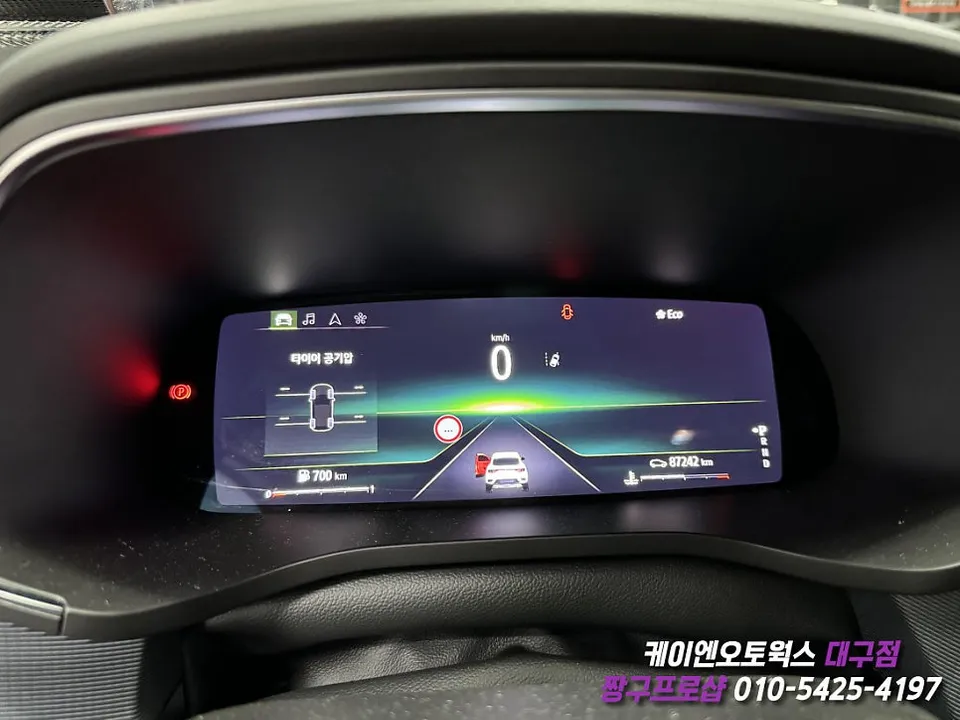
- Verification: Post-installation, the system's functionality is tested. The instrument cluster should now display real-time tire pressure for each wheel, and any low-pressure warnings should be active and testable.
The coding process is critical; it ensures the vehicle's computer recognizes and communicates with the new TPMS sensors. This step activates the display of real-time tire pressure on the instrument panel. If any tire's pressure drops below the preset safety threshold, a warning light and a specific message will appear, prompting the driver to take immediate action. This upgrade transforms the XM3 into a vehicle that actively helps manage tire safety, providing peace of mind on every journey.
Frequently Asked Questions
Q. How much does OEM option and factory upgrade installation cost for a Renault Korea XM3?
The cost for installing the OEM TPMS option on a Renault Korea XM3 in Daegu was detailed in the review, though a specific price wasn't provided. Typical factory-installed TPMS systems in the US can range from $200 to $500 depending on the vehicle model and specific system.
Q. How long does OEM options installation take on a Renault Korea XM3?
The installation process, including sensor mounting and system coding for the Renault Korea XM3's TPMS, typically takes a few hours. Regular maintenance involves checking the sensor batteries every 5-7 years, which are usually replaced during tire changes.
Q. Are OEM options worth adding after purchase for a Renault Korea XM3?
Adding the OEM TPMS option after purchase is highly recommended for drivers who prioritize safety and convenience. It provides crucial real-time tire status information, potentially preventing accidents and improving fuel economy.
Q. How are OEM factory options installed on a Renault Korea XM3?
OEM factory options like TPMS are installed by first replacing the standard tire valves with TPMS-compatible ones. Then, sensors are mounted inside the tires, wired into the vehicle's electrical system using original connectors, and finally, the system is activated via software coding using a diagnostic tool.
Q. What is the difference between dealer-installed options and aftermarket upgrades for a Renault Korea XM3?
Dealer-installed OEM options, like the TPMS described, are designed and integrated by the manufacturer for seamless compatibility and function. Aftermarket upgrades may offer similar functionality but can vary in quality, integration, and warranty, potentially impacting the vehicle's electronics.
OhCar Partner Shop