Mercedes-Benz E-Class W213 Window Tinting Review
Service Price
$150+
Estimated price · Actual price may vary by shop

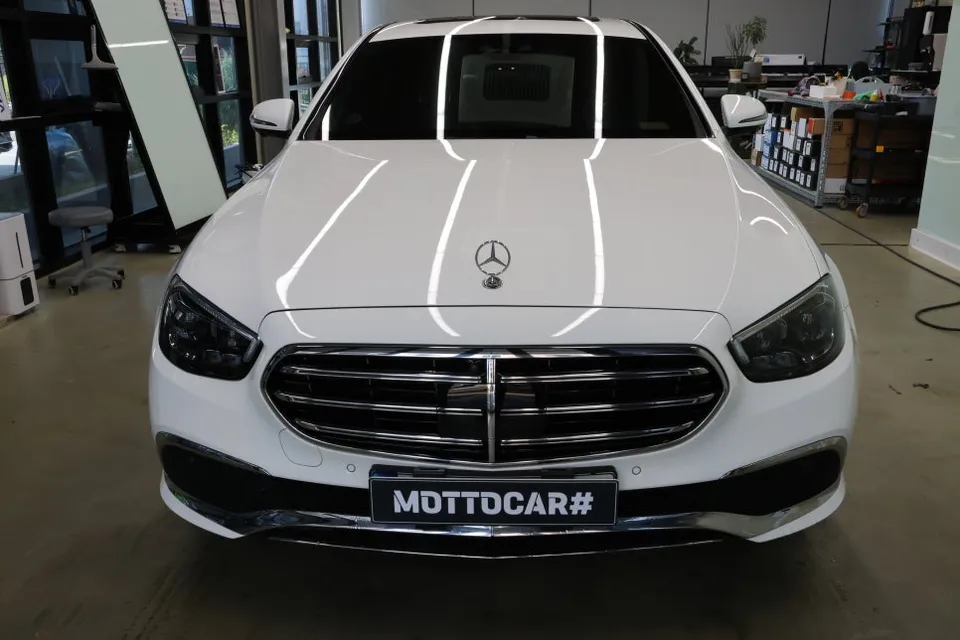
Mercedes-Benz E-Class W213 window tinting with Raini Blue film: Re-application ensures superior heat rejection and clarity. Professional installation
Mercedes-Benz E-Class W213 Window Tinting: Why Re-application Matters
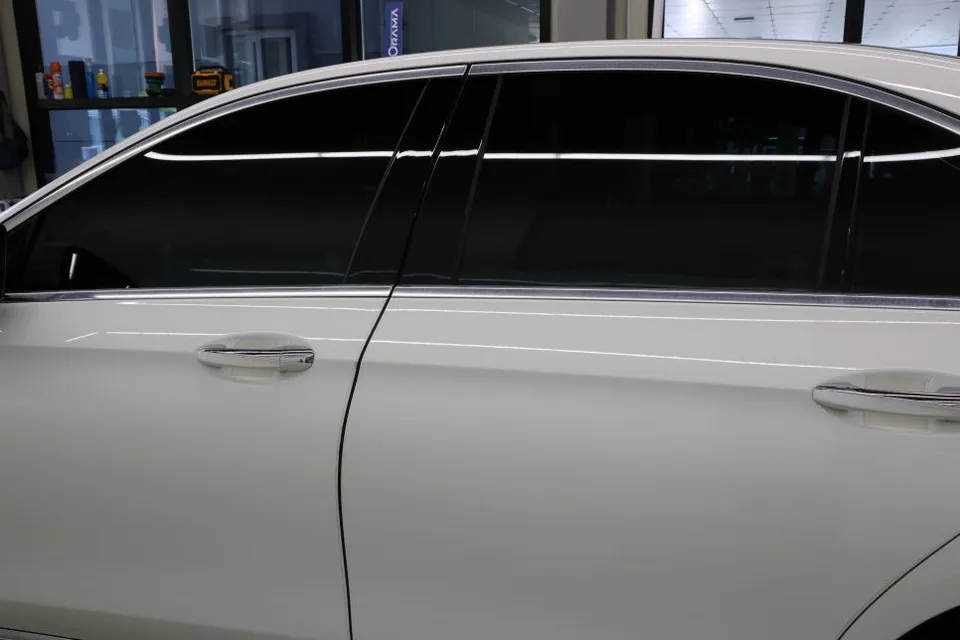
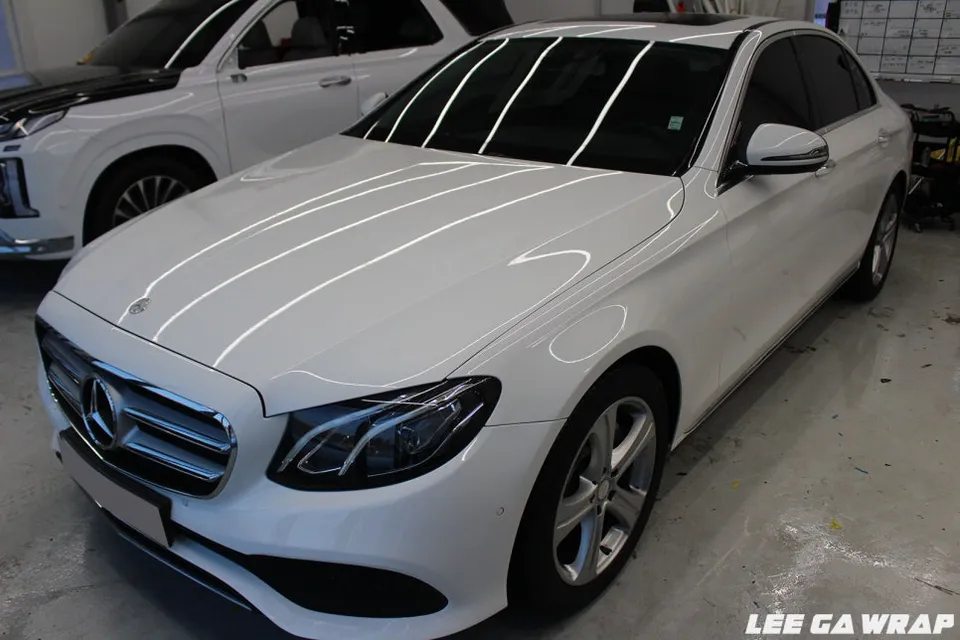
This review details the re-application of Raini Blue window tint on a Mercedes-Benz E-Class W213. The chosen specifications were VLT 25% for the front windshield, 10% for the rear sides, and 10% for the sunroof. Opting for the same proven product across different vehicles highlights its consistent performance in heat rejection and visual clarity. For those in the Gwangju region considering high-performance window film, this case underscores the importance of selecting the right grade and brand.
Key Takeaways:
- Characteristics of Raini Blue tint suitable for the W213.
- Reasons for tint re-application and preparation steps.
- The impact of skilled installation techniques on clarity.
- A guide to selecting window tint in the Gwangju area.
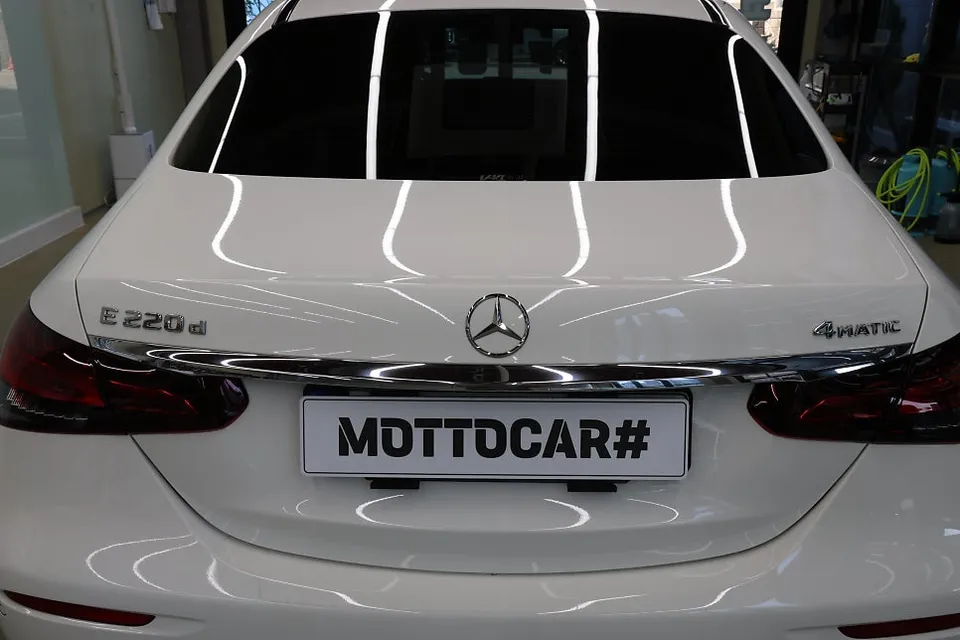
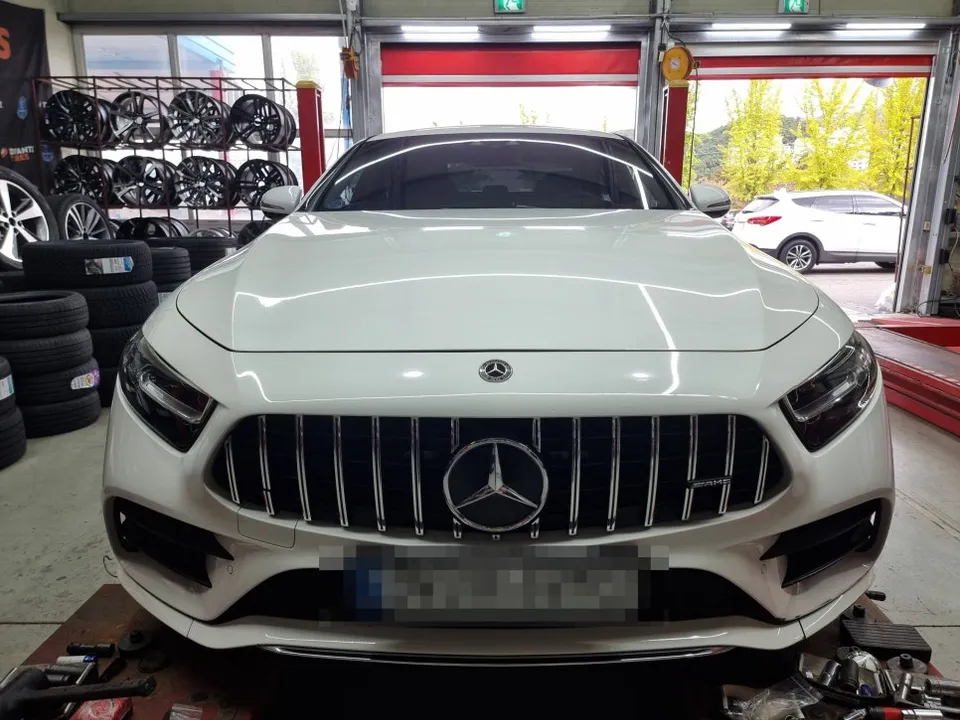
Vehicle: Mercedes-Benz W213 E-Class
Service: Glasstint (Raini Blue) Re-application
Coverage: Front VLT 25%, Sides/Rear 10%, Sunroof 10%
Time: Approx. 6-8 hours (re-application)
Location: Today's Car Gwangju Branch
Beyond Dealer Tint: The Need for Professional Window Film
Factory-installed or dealer-provided window tint often falls short in effective heat rejection. In hot climates, basic tint levels struggle to provide noticeable interior temperature reduction. Brand recognition alone isn't a guarantee of quality; the film's actual grade and VLT (Visible Light Transmission) are far more critical factors. The customer in this case has consistently chosen the same Raini Blue film across multiple vehicles, demonstrating a preference based on its enduring color and proven heat-blocking capabilities. As high-performance tint options expand in regions like Gwangju, investing in quality from the start is a cost-effective strategy, avoiding the expense of future re-applications.
The Crucial Role of Adhesive Removal in Re-tinting
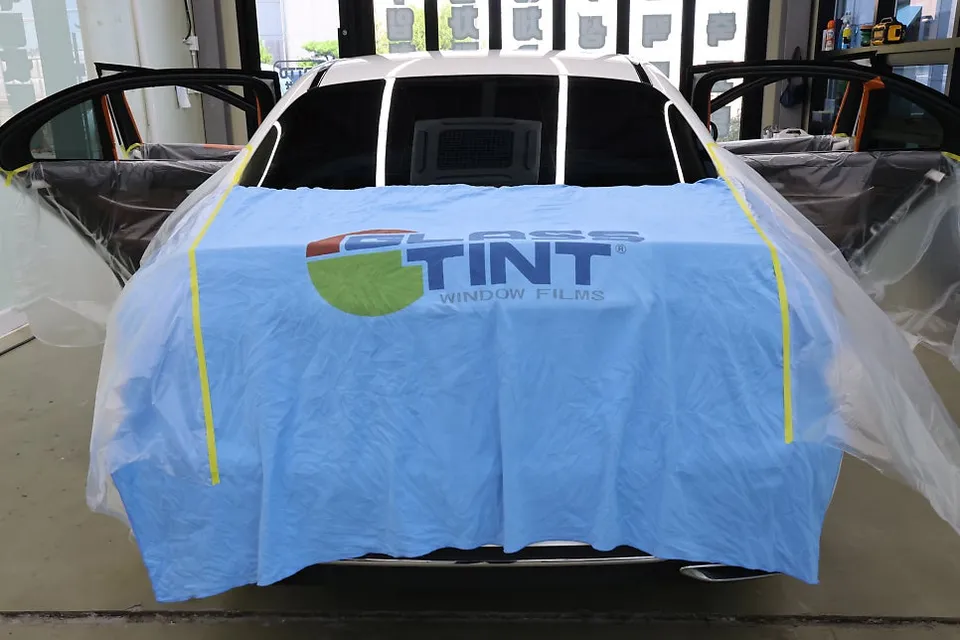
Re-tinting requires meticulous attention to detail, exceeding the demands of a new installation. The removal of old tint must be thorough, leaving no trace of adhesive residue. Furthermore, any dust or debris trapped in window channels must be completely cleared. The quality of this cleaning process directly influences the final appearance of the new film and the clarity of vision through the windows. While some shops may dismiss minor imperfections in re-tints, claiming dust is unavoidable, this often indicates a lack of expertise. Today's Car Gwangju utilizes premium, ammonia-free adhesive removers and offers vehicle deodorization, prioritizing occupant respiratory health.
Raini Blue: Premium Window Film for Luxury Vehicles
Raini Blue is more than just a colored film; its multi-layered construction, including sputtered coatings, ceramics, pigments, and dual UV-blocking layers, gives it significant thickness. Improper heat shrinking of such high-performance films can severely compromise visual clarity. Issues like 'blooming' (white, flower-like patterns), ghosting of traffic lights at night, and even motion sickness can result from poor installation. High-performance films necessitate expert, individualized application techniques. The installers at Today's Car Gwangju employ methods that minimize film shrinkage, preserving the inherent clarity of Raini Blue.
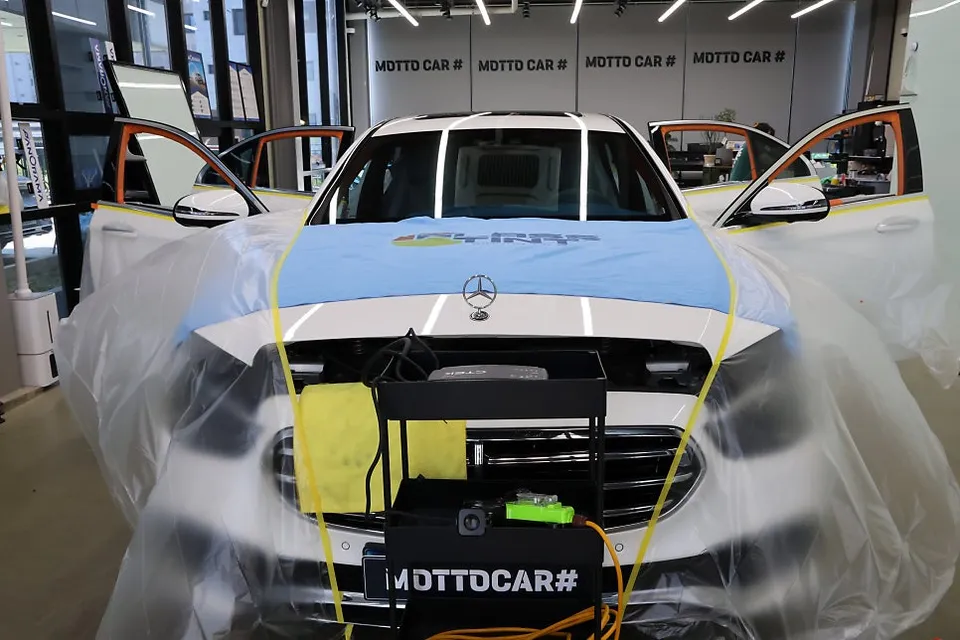
Window Tint Installation Process:
- Surface Preparation: Thoroughly clean the interior glass, removing all old adhesive residue and ensuring window channels are free of debris.
- Film Shrinking: Carefully heat-shrink the window film to match the contours of the glass, using minimal heat to prevent distortion.
- Application: Apply the pre-cut film to the wet glass surface, meticulously squeegeeing out all water and air bubbles.
- Edge Finishing: Trim excess film around the edges for a clean, factory-like finish.
Special attention is paid to rear windows with defroster lines. Steam is used to gently loosen the adhesive before removal, protecting the delicate heating elements. This careful approach ensures the longevity and aesthetic appeal of the new window film.
Frequently Asked Questions
Q. How much does window tinting cost for a Mercedes-Benz E-Class W213?
The re-application of Raini Blue tint on this Mercedes-Benz E-Class W213 took approximately 6-8 hours. While specific pricing varies by installer and film choice, professional window tinting for a luxury sedan like the E-Class typically ranges from $300 to $800 in the US.
Q. What tint percentage is legal for a Mercedes-Benz E-Class W213?
Legal tint percentages vary significantly by state in the US, with front windshields often restricted to 70% VLT and side windows typically ranging from 20% to 35% VLT. Always check your local regulations before selecting a tint level to ensure compliance and avoid fines.
Q. Is ceramic tint worth the extra cost for a Mercedes-Benz E-Class W213?
Ceramic tint is highly recommended for luxury vehicles like the Mercedes-Benz E-Class W213, especially if maximizing heat rejection without significantly darkening the windows is a priority. Its advanced technology offers superior UV and infrared rejection compared to traditional dyed or metallic films, justifying the higher investment for enhanced comfort and protection.
Q. How is window tint installed on a Mercedes-Benz E-Class W213?
Window tint installation involves several key steps: 1. Meticulous cleaning of the glass and window seals to remove all debris and old adhesive. 2. Precisely cutting the film to match the window shape and heat-shrinking it to conform to the glass's curvature. 3. Applying the film to the wet glass surface and expertly squeegeeing out all water and air bubbles. 4. Finishing the edges for a seamless, factory-installed look.
Q. What is the difference between ceramic and dyed window tint for a Mercedes-Benz E-Class W213?
Ceramic window tint uses non-conductive ceramic particles to block heat and UV rays, offering superior performance and longevity without interfering with electronic signals. Dyed window tint relies on coloring agents within the film, which can fade over time and offer less heat rejection. For premium vehicles like the E-Class, ceramic tint is the superior choice for heat protection and durability.
OhCar Partner Shop
More window tinting Reviews
See all →

More Mercedes-Benz Reviews
Pair with Another Service
Protect paint while you're at the shop
Add gloss and protection