Audi Q5 Ceramic Coating Review: Restored Shine & Protection
Before
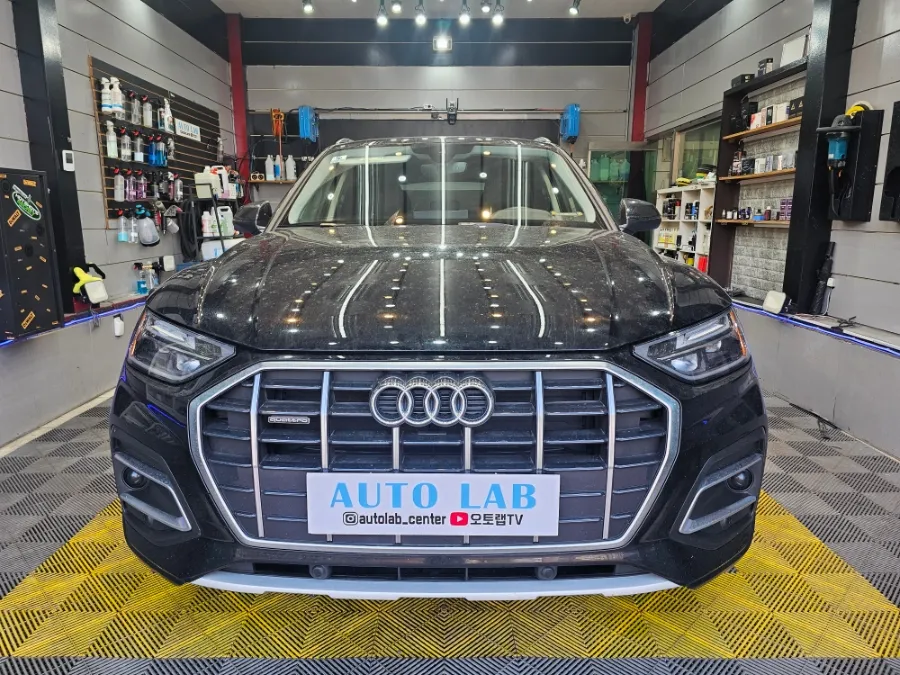
After
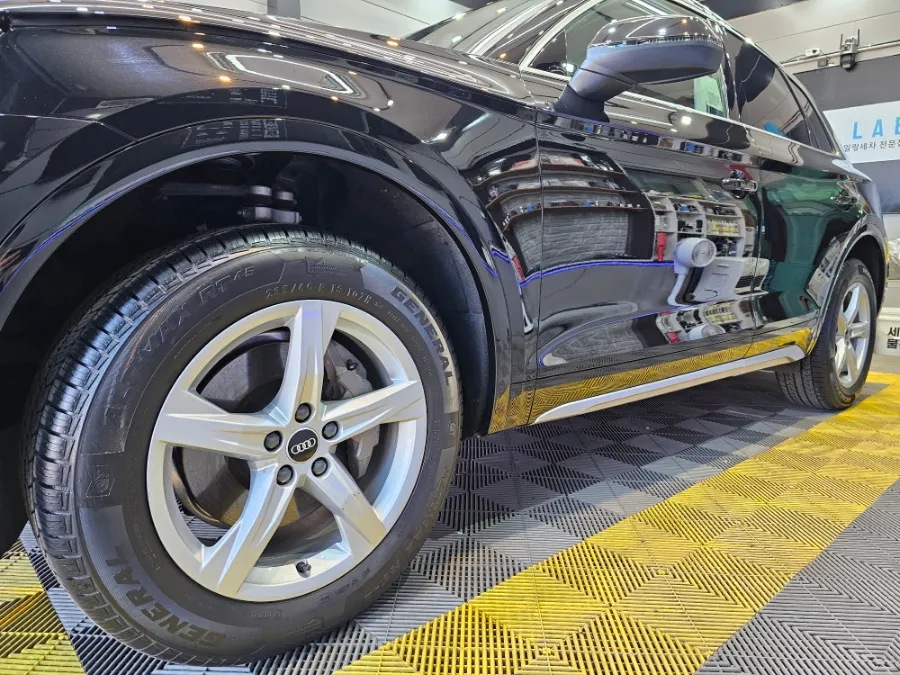
Process photos
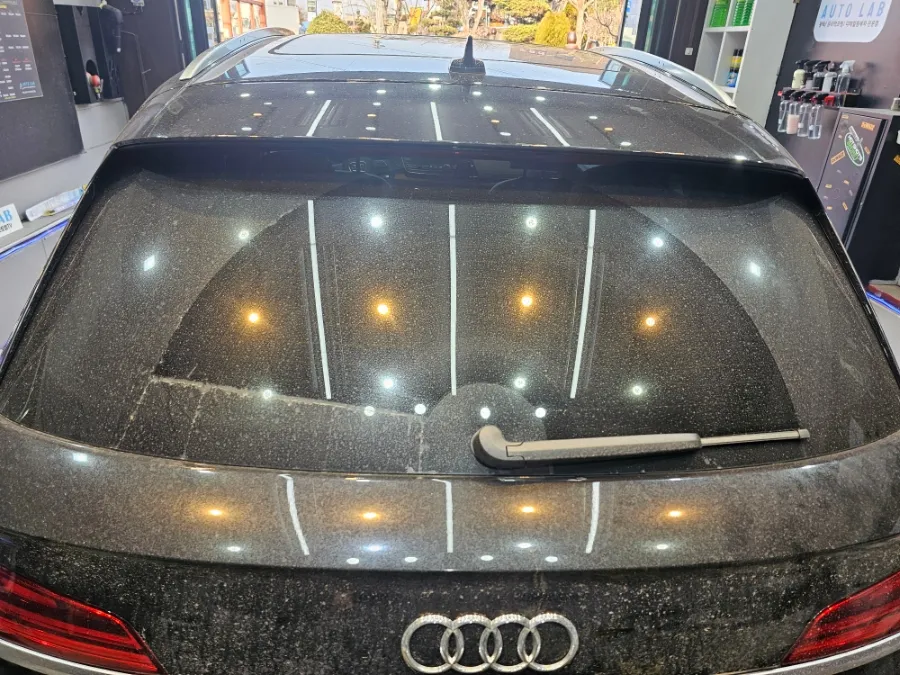
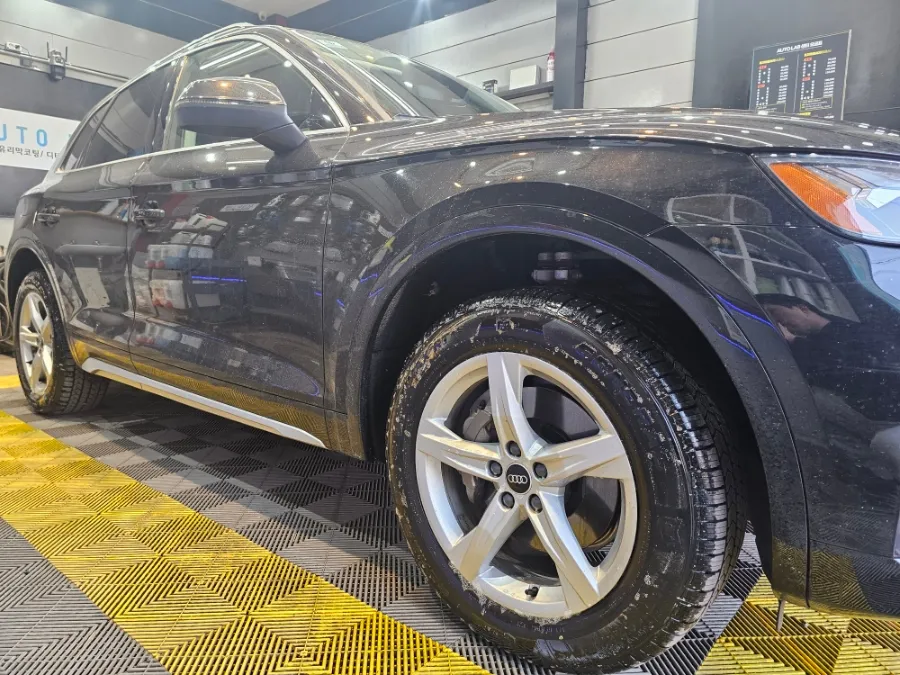
Audi Q5 ceramic coating & paint correction: Restored gloss and protection. Starting from ₩1,000,000.
Reviving a Used Audi Q5 with Professional Detailing
This Audi Q5, previously used overseas, received a comprehensive detailing service including paint correction and a ceramic coating upon its arrival in Korea. Black paintwork is notoriously difficult to maintain, especially after prolonged exposure to sunlight, which can lead to a dull finish (known as 'sogwang' in Korean) and highlight minor imperfections like swirl marks and hairline scratches. Fortunately, professional paint correction can restore a like-new gloss to the vehicle's finish.
Vehicle: Audi Q5 (Imported Used)
Service: Paint Correction + Ceramic Coating
Correction Method: Dual-Action Polisher (2-Step Correction)
Coating Product: Contains 70-100% Organic Polysilazane
Location: Today's Car Gimpo Branch
Duration: 2-3 Days (Varies based on paint condition and coating product)
Why Black Paint Needs Professional Correction
Black vehicles are the most challenging to keep looking pristine. Sunlight reflects unevenly off the paint, causing the 'sogwang' effect where the gloss appears diminished. Over time, accumulated contaminants, swirl marks, and scratches on the paint surface significantly reduce its reflectivity. The owner's Audi Q5, despite regular maintenance abroad, showed these signs of aging. Even high-hardness paint is not entirely immune to damage from UV rays and environmental pollutants. Timely paint correction not only extends the paint's lifespan but also helps prevent future damage.
Pre-Treatment and Condition Analysis
Before any paint correction begins, a thorough cleaning and assessment of the paint's condition are crucial. Contaminants like dust, tar, and iron particles on the surface can cause scratches during the polishing process. Skipping this step is akin to intentionally damaging your own car. Initially, the Audi Q5 had significant surface contaminants, obscuring the true condition of the paint. After a meticulous cleaning process, hairline scratches and swirl patterns became visible. The engine bay also required separate cleaning due to insufficient prior maintenance. Identifying these specific issues allows a professional detailing shop to formulate a tailored correction strategy.
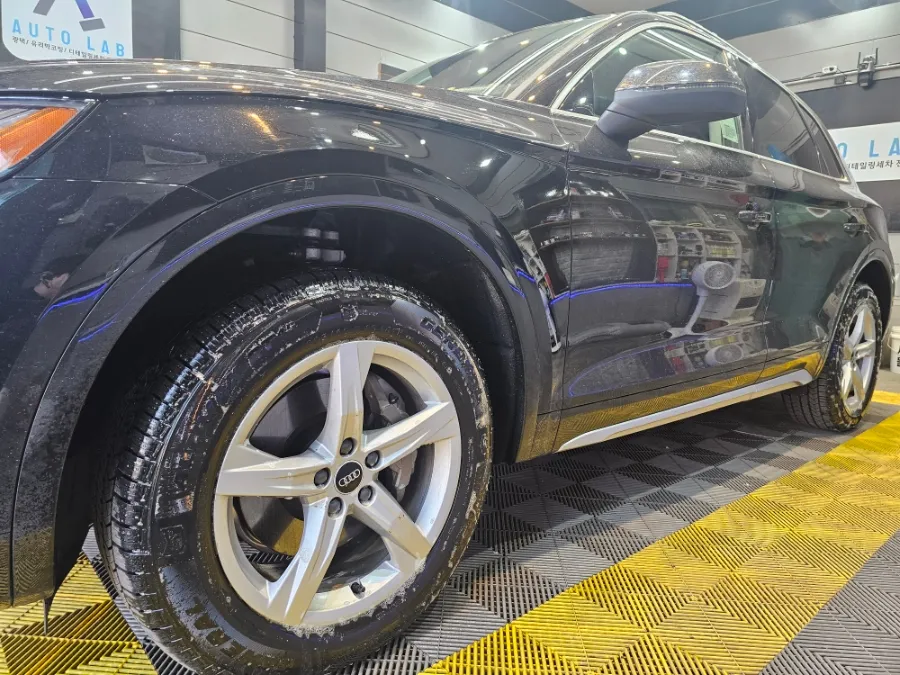
The Advantage of Dual-Action Polishing
The type of polisher used is central to paint correction. Typically, single-action polishers (rotary) and dual-action polishers (DA) are available. Many shops opt for single-action polishers to save time and cost, but this can be harsh on the paint. Single-action polishing, while faster, generates significant heat and friction, increasing the risk of paint damage. When combined with low-quality compounds, it can be difficult to eliminate holograms (swirl marks left by the polisher) or further paint damage. Dual-action polishers work in two stages, minimizing damage at each step and enhancing the final finish quality.
Professional shops like Today's Car prioritize minimizing paint damage over speed, aiming for a durable, long-lasting result. This focus on quality over quickness is the hallmark of cost-effective, high-value paint correction.
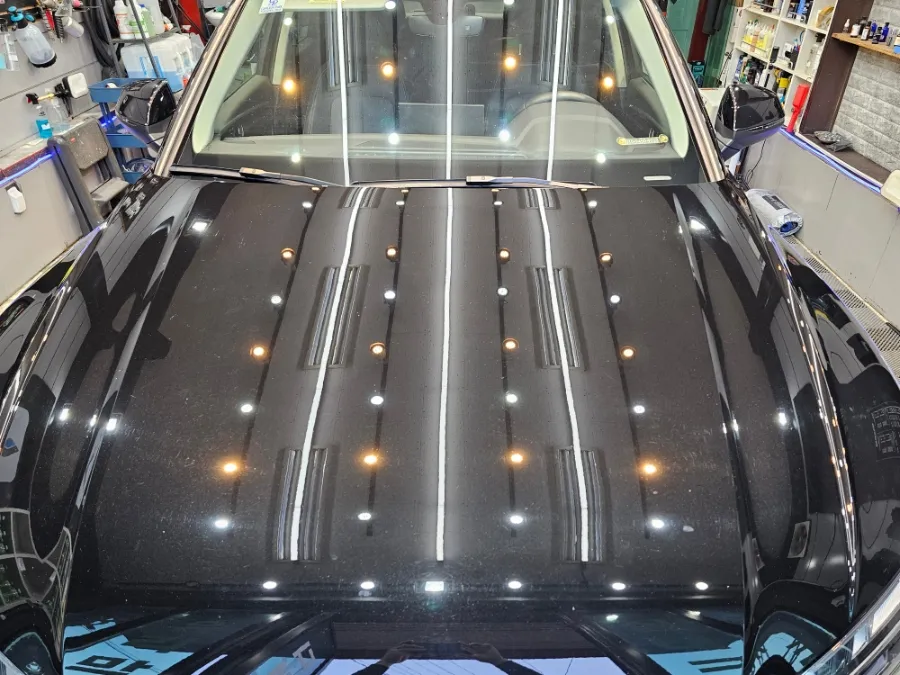
Results: A Mirror-Like Finish Restored
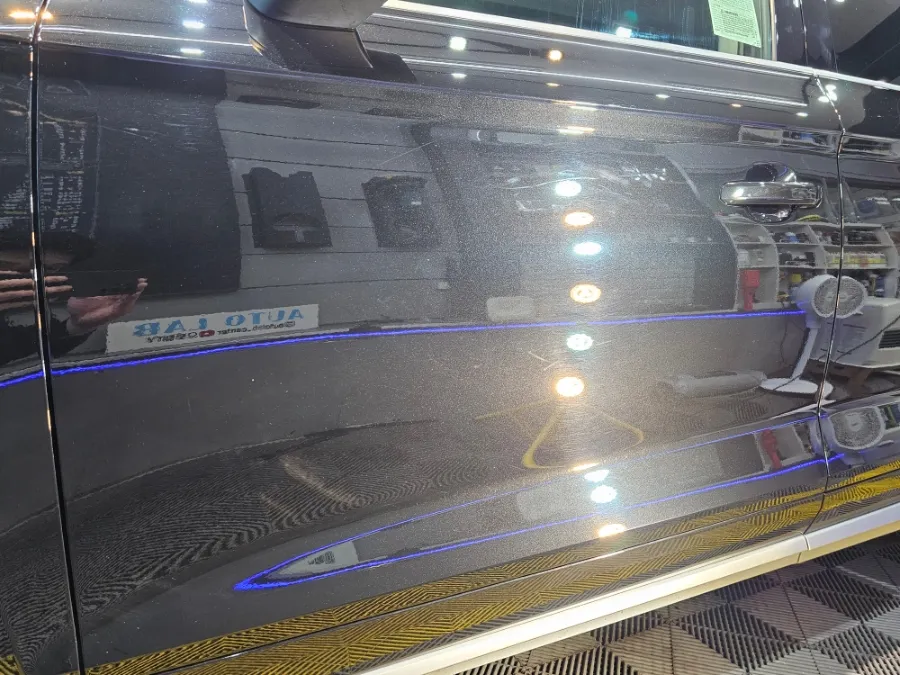
The difference after paint correction is striking. Swirl marks, minor scratches, and oxidized layers accumulated over time are completely removed, leaving the paint surface as smooth as a mirror. The black paint regains its depth and luster, reflecting light brilliantly under the sun. Following correction, a high-quality ceramic coating was applied, providing a durable protective layer that enhances gloss and makes future cleaning easier. The hydrophobic properties of the nano coating repel water and contaminants, keeping the Q5 looking its best.
Frequently Asked Questions
Q. How much does ceramic coating cost for an Audi Q5?
This specific Audi Q5 service, including paint correction, cost ₩1,000,000. Professional ceramic coating services in the US typically range from $1,000 to $3,000 depending on the vehicle size and coating quality.
Q. How long does ceramic coating last on an Audi Q5?
A professional ceramic coating can last anywhere from 2 to 5 years, or even longer with proper maintenance. Regular washing with pH-neutral soaps and avoiding automatic car washes will help maximize its lifespan.
Q. Is ceramic coating better than wax for an Audi Q5?
Ceramic coating offers superior durability and protection compared to traditional wax, making it ideal for luxury vehicles like the Audi Q5. While wax provides a temporary shine, ceramic coatings bond chemically to the paint for long-lasting gloss and resistance to environmental contaminants.
Q. How is ceramic coating applied to an Audi Q5?
1. The vehicle's paint is thoroughly decontaminated and inspected. 2. Paint correction is performed using polishers to remove defects like swirls and scratches. 3. The ceramic coating is carefully applied to the paintwork in thin, even layers. 4. The coating is allowed to cure, forming a hard, protective shell.
Q. What is the difference between ceramic coating and PPF for an Audi Q5?
Ceramic coating provides chemical protection against contaminants and enhances gloss, while Paint Protection Film (PPF) is a thicker urethane layer that offers superior physical protection against rock chips and scratches. For comprehensive protection, many owners opt for a combination of both.
OhCar Partner Shop
More ceramic coating Reviews
See all →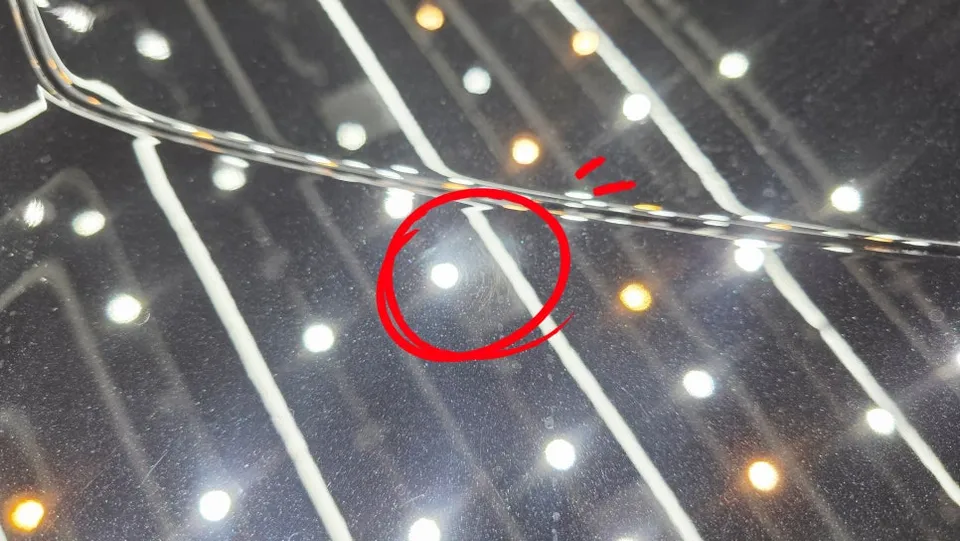


More Audi Reviews


Pair with Another Service
Add physical chip protection before coating