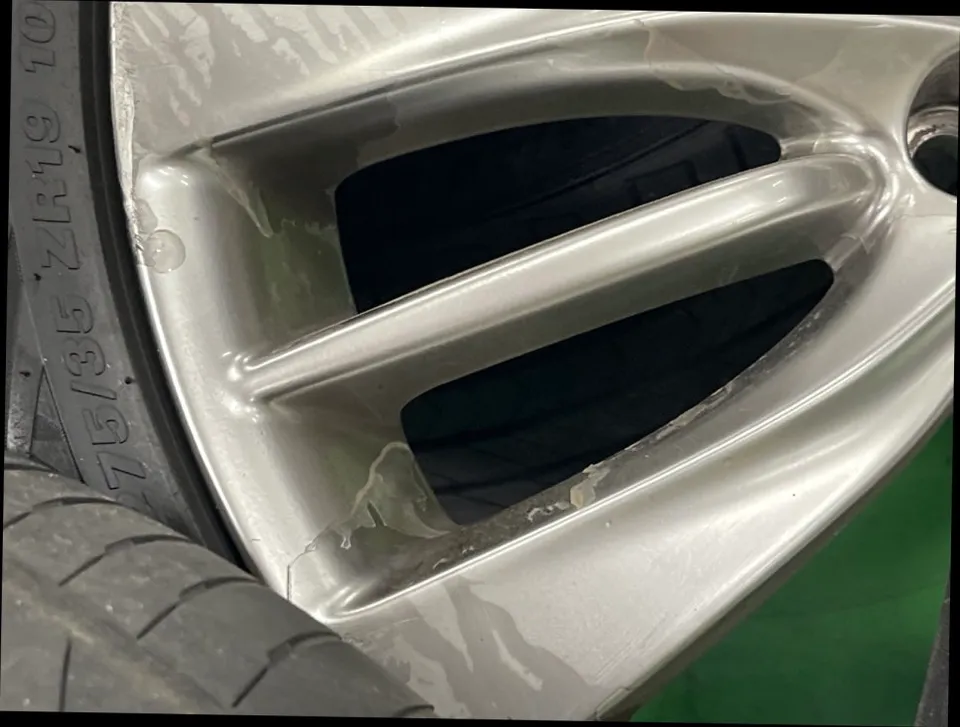
Hyundai Palisade Wheel Repair & Painting Review
Service Price
$115–150
Estimated price · Actual price may vary by shop
Before
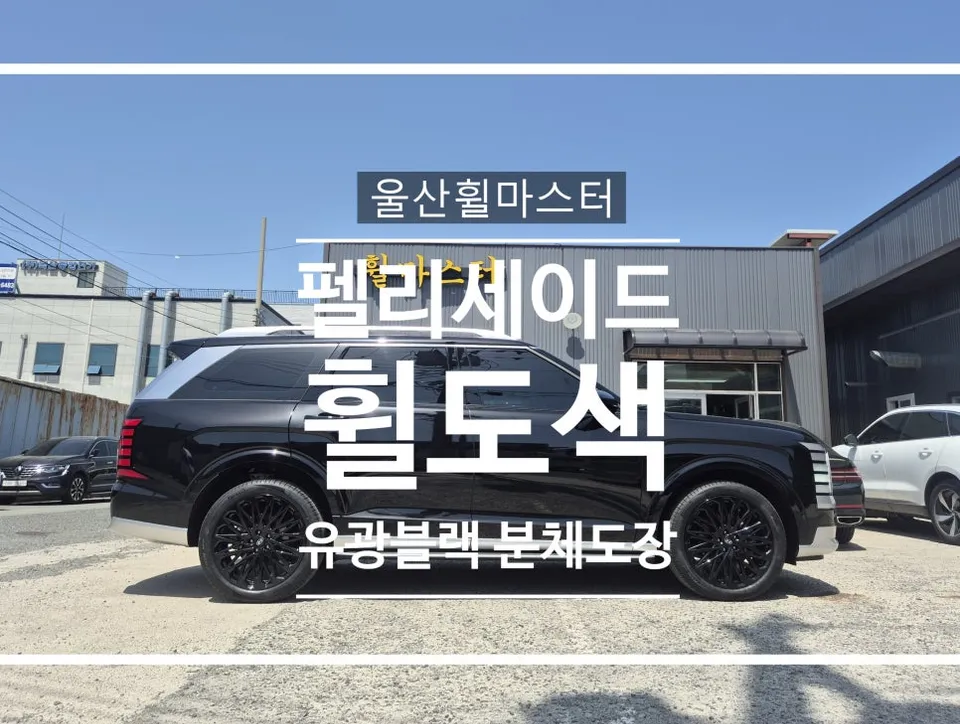
After
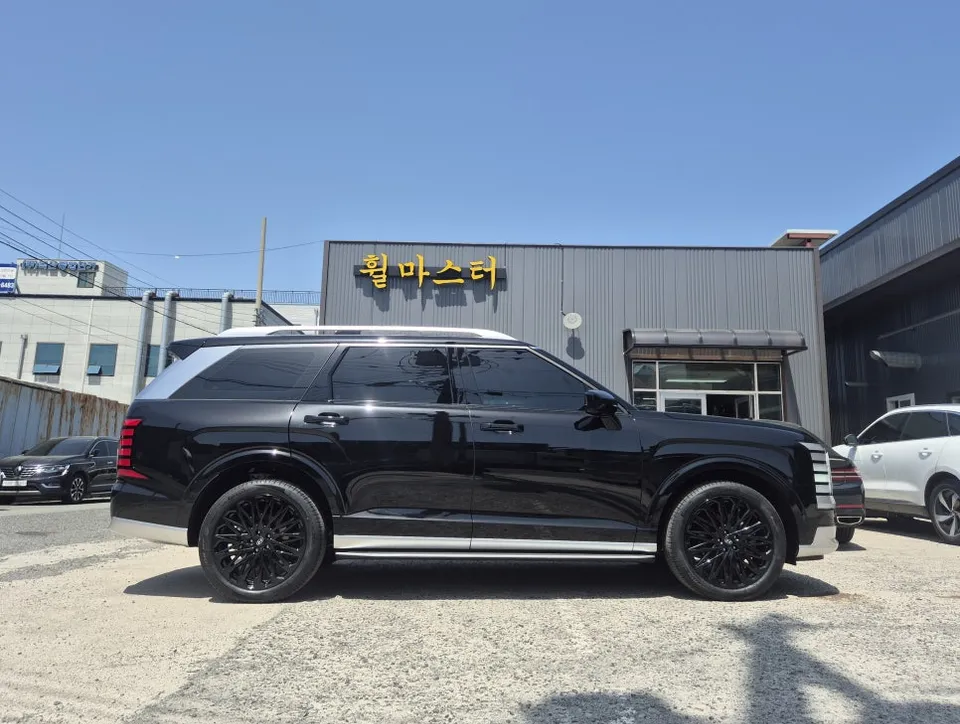
Process photos
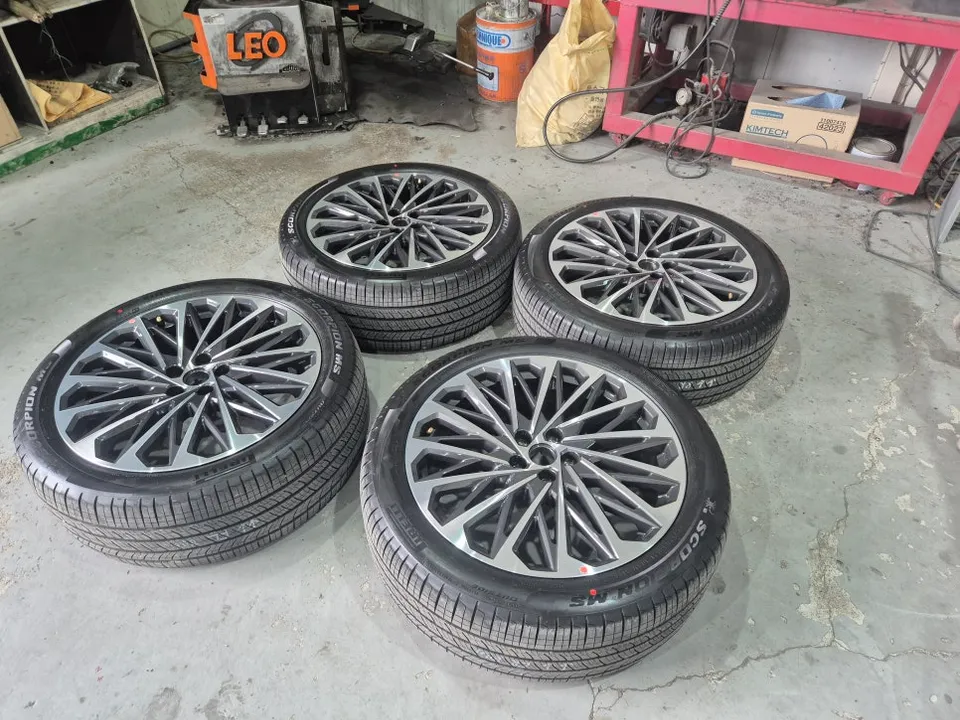
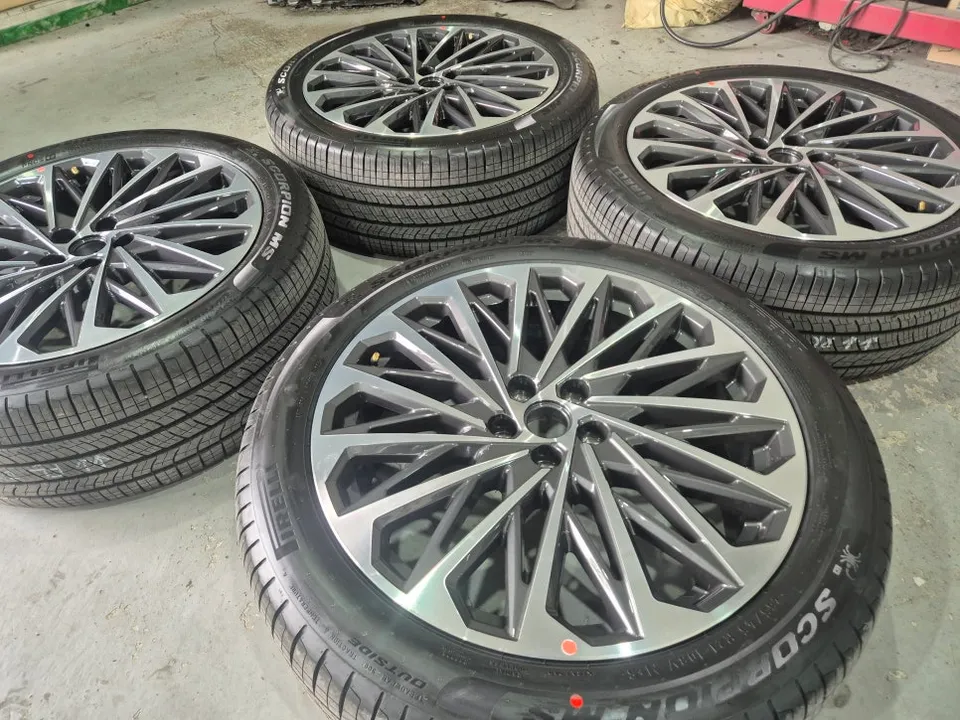
Hyundai Palisade 21-inch wheel repair & painting in gloss black using powder coating. Cost: ₩800,000-₩1,500,000. Durable, high-gloss finish achieved.
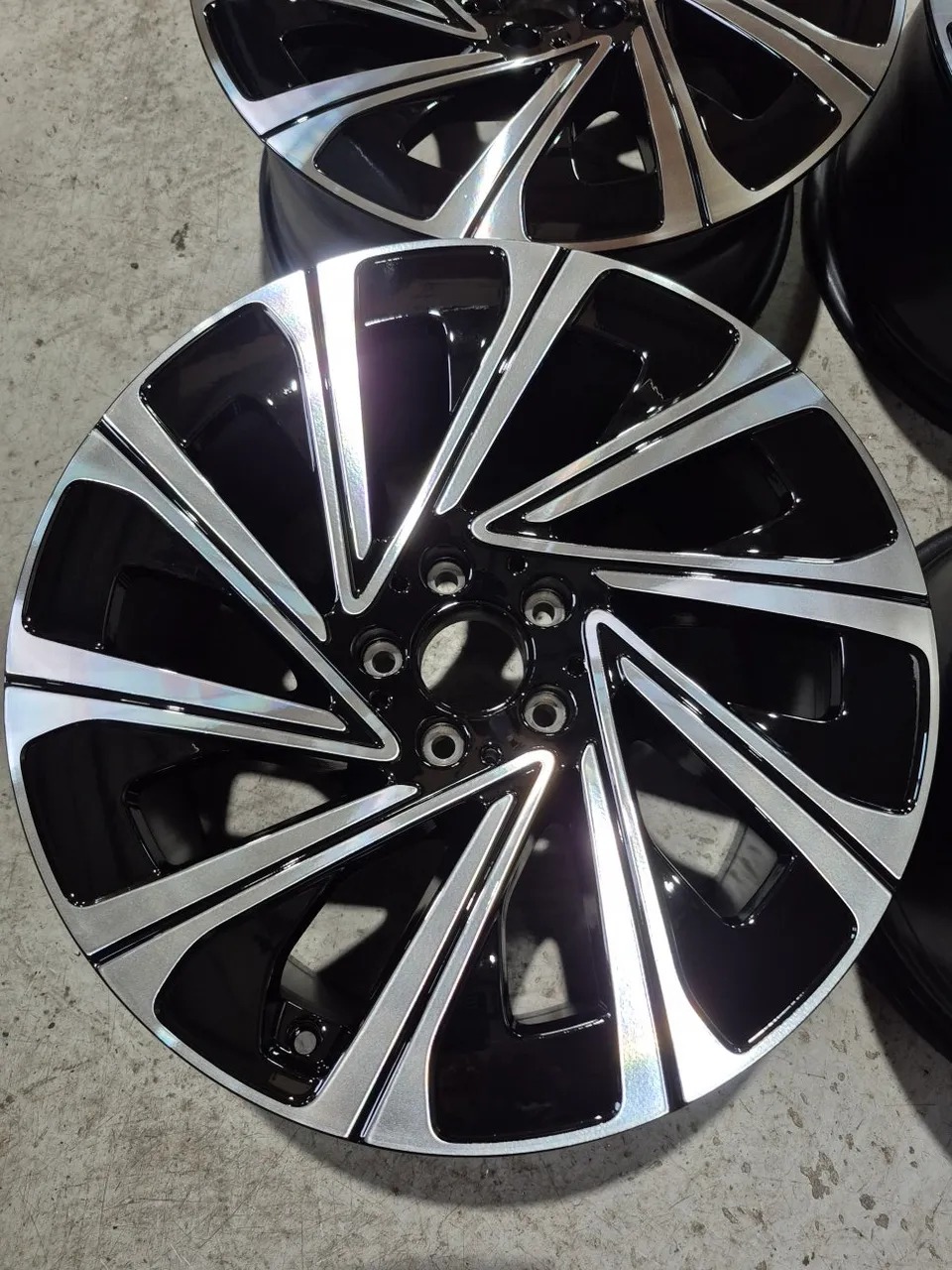
Hyundai Palisade 21-inch Wheels Get a Gloss Black Makeover
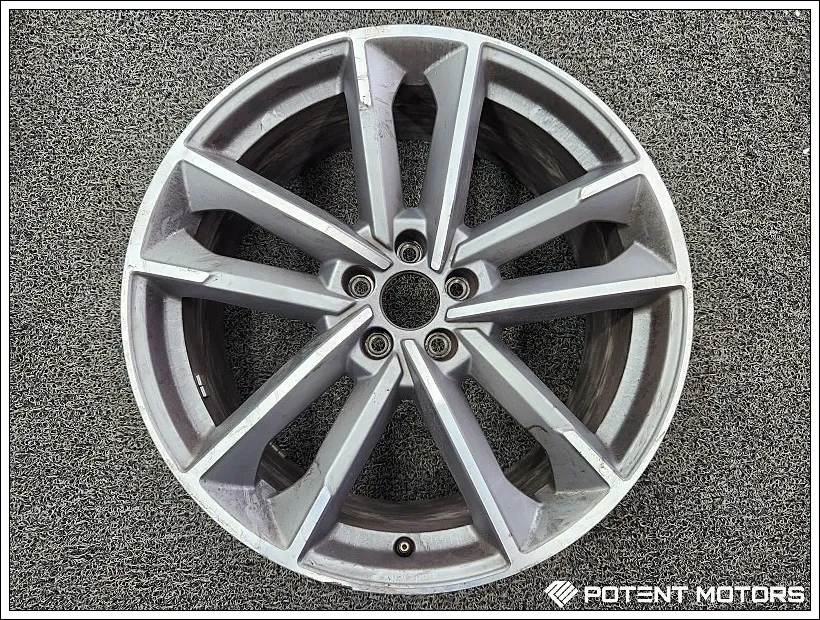
This Hyundai Palisade, a relatively new vehicle, visited our shop for a significant wheel transformation. The goal was to completely change the aesthetic of the original 21-inch silver diamond-cut wheels to a striking gloss black finish. Wheel painting is a meticulous process, far beyond a simple spray job, involving precise surface preparation, specialized coating application, and careful finishing. This particular service, performed at a specialized wheel restoration facility, typically takes about 2-3 days. The cost for painting standard 21-inch wheels can range from ₩800,000 to ₩1,500,000 (approximately $600-$1100 USD), depending on the vehicle model and the chosen finish.
Wheel Inspection and Preparation
Before any painting begins, a thorough inspection of the wheels is crucial, even on new vehicles. For this Palisade's 21-inch factory wheels, the surface was clean, but the existing coating needed to be removed to ensure optimal paint adhesion. The first step involves carefully removing the tires and the Tire Pressure Monitoring System (TPMS) sensors. It's essential to record the balance and position of these sensors to ensure proper reinstallation and wheel balancing.
Detailed photographs are taken of the wheels before work commences, documenting their condition. This stage also serves as a point to visualize the transformation from the original silver diamond-cut finish to the new gloss black. While new wheels typically have no defects, assessing potential areas for enhanced gloss and finish quality is part of the professional service.
Surface Treatment: Blasting and Cleaning
The success of any wheel painting project hinges on proper surface preparation. The process begins with blasting, a technique that uses high-pressure particles (like sand or ceramic beads) to strip away old paint, oxidation, and contaminants. Skipping this step can lead to poor adhesion and premature peeling of the new coating.
Following blasting, thorough cleaning and degreasing are performed. This isn't just a rinse; specialized cleaning agents are used to remove even microscopic particles and oils. This meticulous cleaning process enhances paint adhesion, aiming for a hardness rating of 3H or higher, which signifies resistance to scratches. The final degreasing step uses alcohol-based solutions to eliminate any remaining surface oils, a critical factor in preventing imperfections during the painting phase.
Powder Coating for a Superior Gloss Black Finish
Powder coating differs significantly from conventional liquid spray painting. In powder coating, fine powder particles are electrostatically applied to the wheel surface and then cured in a high-temperature oven. Liquid painting, conversely, involves spraying a liquid paint that requires drying time and can be prone to surface imperfections like drips or uneven flow.
The advantages of powder coating are numerous. Firstly, it provides a uniform coating thickness, resulting in consistent color and exceptional gloss. Secondly, the high-temperature curing process creates a highly durable finish that can last 3-5 years or more. Thirdly, it's an environmentally friendly process with minimal volatile organic compound (VOC) emissions. The gloss black finish applied to the Palisade's wheels leverages these benefits, offering a deep, lustrous black that perfectly complements the vehicle's robust presence.
Maintaining precise temperature and humidity control during the painting process is vital. Specialized facilities operate in controlled environments, typically between 20-25°C (68-77°F) with humidity levels around 50-60%. Deviations from these conditions can negatively impact the electrostatic adhesion of the powder particles.
Frequently Asked Questions
Q. How much does wheel repair cost for a Hyundai Palisade?
For this Hyundai Palisade, the wheel painting service cost ranged from ₩800,000 to ₩1,500,000. Typical wheel repair costs in the US can vary widely, often starting from $150 per wheel for minor curb rash and increasing significantly for full refinishing or custom painting.
Q. Can curb rash be fully repaired on Hyundai Palisade wheels?
Yes, curb rash on Hyundai Palisade wheels can typically be repaired to a like-new condition through professional wheel repair and refinishing services. To maintain the repair, avoid harsh chemicals during cleaning and ensure wheels are properly balanced after any repair work.
Q. Is wheel repair or replacement cheaper for a Hyundai Palisade?
Wheel repair is almost always significantly cheaper than replacing a damaged wheel on a Hyundai Palisade. Repair is ideal for cosmetic damage like curb rash or minor bends, offering a cost-effective solution to restore the wheel's appearance and integrity.
Q. How is wheel curb rash repaired on a Hyundai Palisade?
Wheel curb rash repair on a Hyundai Palisade involves several steps: 1. Thorough cleaning and inspection of the damaged area. 2. Filling and sanding down the damaged metal to create a smooth surface. 3. Applying primer, paint, and clear coat to match the original finish. 4. Curing the paint, often with heat, and final polishing.
Q. What is the difference between wheel refinishing and full replacement for a Hyundai Palisade?
Wheel refinishing restores the original wheel's appearance and integrity through repair and repainting, while full replacement involves purchasing and installing an entirely new wheel. Refinishing is a more cost-effective option for cosmetic or minor structural damage, whereas replacement is necessary for severe damage that cannot be safely repaired.
OhCar Partner Shop