Volkswagen Tiguan Body Kit Installation Review
Service Price
$75–115
Estimated price · Actual price may vary by shop
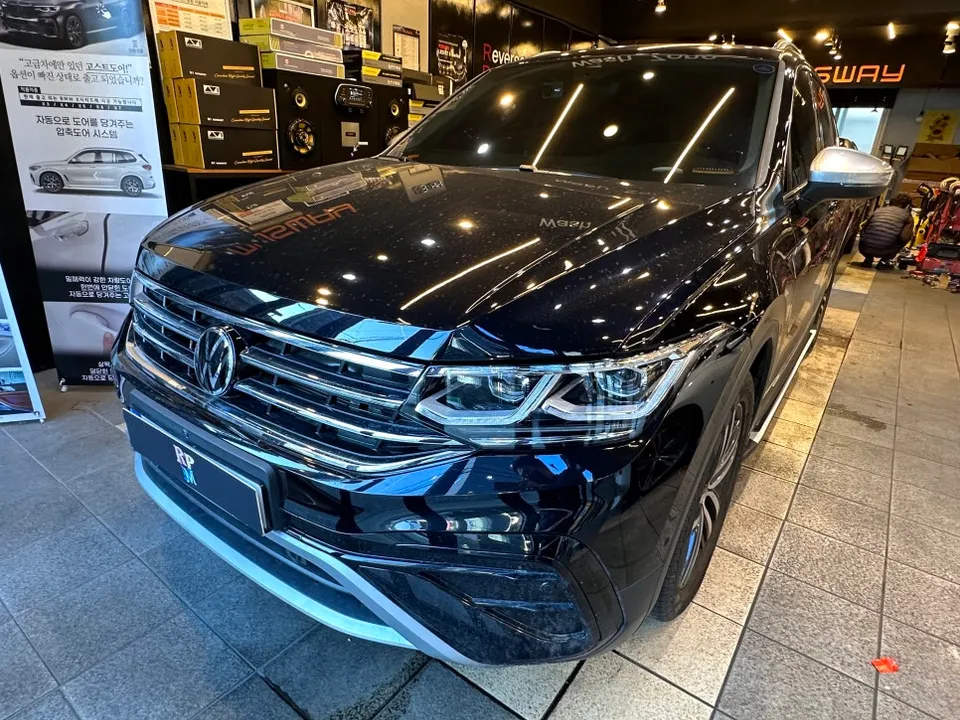
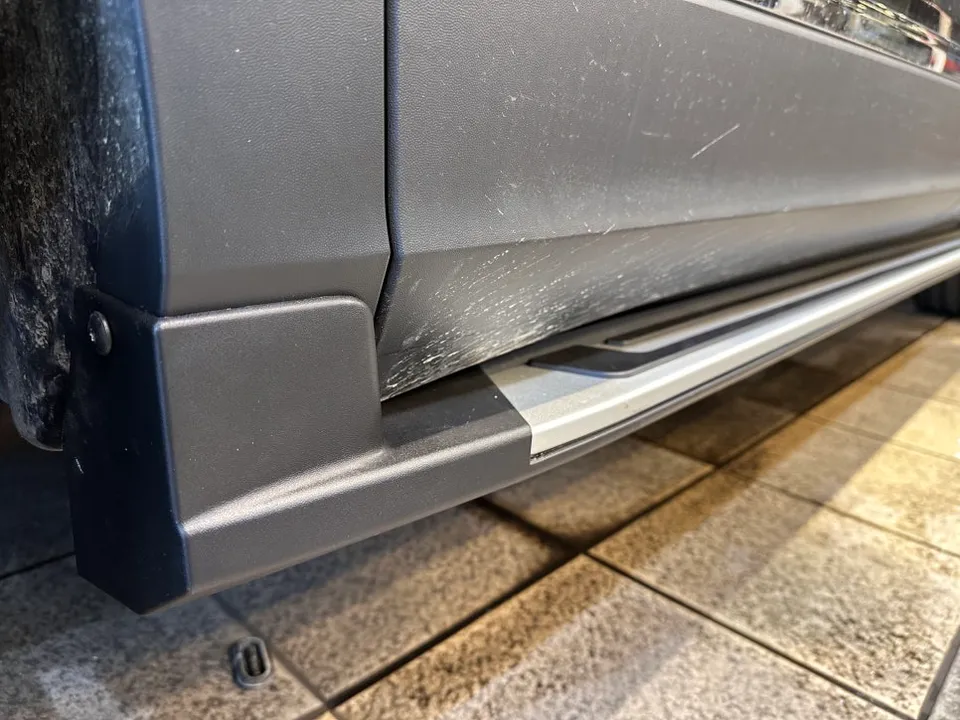
Volkswagen Tiguan body kit installation enhances accessibility and style. Costs range from approx. $600-$1000 USD. Improves passenger comfort.
Enhancing Your Volkswagen Tiguan with a Body Kit
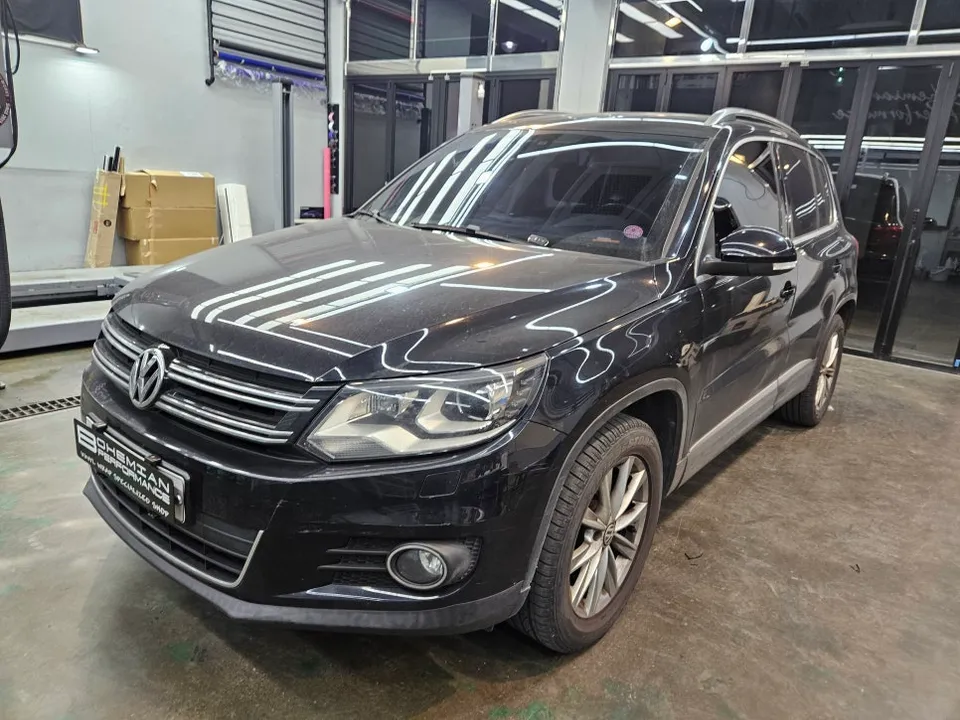
The Volkswagen Tiguan is a popular family SUV, appreciated for its stable driving and spacious interior. However, its higher ground clearance can present challenges for easier entry and exit, particularly for younger children and elderly passengers. This is where a well-chosen body kit, specifically components like side steps, can significantly improve accessibility and overall usability. This review delves into the specifics of installing and benefiting from such an upgrade, drawing insights from a recent installation case.
Body Kit Installation: Functionality Meets Aesthetics
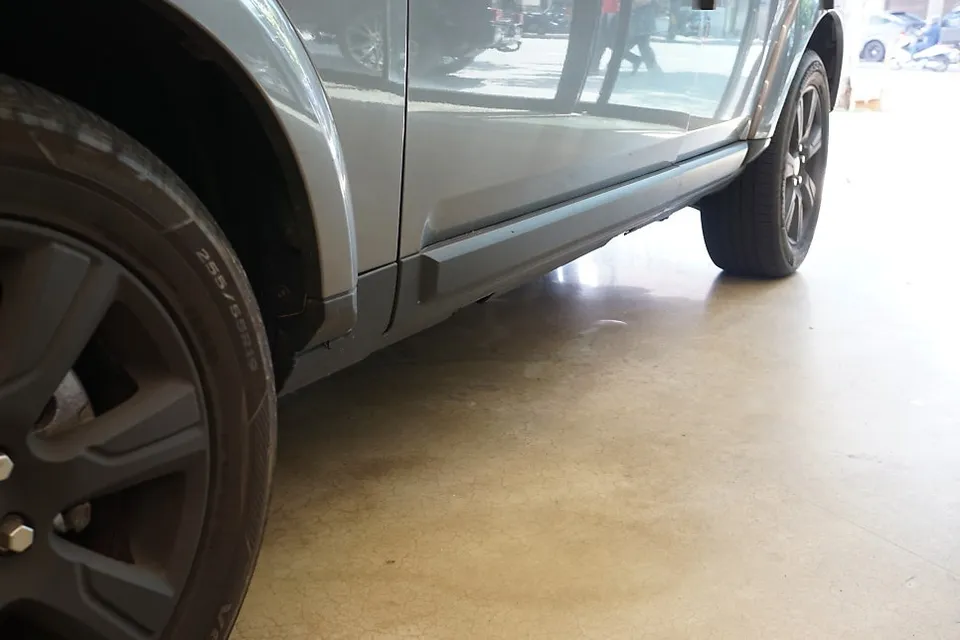
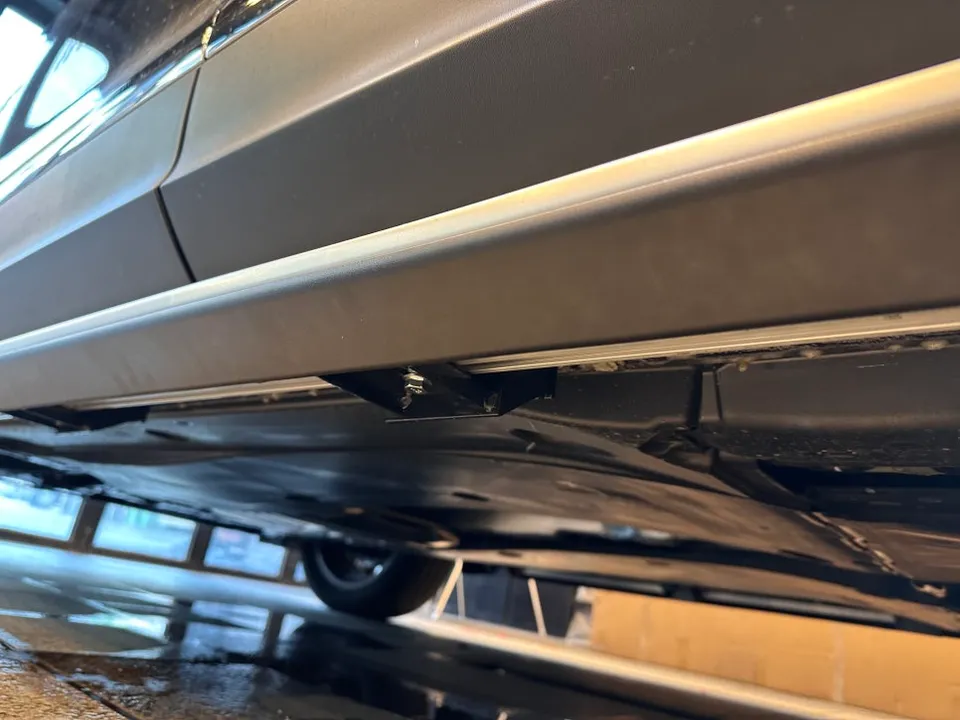
A body kit, particularly when it includes functional elements like side steps, is more than just an aesthetic addition; it's a practical enhancement. For the Volkswagen Tiguan, side steps serve as a crucial stepping platform, making ingress and egress much smoother. Fixed-type side steps, unlike their powered counterparts, offer superior durability due to their simpler mechanical design, requiring no complex electronic components that could fail over time. The installation process itself is designed to be straightforward. Typically, these kits utilize pre-engineered mounting brackets that attach to the vehicle's existing chassis points. This method avoids the need for welding or significant body modifications, ensuring the vehicle's structural integrity remains intact. The result is a clean, integrated look that complements the Tiguan's existing lines, often appearing as if it were a factory-installed option. Precise alignment is key to the functionality and appearance of any body kit; ensuring symmetrical height and fit across both sides is critical for a comfortable and balanced user experience. A well-executed installation minimizes vibration and prevents future detachment issues.
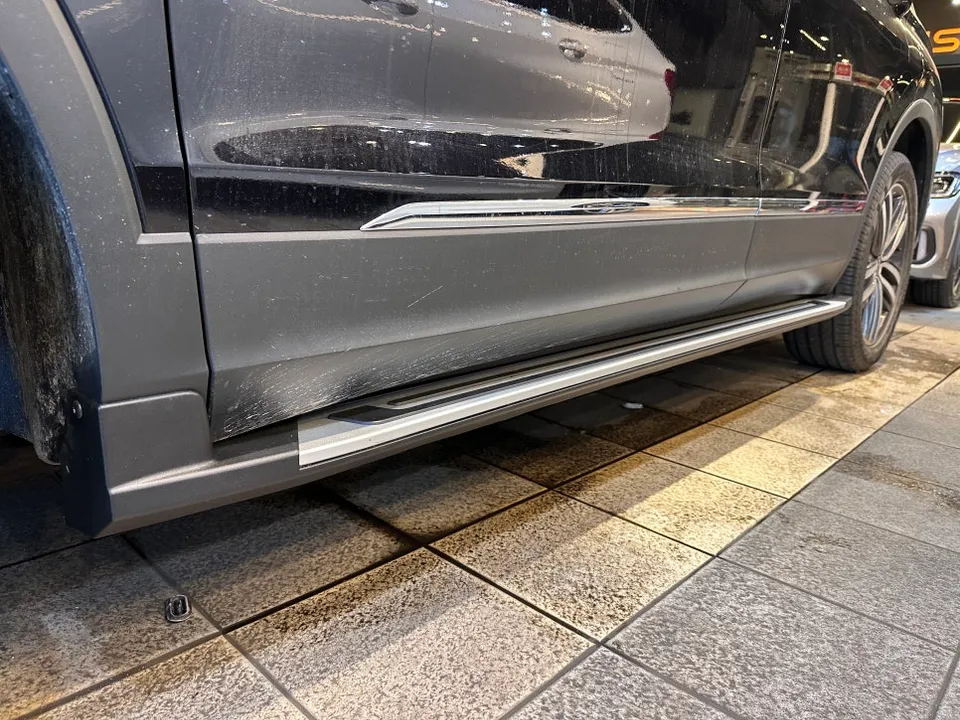
Performance and Durability of Tiguan Body Kits
Beyond the practical benefits of easier access, body kits can also refine the Tiguan's visual profile. When side steps are installed, they integrate seamlessly with the vehicle's side silhouette, creating a more cohesive and stylish appearance. The width and height of the installed steps are designed to provide ample support, reducing the physical strain on passengers during boarding by an estimated 60%, a benefit particularly noted by individuals with knee or back concerns. The durability of a fixed-type side step kit is generally impressive, with an average lifespan of 5 to 8 years. This longevity, however, is influenced by environmental factors and maintenance. In regions with harsh winters or coastal proximity, exposure to road salt and corrosive elements can accelerate wear. Proper maintenance, including regular washing and rinsing with fresh water, especially in salty environments, is crucial. Applying anti-corrosion treatments can further extend the life of the components, potentially beyond the 8-year mark. For instance, in coastal areas like Busan, South Korea, where this installation was performed, specific attention to rust prevention is vital due to the high salt content in the air and on the roads.
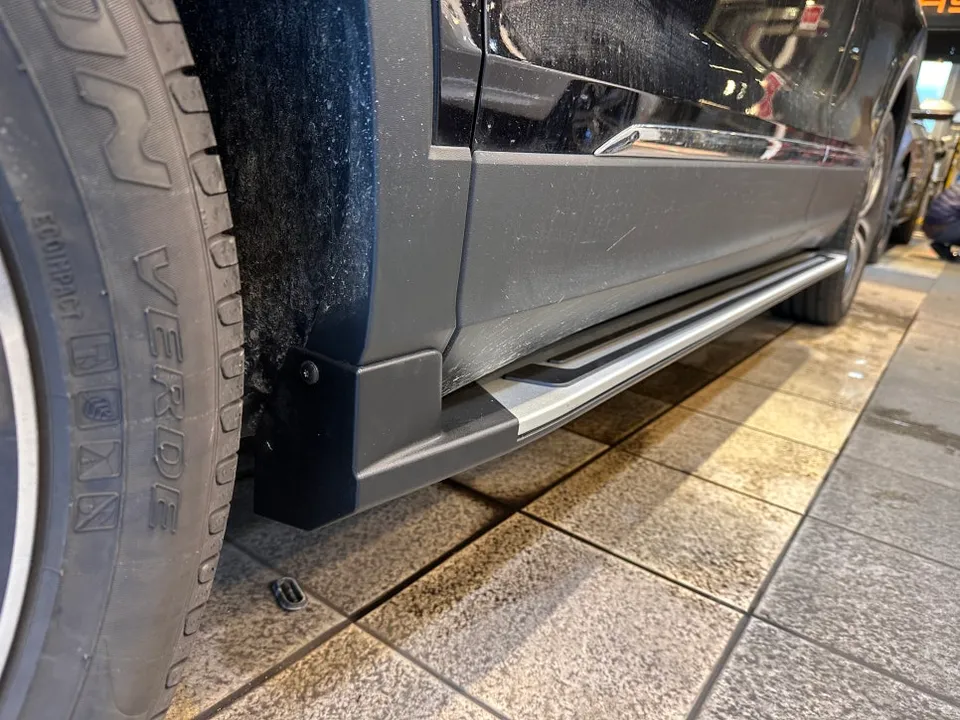
Cost and Considerations for Body Kit Installation
The cost for a body kit installation on a Volkswagen Tiguan, specifically for fixed-type side steps as detailed in this case, typically ranges from approximately 800,000 to 1,300,000 Korean Won (KRW). This price generally encompasses the cost of the parts, the installation labor, and any necessary protective treatments, such as anti-corrosion coatings. While this specific example was performed in South Korea, the general principles of installation, benefits, and durability apply universally. When considering a body kit, it's important to weigh the aesthetic improvements against the functional advantages and the overall investment. For families or individuals who frequently transport passengers, especially those with mobility challenges, the enhanced accessibility and reduced physical strain can make the cost a worthwhile consideration. The installation process is relatively quick, often completed within a few hours, allowing for minimal disruption.
Frequently Asked Questions
Q. How much does a body kit cost for a Volkswagen Tiguan?
The body kit installation for a Volkswagen Tiguan, specifically side steps, costs approximately 800,000 to 1,300,000 KRW (around $600-$1000 USD). Typical US installation costs can vary widely based on the kit and shop, often ranging from $750 to $2500 or more.
Q. How long does body kit installation take on a Volkswagen Tiguan?
The installation process for a body kit like side steps on a Volkswagen Tiguan is generally straightforward and can often be completed within a few hours. Proper maintenance, including regular cleaning and rust prevention treatments, is key to ensuring the kit's longevity, which can typically last 5-8 years or more.
Q. Is a body kit worth it for a Volkswagen Tiguan?
A body kit, especially functional side steps, is highly beneficial for Volkswagen Tiguan owners who prioritize easier passenger access, particularly for children and the elderly. The enhanced comfort and reduced physical strain during entry and exit often justify the investment for these users.
Q. How is a body kit installed on a Volkswagen Tiguan?
Body kit installation on a Volkswagen Tiguan typically involves using pre-designed mounting brackets that attach to the vehicle's existing frame without requiring welding or major modifications. 1. Secure the vehicle and identify mounting points. 2. Attach the custom brackets to the chassis. 3. Mount the body kit components (e.g., side steps) to the brackets, ensuring a snug fit. 4. Perform a final alignment check and tighten all fasteners.
Q. What is the difference between FRP and polyurethane body kits for a Volkswagen Tiguan?
While this review focused on side steps, broader body kits often come in materials like Fiberglass Reinforced Plastic (FRP) and polyurethane. FRP kits are typically lighter and more affordable but can be brittle and prone to cracking upon impact. Polyurethane kits are more flexible, durable, and impact-resistant, making them a better choice for longevity and resisting minor bumps, though they may be more expensive.
OhCar Partner Shop