Volkswagen Tiguan PPF Review: Cost & Installation
Service Price
$150+
Estimated price · Actual price may vary by shop
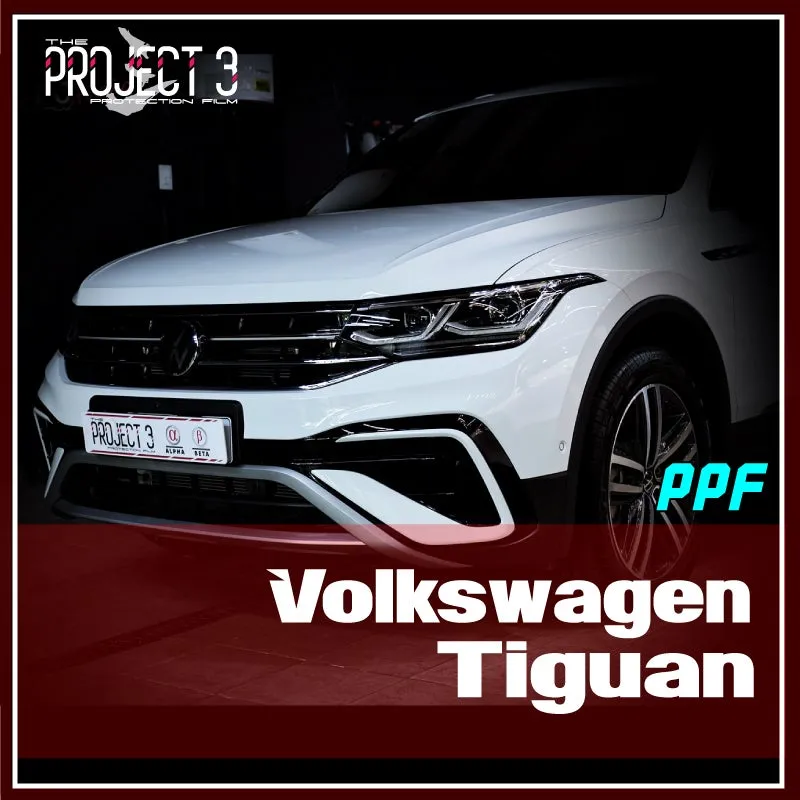
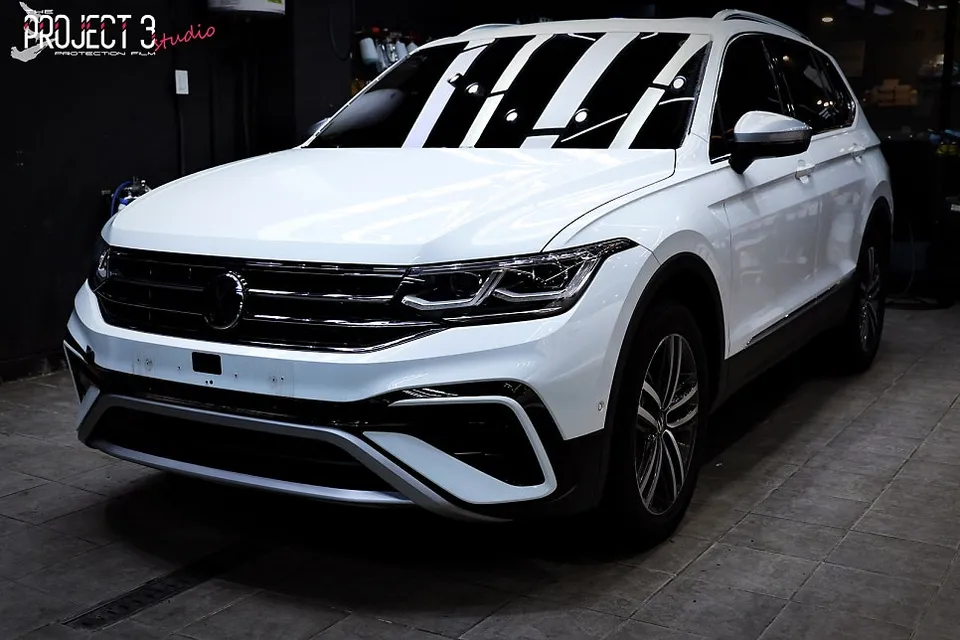
Full PPF for Volkswagen Tiguan: 4.5M-5.5M KRW. Protects against chips & scratches, maintaining resale value.
Understanding Paint Protection Film (PPF) for Your Volkswagen Tiguan
Volkswagen Tiguan owners often seek the best ways to preserve their vehicle's pristine paintwork. Paint Protection Film (PPF), also known as a clear bra, is a popular solution for safeguarding against everyday hazards like rock chips, scratches, and environmental contaminants. While the concept is straightforward – applying a transparent film to your car's exterior – the actual cost and quality of PPF installation can vary significantly. This review delves into why these price differences occur, the installation process, and what factors you should consider when deciding if PPF is the right choice for your Tiguan.
Why PPF Installation Costs Differ
The price of a full PPF wrap on a Volkswagen Tiguan isn't a fixed number. Several key elements contribute to the overall cost, making it crucial to understand these factors before committing. In Korea, a full PPF installation for a vehicle like the Tiguan typically ranges from 4.5 million to 5.5 million KRW (approximately $3,300 - $4,000 USD, though exchange rates fluctuate). This price variation stems from several critical areas:
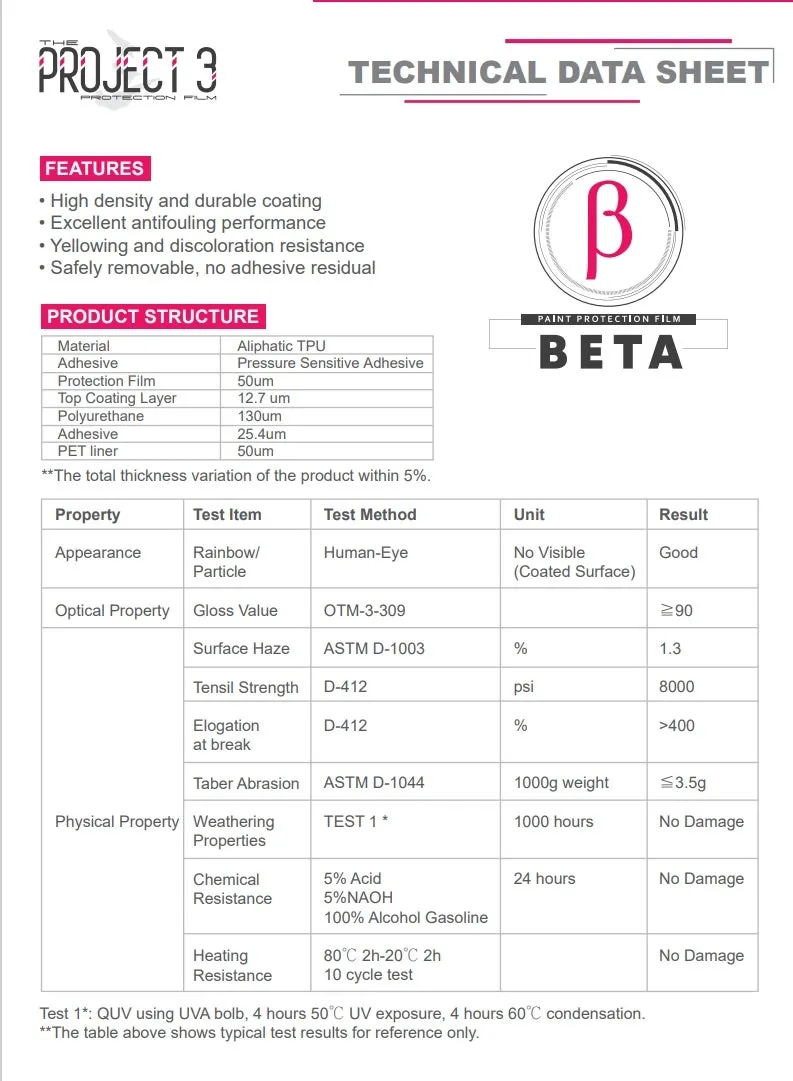
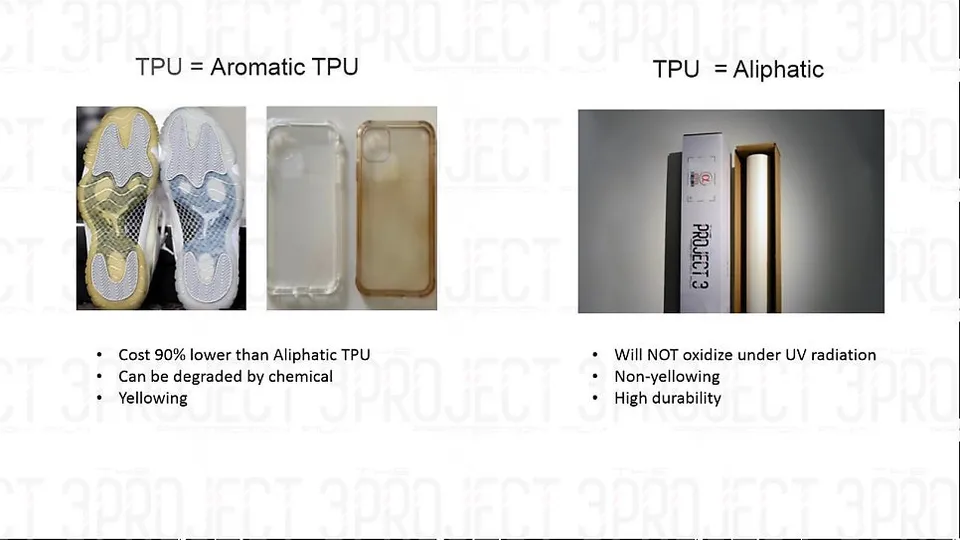
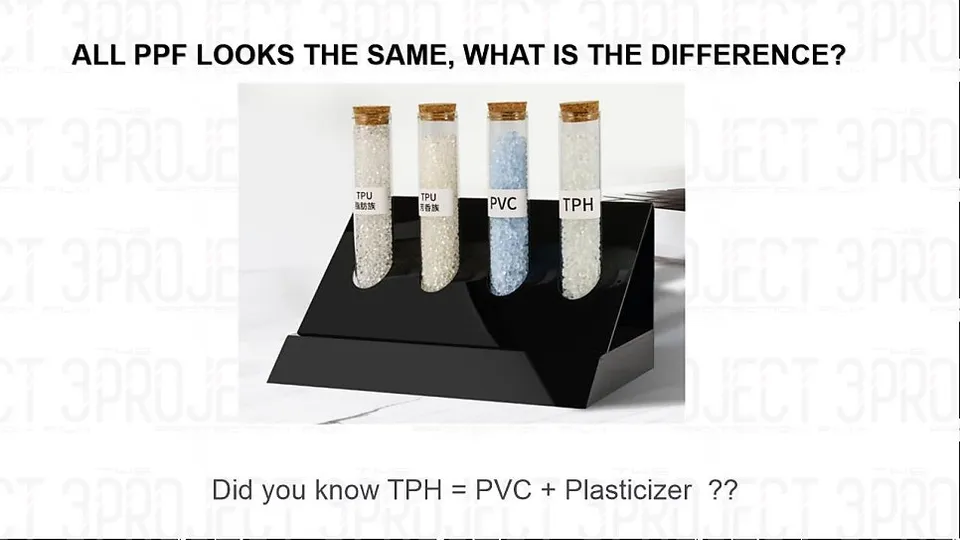
- PPF Product Quality: Not all PPF films are created equal. High-end brands often use superior thermoplastic polyurethane (TPU) that offers better durability, self-healing properties, and resistance to yellowing or gloss degradation. These premium films come with a higher material cost. The film's thickness also plays a role; thicker films generally offer more protection but can be more challenging to install, increasing labor costs. Cheaper, lower-quality films might seem like a bargain initially but can lead to premature failure and costly reapplication.
- Installer Skill and Experience: PPF application is an art form requiring precision. Experienced installers who have worked with various brands and vehicle models, including the Volkswagen Tiguan, can achieve a flawless finish. Their expertise ensures the film is perfectly stretched over curves and edges without lifting or bubbling, mimicking the original paintwork. This level of skill often commands a higher price due to the time saved and the reduced risk of errors.
- Work Environment and Equipment: Professional PPF shops invest in clean, dust-free environments and specialized tools. This includes advanced cutting plotters that precisely pre-cut patterns for specific vehicle models, minimizing the need for on-the-car trimming with blades that could damage paint. Access to specialized equipment for complex areas like mirrors also contributes to a cleaner, more efficient installation. The overhead costs associated with maintaining such an environment and equipment are factored into the service price.
- Vehicle Size and Complexity: While the Tiguan is a mid-size SUV, larger or more complex vehicle shapes naturally require more material and time to cover, influencing the final cost.
- Regional Market Competition: Like any service industry, the level of competition among PPF installers in a specific area can affect pricing.
The PPF Installation Process for a Volkswagen Tiguan
A professional PPF installation is a meticulous process designed to ensure maximum protection and a seamless look. Here’s a general overview:
- Thorough Cleaning and Preparation: The vehicle's surface is meticulously washed, decontaminated, and often clay-barred to remove any embedded impurities. Any existing imperfections like swirl marks or minor scratches are typically addressed before film application.
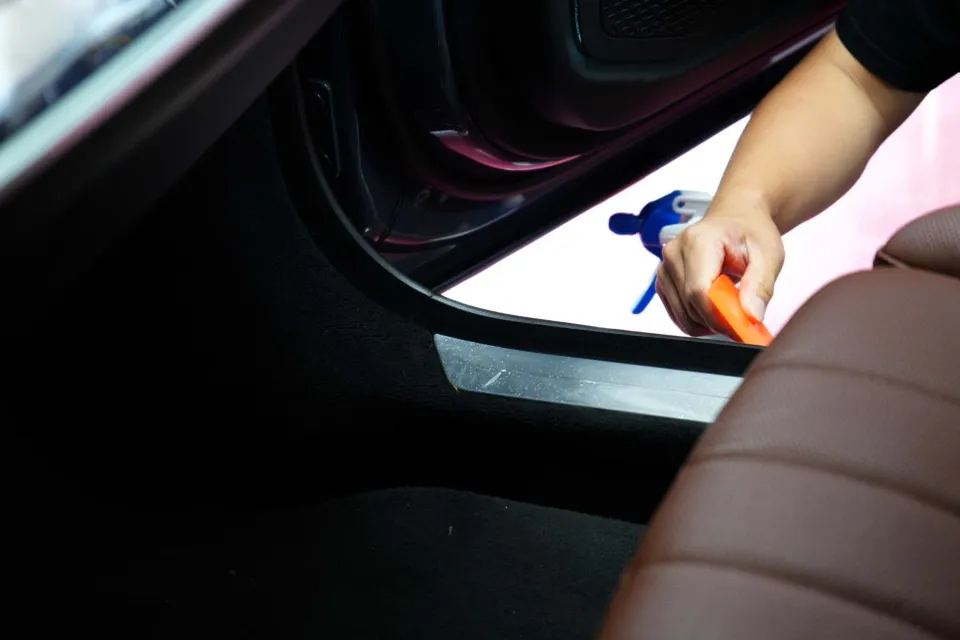
- Pattern Cutting and Application: Using specialized software, patterns are precisely cut for each panel of the Tiguan. The film is then carefully applied, using slip solutions and squeegees to ensure perfect adhesion and remove all air bubbles.
- Heat Setting and Curing: Heat is applied to activate the film's adhesive and conform it to the vehicle's contours. The film then needs time to cure fully, during which it achieves its maximum protective properties and clarity.
Is PPF Worth It for Your Volkswagen Tiguan?
Paint Protection Film offers significant benefits, primarily in preserving your vehicle's appearance and resale value. It acts as a robust shield against common road hazards that can cause unsightly damage to your paint. For Tiguan owners who frequently drive on highways, live in areas with harsh weather, or simply want to maintain a like-new finish for years to come, PPF can be an excellent investment. While the upfront cost is substantial, the protection it offers against costly paint repairs and the enhancement of your car's long-term value often justify the expense. Consider the trade-off between the initial investment and the potential cost of paint damage and restoration down the line.
Frequently Asked Questions
Q. How much does PPF cost for a Volkswagen Tiguan?
In Korea, full PPF installation for a Volkswagen Tiguan typically ranges from 4.5 million to 5.5 million KRW. In the US, expect costs to start around $150 for partial applications like front bumper protection, with full wraps often costing several thousand dollars.
Q. How long does PPF last on a Volkswagen Tiguan?
High-quality PPF can last for 5 to 10 years, depending on the brand and maintenance. Regular washing and avoiding harsh chemical cleaners will help extend its lifespan.
Q. Is PPF worth it for a Volkswagen Tiguan?
PPF is worth it for Volkswagen Tiguan owners who prioritize maintaining a pristine paint finish and maximizing resale value, especially if they frequently drive on highways. It provides superior protection against rock chips and scratches compared to other methods.
Q. How is PPF installed on a Volkswagen Tiguan?
Installation involves meticulously cleaning the vehicle, precisely cutting the film using patterns, and carefully applying it to the paintwork with squeegees to eliminate air bubbles. Heat is then used to set the film, ensuring a smooth, integrated finish.
Q. What is the difference between PPF and ceramic coating for a Volkswagen Tiguan?
PPF provides physical protection against impacts like rock chips and scratches, while ceramic coating offers a hard, hydrophobic layer that repels water and contaminants, enhancing gloss. PPF is a thicker, sacrificial layer, whereas ceramic coating is a thin, durable sealant.
OhCar Partner Shop
More ppf Reviews
See all →

More Volkswagen Reviews
Pair with Another Service
Complete your new car protection package