Audi A6 C7 OEM Options Review — Installation Cost & Results
Service Price
$approx. $400–800
Estimated price · Actual price may vary by shop


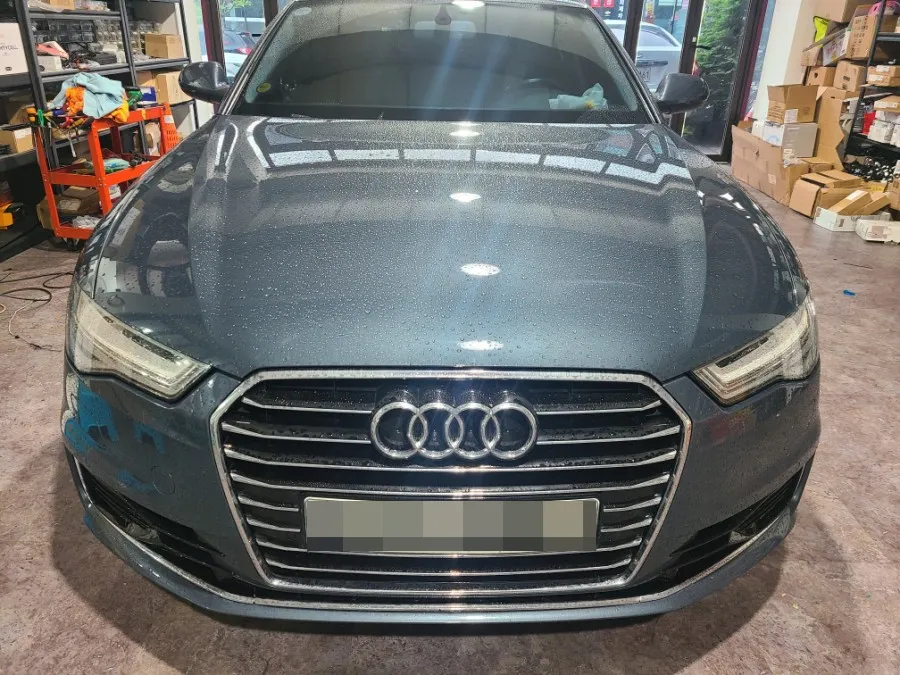
Audi A6 C7 OEM options installation: Cost varies. Results in seamless integration and enhanced functionality. Worth it for long-term value.
Audi A6 C7 OEM Options: A Comprehensive Review
When considering upgrades for your Audi A6 C7, the allure of OEM options and factory retrofits is strong. These aren't just aftermarket add-ons; they are genuine parts designed and tested by the manufacturer, ensuring perfect integration and maintaining the vehicle's integrity. This review delves into the practical aspects of installing OEM options, covering installation costs, the tangible before-and-after results, long-term durability, potential risks, and ultimately, whether these factory upgrades are a worthwhile investment for your A6 C7.
Understanding OEM Options and Factory Upgrades
OEM options, often referred to as factory options or dealer options, are features or enhancements that could have been specified when the car was originally ordered from the factory. A factory option retrofit involves installing these genuine components after the initial purchase. This can range from advanced infotainment systems and driver-assistance features to aesthetic enhancements. Unlike aftermarket parts, OEM options are built to the exact specifications of your Audi A6 C7, guaranteeing compatibility and often seamless integration with the car's existing systems. The Korean context for this service often involves specialized shops that focus on precise coding and restoration, ensuring that even complex digital or older key systems are handled with meticulous care. While the original context mentions key restoration, the principle extends to other factory options.
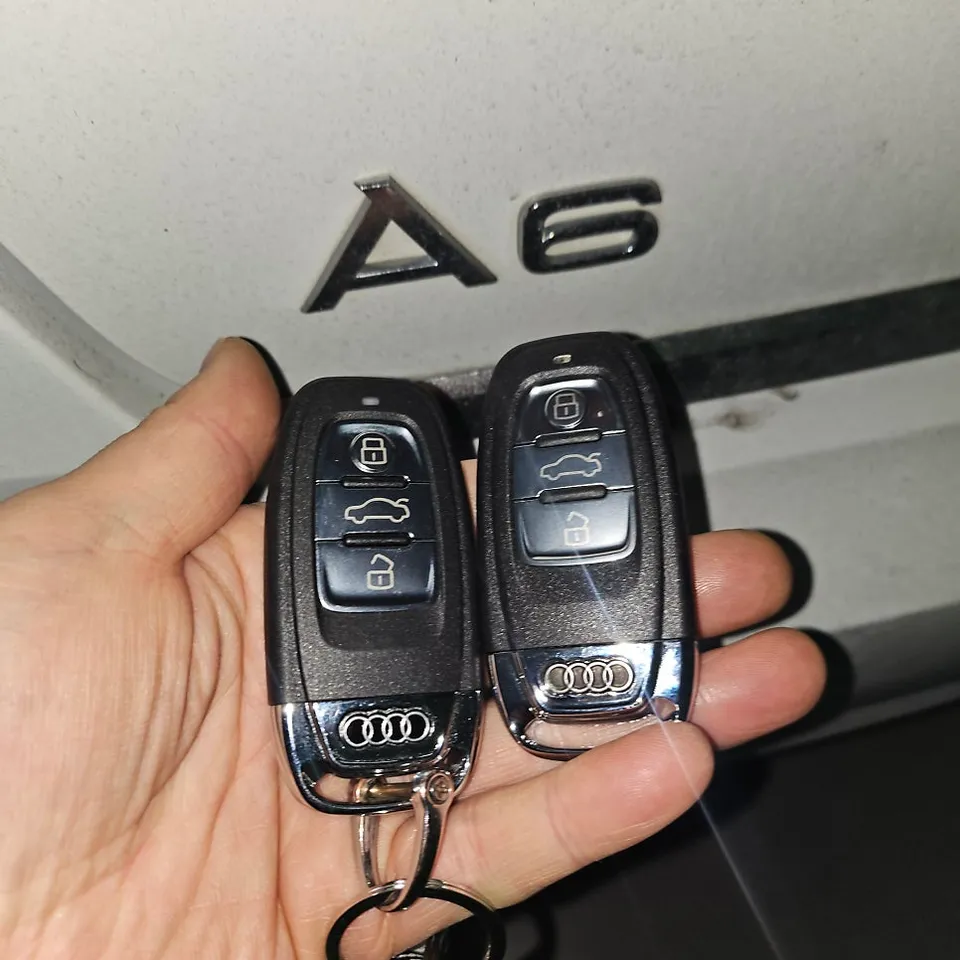
Installation Process and Results
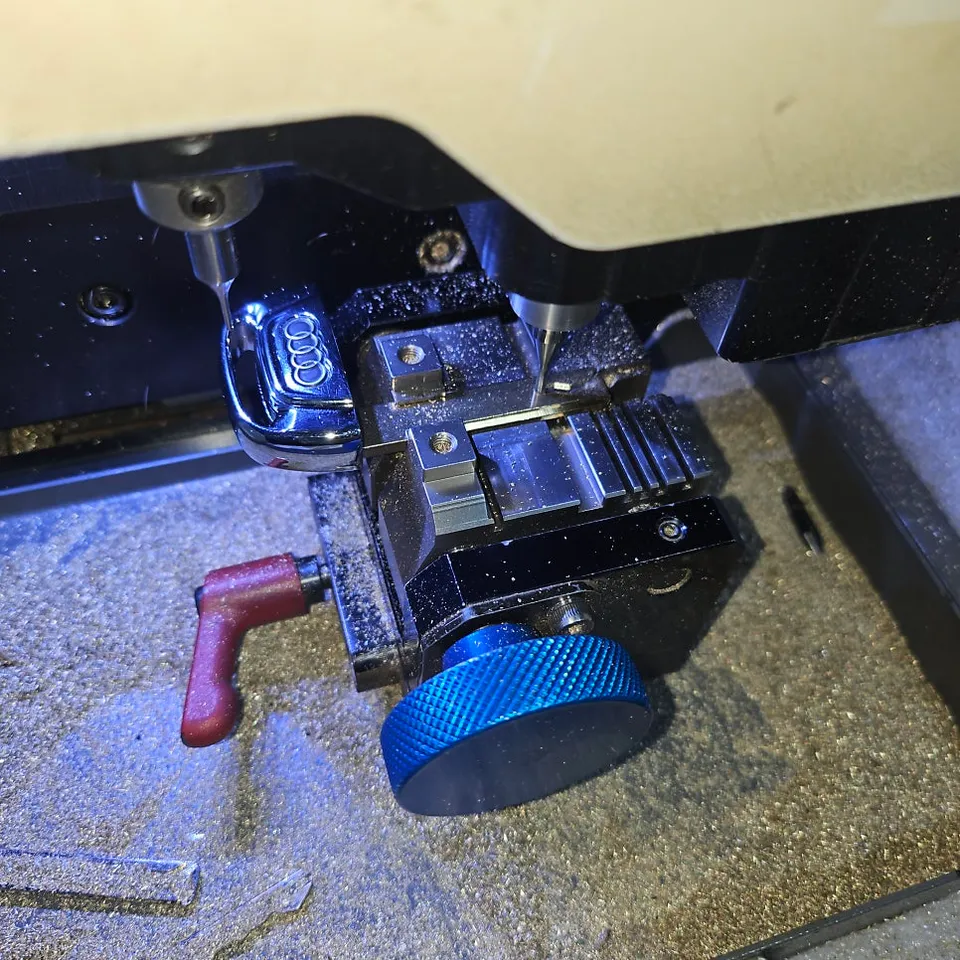
The installation of OEM options on an Audi A6 C7 is a precise process that requires specialized knowledge and tools. It's not a simple plug-and-play operation; it often involves intricate wiring, component replacement, and crucially, sophisticated coding to integrate the new features with the car's electronic architecture. Shops specializing in these retrofits, particularly those with experience in precise coding, can ensure that the new options function exactly as they would from the factory.
Installation process:
- Diagnosis and Part Sourcing: Identifying the specific OEM parts required and ensuring their genuine origin.
- Component Installation: Physically fitting the new hardware into the vehicle, which may involve dashboard disassembly or wiring harness modifications.
- Software Coding and Integration: Using specialized diagnostic tools to program the car's control modules to recognize and operate the new OEM option. This step is critical for functionality and error-free operation.
- Testing and Verification: Thoroughly testing all functions of the newly installed option to confirm it operates flawlessly and without impacting other vehicle systems.
The before-and-after results are typically significant. A factory upgrade can modernize the driving experience, enhance safety, or improve convenience. For instance, adding a factory navigation system or an upgraded sound system can transform the cabin's ambiance and functionality. The durability of OEM options is generally excellent, as they are designed for the lifespan of the vehicle. Maintenance usually involves standard vehicle upkeep, though specific electronic components might require occasional software updates or checks by a qualified technician.

Is it Worth the Cost?
The decision to invest in OEM options for your Audi A6 C7 hinges on several factors, primarily cost versus benefit. While OEM retrofits can be more expensive than aftermarket alternatives, they offer superior integration, reliability, and often retain or even enhance the vehicle's resale value. The precision involved in the installation and coding process, as highlighted in the Korean context, ensures a level of quality that is hard to match. If you value seamless functionality, factory-level fit and finish, and long-term reliability, then a factory option retrofit can be a very worthwhile investment. However, if budget is a primary concern and the desired features are available from reputable aftermarket brands with good warranties, those might be a more cost-effective route. Ultimately, weigh the cost of the OEM option against the specific benefits it brings to your driving experience and the long-term value it adds to your Audi A6 C7.
Frequently Asked Questions
Q. How much does OEM option and factory upgrade installation cost for a Audi A6 C7?
The cost for OEM options and factory upgrades on an Audi A6 C7 can vary significantly based on the specific option, but expect costs to be higher than aftermarket alternatives. In Korea, specialized installations can range from several hundred to thousands of dollars (USD equivalent), depending on complexity.
Q. How long does OEM options installation take on a Audi A6 C7?
The durability of OEM options is generally excellent, designed to last the vehicle's lifetime with proper care. Basic maintenance typically involves standard vehicle upkeep, though occasional software checks by a specialist may be beneficial for electronic features.
Q. Are OEM options worth adding after purchase for a Audi A6 C7?
OEM options are most beneficial for owners who prioritize seamless integration, factory-level quality, and long-term reliability, potentially enhancing resale value. If these factors are important to you, the investment is often justified.
Q. How are OEM factory options installed on a Audi A6 C7?
Installation involves sourcing genuine OEM parts, physically fitting them into the vehicle (which may require disassembly), and crucially, using specialized tools for precise software coding and integration with the car's existing systems. Finally, thorough testing ensures all functions operate correctly.
Q. What is the difference between dealer-installed options and aftermarket upgrades for a Audi A6 C7?
Dealer-installed OEM options are genuine manufacturer parts designed for perfect integration and reliability, often maintaining vehicle warranty, whereas aftermarket upgrades are made by third-party companies and may offer more variety or lower cost but can sometimes compromise integration or long-term performance.
OhCar Partner Shop