Hyundai Elantra CN7 Power Trunk Retrofit Review
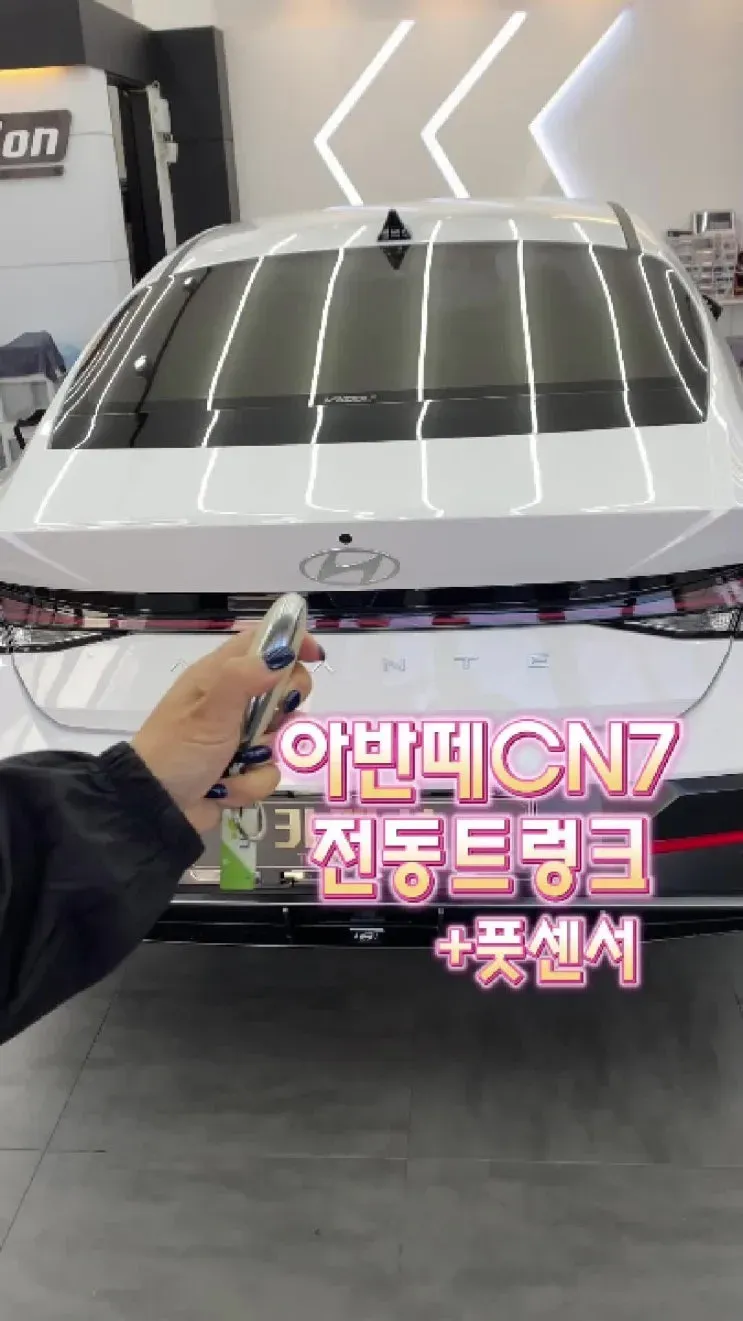

Hyundai Elantra CN7 power trunk & foot sensor retrofit: ₩300k-₩600k. Adds significant convenience for hands-free trunk access.
Enhancing Your Hyundai Elantra CN7 with OEM-Style Power Trunk and Foot Sensor Retrofit
Many Hyundai Elantra CN7 owners find themselves wishing for a bit more convenience when dealing with their trunk. Whether your hands are full of groceries or you're juggling a stroller, manually opening and closing the trunk can be a hassle. This review explores the benefits and process of retrofitting an OEM-style power trunk and foot sensor system, transforming the daily usability of your Elantra CN7. This upgrade aims to bring factory-level convenience to your vehicle, enhancing practicality without compromising the car's aesthetics or integrity.
The Installation Process and What to Expect
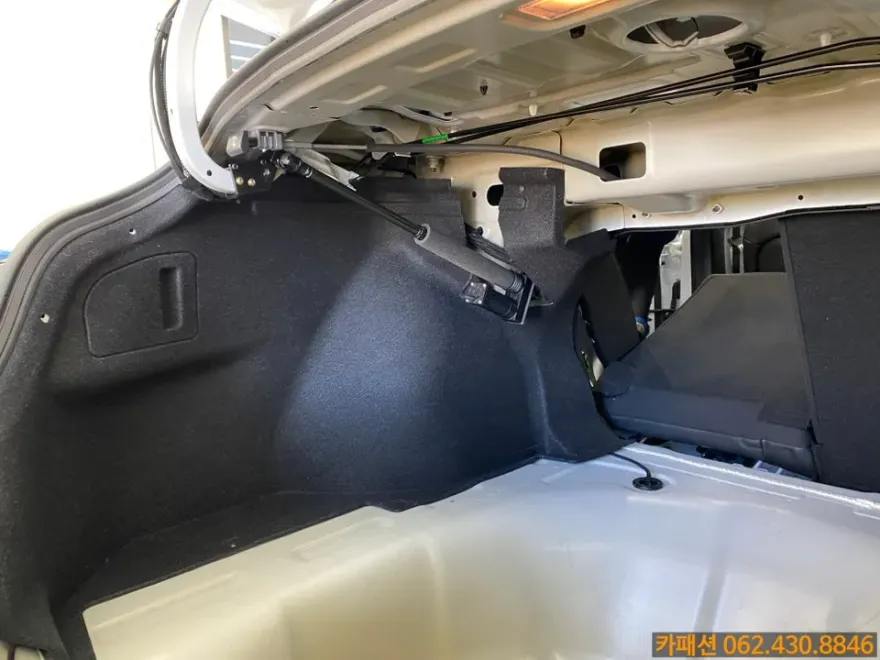
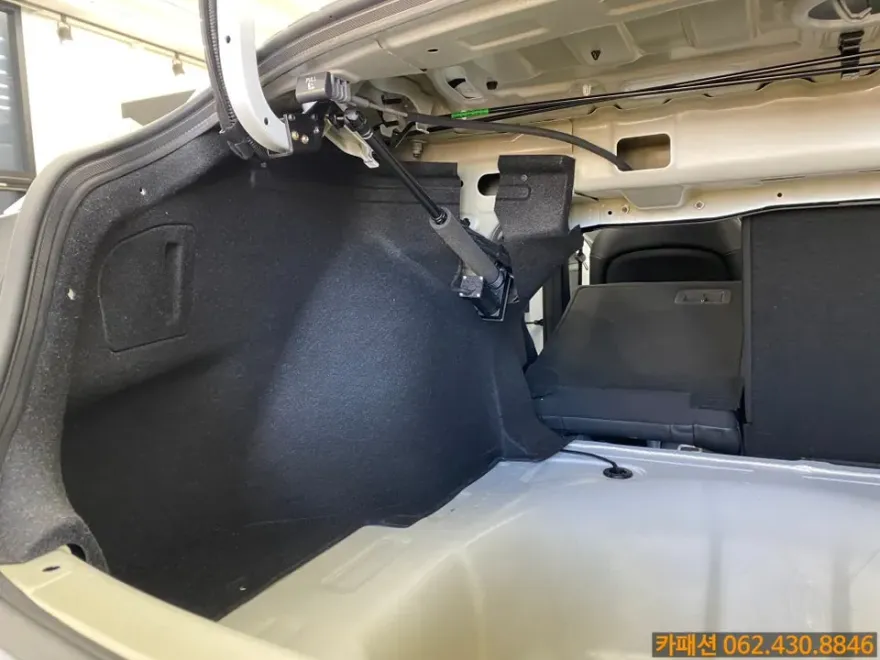
The installation of an OEM-style power trunk and foot sensor system on a Hyundai Elantra CN7 is a detailed process that typically takes around 3 to 4 hours to complete. The process begins with the careful disassembly of the trunk area and rear interior panels to access the necessary mounting points and wiring harnesses. Precision is key, as specialized components like power struts, a trunk motor, a control module, and new switches are meticulously installed. The wiring is routed discreetly, ensuring it doesn't interfere with existing systems or create unwanted noise. Sound-dampening materials are often applied to the wiring to prevent rattles. A new button is integrated into the driver's side for easy trunk operation, and another is added to the trunk lid itself for convenient closing. The foot sensor is typically installed under the rear bumper, allowing for hands-free operation by simply gesturing with your foot.
Before and After: The Convenience of a Power Trunk and Foot Sensor
The most significant change after installing a power trunk and foot sensor is the dramatic increase in convenience. Before the retrofit, opening the trunk required manual effort, often complicated by having your hands full. After installation, the trunk can be opened and closed effortlessly using the driver's side button, the trunk lid button, or the smart key. The addition of the foot sensor is a game-changer for those moments when you have your hands occupied; a simple wave of the foot under the rear bumper automatically opens or closes the trunk. This upgrade is particularly beneficial for families with young children or anyone who frequently transports items, making loading and unloading significantly easier and faster. The system is designed to mimic the quality and functionality of factory-installed options, providing a seamless and satisfying user experience.
Installation Process:
- Careful disassembly of trunk and rear interior panels.
- Precise installation of power struts, motor, control module, and switches.
- Meticulous wiring integration with sound-dampening treatment.
- Installation of driver-side and trunk lid buttons for operation.
- Mounting and calibration of the foot sensor under the rear bumper.
The cost for this type of retrofit can vary, generally ranging from approximately 300,000 to 600,000 Korean Won (roughly $220-$440 USD, depending on exchange rates and specific product grade). It's important to consult with the installer for an accurate quote based on your vehicle and chosen components. When considering this upgrade, ensure the installer uses quality components, performs thorough wiring work, and offers a reliable after-sales service policy.
Frequently Asked Questions
Q. How much does OEM option and factory upgrade installation cost for a Hyundai Elantra CN7?
The cost for an OEM-style power trunk and foot sensor retrofit on a Hyundai Elantra CN7 typically ranges from 300,000 to 600,000 Korean Won (approx. $220-$440 USD). Similar factory upgrade retrofits in the US can vary widely based on the specific components and labor rates.
Q. How long does OEM options installation take on a Hyundai Elantra CN7?
Installation of OEM options like a power trunk and foot sensor on a Hyundai Elantra CN7 usually takes between 3 to 4 hours, allowing for same-day completion. Proper maintenance involves ensuring the power struts and sensors remain clean and unobstructed for optimal longevity.
Q. Are OEM options worth adding after purchase for a Hyundai Elantra CN7?
Adding OEM-style power trunk and foot sensor options is highly beneficial for Hyundai Elantra CN7 owners who frequently carry items or desire enhanced convenience. The value lies in the significant improvement to daily usability and ease of access.
Q. How are OEM factory options installed on a Hyundai Elantra CN7?
OEM factory options are installed by carefully integrating specialized components. The process typically involves 1. Disassembling relevant interior panels. 2. Precisely mounting power struts, motors, and control modules. 3. Routing and connecting wiring harnesses discreetly. 4. Installing new control buttons and the foot sensor. 5. Testing all functions thoroughly.
Q. What is the difference between dealer-installed options and aftermarket upgrades for a Hyundai Elantra CN7?
Dealer-installed options often aim to replicate factory functionality and quality using OEM-style parts, whereas aftermarket upgrades can range from basic to highly customized solutions. For convenience features like power trunks, OEM-style retrofits generally offer a balance of quality and cost-effectiveness.
Q. What should I know before getting OEM Options on a Hyundai Elantra CN7? (common regrets and mistakes)
The most common regret is not ensuring the quality of the wiring installation, which can lead to electrical issues or noise. Always choose a reputable installer who pays attention to detail, including sound dampening, and provides a clear warranty.
OhCar Partner Shop