Audi A6 C7 OEM Options Review: Cost & Results
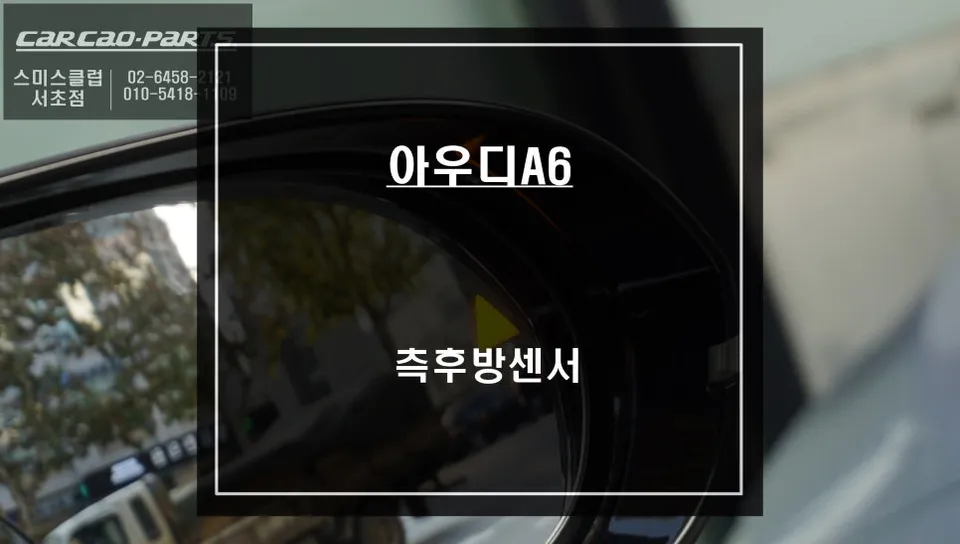
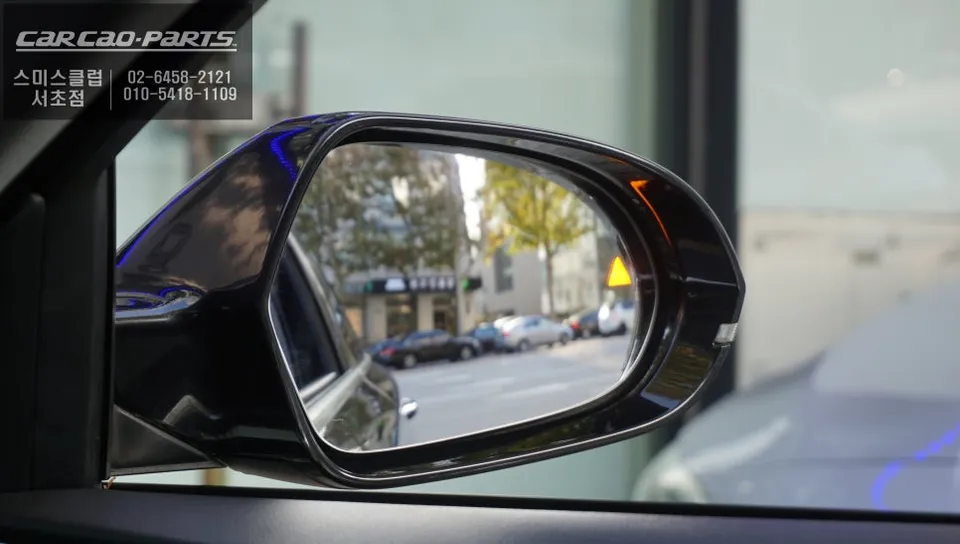
Audi A6 C7 blind spot sensor retrofit: Approx. ₩300,000-₩500,000. Enhances safety with radar detection and wide-angle mirrors.
Audi A6 C7 Blind Spot Sensor Retrofit: Enhancing Safety
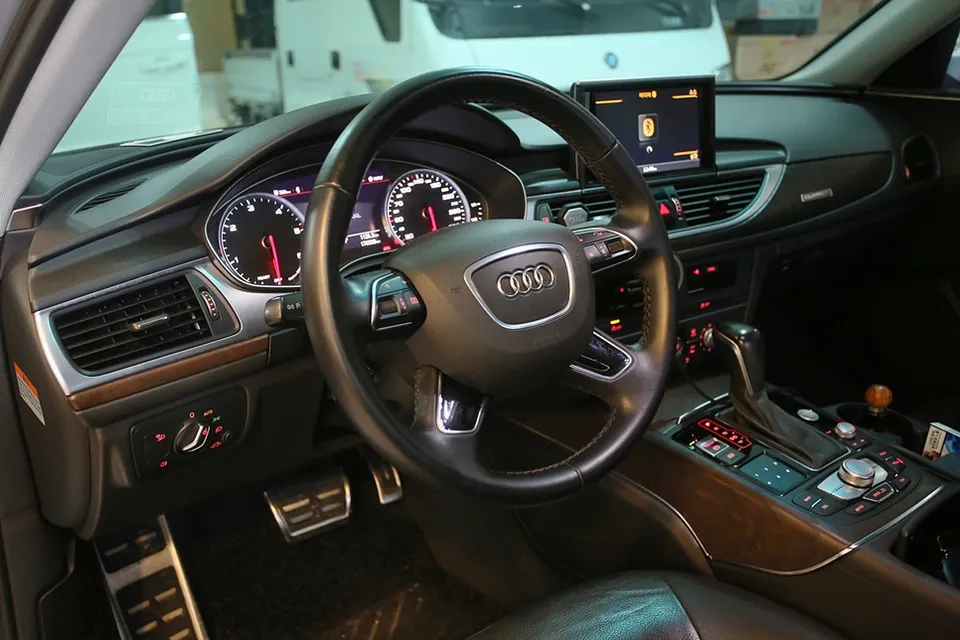
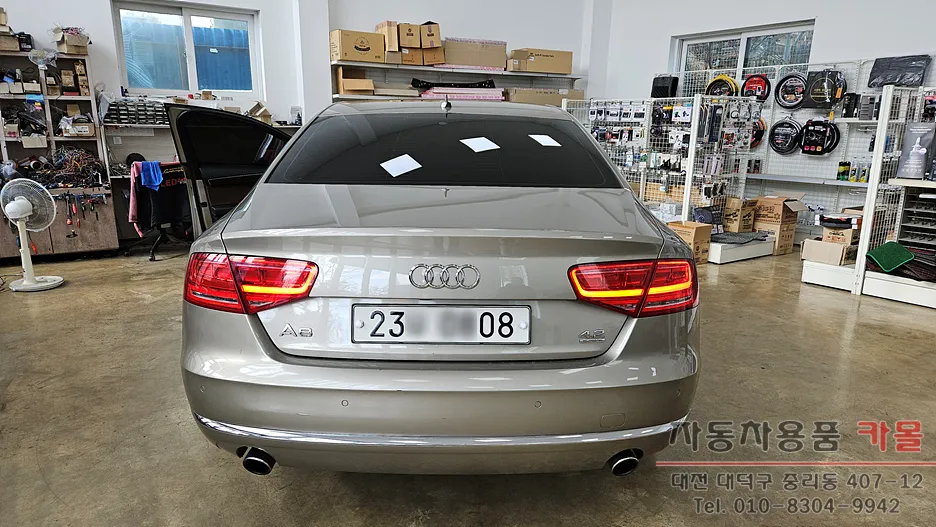
The Audi A6 C7 is a sophisticated vehicle, but like many modern cars, it can have blind spots that compromise safety, especially in busy urban environments. To address this, a common and highly recommended upgrade is the installation of a blind spot detection system, often referred to as OEM options or a factory option retrofit. This review details the process, benefits, and considerations for adding this crucial safety feature to your A6 C7.
Understanding Blind Spot Detection Systems (S-RADAR)
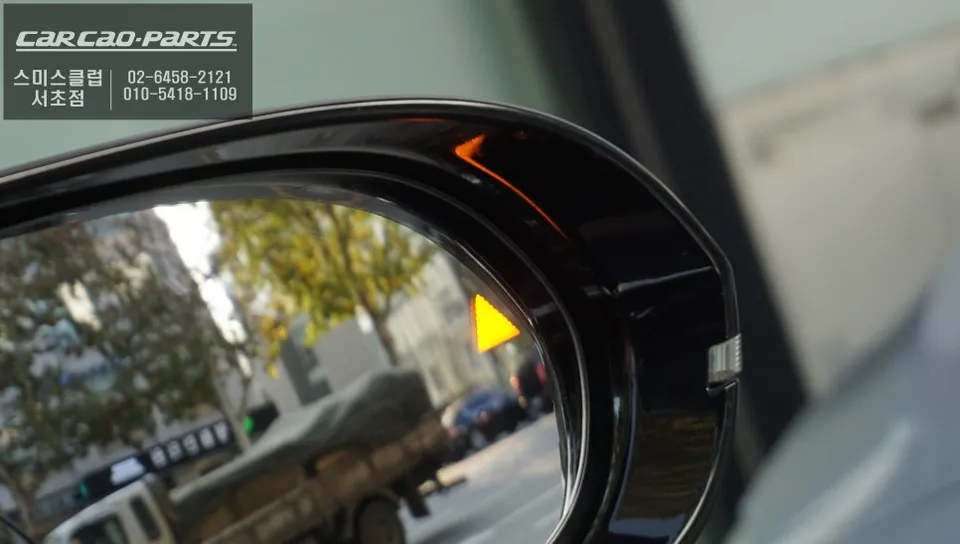
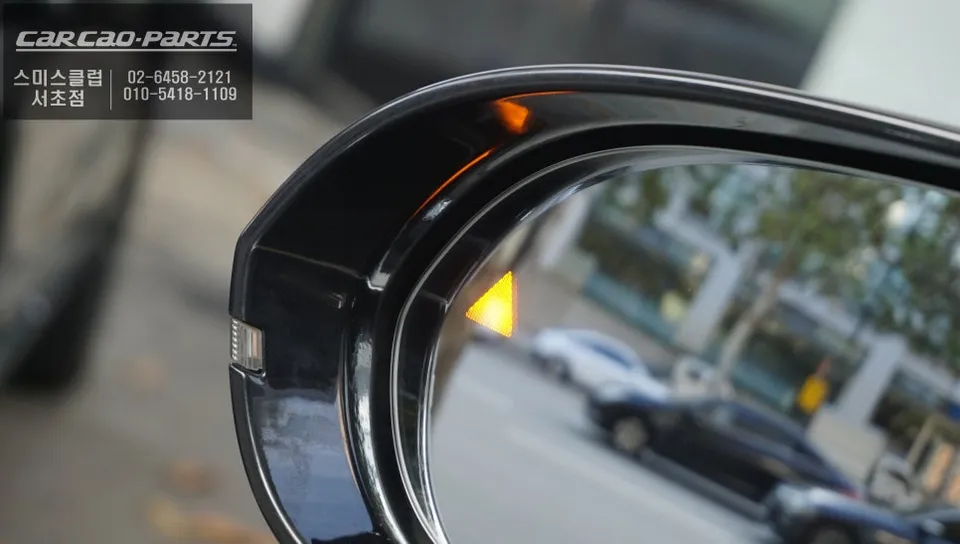
The core of this upgrade is the S-RADAR system, a radar-based technology designed to detect approaching vehicles in your rear blind spots. Unlike simple parking sensors, this system focuses on moving objects within approximately 7 meters, providing real-time alerts to prevent potential collisions during lane changes. The system integrates seamlessly with your vehicle's existing electronics. When you activate your turn signal, if the system detects a vehicle in the blind spot, a warning lamp illuminates on the corresponding side mirror. If a vehicle is present and you attempt to change lanes, the lamp will flash, and an audible warning may sound, alerting you to the danger.
Complementing the radar sensors are BSM wide-angle mirrors. Standard Audi A6 C7 mirrors offer a limited field of view, creating significant blind spots. The 800R wide-angle mirrors are curved with a specific radius (800mm) to dramatically expand your peripheral vision. This wider view allows you to visually confirm the presence of vehicles detected by the sensors, offering a dual layer of safety. The curvature ensures that areas previously hidden from view are now visible, making lane changes significantly safer.
Why Your Audi A6 C7 Needs This Factory Upgrade
The sleek design of the Audi A6 C7, while aesthetically pleasing, can contribute to restricted rearward visibility. This is particularly true in dense city traffic where frequent lane changes are necessary. A blind spot detection system acts as an electronic co-pilot, mitigating the risks associated with these blind spots. It's important to note that while highly effective, these sensors are designed to detect moving vehicles. They may not react to stationary objects like parked cars or roadside debris. Therefore, driver vigilance remains paramount, and the system should be seen as an aid, not a replacement for careful observation.
Installation Process:
- The process begins with the careful disassembly of the side mirrors to access the interior.
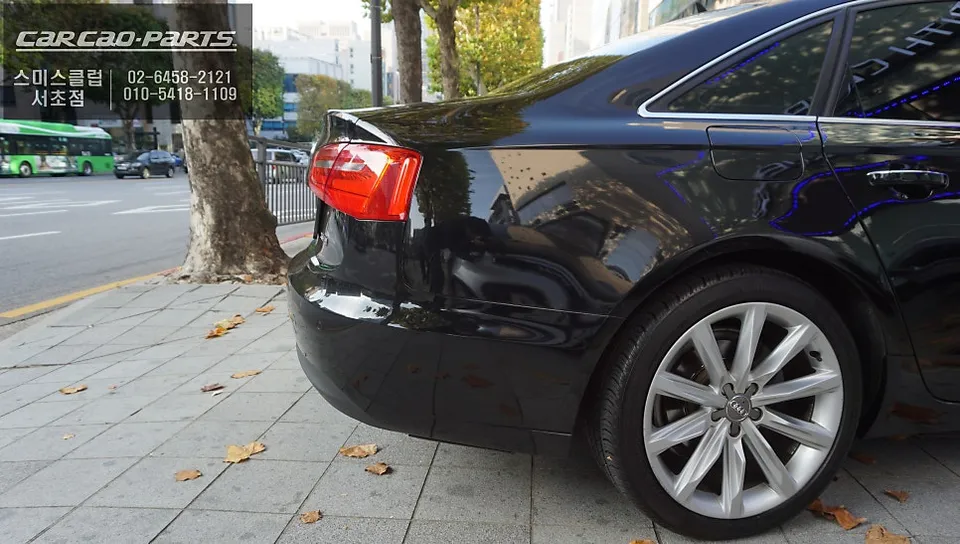
- Radar sensors are discreetly mounted on the rear bumper, and wiring is meticulously routed through the vehicle's chassis to connect to the control module.
- The original side mirrors are replaced with the BSM wide-angle mirrors, and warning indicator LEDs are integrated into the mirror housings or housings themselves.
- All connections are secured, and the system undergoes calibration to ensure accurate detection and minimize false alerts (often referred to as 'so-gwang' removal in Korean context).
- Finally, the interior trim is reassembled, and the system is tested thoroughly to confirm proper functionality.
The installation, performed by specialists like 'Oneul-ui Car' in Seocho, South Korea, typically takes about 2 to 3 hours. They use KC-certified products that have been proven reliable on over 800 imported vehicles. The installation is designed to be as clean and integrated as factory-fitted options, preserving the car's aesthetic appeal.
Cost and Value of OEM Options
The cost for a blind spot detection system retrofit on an Audi A6 C7 can vary based on the specific kit, the year of the vehicle, and any additional services required. In Korea, such installations, including the sensors, wiring, and wide-angle mirrors, might range from approximately 300,000 to 500,000 KRW (roughly $220-$370 USD, subject to exchange rates). While this is an investment, the enhanced safety and peace of mind it provides, particularly for a luxury sedan like the A6 C7, often make it a worthwhile factory upgrade.
Frequently Asked Questions
Q. How much does OEM option and factory upgrade installation cost for a Audi A6 C7?
In Korea, the installation cost for a blind spot detection system retrofit on an Audi A6 C7 typically ranges from ₩300,000 to ₩500,000 (approximately $220-$370 USD). Similar factory upgrades in the US can range from $300 to $800 depending on the system and installer.
Q. How long does OEM options installation take on a Audi A6 C7?
The installation of blind spot sensors and wide-angle mirrors on an Audi A6 C7 generally takes between 2 to 3 hours. Proper maintenance involves ensuring the sensors remain clean and unobstructed by dirt or debris.
Q. Are OEM options worth adding after purchase for a Audi A6 C7?
Yes, adding blind spot detection is highly recommended for Audi A6 C7 owners, especially those who frequently drive in urban areas with heavy traffic. The enhanced safety and reduction in potential accidents offer significant value.
Q. How are OEM factory options installed on a Audi A6 C7?
Installation involves mounting radar sensors on the rear bumper, routing wiring, and replacing side mirrors with wide-angle versions that include warning indicators. The system is then calibrated for optimal performance.
Q. What is the difference between dealer-installed options and aftermarket upgrades for a Audi A6 C7?
Dealer-installed options, often referred to as OEM options or factory option retrofits, are designed to integrate seamlessly with the vehicle's existing systems and aesthetics, using parts equivalent to original factory specifications. Aftermarket upgrades may offer similar functionality but might not always match the original fit, finish, or system integration.
Kakao Parts