Audi A6 PPF Review: Interior Wrap & Protection Cost
Service Price
$40–80
Estimated price · Actual price may vary by shop
Audi A6 interior wrap & PPF: Cost varies, approx. 4-6 hours. Transforms cabin with carbon black film & screen protection.
Revitalize Your Audi A6 Interior with Premium Protection
Considering a refresh for your Audi A6's interior? Sometimes, instead of a full vehicle upgrade, a well-executed interior customization can bring a renewed sense of satisfaction. This review explores how interior wrapping and Paint Protection Film (PPF) can dramatically alter the aesthetics and durability of your A6's cabin, drawing from real-world installation examples and owner feedback. We'll detail the process, the benefits, and the economic advantages of choosing interior upgrades over a new car purchase.
Transforming the Audi A6 Cabin: Wrap & PPF Synergy
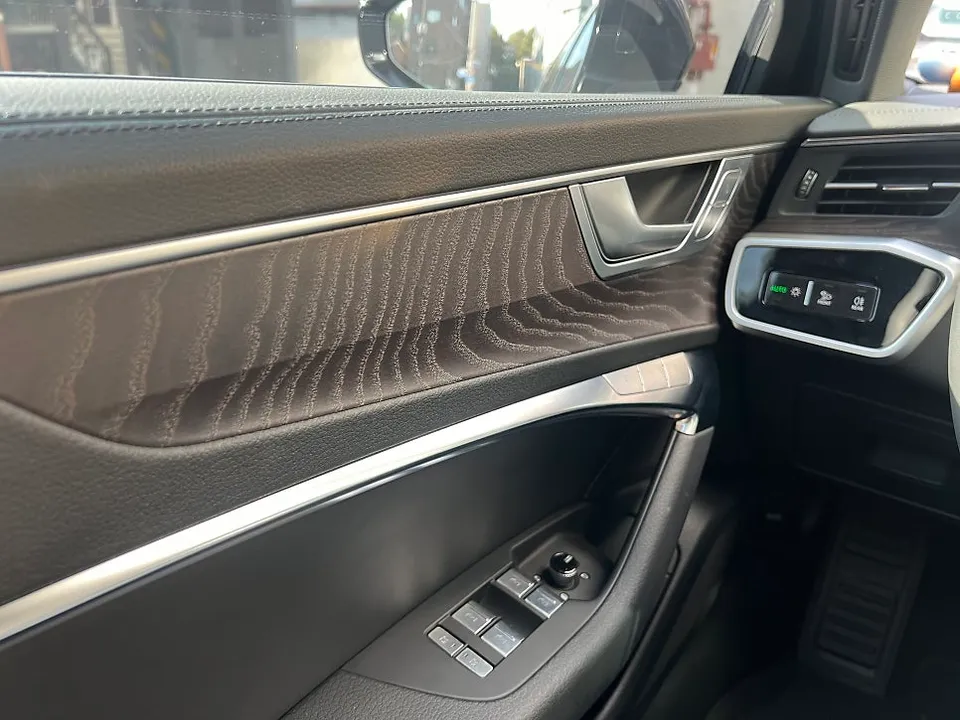
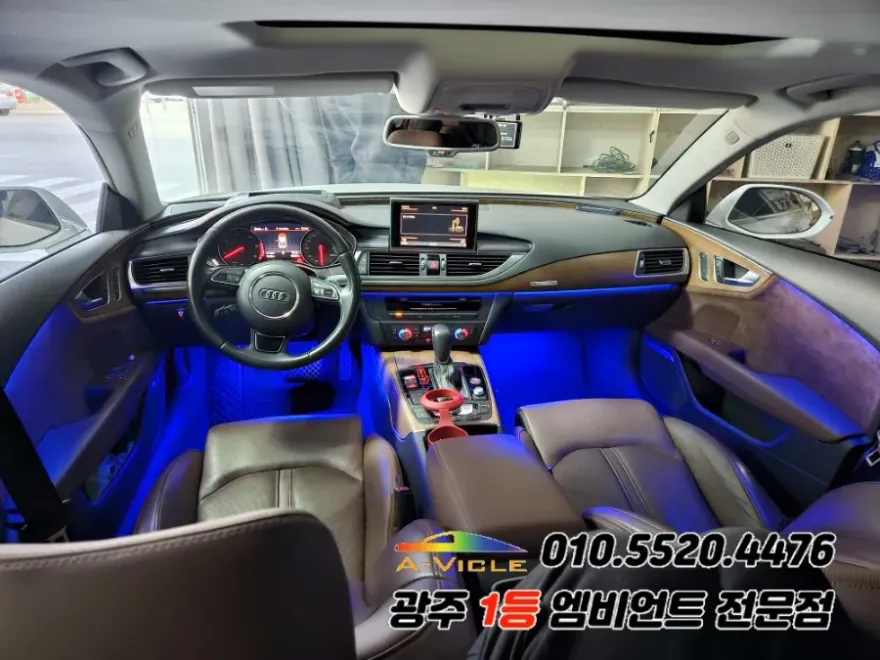
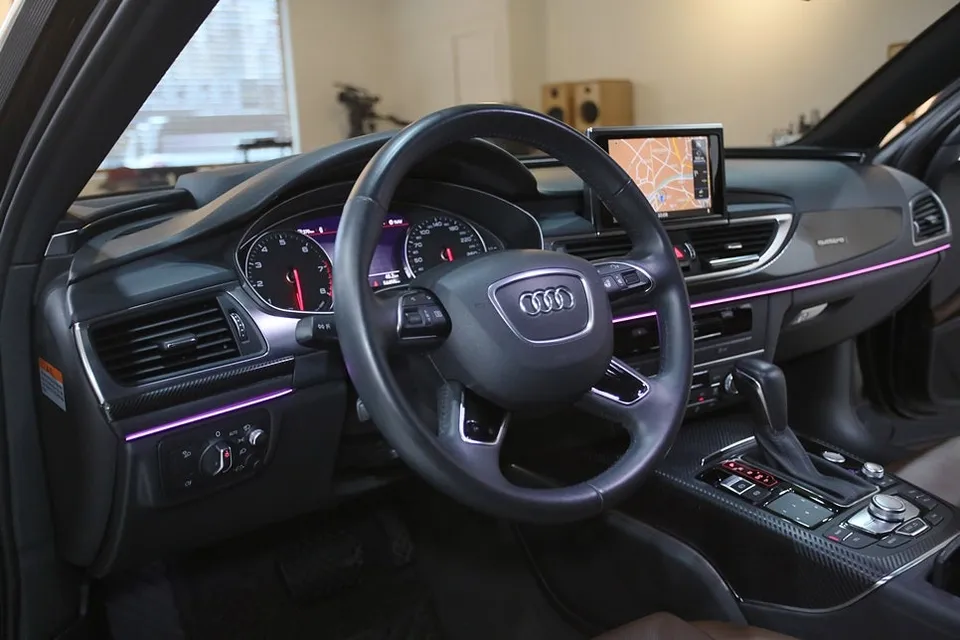
The Audi A6 often features a sophisticated interior blending real wood trim with high-gloss surfaces. This specific upgrade involved applying a semi-matte carbon black film to the wood sections and a protective PPF to the high-gloss areas, display, and buttons. The result is a striking transformation, adding a luxurious and dynamic feel to what might have been a more subdued cabin. The carbon black pattern introduces a sophisticated, multi-dimensional texture that significantly elevates the interior's overall appeal.
Interior wrapping is primarily chosen for aesthetic enhancements, particularly on wood or high-gloss panels. While wrapping real wood can sometimes allow the natural grain to subtly show through, this often adds a desirable layer of texture and depth. However, high-gloss surfaces, screens, and buttons are notoriously susceptible to scratches and smudges. This is where PPF becomes essential. Applying PPF to these vulnerable areas provides crucial protection against daily wear, minor impacts, and environmental contaminants. Combining these two services offers both a dramatic visual upgrade and practical, long-term protection, making it a popular choice for discerning owners.
For this Audi A6, a semi-matte, three-dimensional carbon black film with an angled pattern was selected. This film features a dual-tone effect, preventing a monotonous look and enhancing the sense of luxury. The semi-matte finish, combined with the tactile quality of the pattern, significantly boosts visual appeal. Owners can often view various color and pattern samples on-site to make a personalized choice.
The Precision of Interior PPF Installation
Following the wrapping of trim pieces, the next critical step is the application of PPF to all high-gloss interior surfaces, the infotainment screen, and control buttons. PPF is vital for maintaining a pristine interior, shielding it from fingerprints, scuffs, and minor abrasions. Achieving a flawless finish requires meticulous attention to detail, often involving a combination of computer-aided cutting and precise hand-trimming to ensure the film fits perfectly without any gaps. This precision is key to the film's longevity and aesthetic integrity.
Protecting High-Touch Surfaces with PPF
Areas like high-gloss moldings and buttons are frequently touched, making them prone to visible damage. In this Audi A6, the carbon black wrapped door sills and dashboard trim were installed with consistent pattern alignment for a clean look. The PPF was then applied over these and other sensitive areas to act as a barrier against physical impact and friction. The completed interior, with its combination of carbon black wrap and PPF, presents a markedly more luxurious and sporty ambiance compared to the original finish.
The Economic Appeal of Interior Vehicle Transformations
In recent years, vehicle wrapping has become a mainstream and cost-effective method for customizing a car's appearance. Opting for a wrap to achieve a desired aesthetic is a financially sensible alternative to the significant expense of purchasing a new vehicle. The transformation of the Audi A6's real wood trim to a sophisticated carbon black not only enhances the car's visual appeal but also elevates the overall sense of quality and completeness within the cabin. Such interior enhancements can significantly boost driving enjoyment and overall satisfaction with the vehicle.
The interior PPF and wrapping service for this Audi A6, performed at 'Today's Car's [Specific Branch Name if available, otherwise omit]', took approximately 4 to 6 hours to complete. The exact cost can vary based on the vehicle's model year, trim level, the extent of the areas being treated, and the specific type of film chosen by the owner. While this specific service was performed in Korea, similar services are available globally. For context, interior wrapping and PPF packages in the US can range from $400 to $1,200 or more, depending on the complexity and materials used.
Frequently Asked Questions
Q. How much does PPF cost for an Audi A6 interior?
The cost for interior PPF and wrapping on an Audi A6 can vary significantly based on the specific areas covered and film chosen, with this particular service taking 4-6 hours. In the US, similar comprehensive interior protection packages typically range from $400 to over $1,200.
Q. How long does PPF last on an Audi A6 interior?
High-quality PPF applied to an Audi A6's interior can last for several years, often 5-10 years, with proper care. Regular cleaning with mild soap and water, avoiding abrasive materials, will help maintain its clarity and protective qualities.
Q. Is PPF worth it for an Audi A6 interior?
PPF is worth considering for an Audi A6 interior if you frequently touch high-gloss surfaces or want to protect screens from scratches and fingerprints. It offers a cost-effective way to maintain a premium look and feel compared to the expense of replacing damaged trim or screens.
Q. How is PPF installed on an Audi A6 interior?
Interior PPF installation on an Audi A6 involves several precise steps: 1. Thorough cleaning and preparation of all surfaces to be protected. 2. Computer-aided or hand-cutting of the film to perfectly match the dimensions of trim pieces, screens, and buttons. 3. Careful application of the film, often using specialized tools to ensure a smooth, bubble-free finish and proper adhesion. 4. A curing period to allow the adhesive to fully set.
Q. What is the difference between PPF and ceramic coating for an Audi A6 interior?
PPF provides a physical barrier against scratches, chips, and impacts, offering superior protection for high-touch surfaces and screens in an Audi A6. Ceramic coating, on the other hand, offers a hard, glossy layer that enhances shine and provides resistance to minor scratches and chemical etching, but it does not offer the same level of impact protection as PPF.
OhCar Partner Shop
More ppf Reviews
See all →

More Audi Reviews
Pair with Another Service
Add hydrophobic protection on top of PPF
Complete your new car protection package