Toyota Camry Tint Laws CA 2026: Legal Limits for Summer
As the California sun intensifies each summer, many Toyota Camry owners look to window tinting for comfort, privacy, and UV protection. Understanding the Toyota Camry window tint legal limit California 2026 summer is crucial to avoid tickets and ensure your tint job is compliant. Here at OhCar Magazine, we're diving deep into what you need to know to keep your Camry cool and legal.
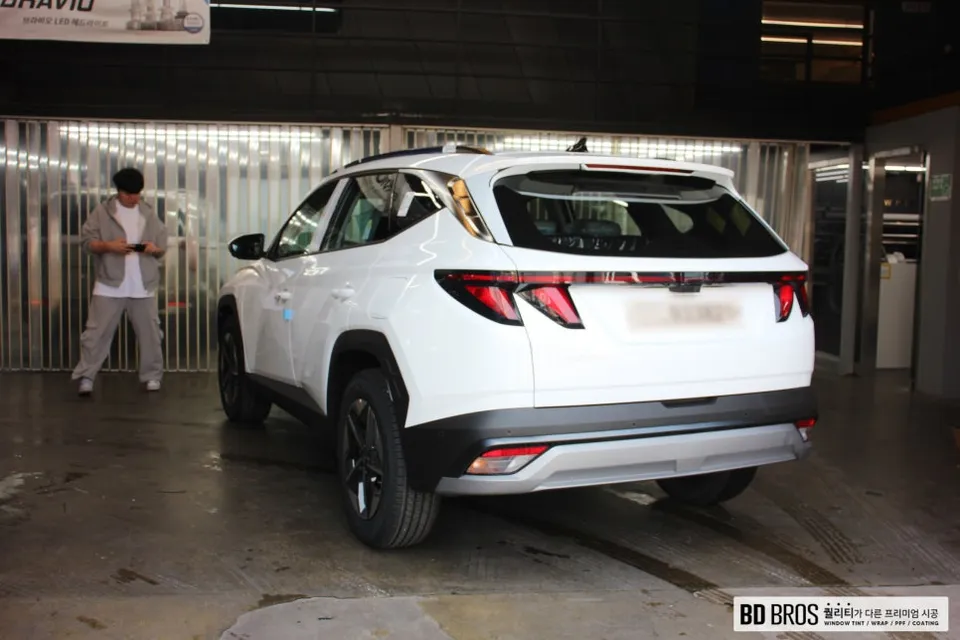
Understanding California's Window Tint Laws for Your Toyota Camry
California has specific regulations regarding the darkness of window tint, measured by Visible Light Transmission (VLT). These laws are designed to balance driver comfort and visibility for law enforcement. For the 2026 summer season, these regulations are expected to remain consistent with current statutes. It's always wise to double-check with local authorities or a professional installer for any last-minute changes, but generally, the rules are as follows:
Front Windshield Tint Regulations
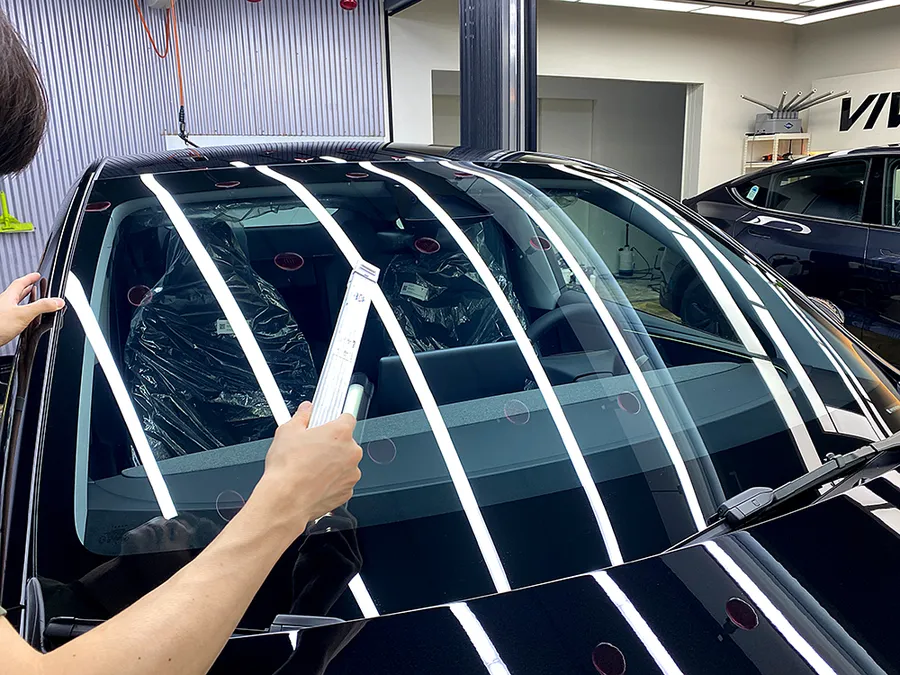
The law in California is quite strict regarding the front windshield. For a Toyota Camry, you are permitted to tint the very top portion of the windshield, often referred to as the "AS-1" line. This strip is typically about 4 inches down from the top. The purpose of this allowance is to provide a small amount of sun glare reduction without compromising the driver's forward visibility. Any tinting below this AS-1 line on the front windshield is illegal.
Front Side Window Tint Regulations
For the front driver and passenger side windows of your Toyota Camry, California law dictates a minimum VLT of 70%. This means that at least 70% of the light must be able to pass through the window. This is a relatively light tint, designed to allow for clear visibility into the vehicle for law enforcement and to ensure drivers can see clearly, especially at night or in adverse weather conditions. Many people opt for a 70% VLT tint on the front windows to achieve a subtle, uniform look with the rear windows while staying within legal bounds.
Rear Side and Rear Window Tint Regulations
The regulations loosen up considerably for the rear side windows (behind the front doors) and the rear windshield of your Toyota Camry. In California, these windows can be tinted to any darkness level. This means you can choose very dark tints, even near-black, for these windows if you desire maximum privacy and heat rejection. Many Camry owners take advantage of this to create a sleek, executive look for their vehicle.
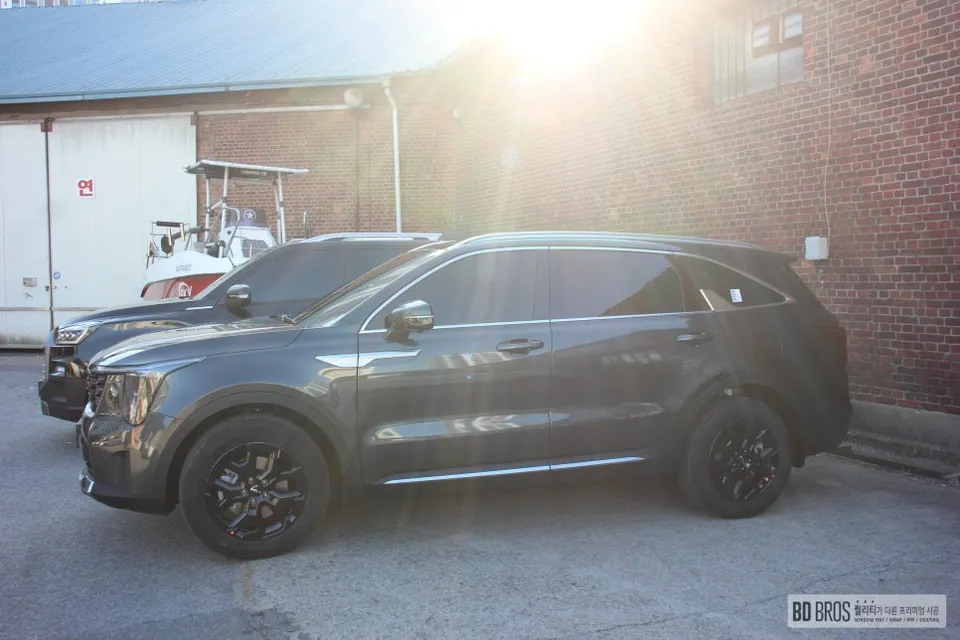
Why Tint Your Toyota Camry? Benefits Beyond Legality
While adhering to the legal limits is paramount, the benefits of tinting your Toyota Camry extend far beyond simply avoiding a ticket. Tinting offers a range of advantages, especially during the hot California summers:
- Heat Rejection: High-quality window tints can significantly reduce the amount of solar heat entering your Camry, keeping the interior cooler and more comfortable. This means less reliance on your air conditioning, potentially saving fuel.
- UV Protection: Window tint acts as a barrier against harmful ultraviolet (UV) rays. Prolonged exposure to UV radiation can damage your skin and fade your car's interior upholstery, dashboard, and trim over time.
- Glare Reduction: Tinted windows reduce the intensity of sunlight and glare, making driving more comfortable and safer, especially during bright sunny days or when driving towards the sun.
- Privacy and Security: Darker tints on the rear windows can deter potential thieves by making it harder to see what's inside your vehicle. It also offers more privacy for passengers.
- Aesthetics: Window tint can dramatically enhance the appearance of your Toyota Camry, giving it a more sophisticated and sporty look.
Choosing the Right Tint for Your Toyota Camry
When it comes to selecting the right tint for your Toyota Camry, there are several factors to consider, including the VLT percentage, the type of film, and the installer's expertise. Our window tinting cost guide provides a comprehensive breakdown of pricing and factors influencing cost, with average prices for various vehicles ranging from $60 to $133, and specific examples like the Kia Sorento costing between $75–115.
Types of Window Tint Film
Window tint films come in various types, each with its own pros and cons:
- Dyed Film: This is the most basic and affordable type. It involves dyeing the film to achieve a darker color. However, dyed films offer minimal heat rejection and can fade or turn purplish over time.
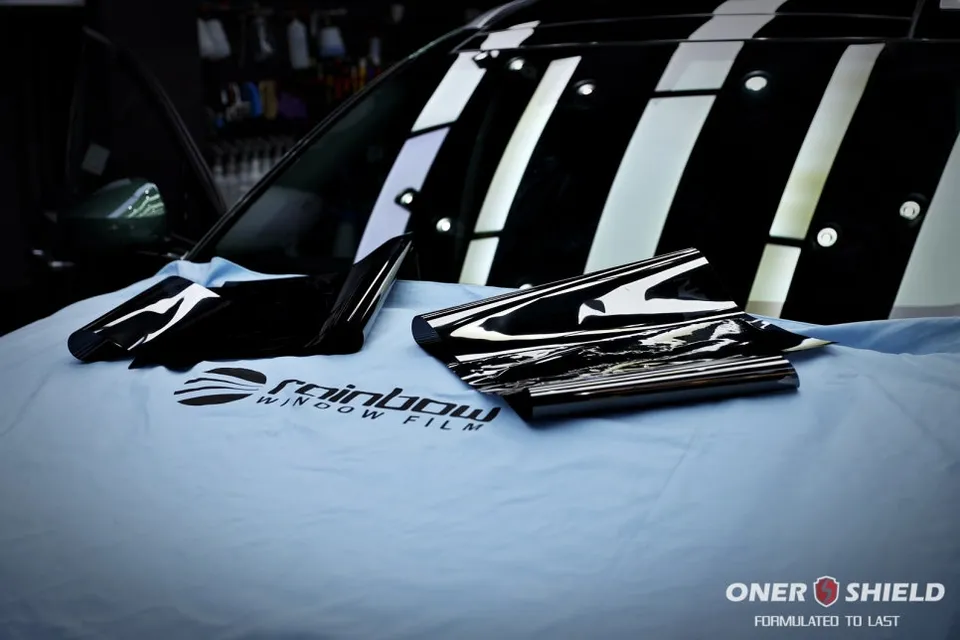
- Carbon Film: Carbon tints are a popular choice for their excellent heat rejection properties and durability. They are non-reflective and do not interfere with electronic signals.
- Ceramic Film: Ceramic tints are the premium option. They offer the best heat rejection and UV protection without being overly dark. They are also non-reflective and do not interfere with electronics. While they might have a higher upfront cost, their performance and longevity often make them a worthwhile investment. For a comparison of advanced car protection, check out our PPF vs Ceramic Coating comparison.
- Metallic Film: These tints contain a thin layer of metal, which helps reflect solar energy. However, the metallic content can sometimes interfere with GPS and radio signals.
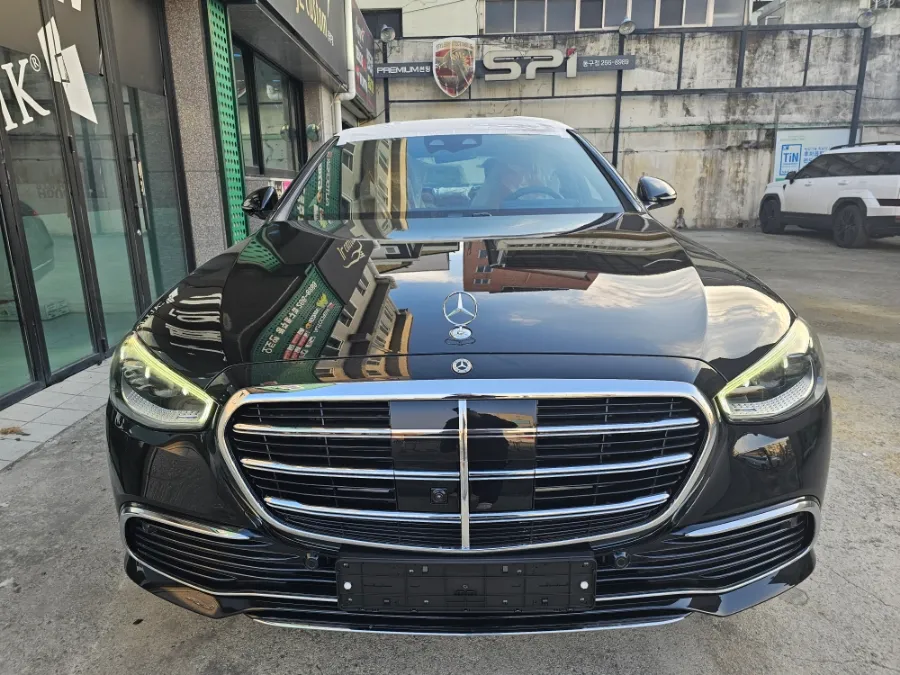
Legal Tint Percentages: A Quick Reference Table
To make it easy to understand the legal requirements for your Toyota Camry in California, here's a table summarizing the VLT percentages:
| Window Location | Legal VLT Percentage (California) | Notes |
|---|---|---|
| Front Windshield | Top 4 inches (AS-1 line) | No tint below AS-1 line |
| Front Driver & Passenger Side Windows | 70% VLT Minimum | At least 70% of light must pass through |
| Rear Side Windows | Any Darkness Allowed | Maximum privacy and heat rejection possible |
| Rear Windshield | Any Darkness Allowed | Maximum privacy and heat rejection possible |
The Importance of Professional Installation
While DIY tint kits are available, professional installation is highly recommended for your Toyota Camry. A skilled installer has the experience and tools to apply the film smoothly, without bubbles or imperfections, ensuring a clean look and optimal performance. They also stay up-to-date with the latest tint laws and can advise you on the best film options that meet both your aesthetic preferences and legal requirements. Exploring window tinting reviews on OhCar can help you find reputable installers in your area.
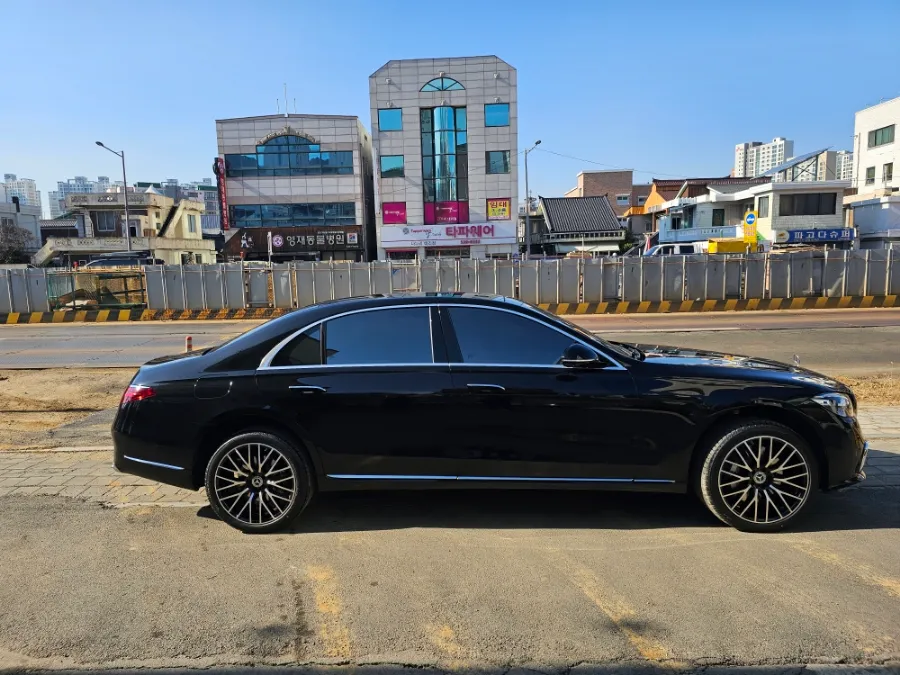
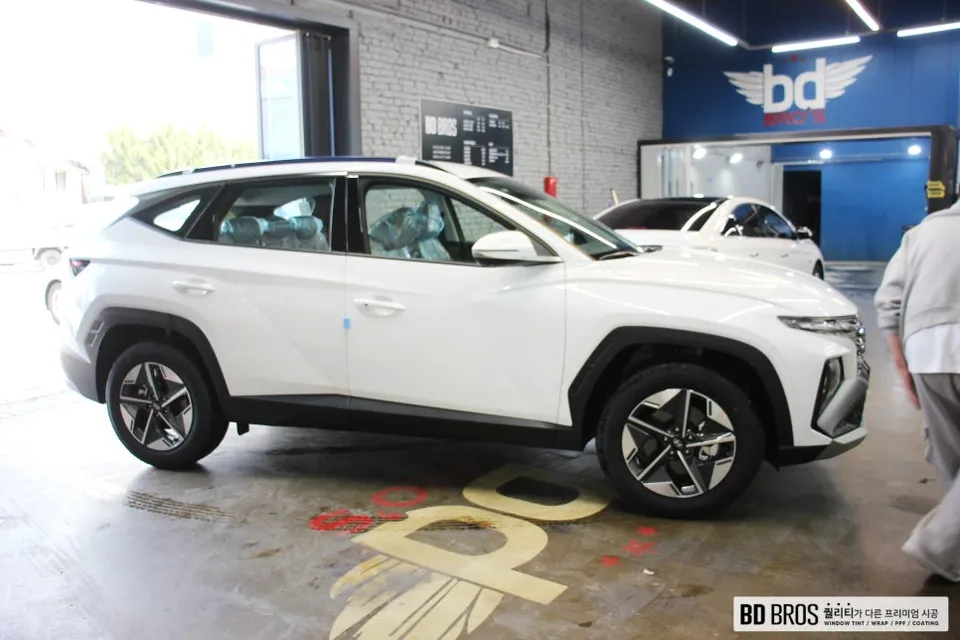
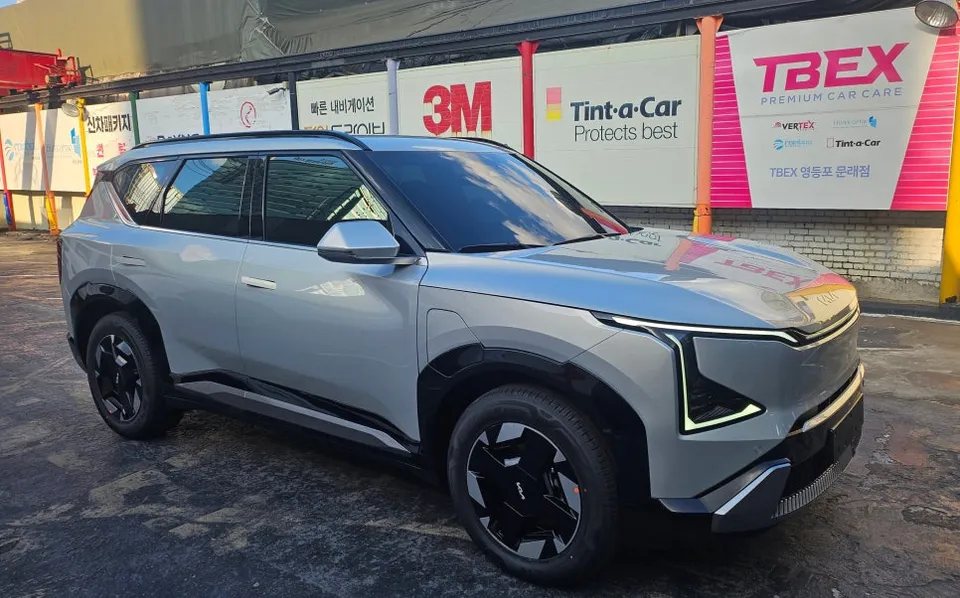
Professional tinting services on OhCar typically range from $60 to $133, depending on the vehicle, film type, and complexity. For instance, a premium reflective film for a Kia EV5 might cost between $115–150, while a more standard application for a Hyundai Tucson could be $40–80.
Common Misconceptions About Toyota Camry Window Tint Laws
There are several myths circulating about window tint laws. Let's clear some of them up:
- Myth: Any tint on the front windshield is okay as long as it's light. Fact: California law strictly limits front windshield tint to the top 4 inches (AS-1 line).
- Myth: Tint darkness is measured by how dark it looks from the outside. Fact: Tint darkness is measured by Visible Light Transmission (VLT), which is the percentage of light that passes through the film.
- Myth: All tints are the same. Fact: Different film types offer varying levels of heat rejection, UV protection, and durability. Ceramic and carbon films generally outperform dyed films.
- Myth: Medical exemptions allow any tint darkness. Fact: While California does offer medical exemptions for certain tinting restrictions, these are specific and require proper documentation. It's essential to consult with the DMV and a qualified installer if you believe you qualify.
Maintaining Your Toyota Camry's Tint
Once you've had your Toyota Camry tinted, proper care will ensure its longevity and appearance. Avoid rolling down windows for at least 24-48 hours after installation to allow the film to cure properly. When cleaning your windows, use ammonia-free cleaning solutions and a soft microfiber cloth. Avoid abrasive materials or harsh chemicals that can damage the tint film.
The 2026 Summer Outlook for Toyota Camry Tinting
As we head into the 2026 summer, the core principles of California's window tint laws for your Toyota Camry are expected to remain unchanged. The focus is on safety and visibility, with allowances for increased comfort and protection on rear windows. Always ensure your tint installer is knowledgeable about current regulations. If you're considering other protective measures for your Camry, explore our tinting service offerings and related car care articles on OhCar Magazine.
Conclusion: Stay Cool and Compliant with Your Toyota Camry Tint
Tinting your Toyota Camry is a fantastic way to enhance its comfort, style, and protection, especially during the intense California summers. By understanding and adhering to the Toyota Camry window tint legal limit California 2026 summer, you can enjoy all the benefits of tinting without the worry of legal repercussions. Remember to choose quality film and professional installation for the best results. For more insights and reviews on automotive care, keep browsing OhCar Magazine.


Comments (3)
Man, I don't even own a Camry, but I'm all about that PPF on my F-150. Keeps the Texas sun from wrecking my paint, and I bet it'd do the same for a Camry. Gotta protect that investment, even if it ain't a truck.
Man, I wish Florida had stricter tint laws, this summer heat is brutal in my Tahoe. Gotta keep the AC cranked to the max.
Man, living in Arizona, I'd be tinting my Camry way darker than California allows, even for summer. Gotta keep that sun out!



Explore Related Services on OhCar