Audi A6 Seat Climate Upgrade Review — Installation & Cost
Service Price
$under $40
Estimated price · Actual price may vary by shop
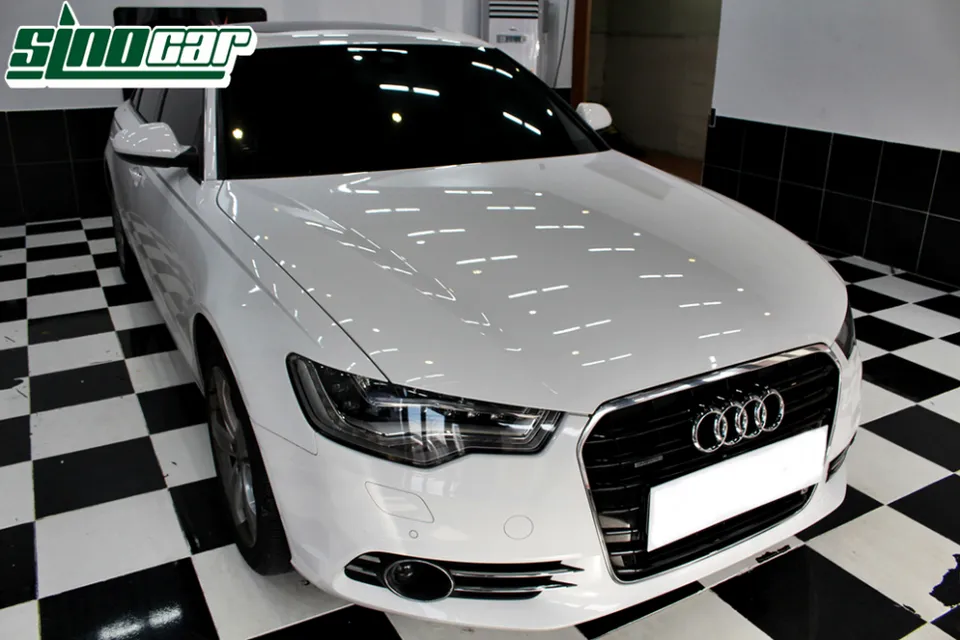
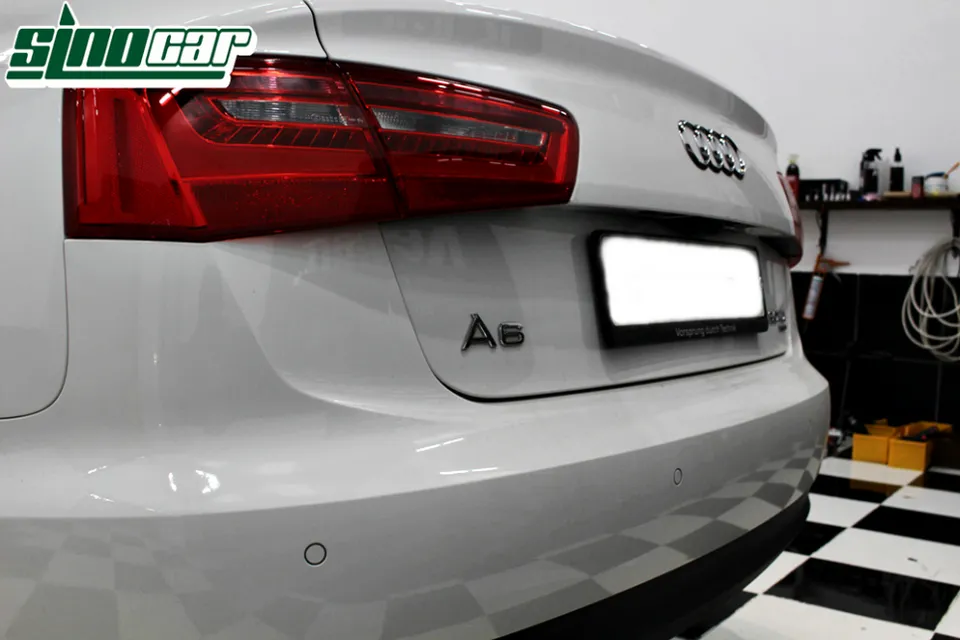
Audi A6 seat climate upgrade: Approx. $220+. Adds ventilation & heating for enhanced comfort.
Enhancing Your Audi A6 with Seat Ventilation & Heating
For Audi A6 owners who frequently use their vehicle as a family car, adding seat ventilation and heating, often referred to as a seat climate upgrade, can significantly boost comfort for both the driver and passengers. This review delves into the process, benefits, and considerations of retrofitting these features, drawing insights from a recent installation.
Why Consider a Seat Climate Upgrade for Your Audi A6?
While modern vehicles often come with advanced climate control, not all luxury sedans like the Audi A6 include integrated seat ventilation and heating as standard. These features go beyond simple air conditioning or heating; they actively circulate cooled or warmed air through the seat upholstery. This is particularly beneficial during extreme weather conditions – keeping you cool on hot summer days and warm on chilly winter mornings. For families, it means ensuring children or other passengers remain comfortable, even on long journeys. The ability to easily adjust seat positions for passenger comfort or cargo space, often facilitated by a 'walk-in' switch (as seen in the Korean context), further enhances the practicality of such upgrades.
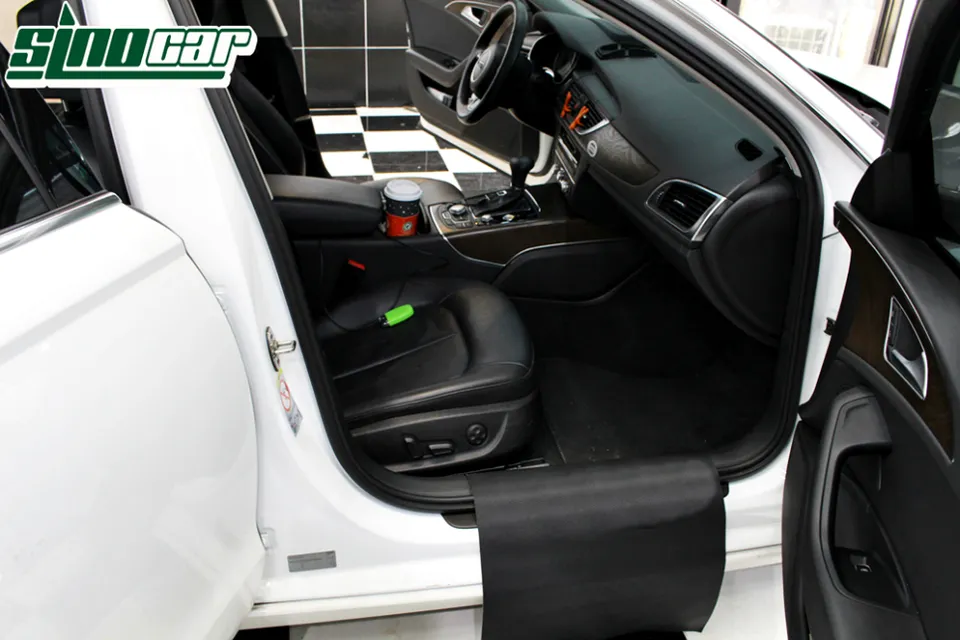
Audi A6 Seat Climate Upgrade: Installation Process
The installation of seat ventilation and heating systems, or a 'walk-in' switch for seat adjustment, requires precision and expertise to ensure a factory-like finish and reliable operation. In the context of the provided Korean source, a common approach involves using high-quality components, such as genuine parts from other premium brands like Genesis, to achieve a seamless integration. The process typically includes:
- Component Selection: Choosing appropriate ventilation/heating modules and control switches that are compatible with the Audi A6's electrical system and interior design. Genuine parts often offer superior aesthetics and durability.
- Seat Disassembly & Modification: Carefully disassembling the affected seat(s) to access the necessary areas for installing the ventilation fans, heating elements, and wiring harnesses. This may involve minor modifications to the seat frame or upholstery.
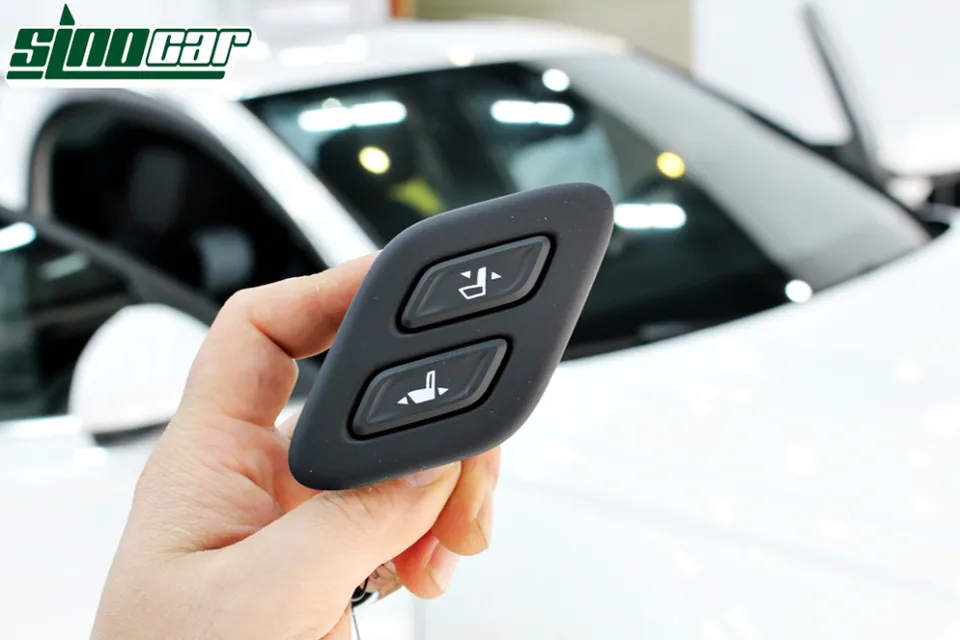
- Switch Integration: Installing the control switch(es) in an ergonomic and aesthetically pleasing location. For a 'walk-in' function, this is often on the side of the seat base, allowing easy access from the driver's seat to adjust the passenger seat. The source mentions using an 'embossed' design for a flush, integrated look.
- Wiring & Harnessing: Connecting all components to the vehicle's power supply and control modules. This step is critical and requires meticulous attention to detail, including proper insulation, secure connections, and sound dampening (using sound-absorbing materials as mentioned) to prevent rattles and ensure long-term reliability.
- Reassembly & Testing: Reassembling the seat(s) and thoroughly testing all functions of the newly installed ventilation, heating, and control switches to ensure they operate correctly and safely.
The focus is on achieving a 'genuine-like' quality, meaning the final installation should look and feel as if it were a factory option, with no visible compromises to the original interior design.
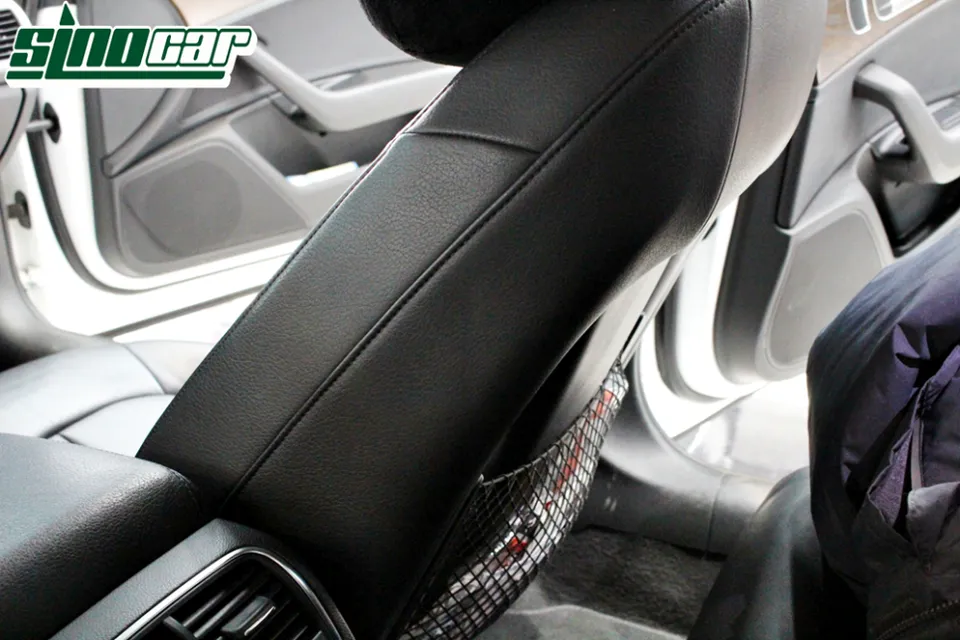
Before & After: The Impact of Seat Climate Control
The transformation after installing seat ventilation and heating is significant. Visually, the integration is designed to be subtle, with control buttons that blend seamlessly into the interior. The primary benefit, however, is the enhanced comfort. On a hot day, the ventilated seats provide a cooling sensation, preventing discomfort from prolonged sitting on a hot surface. Conversely, in cold weather, the heating elements quickly warm the seat, offering immediate comfort. The 'walk-in' switch functionality, specifically highlighted in the source, adds a layer of convenience, allowing for effortless adjustment of the passenger seat for easier access or increased legroom, particularly useful when managing children or loading cargo.
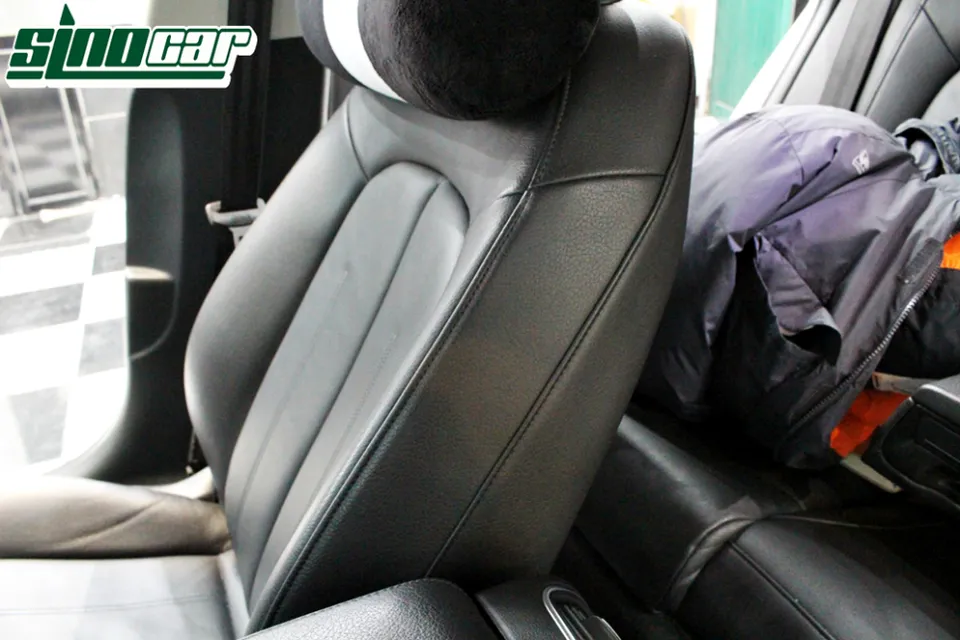
Durability, Maintenance, and Cost Considerations
When considering a seat climate upgrade, durability and maintenance are key factors. High-quality installations, especially those using genuine components and professional wiring techniques, are designed to last for many years with minimal issues. Proper installation, including secure wiring and sound dampening, prevents common problems like electrical faults or annoying rattles. Maintenance typically involves keeping the seat upholstery clean and ensuring the ventilation grilles are free of debris. Regarding cost, the Korean source indicates that installations can start from around 300,000 KRW (approximately $220-$250 USD, depending on exchange rates). Prices can vary based on the specific components used (OEM vs. aftermarket), the complexity of the installation, and the vehicle model. While the initial investment might seem substantial, the long-term benefits in comfort and convenience often make it a worthwhile upgrade for many Audi A6 owners.
Frequently Asked Questions
Q. How much does ventilated seat installation cost for a Audi A6?
The installation described in the source starts around 300,000 KRW (approx. $220 USD). Typical US installation costs for ventilated seats can range from $500 to $1500 or more, depending on the vehicle and system.
Q. How long does seat ventilation installation take on a Audi A6?
While specific times weren't detailed, complex electrical retrofits like seat ventilation and heating typically take several hours to a full day. For durability, ensure professional installation with proper wiring and sound dampening; regular cleaning of seat surfaces and vents is recommended for maintenance.
Q. Are aftermarket ventilated seats worth it for a Audi A6?
Ventilated and heated seats are most beneficial for drivers who experience significant temperature variations or spend long hours in the car. The value proposition lies in the substantial increase in comfort and luxury, making it a worthwhile investment for many.
Q. How are ventilated seats installed in a Audi A6?
Installation involves carefully disassembling the seat, integrating ventilation fans and heating elements within the upholstery, and installing control switches. Meticulous wiring, sound dampening, and flush switch integration are crucial for a factory-like finish and reliable operation.
Q. What is the difference between OEM and aftermarket ventilated seats for a Audi A6?
OEM (Original Equipment Manufacturer) parts are designed by the car's manufacturer for perfect integration, while aftermarket parts are made by third-party companies and may offer more customization or a lower price point. For a seamless look and guaranteed compatibility, OEM-level integration using high-quality components, like genuine parts from other brands, is often preferred.
OhCar Partner Shop