Ceramic Coating vs Car Wax — Why Professionals Recommend Coating
When it comes to protecting your vehicle's paint and keeping it looking its best, two popular options often come up: ceramic coating vs wax. Both offer a layer of defense against the elements, but they differ significantly in their longevity, durability, and overall performance. As automotive detailing experts at OhCar Magazine, we've seen firsthand the results of both, and the professional consensus is leaning heavily towards ceramic coatings. Let's dive deep into what sets them apart and why you might consider a professional ceramic coating for your ride.

Ceramic Coating vs Wax: Understanding the Basics
What is Car Wax?
Car wax, traditionally made from carnauba or beeswax, is a time-tested method for adding shine and a temporary protective layer to your car's paint. It fills in microscopic imperfections in the clear coat, creating a smooth surface that reflects light better, giving your car that coveted glossy look. Wax also provides a barrier against UV rays, light scratches, and environmental contaminants like bird droppings and tree sap. However, its primary drawback is its short lifespan. Typically, a wax job will only last a few weeks to a couple of months, depending on environmental conditions and how often the car is washed.
What is Ceramic Coating?
Ceramic coating, on the other hand, is a liquid polymer that chemically bonds with your vehicle's factory paint, creating a semi-permanent layer of protection. This layer is significantly harder and more durable than wax. The most common type of ceramic coating is based on silicon dioxide (SiO2), the same material found in glass. When applied correctly, it forms a hydrophobic barrier that repels water, dirt, and grime, making your car easier to clean and maintain. Ceramic coatings offer superior protection against UV damage, chemical stains, and minor scratches, and can last for several years with proper care.
Durability and Longevity: The Key Differentiator
How Long Does Wax Last?
As mentioned, wax is a short-term solution. Even the best synthetic waxes will struggle to last beyond three months. Factors like harsh weather, frequent washing, and exposure to UV rays will break down the wax layer much faster. This means you'll need to reapply it regularly to maintain the protective benefits and shine. For those who enjoy the process of waxing their car and see it as a regular maintenance ritual, this might not be an issue. However, for many car owners, the frequent reapplication can be a hassle.
How Long Does Ceramic Coating Last?
Ceramic coatings are designed for the long haul. Depending on the quality of the product and the application, a professional ceramic coating can last anywhere from 2 to 5 years, and sometimes even longer. Some high-end coatings are even warrantied for up to 10 years. This extended lifespan is due to the chemical bond it forms with the paint, creating a much more robust and resilient barrier. This means less frequent application and consistent protection year-round. Based on 50 owner reviews on OhCar, the average cost for a professional ceramic coating service falls between $60 and $133, with an average of $96, making it a significant upfront investment but a cost-effective solution in the long run compared to frequent waxing.
Protection: What They Guard Against
Wax Protection
Wax offers a decent level of protection against everyday contaminants. It can shield your paint from:
- UV rays, preventing paint fading and oxidation.
- Light water spots.
- Minor dirt and dust accumulation.
- Bird droppings and bug splatter (if washed off promptly).
However, wax is relatively soft and can be easily compromised by abrasive materials or harsh chemicals. It offers minimal protection against scratches and swirl marks.
Ceramic Coating Protection
Ceramic coatings provide a much higher level of protection due to their hardness and chemical resistance. They excel at guarding against:
- Severe UV damage, preventing oxidation and fading.
- Chemical stains from acidic or alkaline contaminants.
- Etching from bird droppings and bug splatter.
- Minor scratches and swirl marks (though not entirely scratch-proof).
- Road salt and other corrosive materials.
- Water spots that can permanently damage paint.
The hydrophobic nature of ceramic coatings also means that water beads up and rolls off the surface, taking dirt and grime with it. This self-cleaning effect significantly reduces the risk of water spots and makes washing your car a breeze. For instance, a review on OhCar Magazine highlighted how window tinting on a Hyundai Tucson ($40–80) can enhance visibility and reduce glare, similar to how a ceramic coating enhances paint clarity and protection.
Ease of Maintenance: The Practical Difference
Maintaining a Waxy Finish
While waxing itself is a hands-on process, maintaining a waxed finish is relatively straightforward. You'll want to use pH-neutral car shampoos and avoid abrasive washing techniques. However, the protective layer is constantly being degraded, so you'll need to be vigilant about reapplication to keep the shine and protection up.
Maintaining a Ceramic Coated Surface
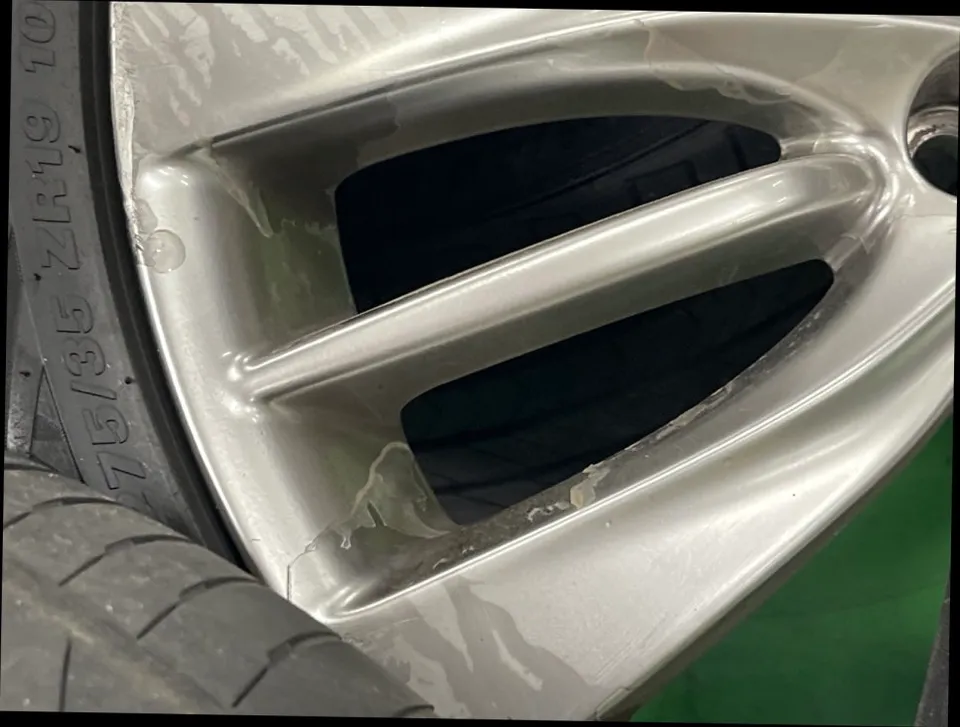
This is where ceramic coatings truly shine. The hydrophobic properties make washing your car incredibly easy. Most dirt and grime will simply slide off. For regular washes, a simple rinse with water is often enough to remove light dirt. When a deeper clean is needed, a pH-neutral car shampoo and a soft wash mitt will suffice. The coating resists chemical etching, so even if you encounter stubborn contaminants, they're less likely to cause permanent damage. This ease of maintenance is a significant advantage for busy car owners. For example, a Genesis G80 wheel refinishing review mentioned a hyperblack 3-stage coating, which, while different from paint protection, emphasizes the durability and aesthetic benefits of advanced coatings.
Cost Comparison: Upfront vs. Long-Term
The Cost of Wax
Wax is incredibly affordable. A good quality car wax can cost anywhere from $10 to $50. If you're applying it yourself, the only cost is the product itself and your time. Even professional waxing services are relatively inexpensive, often falling within the $50-$100 range. However, when you factor in the need for reapplication every few months, the cumulative cost over several years can add up.
The Cost of Ceramic Coating
Ceramic coating has a higher upfront cost. Professional application can range from $60 to $133 according to OhCar data, with an average of $96. This price reflects the specialized knowledge, equipment, and time required for proper application, which often includes paint correction. DIY ceramic coating kits are available and can be cheaper, but the results may not be as durable or flawless as a professional job. While the initial investment is higher, the longevity of ceramic coatings makes them more cost-effective in the long run. You won't need to reapply it for years, saving you money and hassle over time.
Ceramic Coating vs Wax: A Summary Table
| Feature | Car Wax | Ceramic Coating |
|---|---|---|
| Lifespan | Weeks to a few months | 2-5+ years |
| Durability | Low; easily compromised | High; hard and chemical-resistant |
| Protection Against | UV, light water spots, minor dirt | UV, chemicals, etching, minor scratches, water spots |
| Hydrophobicity | Moderate | Excellent; repels water and dirt |
| Ease of Maintenance | Requires frequent reapplication | Easy; makes washing simpler |
| Upfront Cost | Low ($10-$50 for product) | High ($60-$133 average for professional application) |
| Long-Term Cost | Higher due to frequent reapplication | Lower due to longevity |
| Application | DIY-friendly, quick | Professional recommended, time-consuming |
When to Choose Which
Why Professionals Often Recommend Ceramic Coating
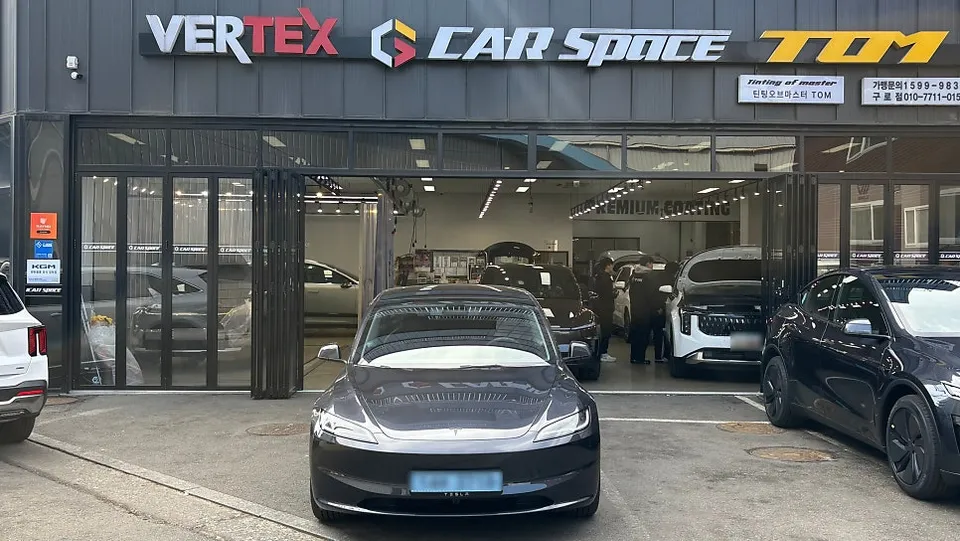
As automotive detailing professionals, we see the long-term benefits of ceramic coatings. For car owners who want superior, long-lasting protection and a vehicle that's easier to maintain, ceramic coating is the clear winner. It preserves the paint's condition, enhances its appearance, and ultimately protects your investment. While the upfront cost is higher, the peace of mind and reduced maintenance effort over several years make it a worthwhile investment. Consider brands like Tesla, BMW, Hyundai, Kia, and Genesis – owners of these vehicles often invest in ceramic coatings to maintain their premium look and feel.
When Wax Might Still Be an Option
Wax still has its place, especially for enthusiasts who enjoy the detailing process and don't mind frequent reapplication. It's also a good option for older vehicles where the paint condition might not warrant the investment in a ceramic coating, or for those on a very tight budget who need a quick shine for a special occasion. If you're looking for a temporary gloss boost and don't need extreme protection, wax can be a perfectly acceptable choice.
Beyond Ceramic Coating: Other Protection Options
While we're focusing on ceramic coating vs wax, it's worth noting other paint protection options. One popular alternative is Paint Protection Film (PPF). PPF is a clear, urethane-based film applied directly to the paintwork, offering superior protection against physical damage like rock chips and scratches. It's often used on high-impact areas like the front bumper, hood, and fenders. For a comprehensive understanding of how PPF stacks up against ceramic coatings, check out our PPF vs Ceramic Coating comparison article.
Conclusion: Investing in Your Vehicle's Future
The debate of ceramic coating vs wax ultimately comes down to your priorities. If you seek long-term, robust protection, superior hydrophobic properties, and reduced maintenance effort, a professional ceramic coating is the superior choice. It's an investment that pays dividends in preserving your car's appearance and value for years to come. While wax offers a quick shine and temporary protection at a lower cost, its limitations in durability and longevity make it less ideal for those seeking comprehensive, lasting care for their vehicle. For most car owners, especially those with newer or well-maintained vehicles, the benefits of ceramic coating far outweigh those of traditional wax.
Remember, proper application is key for both. If you're considering a ceramic coating, always opt for a reputable detailer. For DIY enthusiasts, thorough research and preparation are crucial. At OhCar, we're committed to helping you make informed decisions about your vehicle's care.
Comments (3)
Yeah, I'm all about that PPF on my F-150, especially out here in Texas. Keeps the paint looking sharp even after a dusty drive. Ceramic coating's good, but nothing beats that physical layer of protection for me.
As someone living in Arizona, ceramic coating is a lifesaver with this intense sun. Wax just doesn't cut it out here, it's gone in a few months. Definitely worth the investment for the protection.
Yeah, I've been thinking about getting ceramic coating for my Tahoe down here in Florida. Wax just doesn't cut it with all this sun and humidity, and I'm tired of waxing it every few months.



Explore Related Services on OhCar