Audi A6 Window Tinting Review: Premium Nano Ceramic Re-applicatio
Service Price
$approx. $1,150–1,500
Estimated price · Actual price may vary by shop
Before
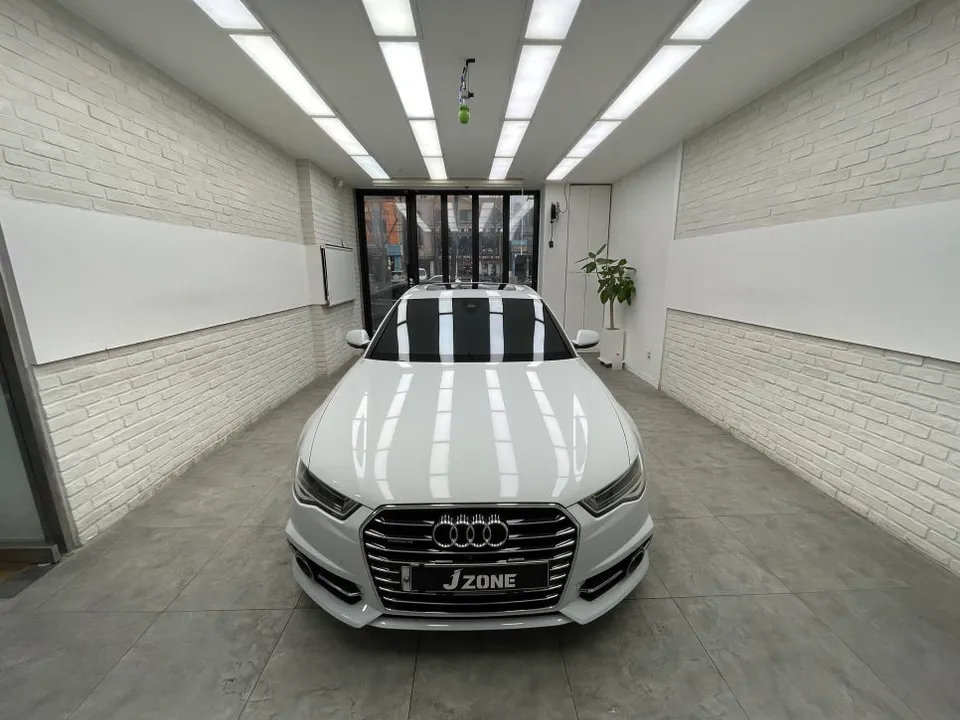
After
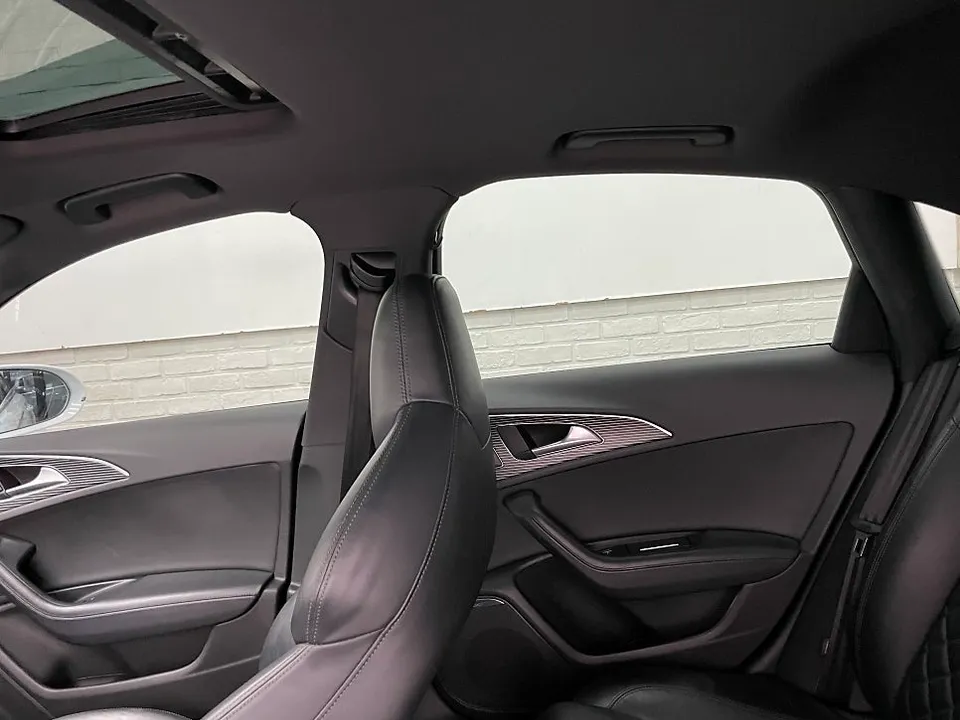
Process photos
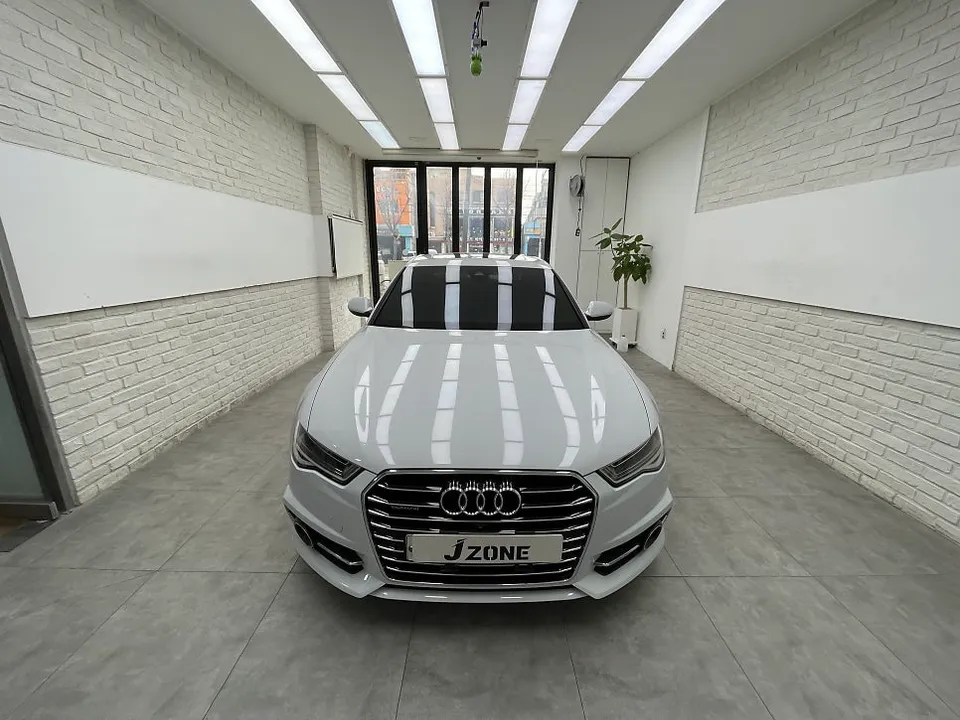
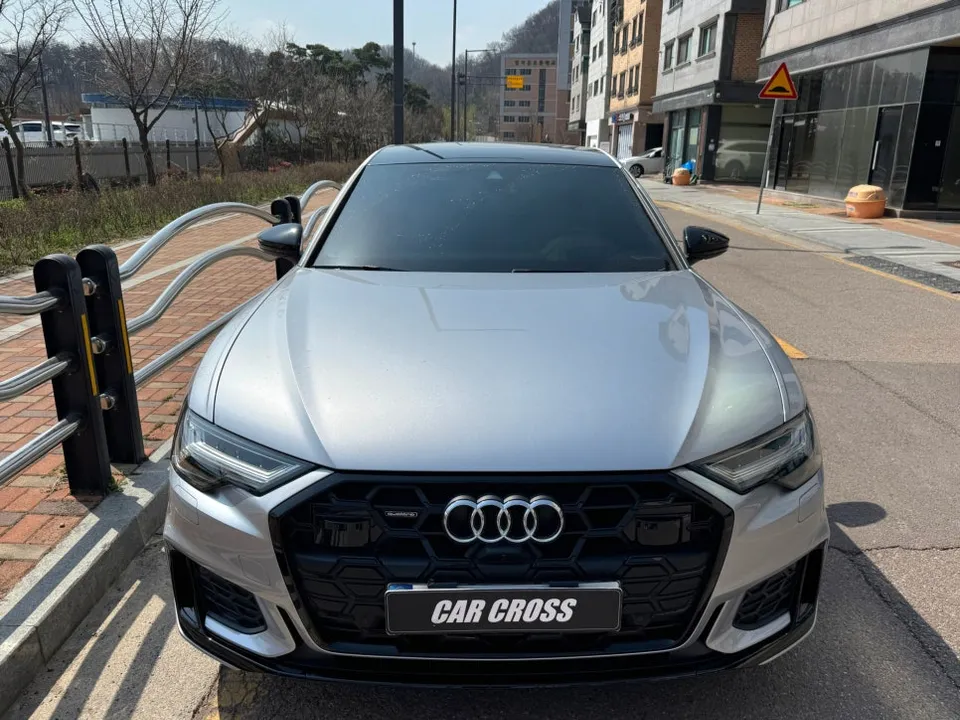
Audi A6 window tinting re-application with Premium Nano Ceramic film. Expert installation in Eunpyeong, South Korea. Enhanced darkness and aesthetics.
Audi A6 Window Tinting: The Need for a Premium Nano Ceramic Upgrade
This Audi A6 owner decided it was time for a window tinting refresh. Initially, the vehicle featured a Lumar coupon film on the front windshield and a Classic 15% film on the sides and rear. However, the owner desired a change, specifically wanting to replace the front film and opt for a darker shade on the side and rear windows. This case study details the re-application process at the "Today's Car Eunpyeong" shop, a specialist in window film services in the Eunpyeong district.
Expert Window Tinting in Eunpyeong: Today's Car
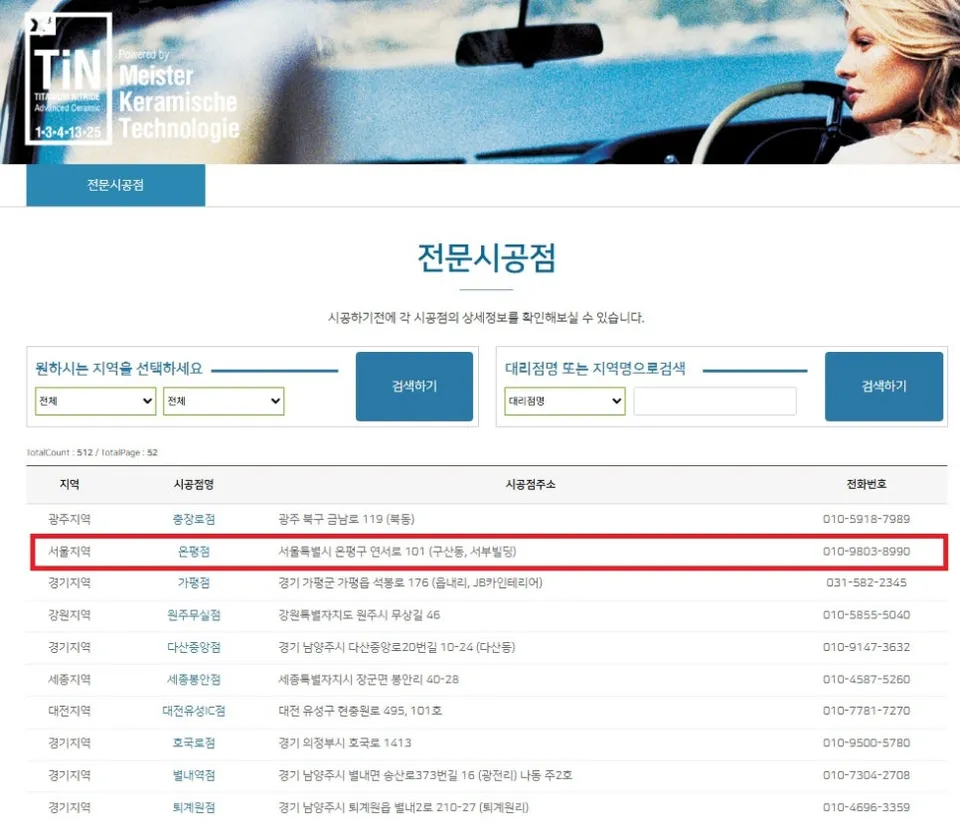
Today's Car Eunpyeong is a certified Huper Optik installer, offering a range of high-quality films including Drexler, Premium Nano Ceramic (PNC), and Classic series. They are a popular choice for car owners in the Eunpyeong area seeking professional window tinting. Their expertise extends beyond new installations to include meticulous re-application services, addressing existing tint issues with precision. The shop is known for its organized workspace and trustworthy installation process.
Audi A6 Premium Nano Ceramic Tint Re-application Process
Re-tinting requires a more delicate approach than initial application. The primary goal is to remove the old film and adhesive residue without damaging the glass or vehicle paint. This process ensures a flawless finish for the new window film.
Vehicle Preparation and Protection
Upon arrival, the Audi A6 was carefully prepared. Protective coverings (covering) and masking tape were applied to the interior door panels and electrical components to prevent damage during the tinting process. This step is crucial as static electricity generated during application can attract dust and debris, compromising the new film's clarity and adhesion.
Old Film Removal: The Importance of Steam
The existing window film was removed using a steam method. Heating the film with steam softens the adhesive, allowing it to be peeled away cleanly without excessive force. This prevents potential damage to the glass, which can occur if the film is aggressively pulled off.
Adhesive Residue Removal: A Gentle Approach
After film removal, any remaining adhesive must be meticulously cleaned. While harsh chemical solvents can speed up this process, they risk damaging the vehicle's paint and interior, and can leave behind strong odors. Today's Car Eunpyeong exclusively uses steel wool and specialized tools for adhesive removal, ensuring a safe and thorough cleaning without compromising the vehicle's integrity.
Precision Film Cutting
Once the glass is perfectly clean, the new Premium Nano Ceramic film is precisely cut to match the Audi A6's window dimensions. Huper Optik films feature branding on the protective liner, not the film itself, guaranteeing a pristine, logo-free surface after application.
Side Window Installation: The Art of "Shaving"
The side windows were treated with the Premium Nano Ceramic 5% film. After applying the film and using specialized squeegees to ensure a smooth, bubble-free finish, the "shaving" technique was employed. This meticulous process involves trimming the film's edges to perfectly contour the window, creating a seamless, factory-installed look and preventing future peeling or dust ingress.
Rear Window Application: Respecting the Defrost Lines
Following the side windows, the rear windshield was tinted with the Classic 8% film. This step requires extra care, especially around the delicate defrost lines, to ensure the film adheres properly without damaging the heating elements.
Front Windshield Installation: The Pinnacle of Tinting
The front windshield installation is the most critical and challenging part of the process. As it's directly in the driver's line of sight, precision is paramount. The owner opted for the Premium Nano Ceramic film for the front, seeking maximum heat rejection and clarity. The installation involves carefully molding the film to the windshield's curvature, ensuring no distortions or obstructions to the driver's view.
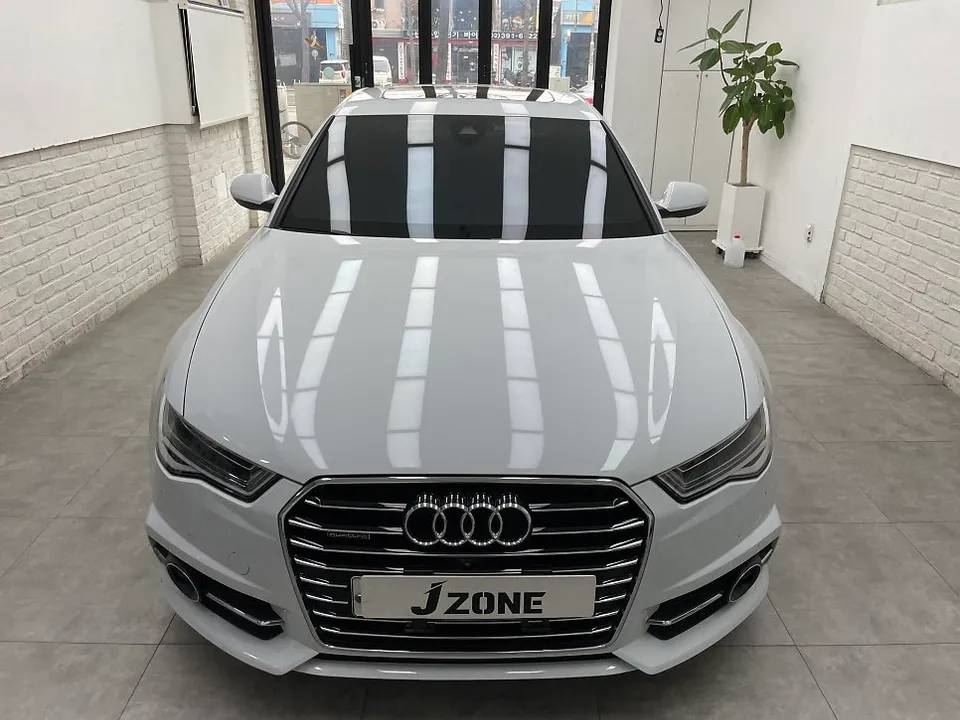
The result is a sleek, uniform look for the Audi A6, with significantly enhanced privacy, reduced glare, and superior heat rejection thanks to the Premium Nano Ceramic window film.
Frequently Asked Questions
Q. How much does window tinting cost for an Audi A6?
The re-application for this Audi A6 using Premium Nano Ceramic and Classic films cost approximately 500,000 Korean Won. In the US, professional window tinting for a luxury sedan like an Audi A6 typically ranges from $300 to $800, depending on the film type and shop.
Q. What tint percentage is legal for an Audi A6?
Legality varies by region; however, common US regulations often permit 70% tint on the front windshield and 20-35% on the rear windows. Always check your local laws. For maintenance, avoid rolling down windows for 24-48 hours after installation to allow the film to cure properly.
Q. Is ceramic tint worth the extra cost for an Audi A6?
Ceramic tint, like the Premium Nano Ceramic used here, is highly recommended for its superior heat rejection and UV blocking capabilities, making it worth the investment for comfort and interior protection. It's ideal for luxury vehicles like the Audi A6 where performance and protection are key.
Q. How is window tint installed on an Audi A6?
Installation involves several key steps: 1. Thoroughly cleaning the glass and removing any old tint and adhesive. 2. Precisely cutting the new window film to match the vehicle's windows. 3. Applying the film using a slip solution and squeegeeing out excess water and air bubbles. 4. Utilizing heat and trimming techniques like 'shaving' for a perfect edge fit. 5. Allowing the film to cure for optimal adhesion.
Q. What is the difference between ceramic and dyed window tint for an Audi A6?
Dyed window tint primarily offers privacy and blocks some light, but its heat rejection capabilities are limited and can fade over time. Ceramic tint uses non-metallic particles to block heat and UV rays effectively without interfering with electronics, offering superior performance and longevity.
OhCar Partner Shop
More window tinting Reviews
See all →



More Audi Reviews
Pair with Another Service
Protect paint while you're at the shop
Add gloss and protection