Hyundai Elantra Window Tinting Review: Dark Results
Before
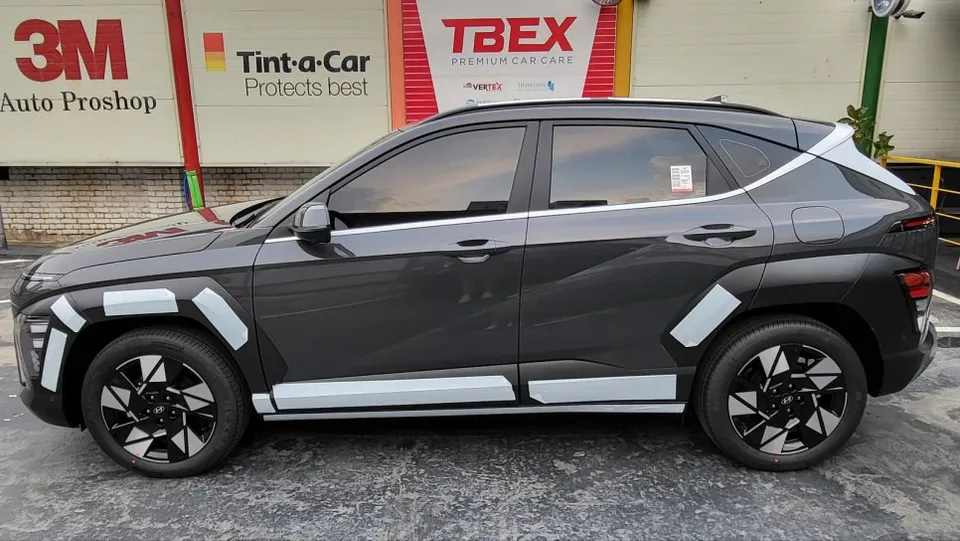
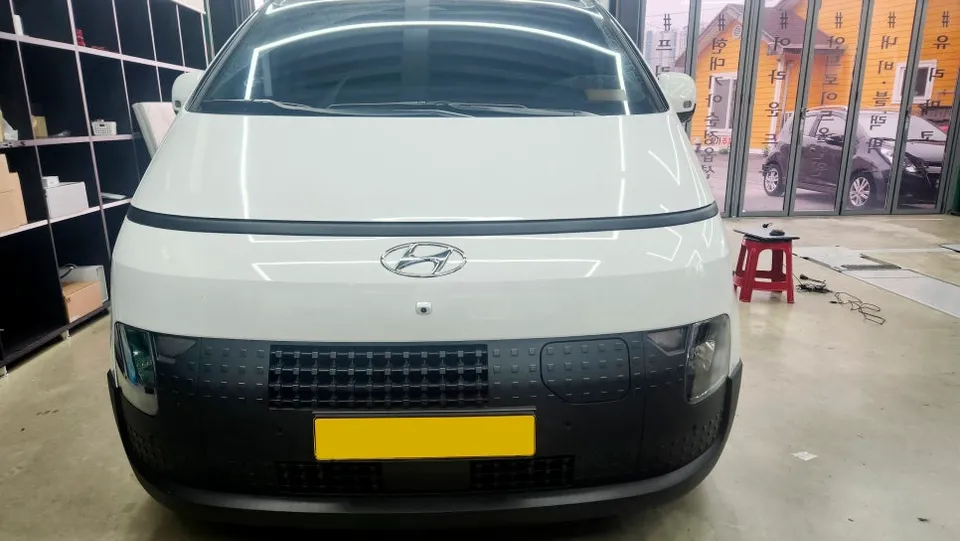
After
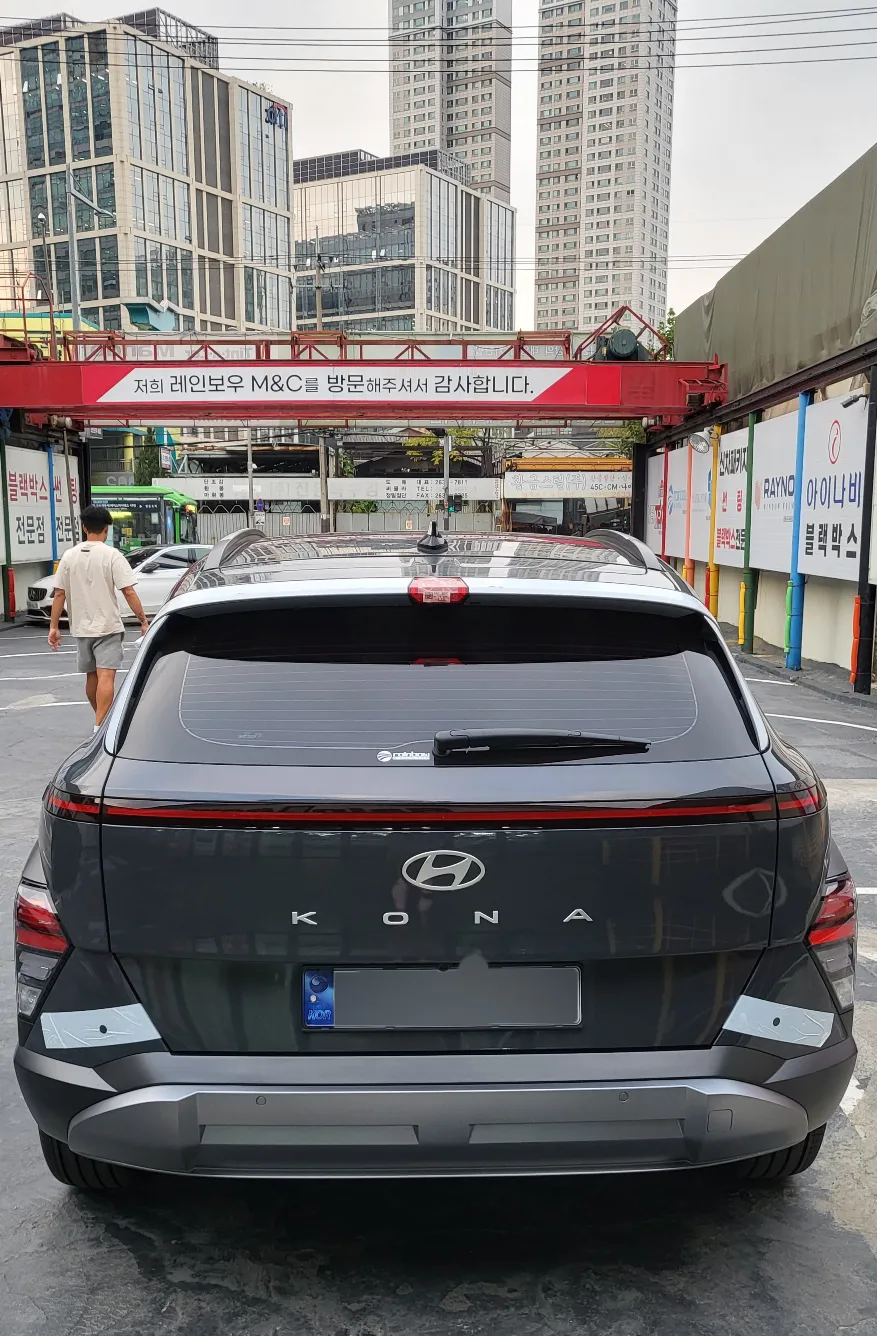
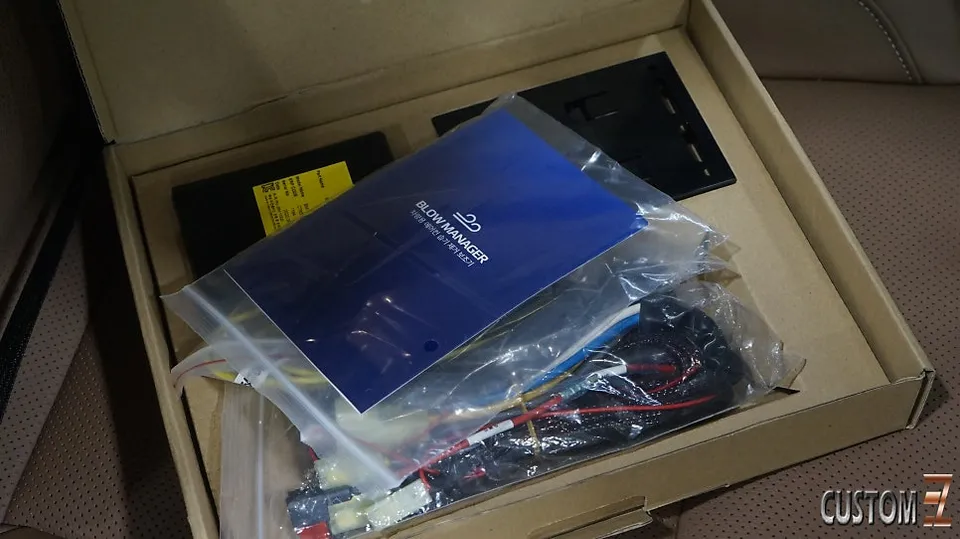
Process photos
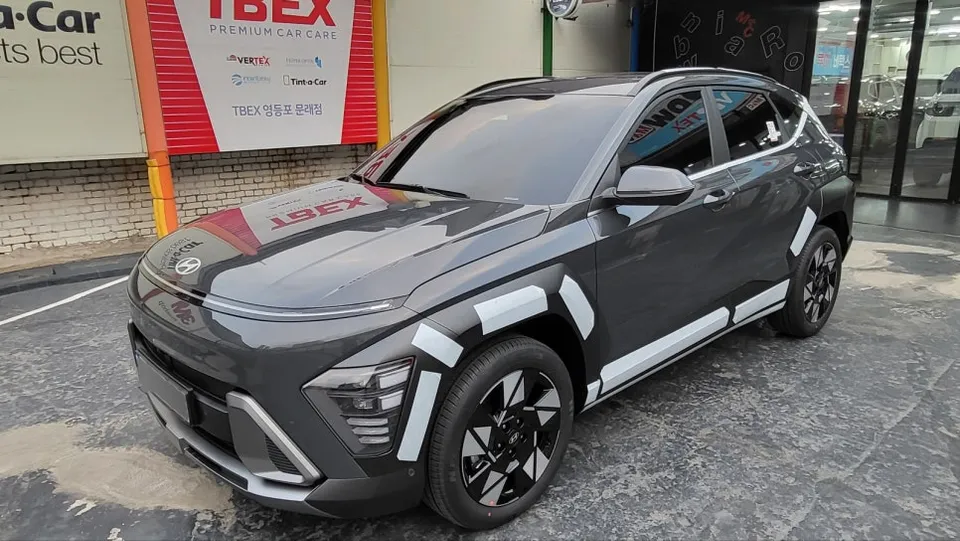
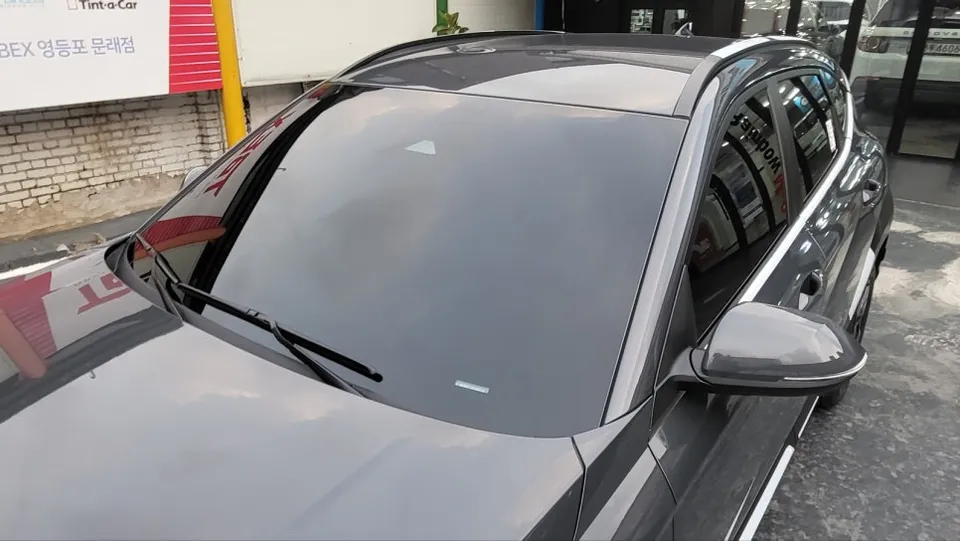
Hyundai Elantra window tinting with dark Rainbow IS100 film. Achieved dark look and heat rejection, but reduced night visibility.
Dark Window Tinting on a Hyundai Elantra: A Review
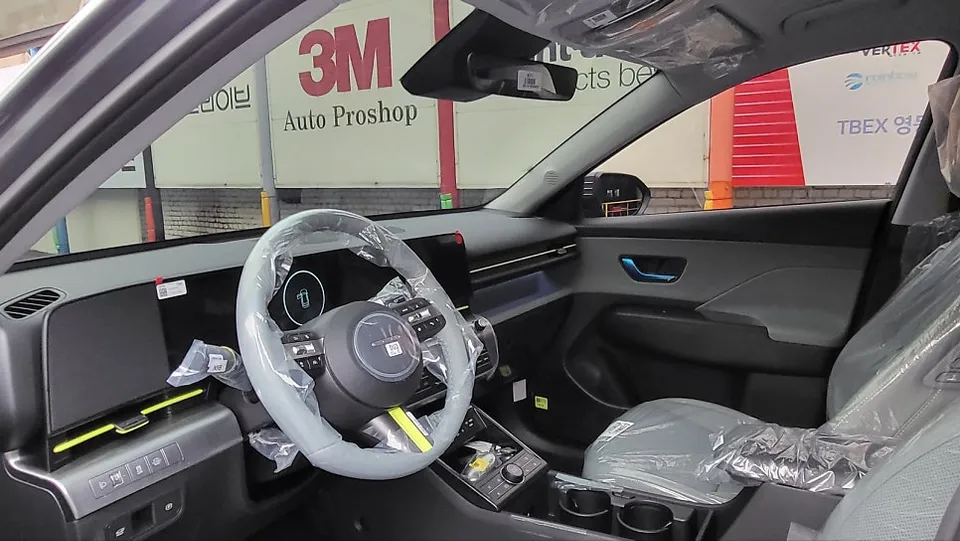
This review details the window tinting process for a Hyundai Elantra, focusing on achieving a dark, non-reflective finish with significant heat rejection. The original context comes from a Korean installation of Rainbow IS100 film on a Kona Hybrid, but the principles and visual results are applicable to understanding tinting choices for any vehicle, including the Hyundai Elantra. The client specifically requested a non-reflective film that was dark and offered excellent heat blocking. Initially, they considered a very dark tint for the front windshield (15%) and rear windows (5%), but were advised against it due to potential driving difficulties, especially at night. Instead, a compromise was reached with a 15% tint applied to both the front windshield and side windows using the Rainbow IS100 film. While this level of darkness is not typically recommended by installers due to reduced interior visibility and openness, the client was firm in their request for a dark aesthetic.
Visual Results and Visibility Considerations
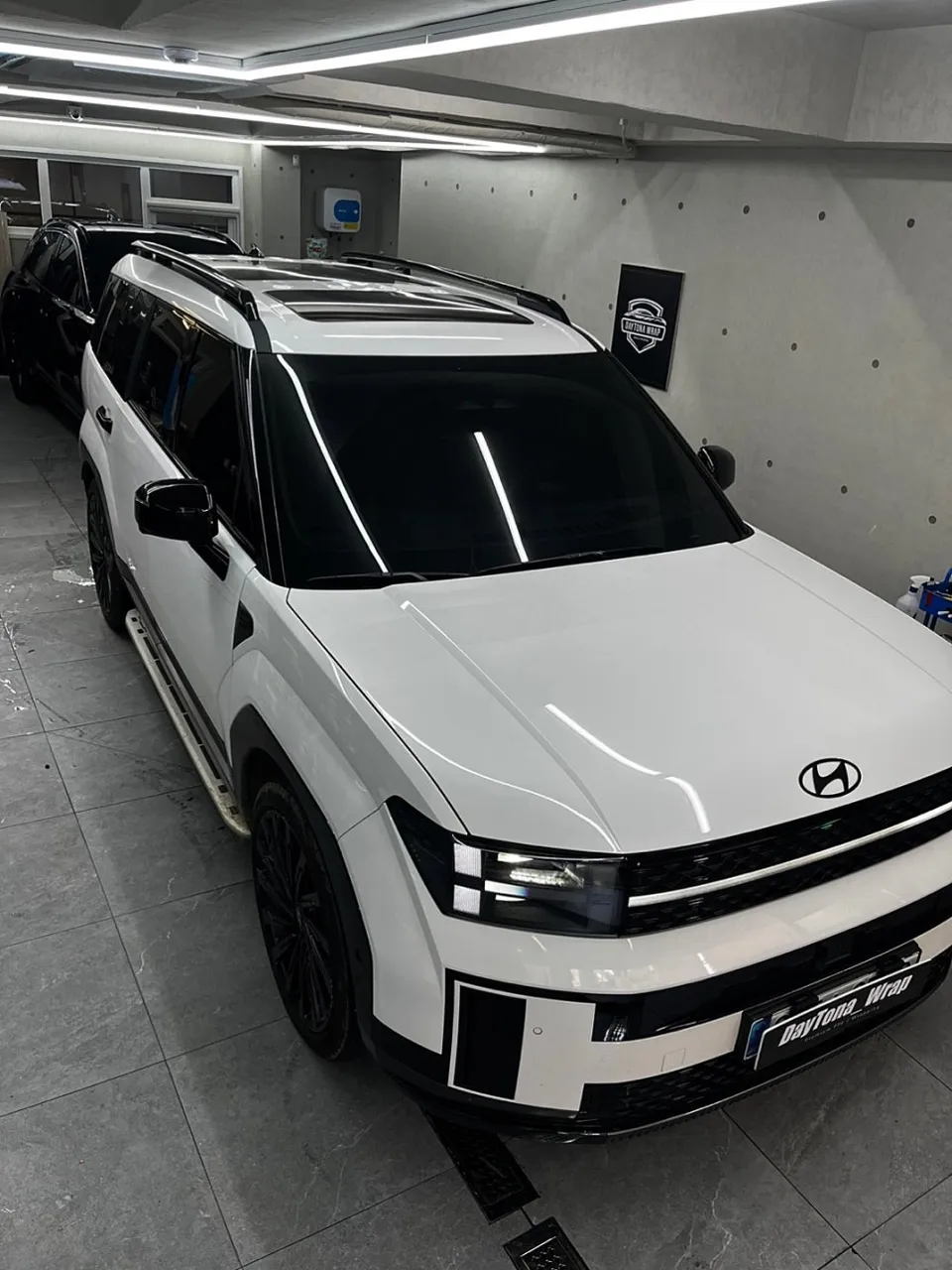
The installation resulted in a noticeably darker interior, even during daylight hours. When looking through the front windshield, the view is significantly darkened, which can impact the perception of side mirrors and overall cabin openness. The Korean context highlighted that while the film itself offers good visibility from the inside, a lower tint percentage (like 15%) inherently reduces the field of vision, particularly in low-light conditions such as dusk, dawn, or entering a parking garage. Driving at night with a very dark front windshield tint can be challenging and potentially unsafe without headlights. The installer expressed concern that the reduced visibility could be a significant hindrance during the winter months when daylight hours are shorter. While the client was satisfied with the dark appearance, the installer emphasized that tint darkness should align with personal eye health and driving comfort, recommending consultation with a professional to determine the best percentage for individual needs.
Durability, Maintenance, and Decision Making
The Rainbow IS100 film is known for its heat rejection properties, aiming to keep the vehicle cooler by blocking solar heat. Durability is generally good for quality tint films, with most manufacturers offering long-term warranties against peeling, bubbling, and color fading. Maintenance typically involves using mild soap and water with a soft cloth for cleaning, avoiding abrasive materials or harsh chemicals that could damage the film. The key takeaway from this installation is the importance of balancing aesthetic desires with practical driving needs. While a dark tint can enhance privacy and appearance, it's crucial to consider visibility, especially for nighttime driving. The installer stressed that choosing tint darkness based solely on trends or others' preferences can lead to regret. It's best to consult with experienced professionals who can explain the implications of different tint percentages on visibility and safety for your specific vehicle and driving habits. The installation itself was reported to be clean and well-executed, with the client pleased with the aesthetic outcome.
Installation process:
- Thorough cleaning and preparation of the vehicle's glass surfaces.
- Precise cutting of the tint film to match the exact dimensions of each window.
- Careful application of the film to the interior side of the glass, using specialized tools to remove air bubbles and ensure a smooth finish.
- Trimming excess film and allowing the tint to cure properly, typically for 24-48 hours, during which time windows should not be rolled down.
Frequently Asked Questions
Q. How much does window tinting cost for a Hyundai Elantra?
The specific installation in Korea cost approximately ₩300,000 (around $220 USD) for the Rainbow IS100 film. Typical professional window tinting for a Hyundai Elantra in the US can range from $200 to $600 depending on the film type and number of windows.
Q. What tint percentage is legal for a Hyundai Elantra?
Legality varies by state in the US; however, the 15% tint used in this review is often too dark for front windshields and may exceed legal limits for side windows in many regions. Always check your local regulations before installation.
Q. Is ceramic tint worth the extra cost for a Hyundai Elantra?
Ceramic tint, like the Rainbow IS100, is often worth the extra cost for its superior heat rejection and UV protection, especially in sunny climates. It provides significant comfort benefits without darkening the windows excessively.
Q. How is window tint installed on a Hyundai Elantra?
Window tint installation involves meticulously cleaning the glass, cutting the film to size, applying it to the interior of the windows, and using tools to ensure a smooth, bubble-free finish. The film is then trimmed and allowed to cure.
Q. What is the difference between ceramic and dyed window tint for a Hyundai Elantra?
Ceramic tint uses non-metallic ceramic particles to block heat and UV rays without interfering with electronics, while dyed tint uses a layer of dye to darken windows and offer minimal heat rejection. Ceramic tint offers superior performance and durability.
Q. What should I know before getting Window Tinting on a Hyundai Elantra? (common regrets and mistakes)
The most common regret is choosing a tint darkness that impairs night visibility. Always consult with a professional to select a tint percentage that balances your desired look with safe, comfortable driving, especially after dark.
OhCar Partner Shop
More window tinting Reviews
See all →



More Hyundai Reviews



Pair with Another Service
Protect paint while you're at the shop
Add gloss and protection