Audi Q5 Seat Climate Upgrade Review — Installation & Cost
Service Price
$under $40
Estimated price · Actual price may vary by shop
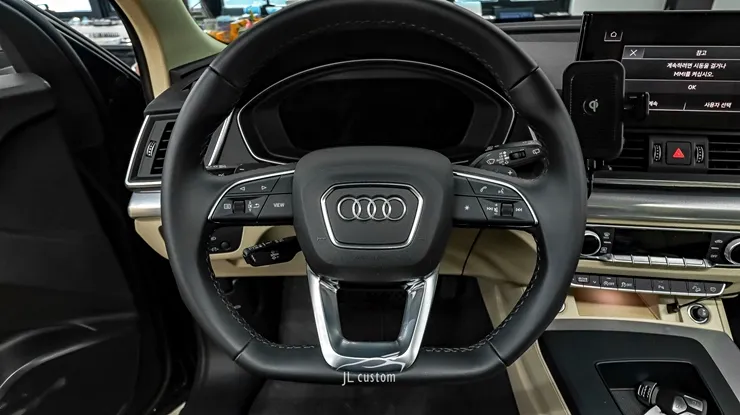
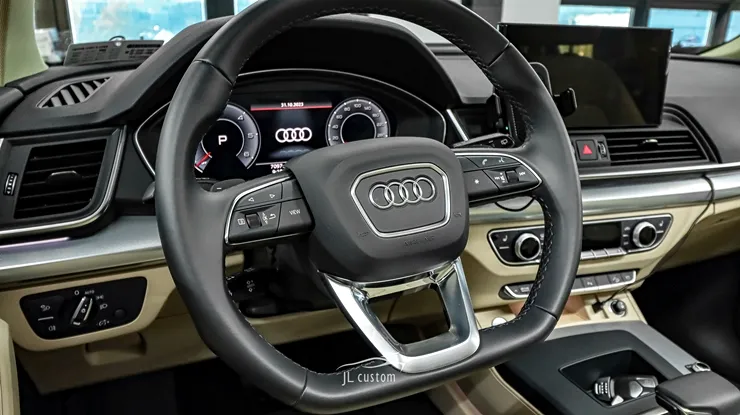
Audi Q5 Seat Ventilation & Heating upgrade offers enhanced comfort. Installation cost starts around ₩300,000 (approx. $220 USD). Enjoy consistent warm
Audi Q5 Seat Climate Upgrade: Enhancing Winter Comfort
For many drivers, especially those in colder climates, a heated steering wheel can feel like an essential feature rather than a luxury. While the original Korean context focused on steering wheel heating for an Audi Q5, the principles of adding climate control features to enhance comfort are universal. This review explores the concept of a Seat Ventilation & Heating upgrade for your Audi Q5, covering what's involved, the potential benefits, and what to consider before investing. While the specific installation detailed below was performed in Korea, the technology and considerations for a Seat Ventilation & Heating retrofit are relevant for Audi Q5 owners in the US and UK.
Seat Ventilation & Heating Installation Process & Details
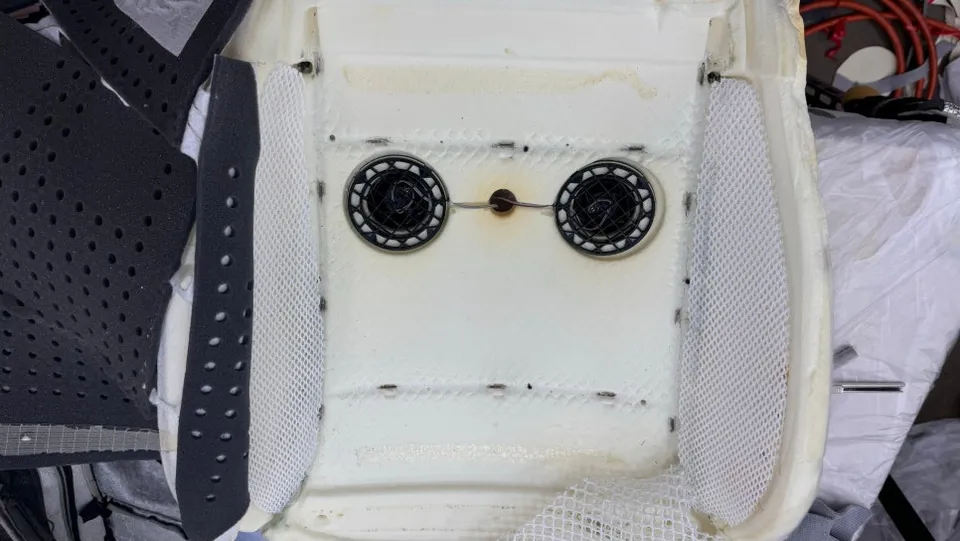
The core of a Seat Ventilation & Heating upgrade involves integrating climate control directly into your vehicle's seats. This is typically achieved by replacing the existing seat upholstery with new covers made from natural leather. Integrated within these new covers are custom-made heating pads, often sourced domestically for quality and reliability. The installation process is meticulous, focusing on replicating the original factory look and feel. A critical aspect often overlooked is the design of the heating elements. For optimal performance, thin, long heating pads are preferred, ensuring even heat distribution across the entire seat surface. The way these pads are laid out and stitched into the upholstery directly impacts the heating efficiency and overall comfort. The goal is a seamless integration that looks and feels like a factory option, providing a significant boost to your driving experience, especially during colder months.
Installation process:
- Upholstery Removal: The existing seat covers are carefully removed to allow access to the seat structure.
- Heating/Ventilation Pad Integration: Custom-designed heating and/or ventilation pads are precisely positioned and secured onto the seat foam.
- New Upholstery Installation: New, high-quality leather upholstery is fitted over the seat structure, incorporating the climate control elements.
- Wiring and Control Integration: Wiring harnesses are run discreetly to connect the climate control pads to a new control switch, typically installed in an accessible location on the dashboard or center console.
- Finishing and Testing: All seams are meticulously stitched and finished to match factory standards. The system is then tested to ensure proper heating, ventilation, and functionality of the controls.
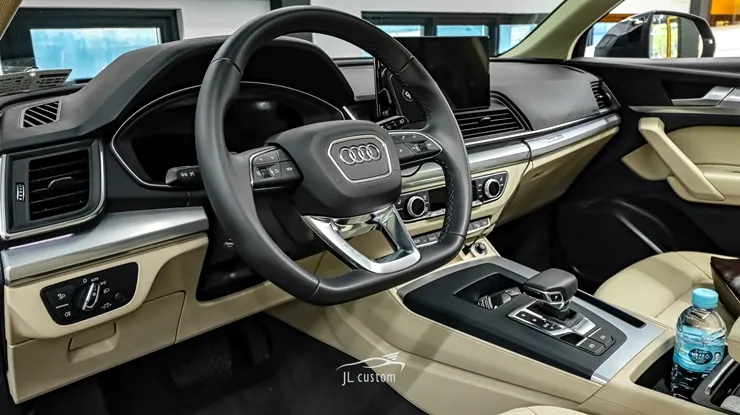
The Benefits of a Seat Climate Upgrade
Once installed, the difference is palpable. The primary benefit is enhanced comfort regardless of the weather. During winter, heated seats provide rapid and consistent warmth, making cold commutes or long journeys significantly more pleasant. The original Korean context highlighted the convenience of heated steering wheels, and similarly, heated seats offer a comparable level of comfort, reducing driver fatigue and increasing overall driving enjoyment. The control switches are strategically placed for easy access while driving, allowing for quick adjustments. Many systems offer timed operation, maintaining a comfortable temperature for extended periods. Beyond the immediate comfort, a well-executed Seat Ventilation & Heating upgrade can also be seen as a valuable enhancement to the vehicle's interior, potentially increasing its resale value. The durability of these systems, when installed with quality materials like natural leather and reliable heating pads, typically ranges from 3 to 5 years or more with proper care, ensuring long-term satisfaction.
Frequently Asked Questions
Q. How much does ventilated seat installation cost for a Audi Q5?
In Korea, the installation cost for heated and ventilated seats starts around ₩300,000 (approximately $220 USD). Actual costs in the US or UK may vary significantly based on the installer and specific components used.
Q. How long does seat ventilation installation take on a Audi Q5?
The installation process for seat climate upgrades typically takes between 3 to 4 hours. With quality materials and meticulous installation, these systems can last 3-5 years or more; regular checks can extend their lifespan.
Q. Are aftermarket ventilated seats worth it for a Audi Q5?
Aftermarket ventilated and heated seats are highly beneficial for drivers seeking enhanced comfort, especially in extreme weather conditions. They offer a significant upgrade in driving experience for a fraction of the cost of factory-installed options.
Q. How are ventilated seats installed in a Audi Q5?
Installation involves removing the original seat upholstery, integrating custom heating and/or ventilation pads, fitting new leather covers, and wiring the system to a discreetly placed control switch. The process emphasizes a clean, factory-like finish.
Q. What is the difference between OEM and aftermarket ventilated seats for a Audi Q5?
OEM (Original Equipment Manufacturer) seats are integrated during vehicle production, offering seamless fit and function. Aftermarket installations, while requiring professional fitting, can provide similar comfort features at a lower cost and can be retrofitted to vehicles without them from the factory.
OhCar Partner Shop