Audi Q7 OEM Options Review: Blind Spot Sensors
Service Price
$150+
Estimated price · Actual price may vary by shop
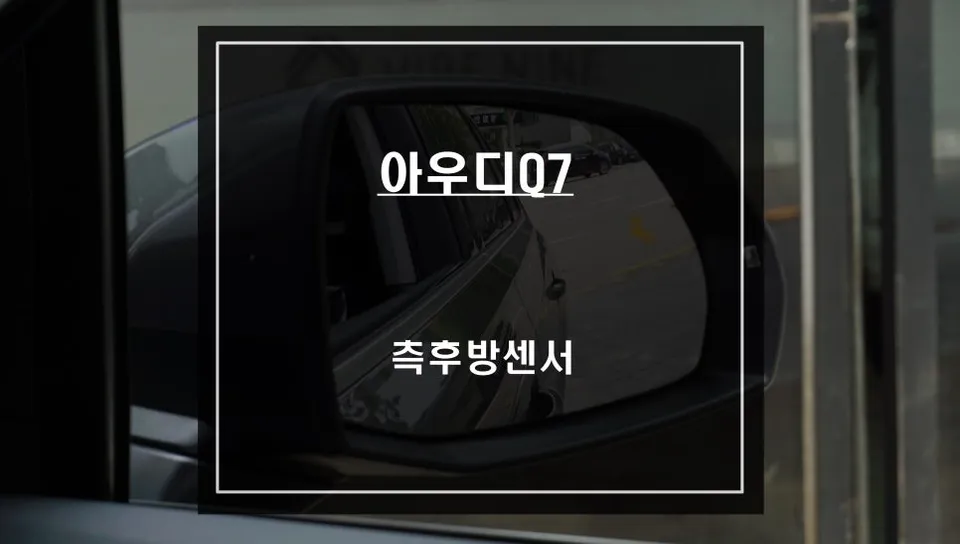
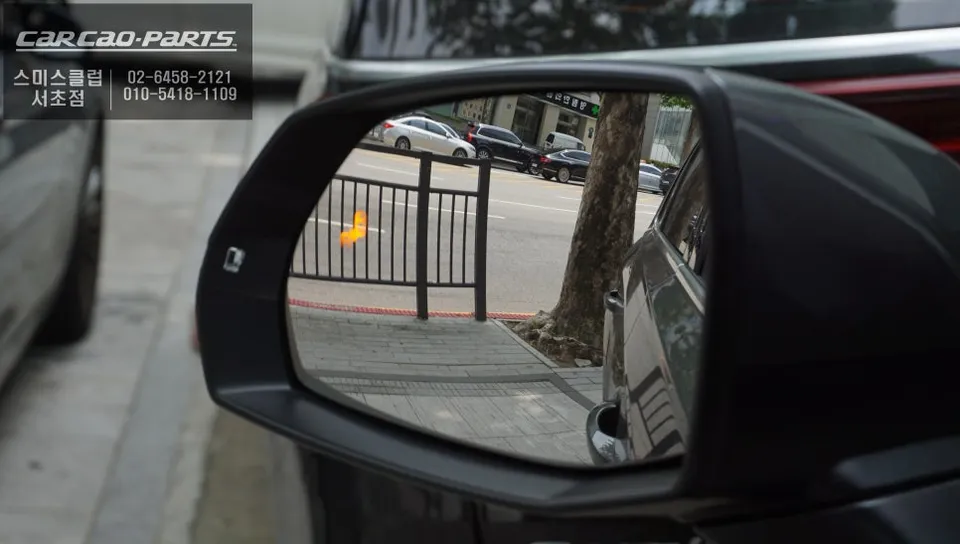
Audi Q7 blind spot sensors retrofit: ~$150+. Enhances lane change safety with radar detection and visual alerts.
Is an Audi Q7 Blind Spot Sensor Retrofit Worth It?
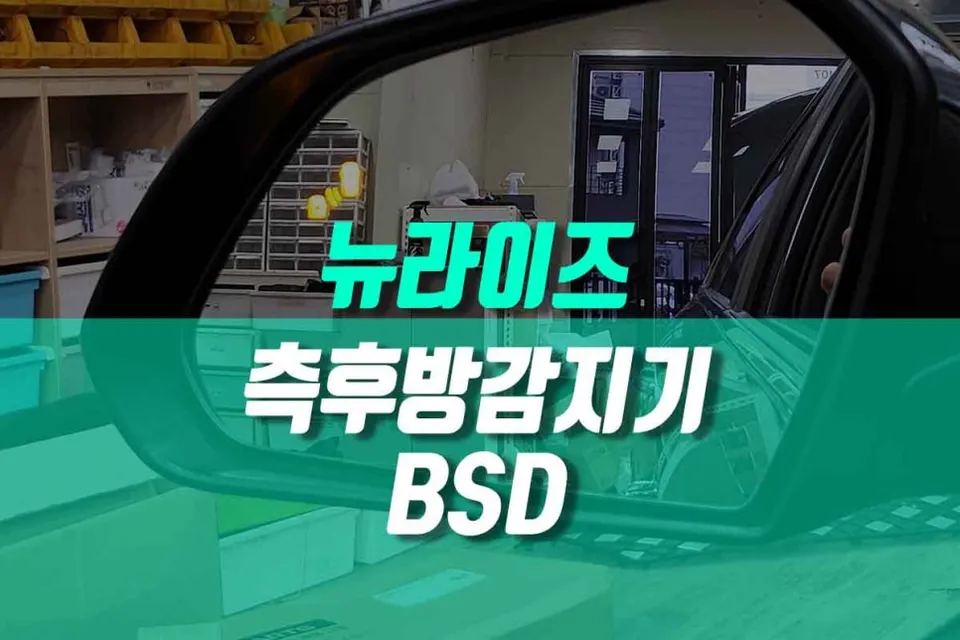
When changing lanes in your Audi Q7, do you ever get that nagging feeling – "Is there a car in my blind spot?" That invisible area, the blind spot, can be a significant safety hazard. If your Q7 is susceptible to these risks, considering a blind spot sensor retrofit, often referred to as an OEM option, is a smart move. This installation, as performed at a specialist shop in Seoul, South Korea, equips your vehicle with a system that detects approaching vehicles from the rear sides. It alerts the driver with a sensor light and an audible warning, dramatically enhancing safety, especially on highways and in busy urban traffic.
This isn't just about adding a safety feature; it's about doing so with a factory-level finish. The appeal lies in its ability to integrate seamlessly without compromising the vehicle's exterior aesthetics. It's no wonder this is one of the most favored upgrades for Audi Q7 owners seeking enhanced safety and convenience.
How the Blind Spot Sensor System Works
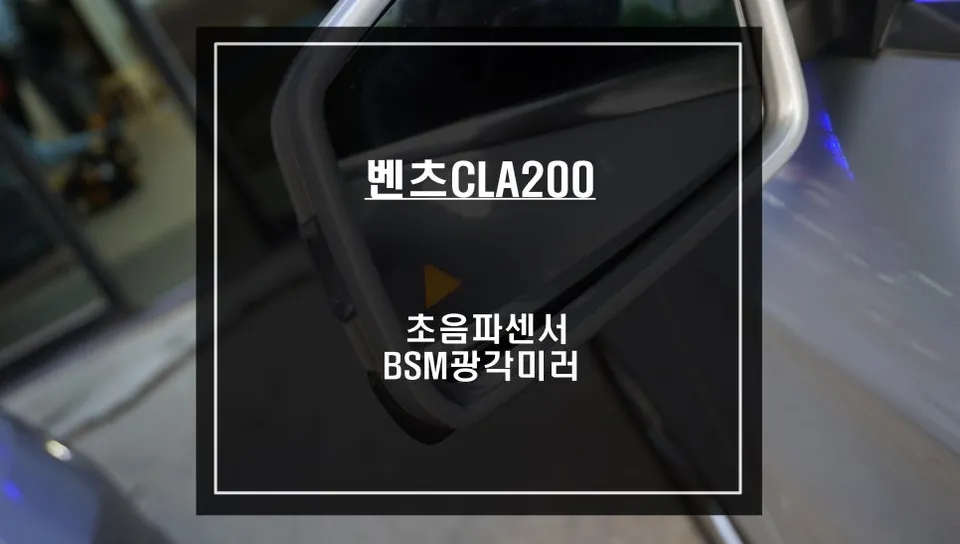
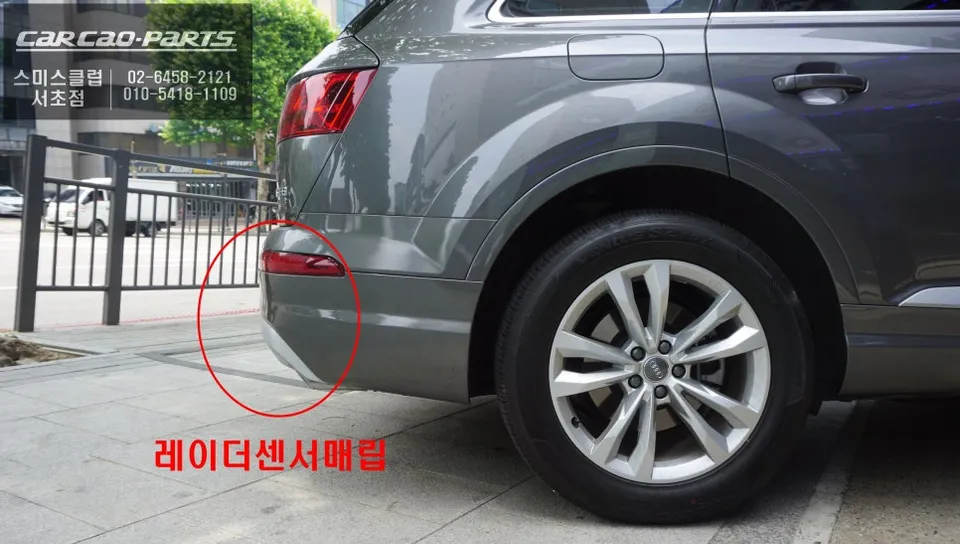
The system is a sophisticated integration of three key components: wide-angle mirrors, radar sensors, and indicator lights. The wide-angle mirrors physically reduce your blind spots by offering a broader field of vision than standard mirrors, all while maintaining the vehicle's original appearance. The core of the system, however, lies in the radar sensors discreetly embedded within the rear bumper. Unlike ultrasonic sensors that require drilling, these radar sensors are installed internally, preserving the bumper's integrity. They provide a detection range of approximately 5-7 meters, giving you ample warning time as vehicles approach from behind.
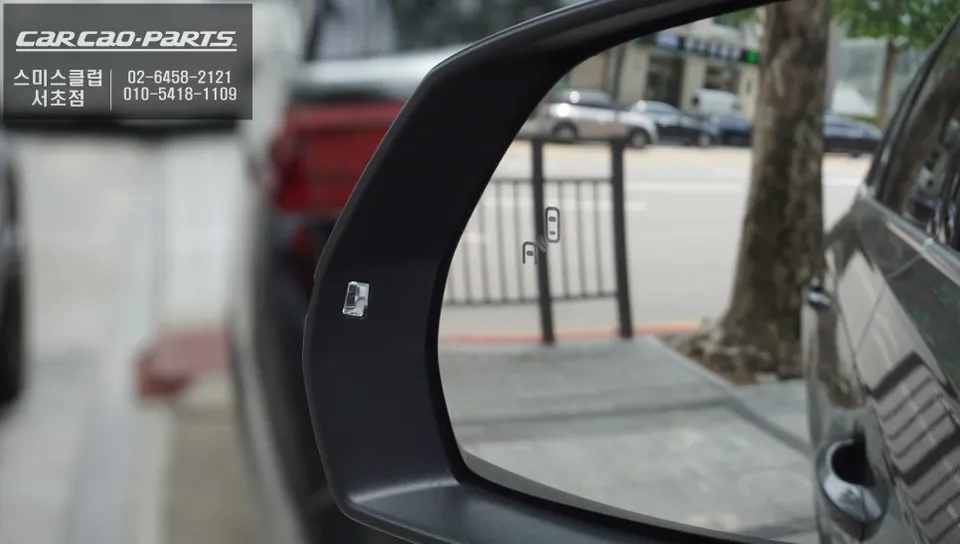
Installation Process:
- Bumper Diagnosis and Sensor Placement: Technicians meticulously inspect the Q7's bumper structure. Given the complex wiring of premium vehicles like the Audi Q7, precise placement of the radar sensors within the left and right bumpers is crucial.
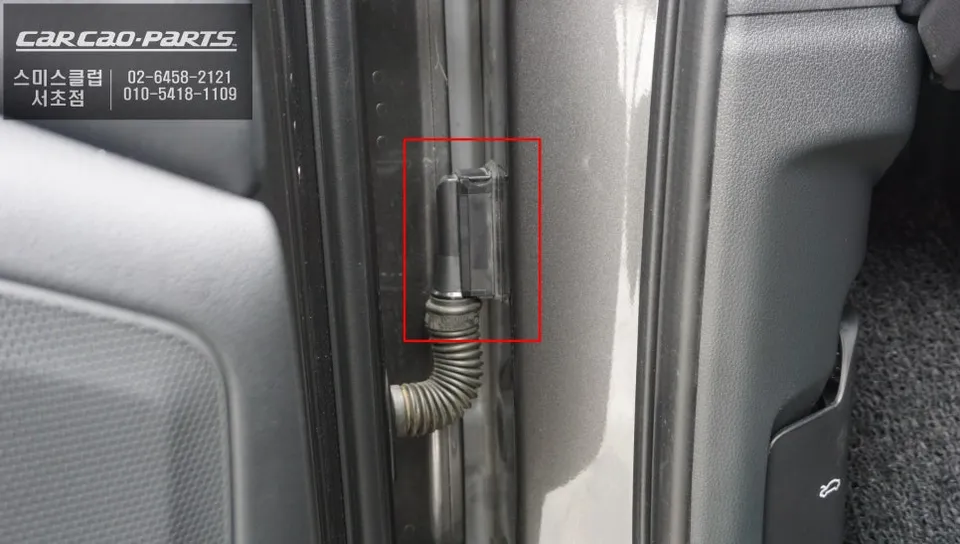
- Wiring Integration: The wiring from the bumper-mounted sensors is routed to the side mirrors. This is done using original-style protective conduits to ensure a clean, factory-like finish with no exposed wires, mimicking a genuine OEM option.
- Sensor Light Installation: LED indicator lights are fitted into the side mirrors. These lights illuminate when a vehicle is detected in the blind spot, providing a visual alert that complements the audible warning.
- ECU Synchronization: The final step involves connecting the system to the vehicle's Electronic Control Unit (ECU). This synchronizes the sensor data with the car's systems, ensuring reliable operation. Specialist knowledge of Audi's electronics is vital here for seamless integration.
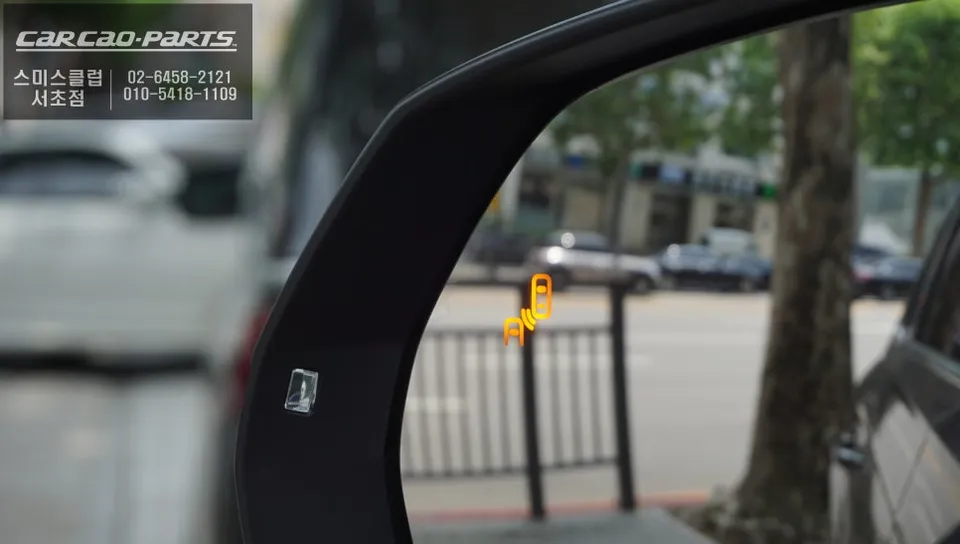
Understanding the Detection Principle
The effectiveness of the radar sensors hinges on understanding their detection characteristics. These sensors are designed to detect only moving objects, ignoring stationary elements like walls or parked cars. This means you'll only receive an alert when a vehicle is actively approaching your blind spot. The 5-7 meter detection range is significant; on a highway traveling at 100 km/h (approx. 60 mph), this provides at least half a second of warning time before a potential lane change. It's important to note that factors like the vehicle's frame structure and model year can cause slight variations in this range.
OEM Options Cost and Value
The cost for a blind spot sensor retrofit on an Audi Q7 can vary based on the specific components used and the complexity of the installation. In South Korea, such installations typically range from approximately ₩150,000 KRW (around $150 USD) upwards. While this is an aftermarket installation, it aims to replicate the functionality and appearance of a factory-installed OEM option. The value proposition lies in significantly enhancing driving safety by mitigating blind spot risks, providing peace of mind during lane changes and merges. For many Q7 owners, the added safety and the seamless integration make this a worthwhile factory upgrade.
Frequently Asked Questions
Q. How much does OEM option and factory upgrade installation cost for a Audi Q7?
The installation cost for blind spot sensors on an Audi Q7, replicating an OEM option, typically starts around ₩150,000 KRW (approximately $150 USD) in South Korea. Actual US installation costs may vary significantly based on labor rates and specific kits used.
Q. How long does OEM options installation take on a Audi Q7?
The durability of a blind spot sensor system is generally excellent, often lasting the lifetime of the vehicle with proper installation. Basic maintenance involves keeping the rear bumper sensors clean from dirt and debris.
Q. Are OEM options worth adding after purchase for a Audi Q7?
Yes, adding blind spot sensors as an OEM option retrofit is highly recommended for Audi Q7 owners who frequently drive on highways or in busy traffic. The significant improvement in safety during lane changes offers substantial value.
Q. How are OEM factory options installed on a Audi Q7?
Installation involves embedding radar sensors within the rear bumper, routing wiring discreetly to the side mirrors, and fitting LED indicator lights. The system is then synchronized with the vehicle's ECU for full functionality.
Q. What is the difference between dealer-installed options and aftermarket upgrades for a Audi Q7?
Dealer-installed options are typically genuine factory parts integrated during production or by the dealer, often with full warranty. Aftermarket upgrades, like this blind spot sensor retrofit, aim to replicate OEM functionality and appearance using specialized kits, offering a cost-effective way to add features.
Kakao Parts