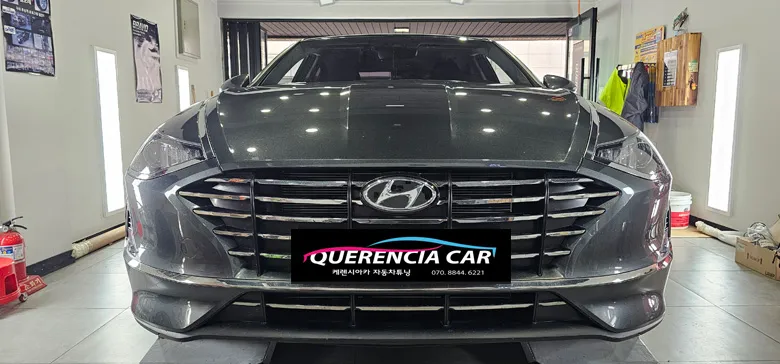
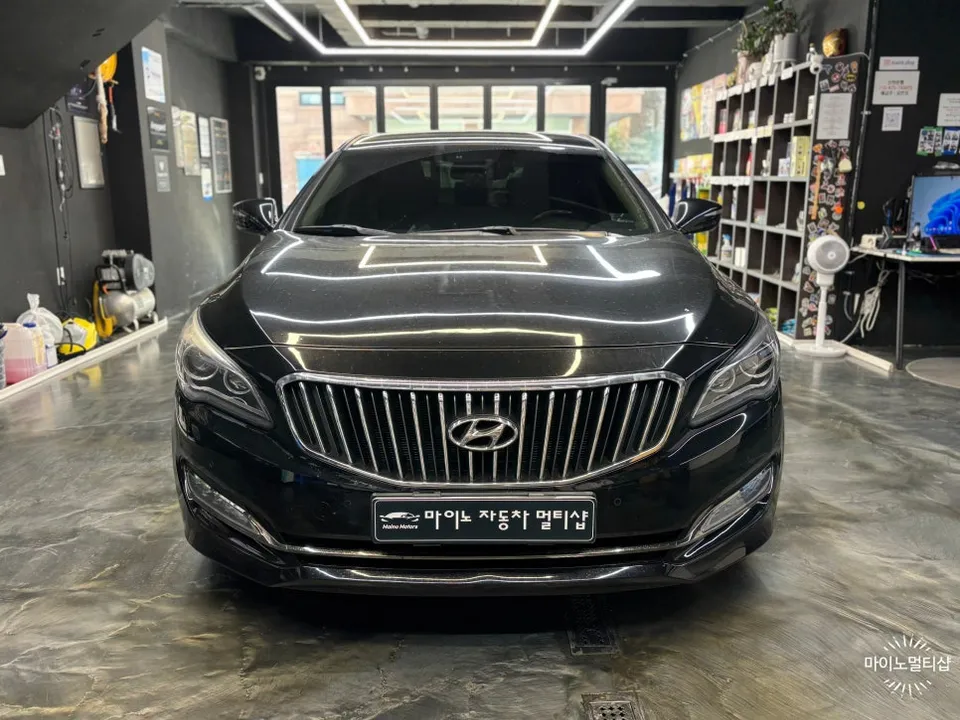
Hyundai Sonata New Rise BSD Retrofit Review
Service Price
$40–80
Estimated price · Actual price may vary by shop
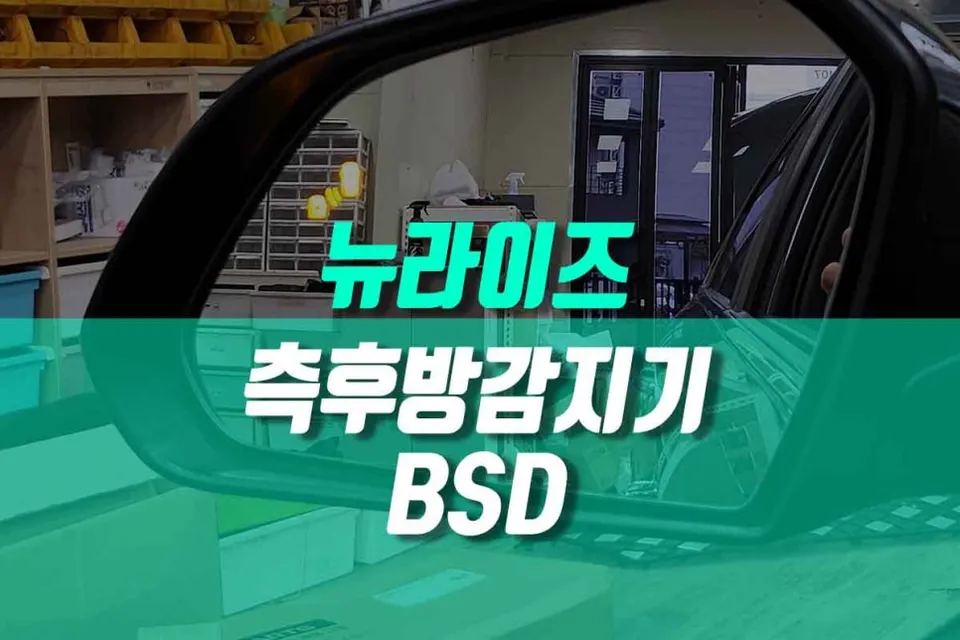
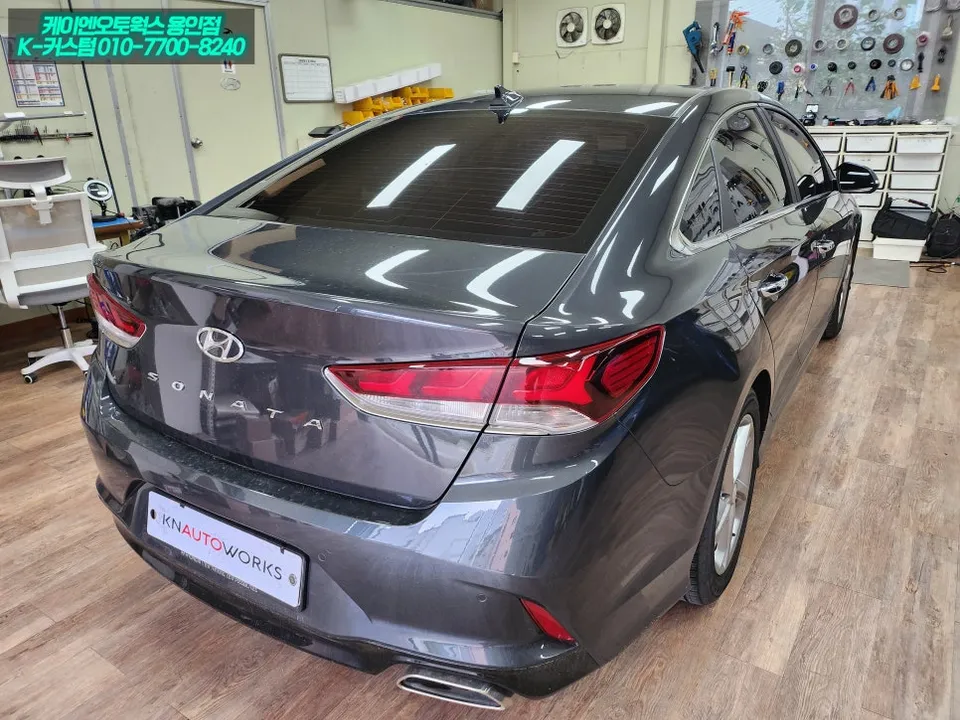
Hyundai Sonata New Rise BSD retrofit: Approx. $400-$800. Enhances safety by detecting vehicles in blind spots.
Enhancing Safety with OEM Blind Spot Detection for the Hyundai Sonata New Rise
For drivers of the Hyundai Sonata New Rise, particularly those new to the road or frequently undertaking long journeys, enhancing safety features is paramount. This review focuses on the installation of the factory-developed Blind Spot Detection (BSD) system, a crucial aid for preventing accidents during lane changes. Utilizing genuine Hyundai parts, this upgrade offers a seamless integration that boosts driver confidence and overall road safety.
What is Blind Spot Detection (BSD)?
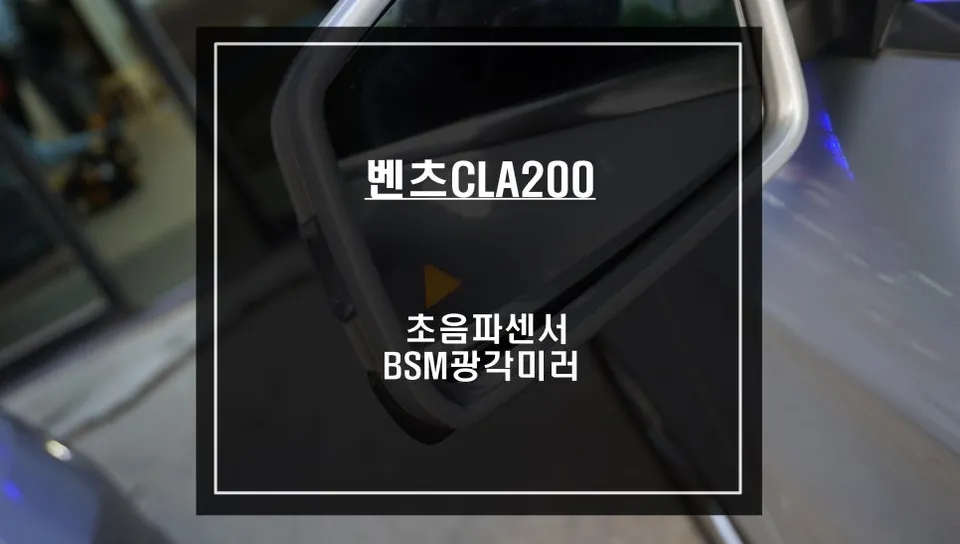
BSD, or Blind Spot Detection, is an advanced driver-assistance system designed to alert you to vehicles in your blind spots. The system employs radar sensors, typically mounted on the rear bumper, to detect approaching vehicles within a range of approximately 20 to 30 meters. When a vehicle is detected in a blind spot, a warning light illuminates on the corresponding side mirror. If you activate your turn signal while a vehicle is present in that blind spot, an audible alert will also sound, providing a multi-layered warning to help prevent potential collisions during lane changes. This system acts as an invaluable co-pilot, augmenting driver awareness and contributing significantly to safer driving practices.
OEM Options Installation Process: A Detailed Look
The installation of the OEM BSD system on a Hyundai Sonata New Rise is a meticulous process performed by specialists. The procedure typically involves:
- Rear Bumper Removal: The rear bumper is carefully detached to gain access to the mounting locations for the radar sensors.
- Sensor Installation: Two radar sensors are precisely mounted in their designated factory positions on the inner side of the bumper. Ensuring the correct angle using a level is critical for optimal detection performance.
- Wiring and Integration: Genuine wiring harnesses and connectors are used to integrate the sensors with the vehicle's electrical system.
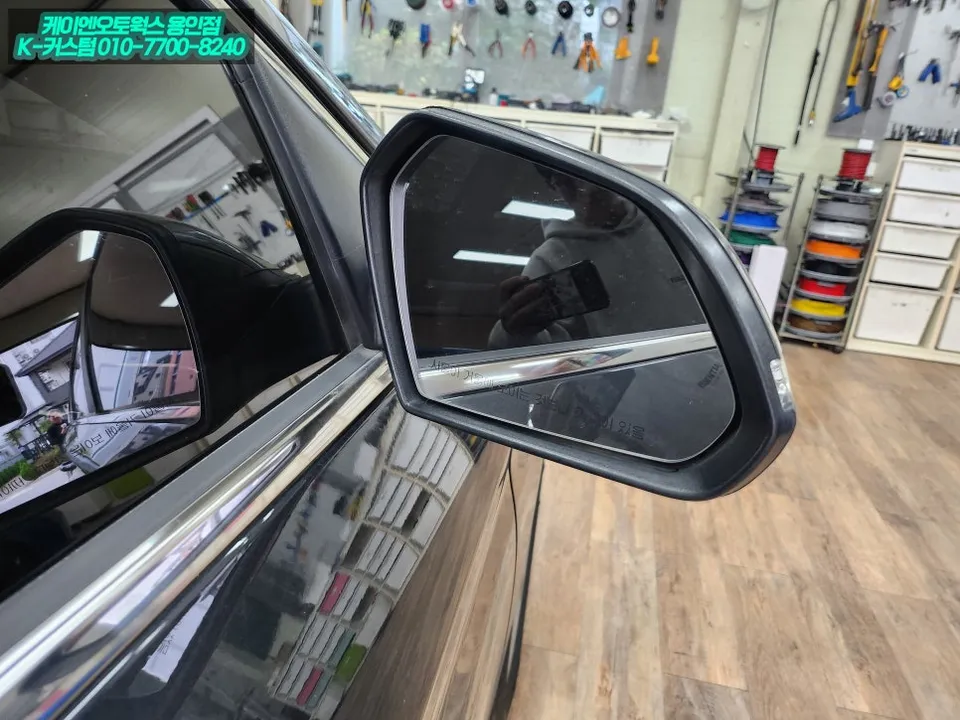
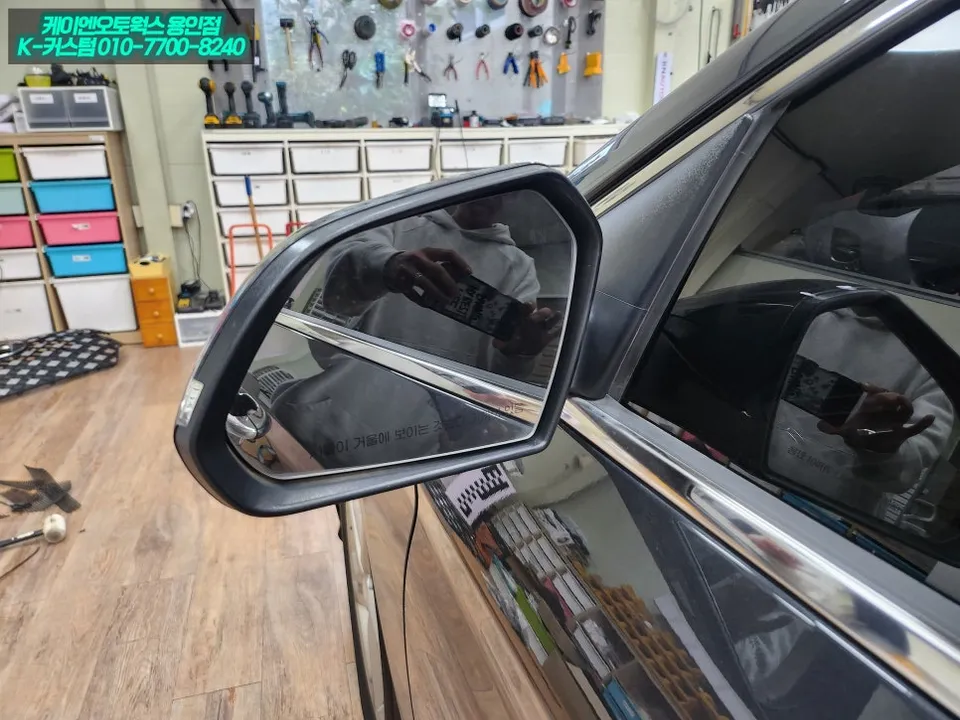
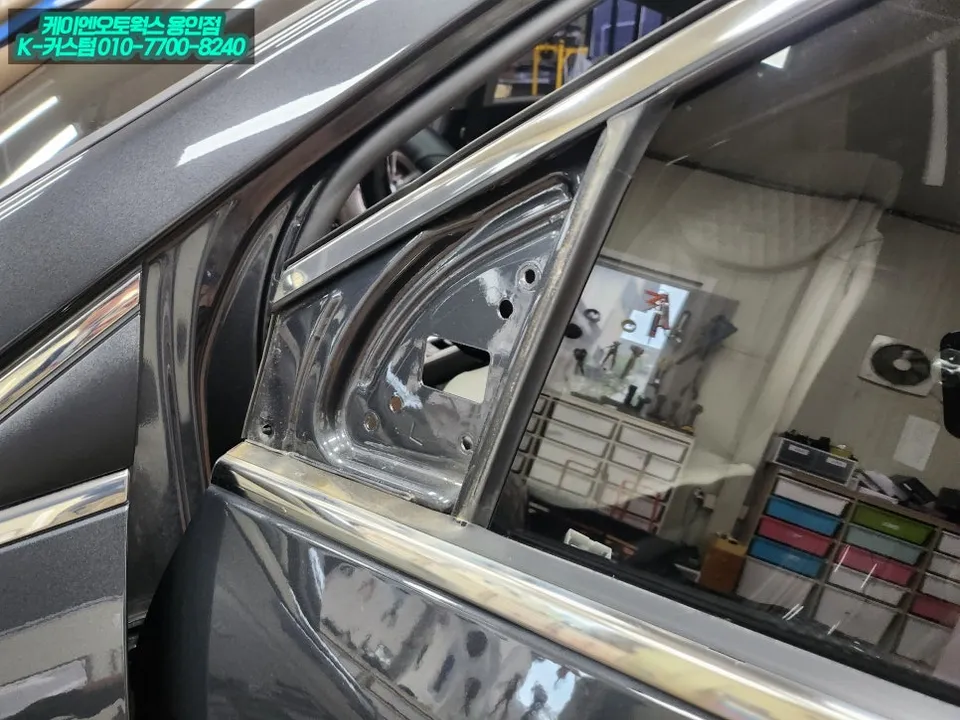
- Mirror and Switch Replacement: The side mirrors are replaced with units that incorporate the BSD warning LEDs. Additionally, the crash pad switch is upgraded to a genuine part, allowing the driver to manually activate or deactivate the BSD system.
This comprehensive approach ensures that the installed BSD system functions identically to a factory-fitted option, complete with the expected warning light illumination on the mirrors and activation of the 'Driving Assist - Rear' display in the instrument cluster.
Why Choose the Factory Option Retrofit?
The benefits of retrofitting the OEM BSD system are most pronounced during nighttime driving or in congested urban environments where visibility can be compromised. The system's ability to detect rapidly approaching vehicles from the rear significantly reduces the risk of accidents during lane changes. Opting for an OEM solution guarantees perfect compatibility with the Sonata New Rise's existing electronic systems, unlike aftermarket alternatives which may present integration challenges or reliability issues. Furthermore, using genuine parts simplifies any future maintenance or warranty claims. For Sonata New Rise owners, the addition of the factory BSD option is a highly recommended safety enhancement.
Hyundai Sonata New Rise BSD Retrofit Information
Cost: The installation of the genuine BSD option for the Hyundai Sonata New Rise typically ranges from approximately ₩500,000 to ₩800,000 in Korea. This translates to an estimated US price range of $400-$800, though exact costs can vary based on parts availability and the specific installer. (Note: Part costs may differ based on vehicle trim, model year, and existing options.)
Time Required: The complete installation process usually takes around 3 to 4 hours, allowing for same-day completion and vehicle return.
Durability and Maintenance: As genuine OEM parts are used, the system's longevity is tied to the vehicle's warranty policy. The BSD sensors themselves are designed for long-term use, but like any external component, they can be susceptible to damage from impacts or moisture ingress.
Frequently Asked Questions
Q. How much does OEM option and factory upgrade installation cost for a Hyundai Sonata New Rise?
The OEM BSD retrofit for a Hyundai Sonata New Rise typically costs between ₩500,000 to ₩800,000 in Korea, with an estimated US price range of $400-$800. Actual costs can vary based on parts and installer.
Q. How long does OEM options installation take on a Hyundai Sonata New Rise?
The installation process for OEM options like BSD on a Hyundai Sonata New Rise usually takes about 3-4 hours. Proper maintenance involves keeping the rear sensors clean and free from debris for optimal performance.
Q. Are OEM options worth adding after purchase for a Hyundai Sonata New Rise?
Yes, adding the OEM BSD option is highly recommended for Sonata New Rise drivers, especially those new to driving or frequently in complex traffic, as it significantly enhances safety. It offers seamless integration and reliable performance compared to aftermarket alternatives.
Q. How are OEM factory options installed on a Hyundai Sonata New Rise?
OEM factory options like BSD are installed by first removing the rear bumper to mount radar sensors at precise angles. Then, genuine wiring is connected, side mirrors are replaced with units featuring warning LEDs, and a new switch is installed for system control.
Q. What is the difference between dealer-installed options and aftermarket upgrades for a Hyundai Sonata New Rise?
OEM factory options, like the BSD system discussed, are designed and manufactured by the vehicle's maker for perfect integration and reliability. Aftermarket upgrades, while sometimes cheaper, may not offer the same level of compatibility or long-term performance.
OhCar Partner Shop