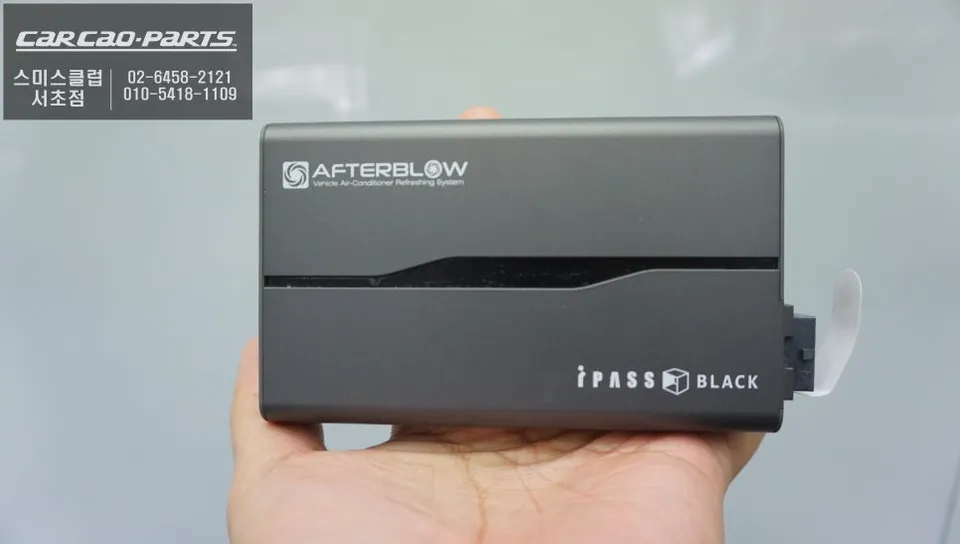
Audi Q7 OEM Options Review: Smart Navi & Sensor Upgrade
Service Price
$150+
Estimated price · Actual price may vary by shop
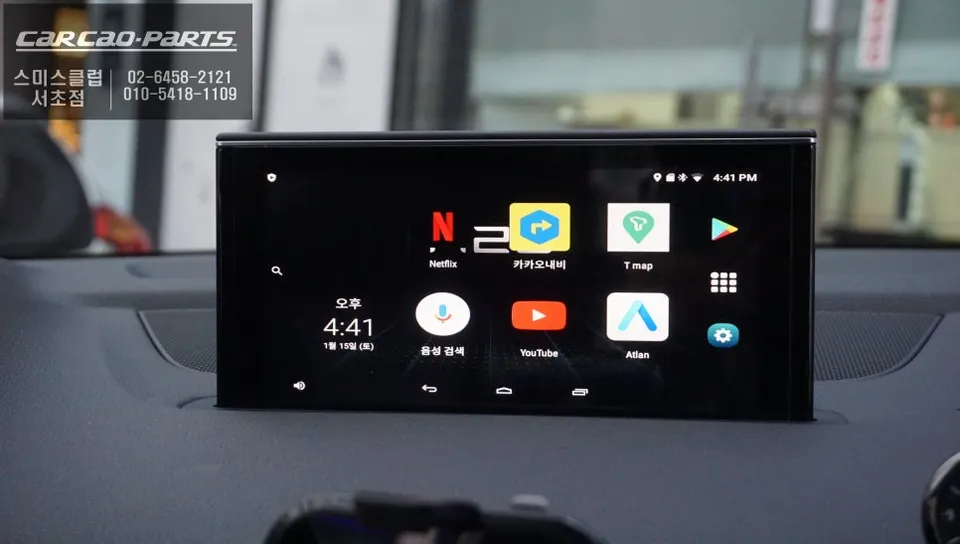
Audi Q7 car-tablet retrofit with M2C-200A and sensors: approx. $2,200-$3,700. Adds smart apps and safety features.
Audi Q7: Enhancing Your Drive with Smart Integration
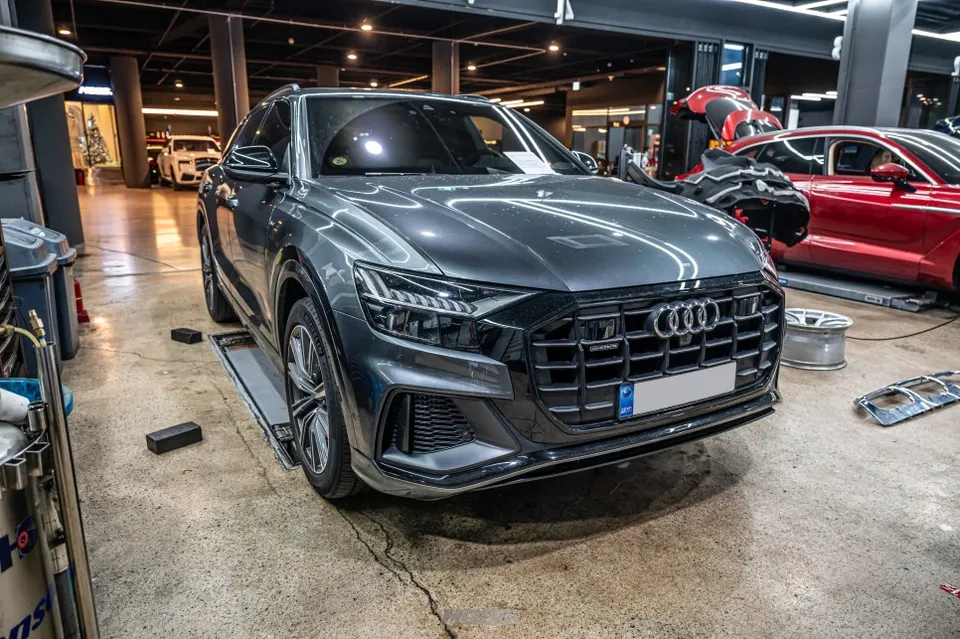
The Audi Q7, a symbol of luxury and performance, deserves an in-car experience that matches its premium status. The integration of a 'car-tablet' system, essentially a smart display that runs Android apps, transforms your factory monitor into a versatile hub. This review details a recent installation on an Audi Q7, focusing on the M2C-200A car-tablet and the addition of rear-side sensors, offering a glimpse into the value of these OEM options and factory upgrades.
Preparing for Car-Tablet Installation
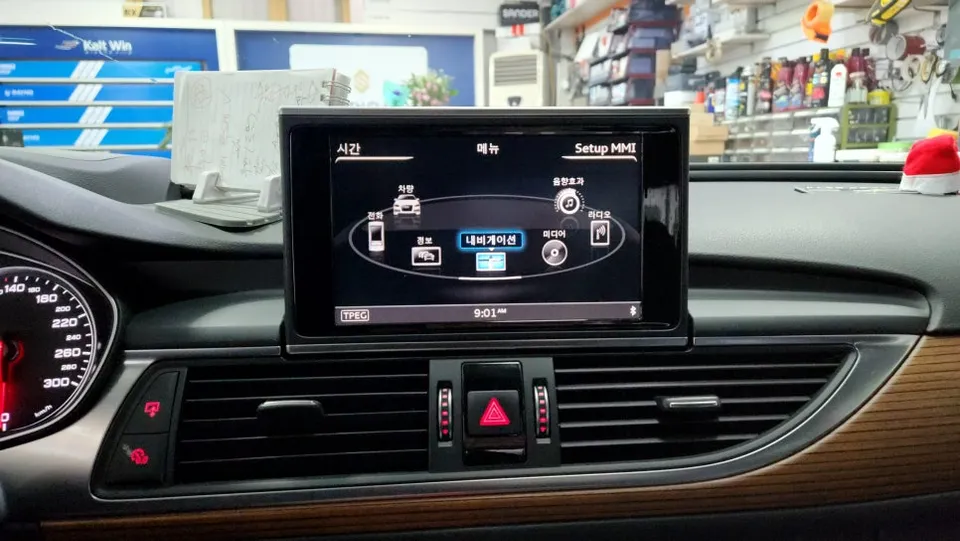
Before embarking on a car-tablet retrofit for your Audi Q7, a thorough assessment of the existing dashboard monitor is crucial. The installation involves fitting an 8.2-inch capacitive touch panel, requiring precise measurements of the original screen's dimensions, including height and angle, to ensure a seamless fit. Compatibility checks with existing wiring and power lines are also essential to prevent interference. The goal is not merely to attach a screen but to achieve perfect integration that complements the Q7's sophisticated interior design. The flowing lines of the Q7's center fascia make the panel's edge finishing a particularly important detail for a factory-like appearance.
The M2C-200A Car-Tablet: Smart Functionality
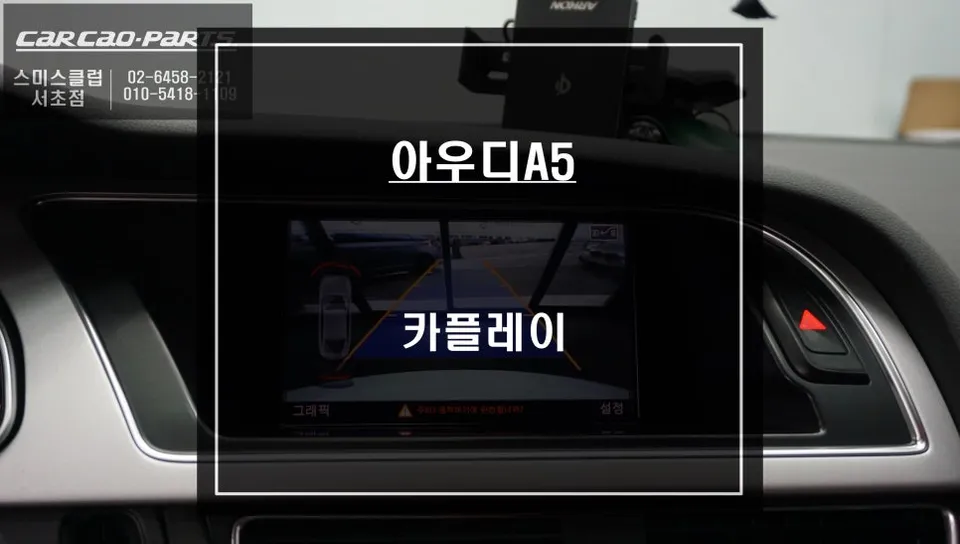
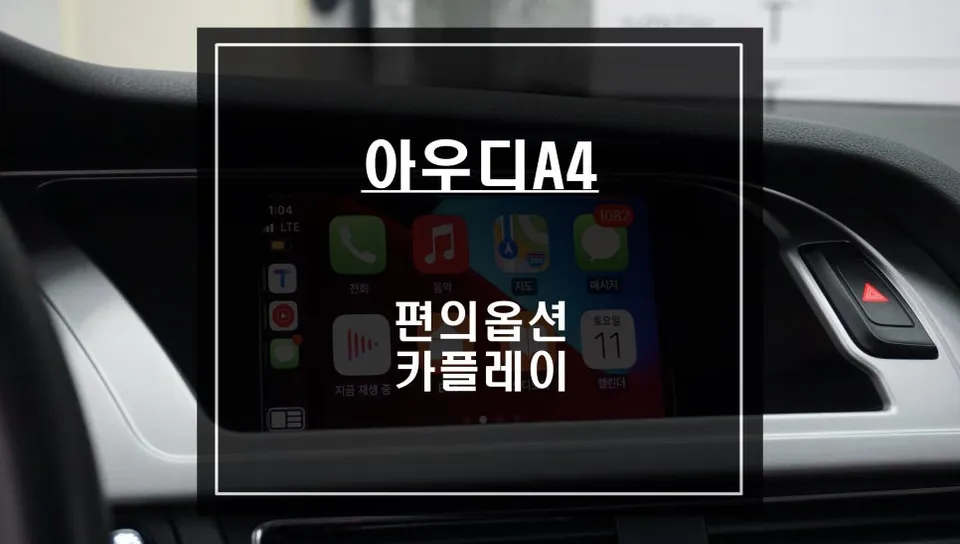
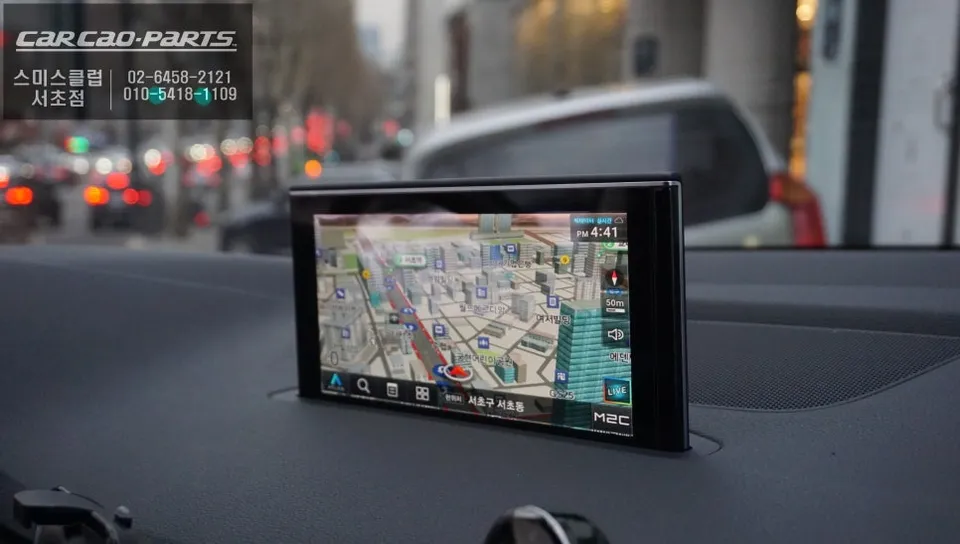
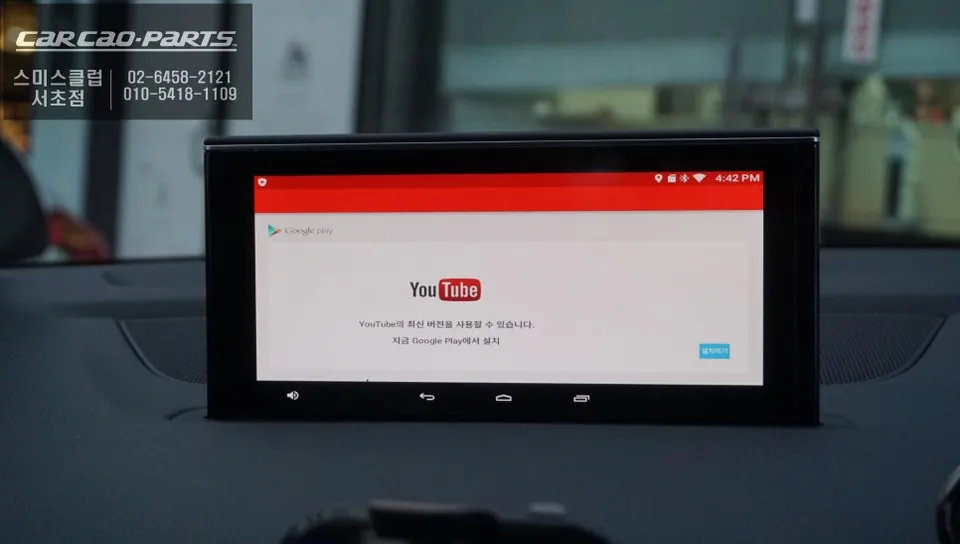
The M2C-200A is more than just a navigation device; it's an Android-based smart platform. When connected to your smartphone's hotspot, it grants access to the Google Play Store, allowing you to download popular applications like YouTube, Netflix, and music streaming services. Navigation options are flexible, with the Atlant V5 map pre-installed, and the ability to add real-time traffic-aware apps such as T-Map or KakaoMap. This provides a smartphone-like experience directly within your vehicle. The typical cost for this system, including installation, ranges from 3 to 5 million Korean Won (approximately $2,200 - $3,700 USD, subject to exchange rates and specific options), with installation usually taking 3 to 4 hours.
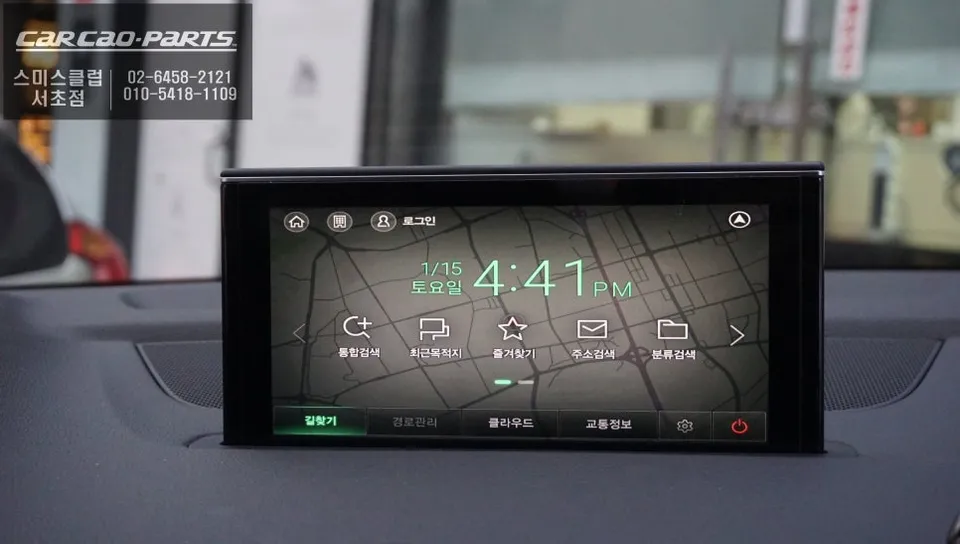
Precision Touch Panel Installation
The accuracy of an 8.2-inch capacitive touch panel is paramount. Even slight misalignment can lead to reduced responsiveness or input errors. The installation process involves securing a base mounting frame made of insulating material onto the original monitor. The 8.2-inch panel is then precisely leveled and bonded to the frame using a strong adhesive. To prevent air bubbles, a specialized vacuum tool is used to ensure a completely sealed application. The adhesive typically requires 24 hours to cure, during which time touch operation should be avoided. While the touch panel installation alone might cost between 500,000 to 1 million Korean Won (approx. $370 - $740 USD), it's usually factored into the overall car-tablet retrofit price.
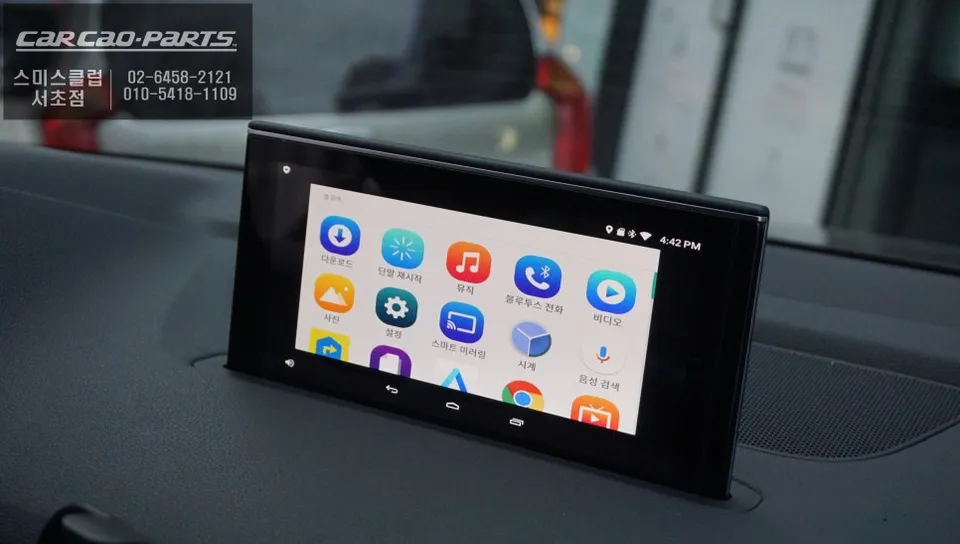
Seamless Integration with the Q7's Systems
For the car-tablet to function optimally, it must communicate effectively with the Q7's original systems. This is achieved using a 'CANBUS adapter,' a device that translates the vehicle's proprietary signal language for the car-tablet. For a vehicle like the Q7, which features an advanced information network, ensuring that steering wheel controls (like volume and channel changes) are functional with the new system is critical. This 'steering wheel control mapping' process involves individually testing each button to confirm error-free operation, a vital step for a complete factory upgrade experience.
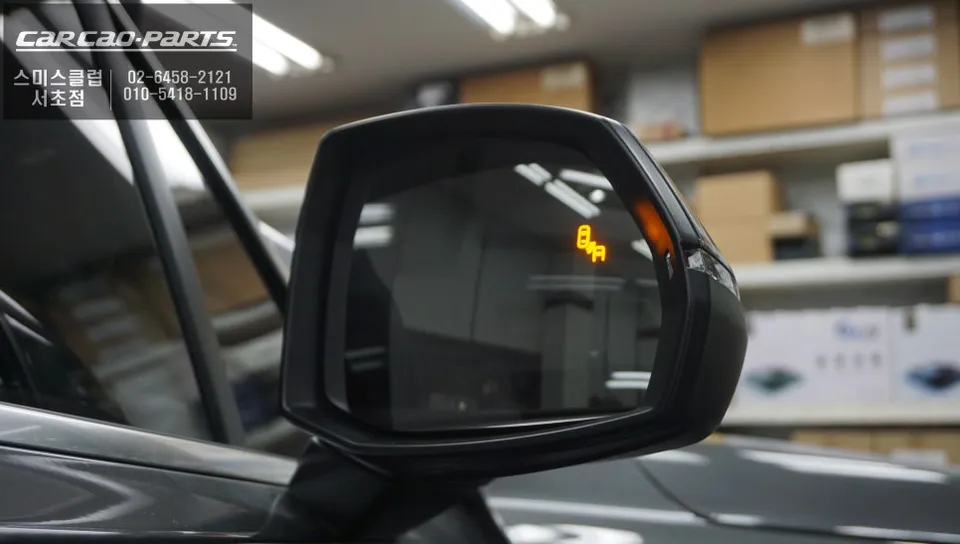
Rear-Side Sensors: Essential Safety for the Q7
While the Audi Q7 is a premium SUV, it may not come standard with rear-side sensors, also known as a blind-spot warning system. These sensors are invaluable for safety, particularly when changing lanes. They detect vehicles in your blind spots and provide visual or auditory alerts, significantly reducing the risk of collision. Adding this dealer option retrofit enhances the Q7's safety features, providing peace of mind during everyday driving and on longer journeys.
Installation Process:
- Assessment and Measurement: The existing dashboard monitor is precisely measured to determine the optimal fit for the new touch panel.
- Base Mounting: An insulating base frame is securely attached to the original screen.
- Panel Placement and Bonding: The 8.2-inch capacitive touch panel is carefully aligned and bonded to the base frame using specialized adhesive and vacuum tools to eliminate air bubbles.
- System Integration: A CANBUS adapter is installed to enable communication between the car-tablet and the vehicle's systems, including mapping steering wheel controls.
- Sensor Installation: Rear-side sensors are discreetly mounted and integrated into the vehicle's electrical system, with calibration performed for accurate detection.
Frequently Asked Questions
Q. How much does OEM option and factory upgrade installation cost for a Audi Q7?
The M2C-200A car-tablet system with installation typically costs between 3 to 5 million Korean Won (approx. $2,200 - $3,700 USD). Additional dealer options like rear-side sensors will incur separate costs.
Q. How long does OEM options installation take on a Audi Q7?
The installation for a car-tablet system like the M2C-200A usually takes about 3 to 4 hours. For optimal durability, it's recommended to avoid touching the newly installed panel for 24 hours to allow the adhesive to fully cure.
Q. Are OEM options worth adding after purchase for a Audi Q7?
Adding OEM options like a smart car-tablet system or rear-side sensors can significantly enhance your Audi Q7's functionality and safety. These upgrades are particularly worthwhile for owners who want to integrate modern smartphone conveniences and advanced driver-assistance features into their luxury SUV.
Q. How are OEM factory options installed on a Audi Q7?
Installation involves precisely fitting an 8.2-inch capacitive touch panel onto the original monitor after preparing a base mounting frame. A CANBUS adapter is then integrated to ensure seamless communication with the vehicle's systems, and steering wheel controls are mapped for full functionality.
Q. What is the difference between dealer-installed options and aftermarket upgrades for a Audi Q7?
Dealer-installed options, like the rear-side sensors discussed, are typically designed to integrate seamlessly with the vehicle's existing systems and often maintain warranty coverage. Aftermarket upgrades, such as some car-tablet systems, offer advanced features but require careful selection to ensure compatibility and quality integration with your Audi Q7.
Kakao Parts