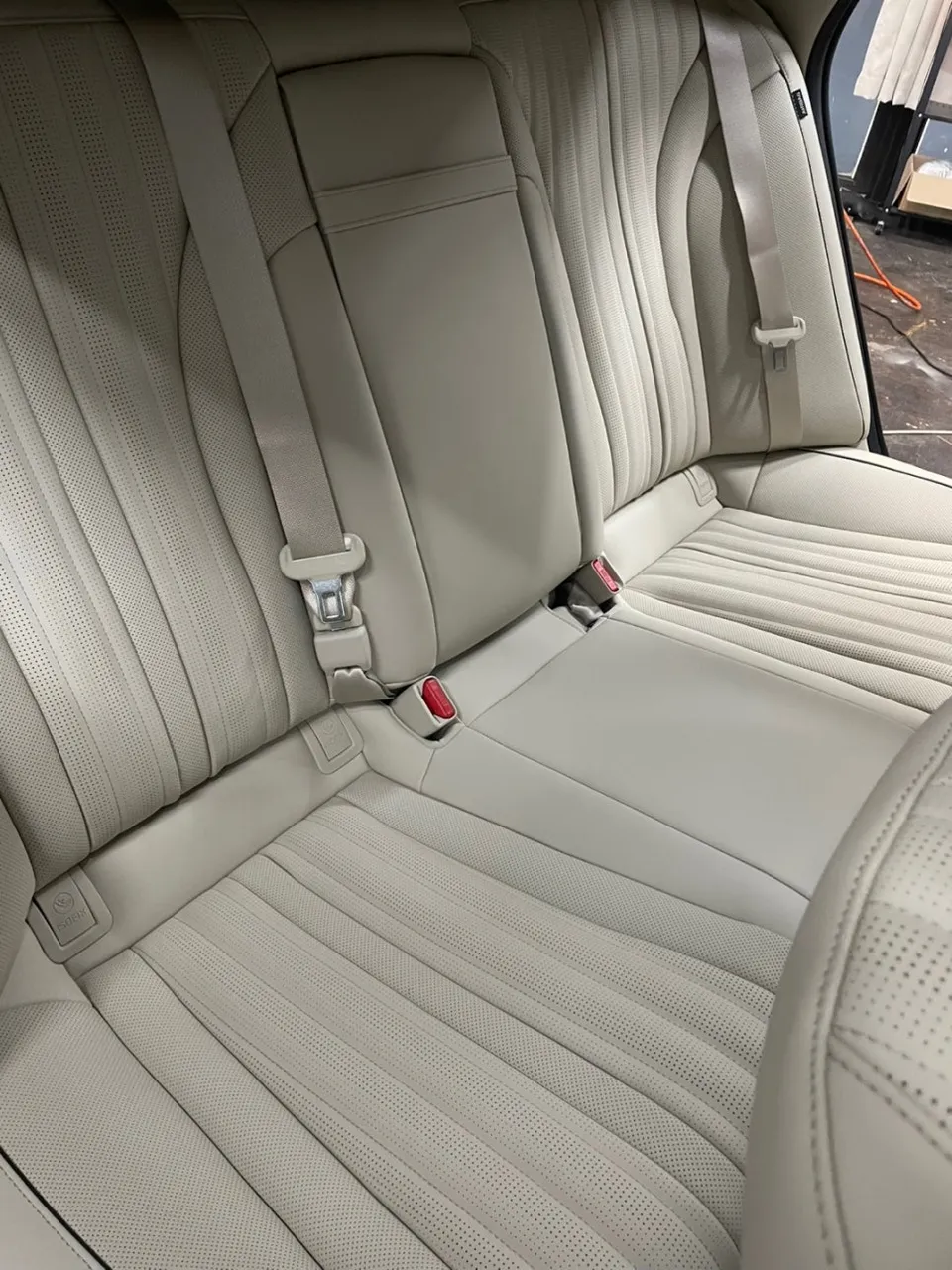
Audi Q7 Heated Seats Repair Review — Fast, Affordable Comfort
Service Price
$150+
Estimated price · Actual price may vary by shop
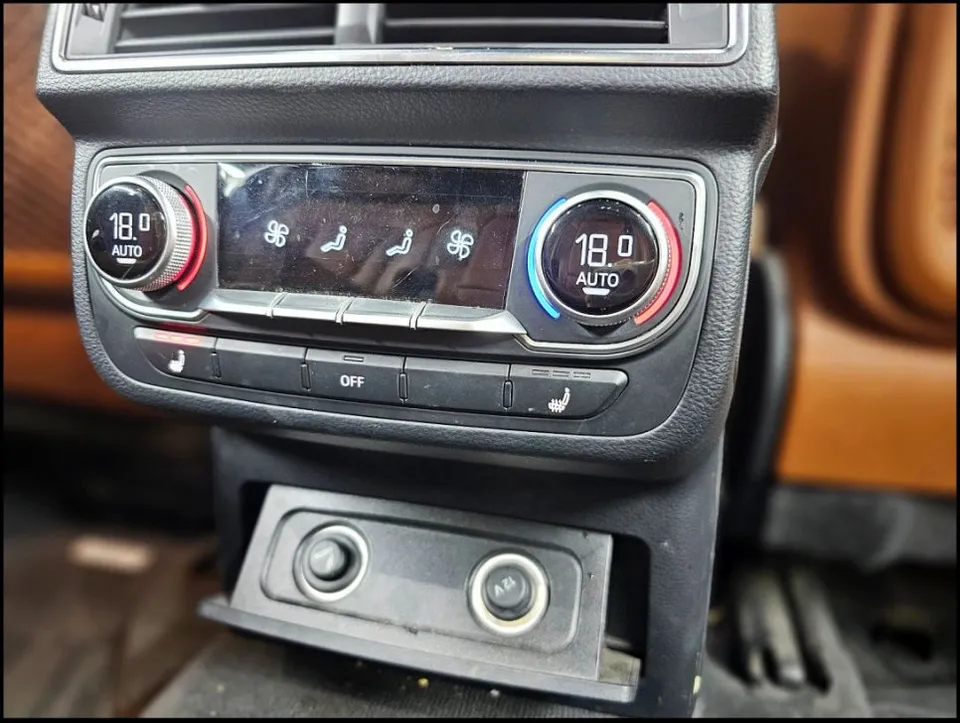
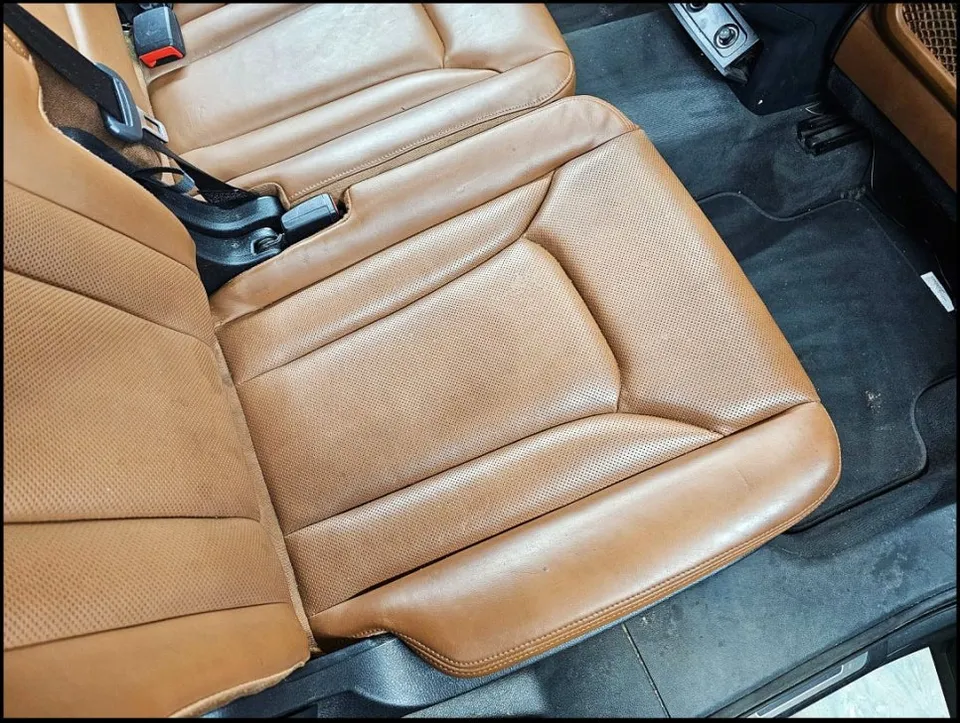
Audi Q7 Heated Seats Repair: Restoring Comfort for All Passengers
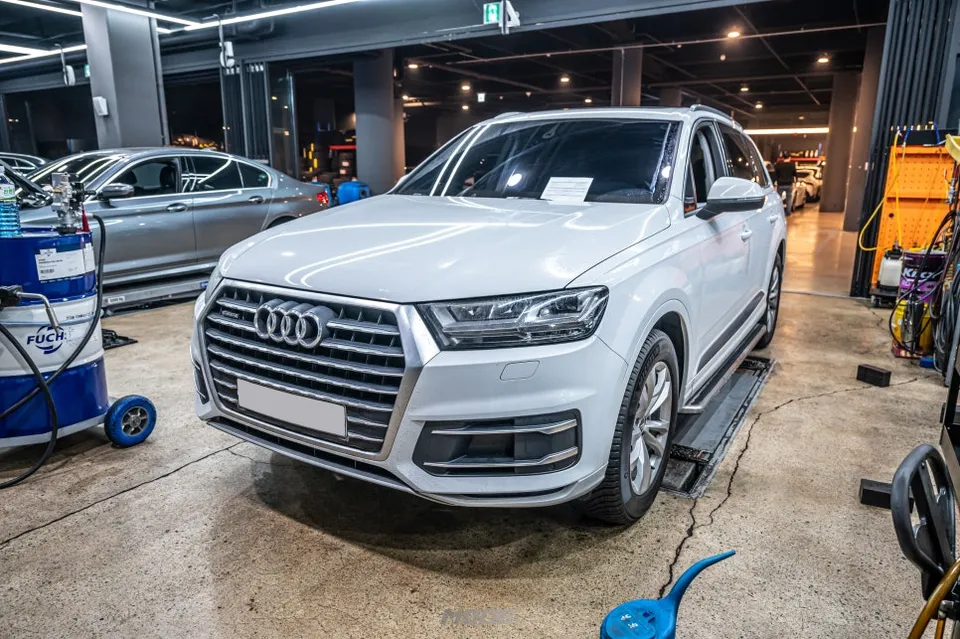
The Audi Q7 stands as a benchmark in the large SUV segment, particularly favored by families who frequently utilize the rear seating. While the Q7 boasts excellent factory-installed heated seats, prolonged use can unfortunately lead to issues like circuit breaks or malfunctions within the heating elements. Repairing the Audi Q7's heated seats is more than just a convenience fix; it's crucial for ensuring passenger comfort, especially during colder months. This review delves into the common problems, repair processes, and the tangible results of restoring this essential feature.
Understanding Heated Seat Malfunctions and Repair Options
The heating system within car seats is intricate. It relies on a network of fine metal heating wires embedded beneath the seat cushion. These wires generate heat when electricity flows through them. Over time, factors such as repeated pressure from occupants, moisture ingress, or natural wear and tear can cause these delicate wires to break. Owners of premium vehicles like the Audi Q7 are not immune to these issues, often experiencing symptoms like one side of the seat not heating, or the entire seat remaining cold. When these problems arise, it's time to consider a repair.
When faced with a malfunctioning heated seat, owners typically have two main avenues for repair: the official dealership or a specialized automotive repair shop. The official Audi service center will usually opt for a complete replacement of the seat module. While this guarantees a factory-new component, it often comes with a significant price tag, extended waiting times, and potentially lengthy diagnostic periods. In contrast, specialized repair shops offer a more targeted approach. They meticulously diagnose the internal heating circuits to pinpoint the exact location of the break. By repairing only the damaged section of the heating element, they can restore the seat's functionality while significantly reducing costs. Furthermore, the turnaround time at a specialized shop is typically much faster, often completed within 3-5 days, compared to the weeks it might take at an official service center.
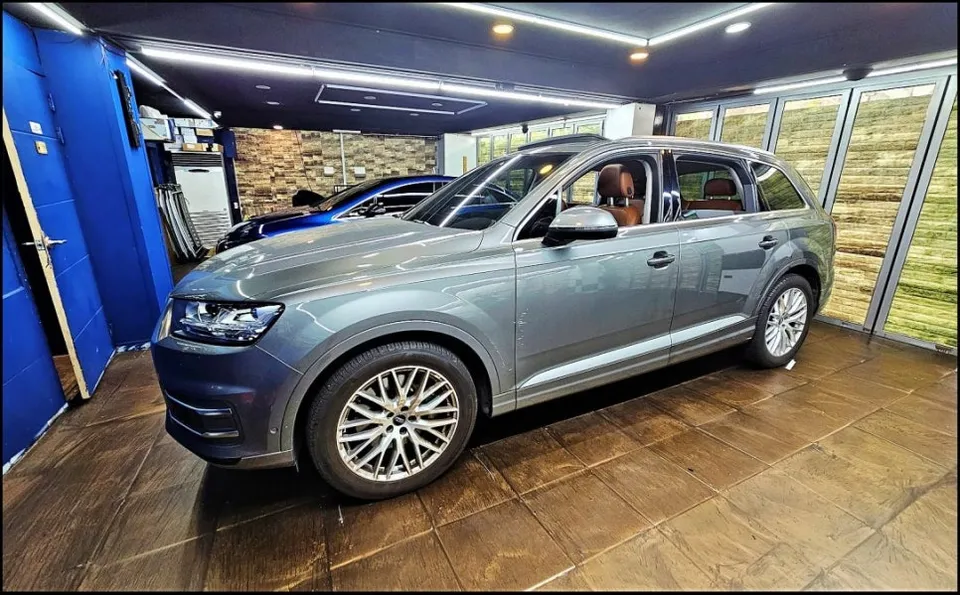
The Detailed Process of Audi Q7 Heated Seat Restoration
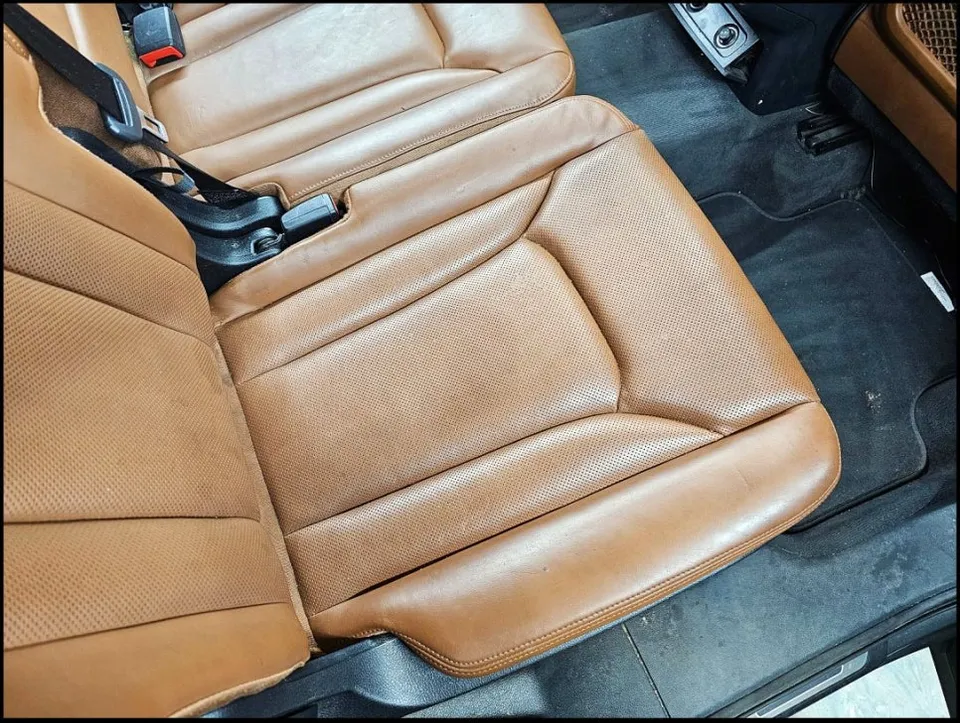
The repair process begins with the careful removal of the seat from the vehicle's chassis. This step requires extreme caution to avoid damaging any surrounding wiring or the complex electronic seat mechanisms inherent in the Audi Q7. Following this, the seat cushion cover is meticulously detached. Experienced technicians can perform this delicate task, which involves carefully releasing clips and avoiding damage to stitching or upholstery, within about 30 minutes. The next critical phase involves identifying the seat's internal wiring diagram and using a multimeter to measure the resistance of each heating circuit. A healthy heating element typically shows a resistance between 15-25 ohms (Ω). A broken circuit, however, will register an infinitely high resistance, clearly indicating a fault.
- Seat Disassembly: Carefully remove the seat from the vehicle, paying close attention to all electrical connectors and mechanical linkages.
- Cover Removal & Circuit Diagnosis: Gently detach the seat cushion cover to access the heating elements. Use a multimeter to test the resistance of each heating circuit, identifying any breaks.
- Element Repair: Locate the precise point of the wire break. Reconnect the broken heating element using specialized techniques and apply high-temperature resistant silicone for insulation to prevent future issues.
- Testing & Reassembly: Conduct thorough electrical tests to confirm proper resistance and heat generation. Reassemble the seat cushion cover, ensuring it is returned to its original condition.
- Final Installation & Verification: Reinstall the seat into the vehicle and perform a final test of the heated seat controls at all temperature settings.
The repair itself, focusing on reconnecting the broken wires and insulating the repair site with high-temperature silicone, typically takes about 2-3 hours. It's important to note that the Audi Q7 often features multiple, independent heating circuits for different areas of the seat, such as the backrest and the cushion. This means that sometimes only a portion of the seat might malfunction, or an issue might only appear at specific temperature settings. A skilled technician can accurately diagnose these nuanced problems.
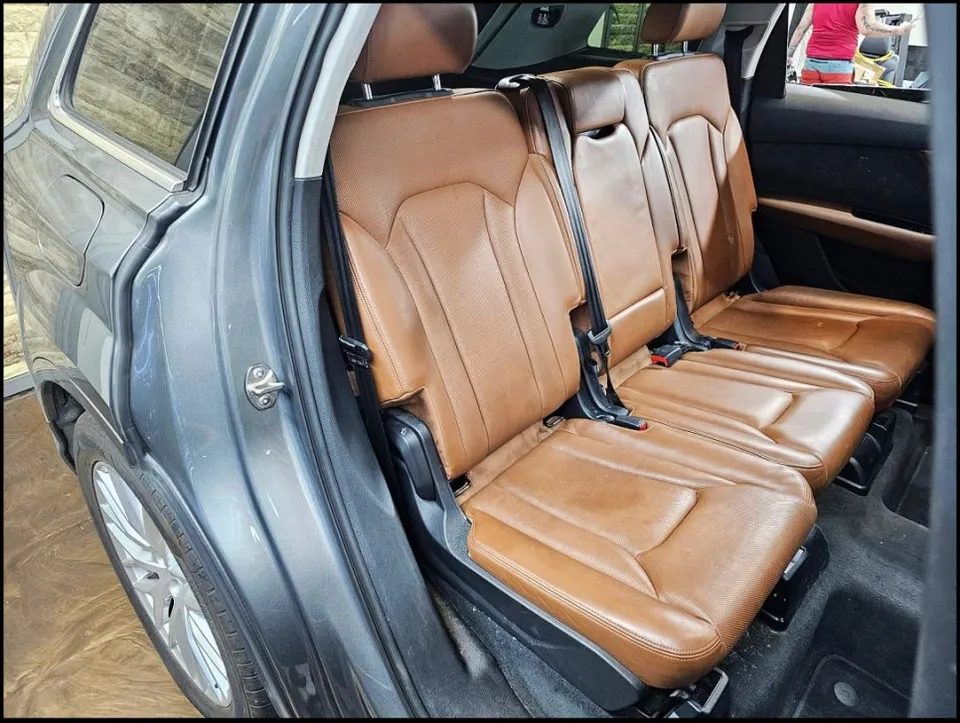
Tangible Results: Before and After the Repair
Before the repair, the rear heated seats in this Audi Q7 were completely unresponsive. The climate control system showed no reaction, and dashboard warning lights may have illuminated. After the professional restoration, all five temperature settings, ranging from a gentle low heat (around 38°C) to a warmer high setting (approximately 42°C), functioned perfectly. Passengers now experience noticeable warmth within minutes of activating the system on a cold day.
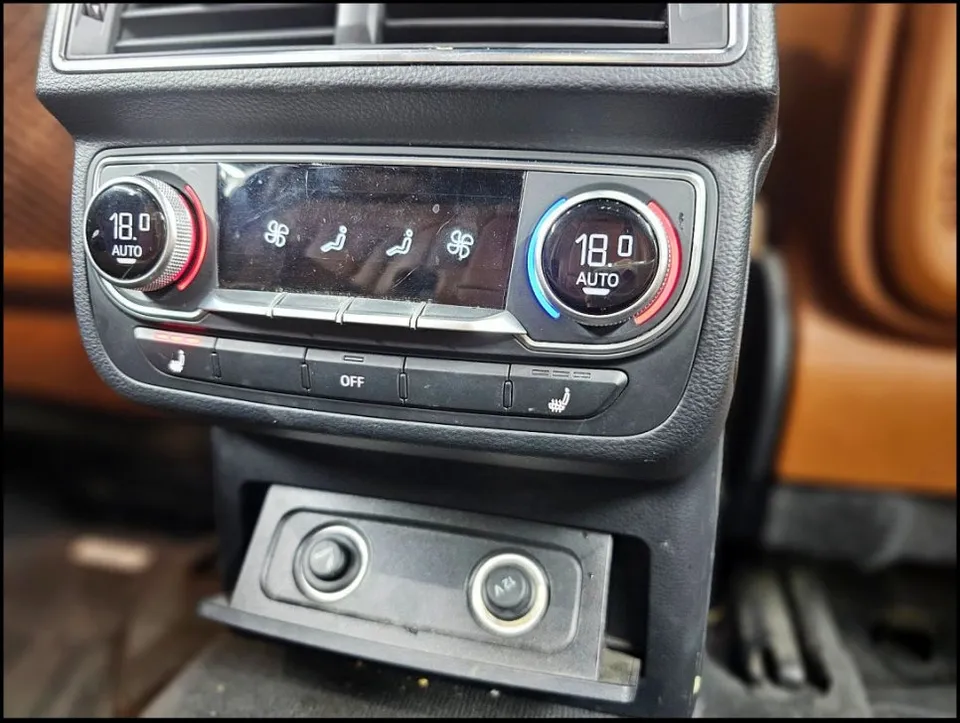
Maintaining Your Heated Seats for Longevity
To ensure the longevity of your newly repaired heated seats, it's advisable to avoid prolonged use of the highest heat settings. Opting for a medium setting (around 40°C) for regular use and reserving the high setting for when it's truly needed is recommended. Additionally, be mindful during car washes; try to prevent excessive water from directly contacting the seat cushions, as moisture ingress remains a primary cause of damage to the heating elements.
Oka Garage