Audi Q7 Vinyl Wrap Review: Interior Upgrade Cost & Results
Service Price
$150+
Estimated price · Actual price may vary by shop
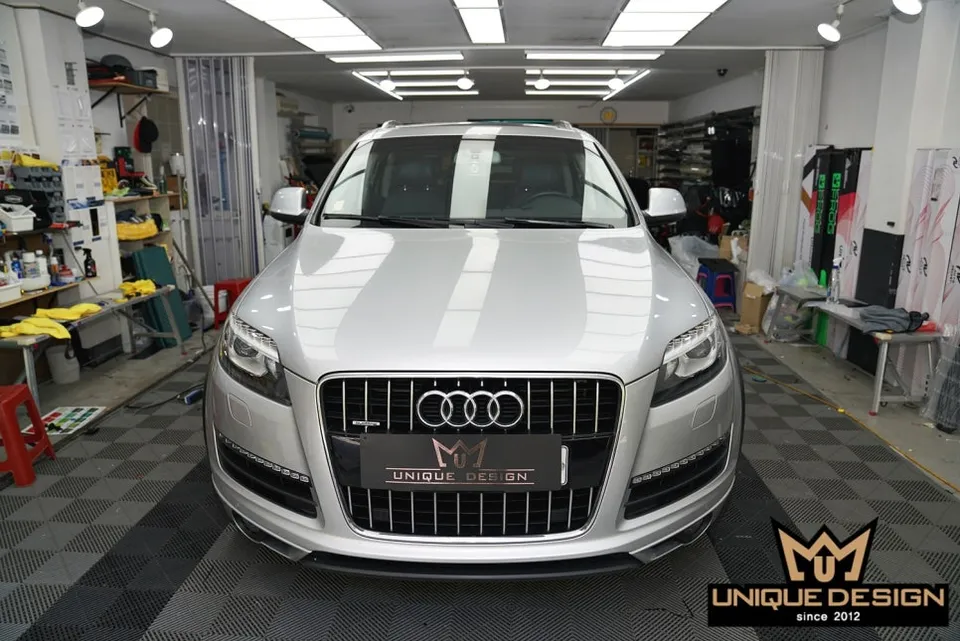
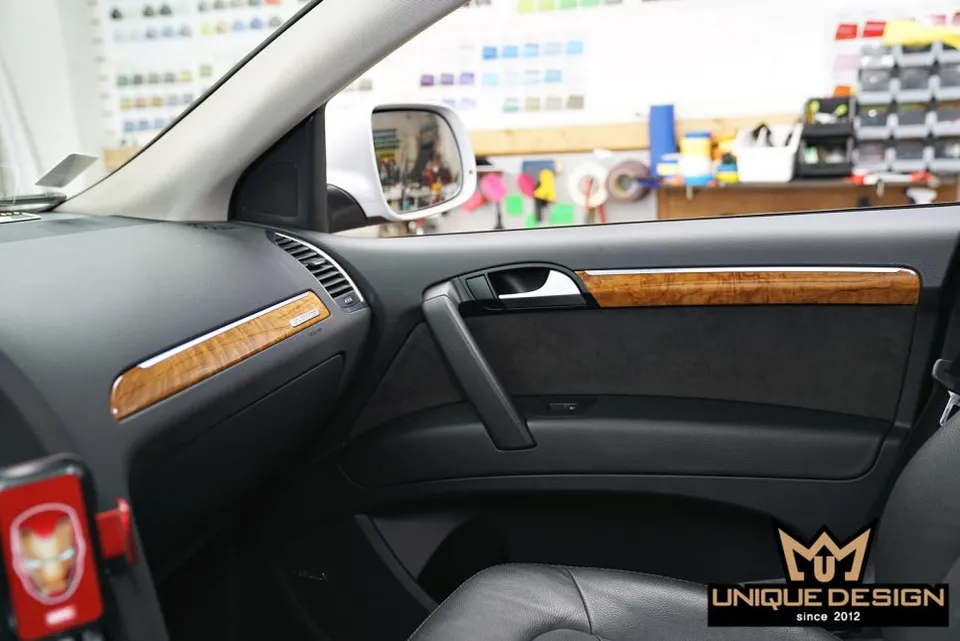
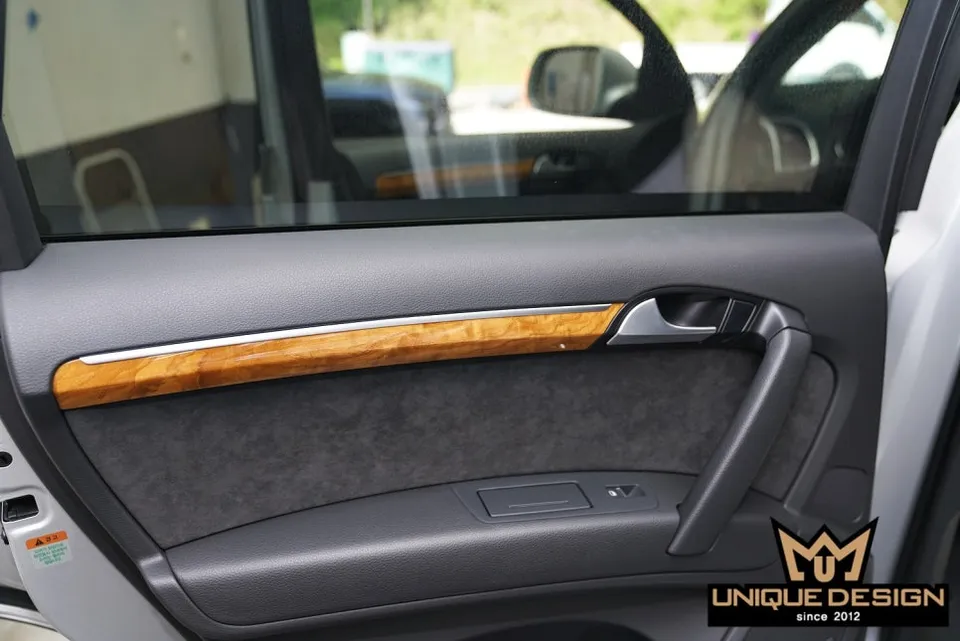
Audi Q7 interior vinyl wrap: Approx. $300. Wood panels transformed to 3D carbon fiber for a premium look and feel.
Audi Q7 Interior Transformation: Why a Vinyl Wrap?
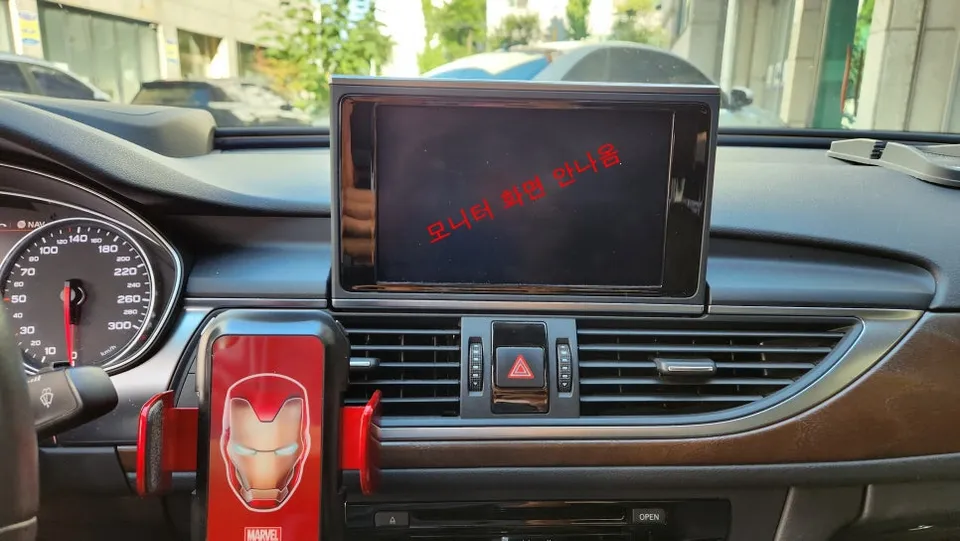
Even premium SUVs like the Audi Q7 might not have an interior that perfectly matches every owner's taste. Sometimes, a mix of dark tones with lighter wood paneling can feel visually jarring. This particular project addresses that exact concern. The owner wanted to change all the wood trim to a darker finish, and interior vinyl wrap was the ideal solution. Interior wrapping allows for a change in color and texture using film, without the expense of major renovations like reupholstering with leather or Alcantara. It's a cost-effective method that delivers impressive results, making it increasingly popular among luxury car owners.
The Critical Role of Disassembly in Wrap Installation
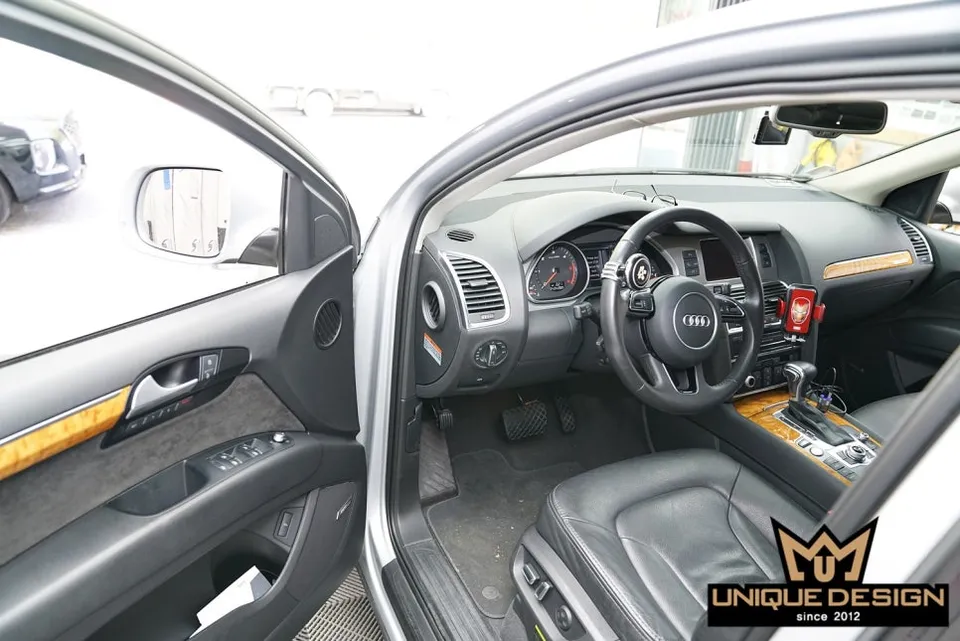
Most wood trim pieces in the Audi Q7, such as those around the steering wheel, center fascia, and door panels, can be removed. They are typically secured with clips. The most crucial step in interior wrapping is this disassembly process. Improper removal can lead to panel damage or gaps when reassembling the vehicle. The team at 'Today's Car' Uijeongbu branch uses experienced staff for a systematic disassembly. They precisely identify which parts need removal, organize them in order, and then reassemble them correctly. A key detail to minimize scratches during this phase is applying protective material to edges beforehand.
Surface Preparation: The Foundation of a Flawless Wrap
Thorough surface preparation is essential after disassembly. Wood panels can accumulate dust, oils, and residues from previous waxes. If not removed, the film may not adhere properly, leading to air bubbles or lifting. The Uijeongbu branch employs a two-step cleaning process: first, a cleaner removes oils, followed by an alcohol-based degreaser. This optimizes the film's adhesion. A tactile check ensures the surface is no longer slippery to the touch, confirming it's ready for the wrap.
Choosing 3D Carbon Fiber Film for a Premium Look
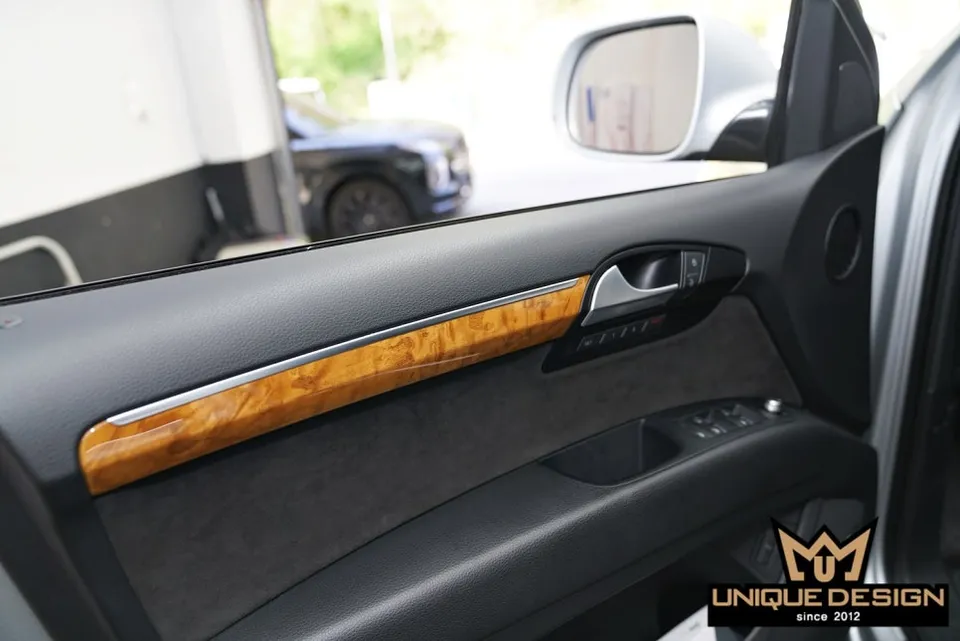
For this Audi Q7, a 3D carbon fiber matte film was selected. Unlike standard matte finishes, 3D carbon fiber has a subtle texture that adds a luxurious feel, mimicking the look and touch of real carbon fiber. This film offers several advantages: excellent UV resistance, making it durable against sun exposure and resistant to fading; better breathability than wood trim, reducing the risk of mold; and a thin profile (around 0.15mm), which minimizes issues with reassembly gaps, unlike thicker fabric wraps that can cause panels to protrude.
Precision in Vinyl Wrap Application
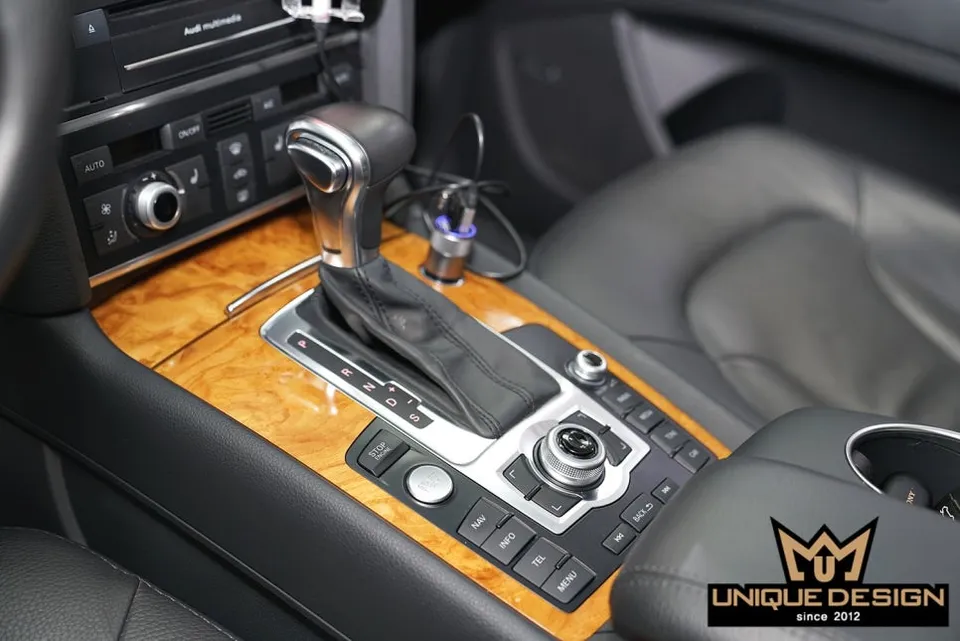
Applying the film requires a slow, deliberate process. Using a squeegee to push air out in a single direction is key to a smooth finish; moving from both sides towards the center or vice-versa can create wrinkles. Specific areas on the Audi Q7, like the curved wood trim around the steering wheel and the center console near the air vents, demand extra care to prevent the film from creasing. A heat gun is used to gently warm and stretch the film, increasing its pliability before application, typically maintaining a temperature of 60-80°C.
The Art of Edge Finishing in Wrap Installation
The final stage, edge finishing, truly defines the quality of the wrap. The process involves carefully tucking the excess vinyl wrap around the edges of the wood trim and securing it on the backside of the panel. This meticulous technique ensures a clean, factory-like appearance and prevents the wrap from peeling over time. Proper edge wrapping is crucial for the longevity and aesthetic appeal of the interior vinyl wrap, especially on complex curves and tight corners found in luxury vehicles like the Audi Q7.
The total cost for this interior vinyl wrap service in Korea was approximately 400,000 KRW, which is roughly $300 USD. This price reflects the detailed labor involved in disassembly, preparation, application, and finishing for multiple interior trim pieces on a luxury vehicle.
Frequently Asked Questions
Q. How much does a vinyl wrap cost for an Audi Q7 interior?
This Audi Q7 interior vinyl wrap cost approximately 400,000 KRW (around $300 USD). Full exterior car wrap costs in the US can range from $1,500 to $5,000 or more, depending on the vehicle and material.
Q. How long does a vinyl wrap last on an Audi Q7?
High-quality vinyl wraps can last 5-7 years or longer with proper care. Regular cleaning with mild soap and water, avoiding abrasive materials, and parking out of direct sunlight will help maintain its condition.
Q. Is interior vinyl wrap worth it for an Audi Q7?
Interior vinyl wrap is a great option for Audi Q7 owners looking to update or change the look of their trim without a permanent modification. It offers a significant aesthetic upgrade at a fraction of the cost of replacement or custom painting.
Q. How is vinyl wrap applied to an Audi Q7 interior?
1. Interior trim pieces are carefully removed. 2. Surfaces are thoroughly cleaned and degreased. 3. Vinyl film is precisely cut and applied using heat and a squeegee to ensure a smooth, bubble-free finish. 4. Edges are meticulously trimmed and tucked for a seamless look.
Q. What is the difference between vinyl wrap and a repaint for Audi Q7 interior trim?
Vinyl wrap is a non-permanent, reversible application of a colored film, offering a quick aesthetic change and protection, while repainting is a permanent alteration of the original surface. Vinyl wrap is generally less expensive and faster to install than a professional repaint.
OhCar Partner Shop
More vinyl wrap Reviews
See all →
More Audi Reviews

Pair with Another Service
PPF edges before wrapping for durability