Audi Q8 Ceramic Coating Review — Enhanced Gloss & Protection
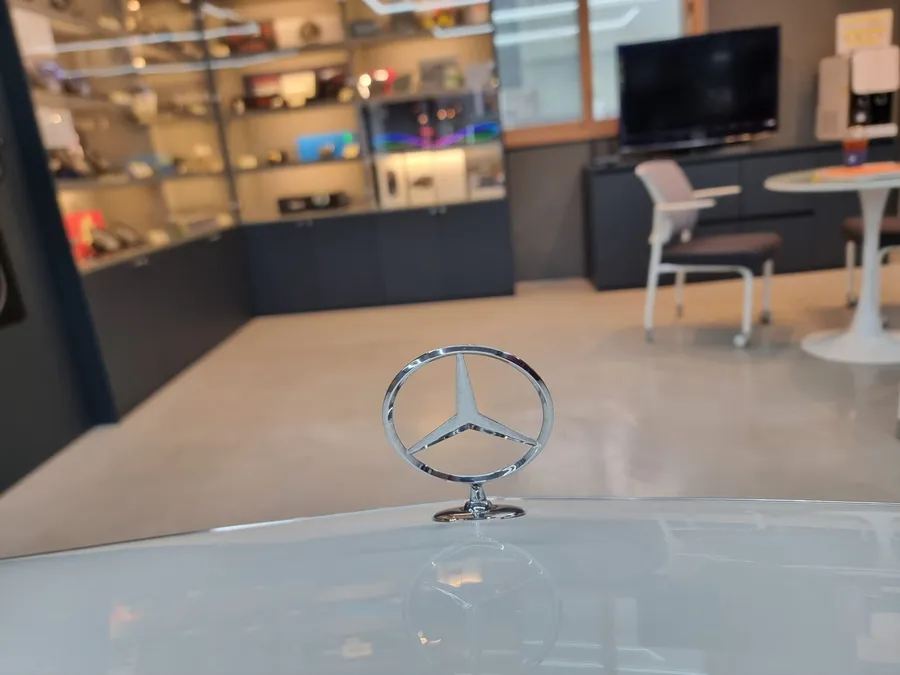
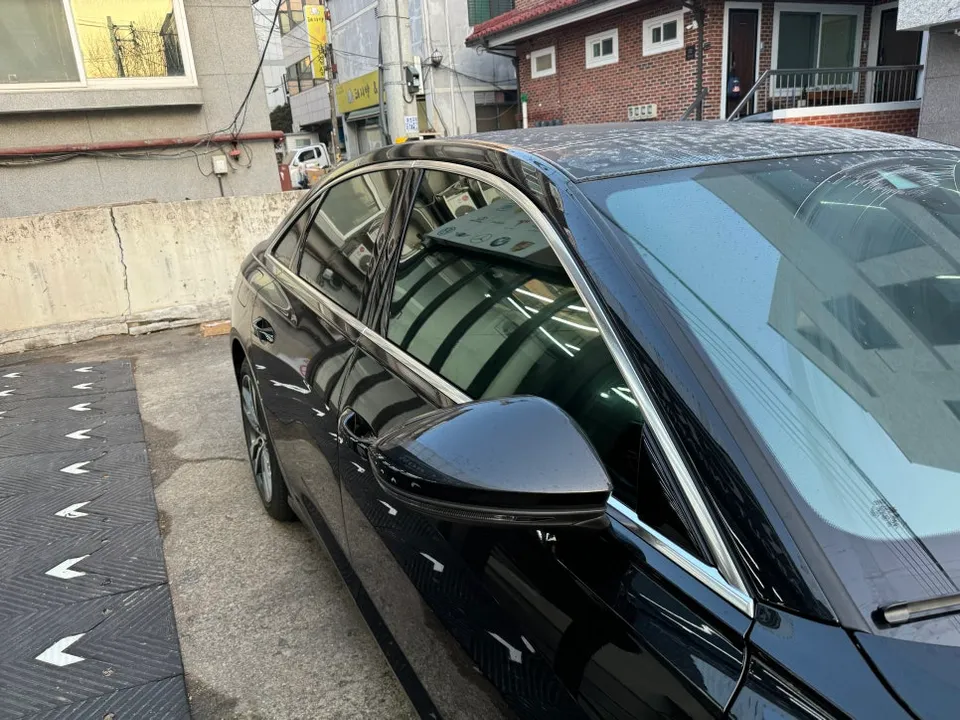
Before

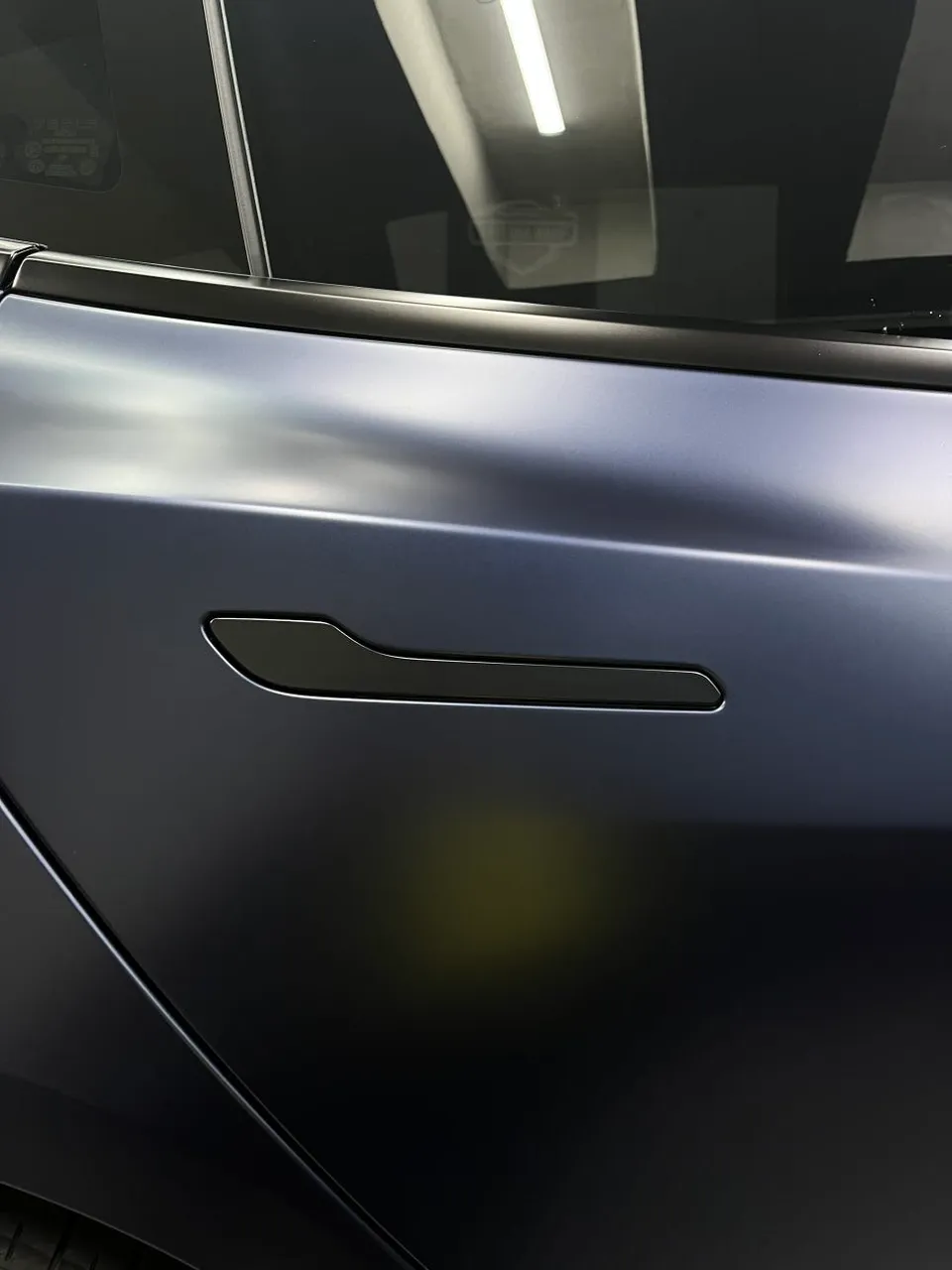
After
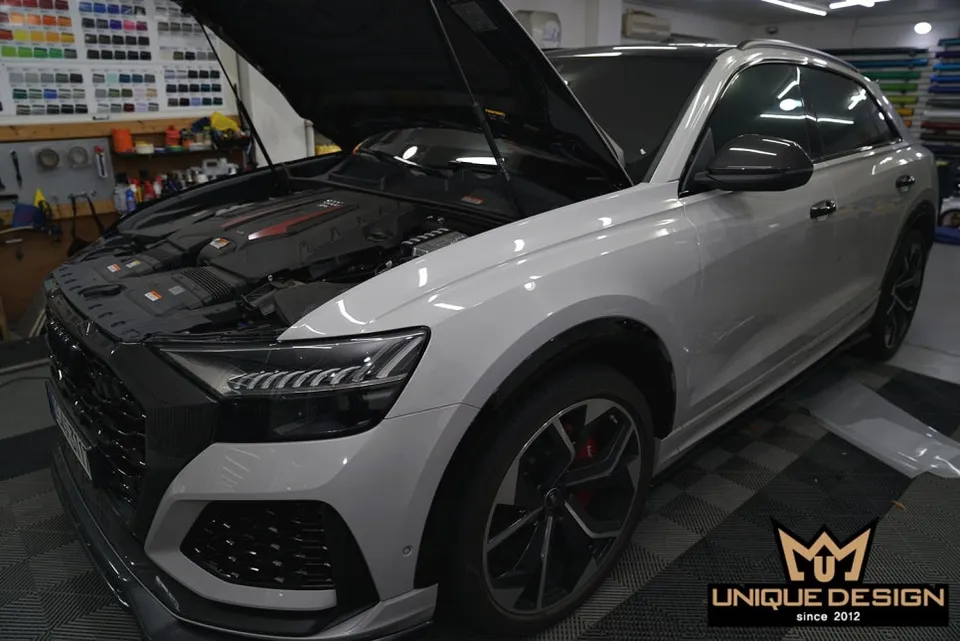
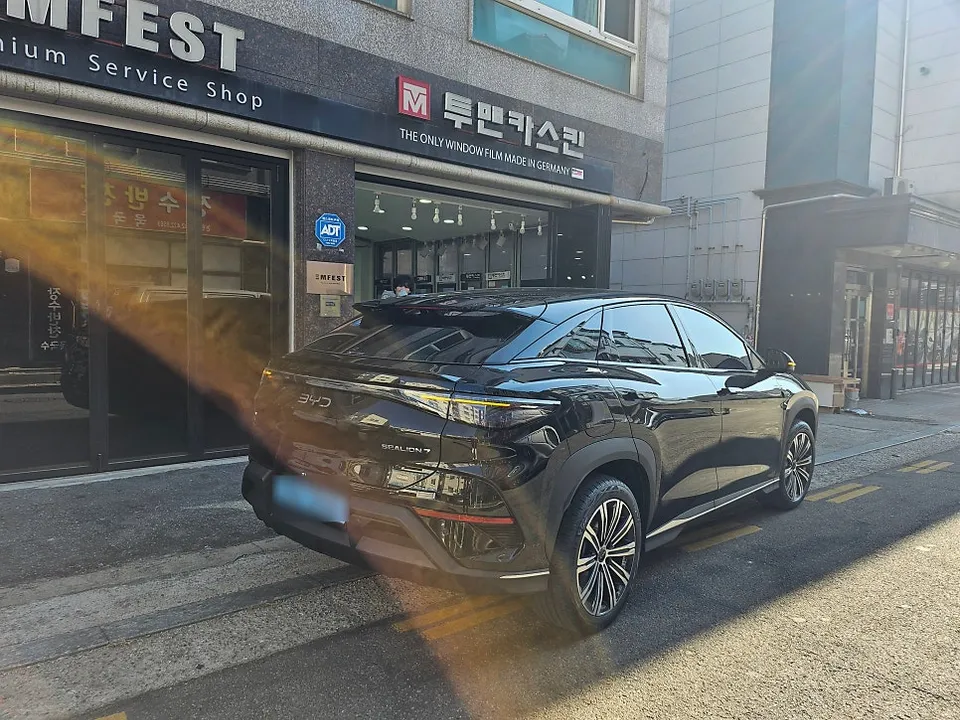
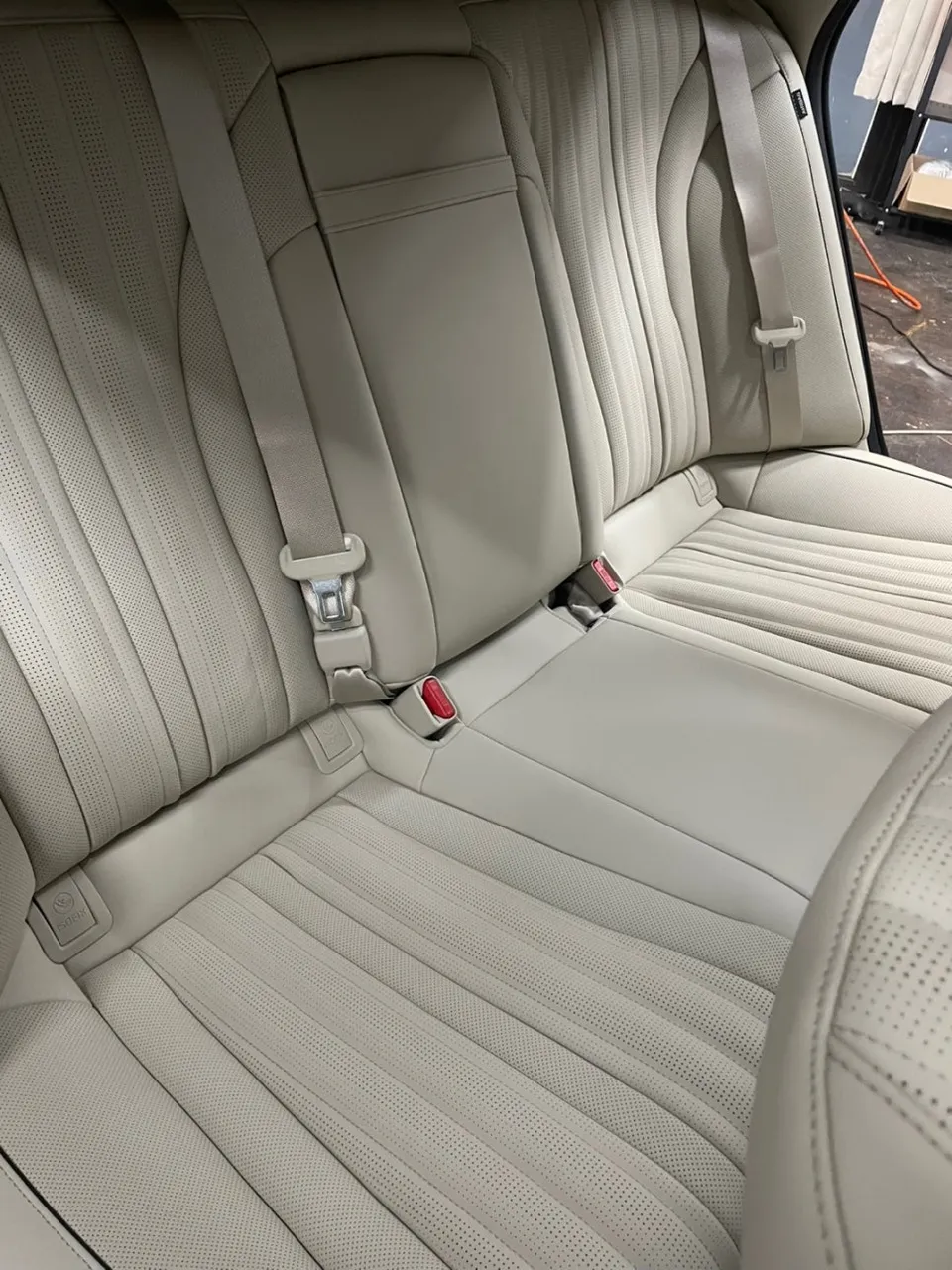
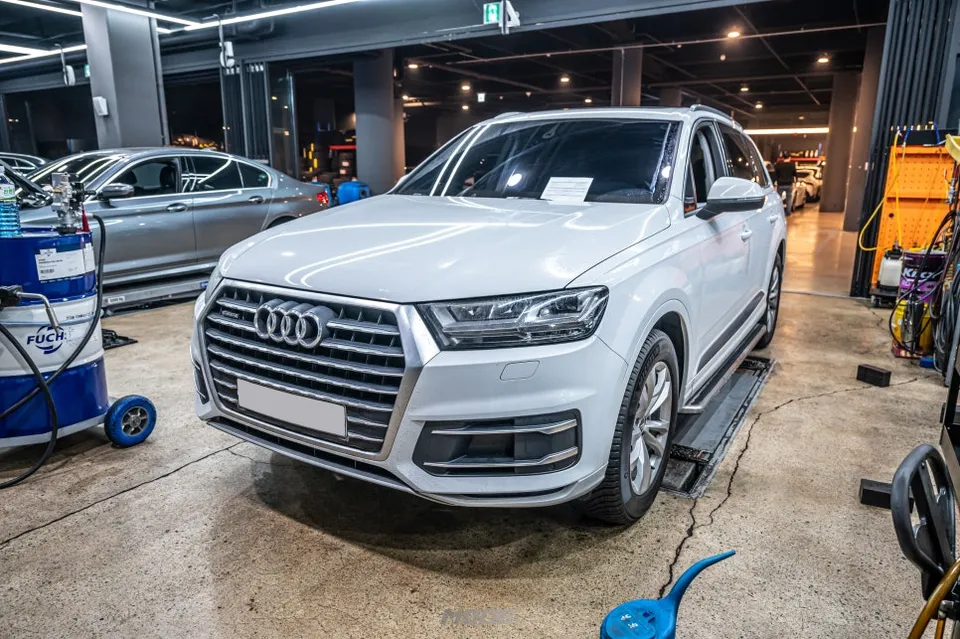
Process photos
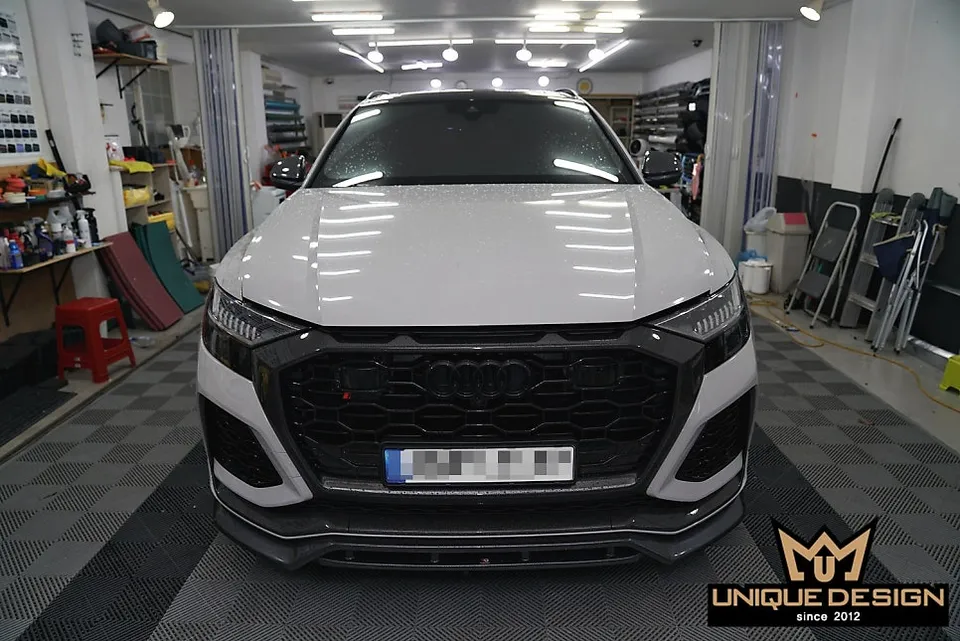
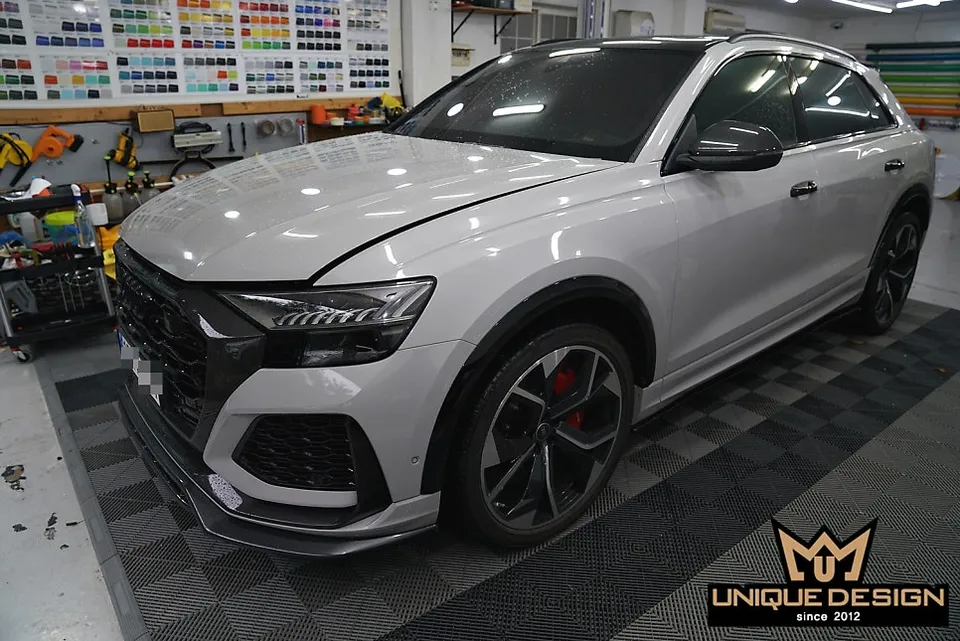
Audi Q8 ceramic coating applied for enhanced gloss and protection. This nano coating repels dirt and simplifies maintenance.
Audi Q8 Ceramic Coating: Unveiling Unmatched Shine and Durability
The Audi Q8, a symbol of luxury and performance, deserves a finish that matches its stature. This review delves into the application and results of a professional ceramic coating service, often referred to as nano coating or glass coating, applied to an Audi Q8. The goal is to provide a deep, high-gloss finish that not only enhances the vehicle's aesthetics but also offers robust protection against environmental contaminants and minor scratches. The process involves meticulous preparation and precise application to ensure a flawless, long-lasting bond.
The Ceramic Coating Advantage for Your Audi Q8
Ceramic coating offers a significant upgrade over traditional waxes and sealants. Its chemical composition creates a semi-permanent, hydrophobic layer that bonds with the factory paint, forming a durable shield. This nano coating is significantly harder and more resistant to UV rays, chemical stains, and etching from bird droppings or bug splatter. For an Audi Q8 owner, this means less time spent on maintenance and a consistently showroom-ready appearance. The glass coating properties also make cleaning effortless, as dirt and grime struggle to adhere to the slick surface.
Installation Process:
- Thorough Wash and Decontamination: The vehicle is meticulously washed to remove all surface dirt and grime. A clay bar treatment is then used to lift embedded contaminants from the paint surface.
- Paint Correction: Minor scratches, swirl marks, and imperfections are addressed through machine polishing to create a perfectly smooth canvas for the coating.
- Degreasing and IPA Wipe: The paint is wiped down with an isopropyl alcohol (IPA) solution to remove any polishing oils or residues, ensuring optimal bonding of the ceramic coating.
- Coating Application: The ceramic coating is carefully applied panel by panel using specialized applicators. Even coats are crucial for a uniform finish.
- Curing and Inspection: The coating is allowed to cure, forming a hard, protective layer. A final inspection ensures no high spots or imperfections are present.
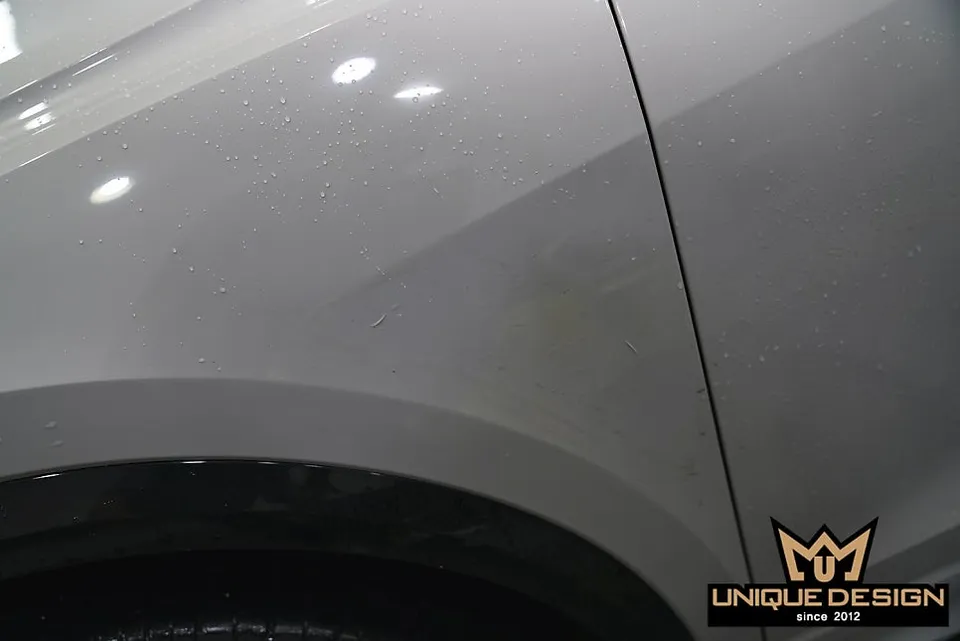
The result is a stunning, deep gloss that makes the Audi Q8's paintwork pop, coupled with a protective layer that simplifies future cleaning and maintenance. This nano coating provides peace of mind, knowing your luxury SUV is shielded against the elements.
Frequently Asked Questions
Q. How much does ceramic coating cost for an Audi Q8?
The ceramic coating service for this Audi Q8 was priced at 1,200,000 KRW. Typical professional ceramic coating costs in the US can range from $800 to $2,500 depending on the vehicle size and coating quality.
Q. How long does ceramic coating last on an Audi Q8?
A professionally applied ceramic coating can last for 2-5 years, depending on maintenance and environmental exposure. Regular washing with pH-neutral soaps and avoiding harsh chemicals will help maximize its lifespan.
Q. Is ceramic coating better than wax for an Audi Q8?
Ceramic coating offers superior durability and protection compared to traditional wax, lasting years instead of months. It's ideal for Audi Q8 owners seeking long-term gloss enhancement and resistance to environmental damage.
Q. How is ceramic coating applied to an Audi Q8?
Ceramic coating is applied after a thorough wash, decontamination, and paint correction. The liquid coating is carefully spread onto the paintwork, allowed to bond, and then buffed off to create a hard, glossy, protective layer.
Q. What is the difference between ceramic coating and PPF for an Audi Q8?
Ceramic coating provides chemical resistance and hydrophobic properties for gloss and ease of cleaning, while Paint Protection Film (PPF) is a thicker, clear urethane film that offers superior physical impact protection against rock chips and scratches. Ceramic coating is best for shine and protection from contaminants, whereas PPF is for impact resistance.
OhCar Partner Shop
More ceramic coating Reviews
See all →
More Audi Reviews

Pair with Another Service
Add physical chip protection before coating