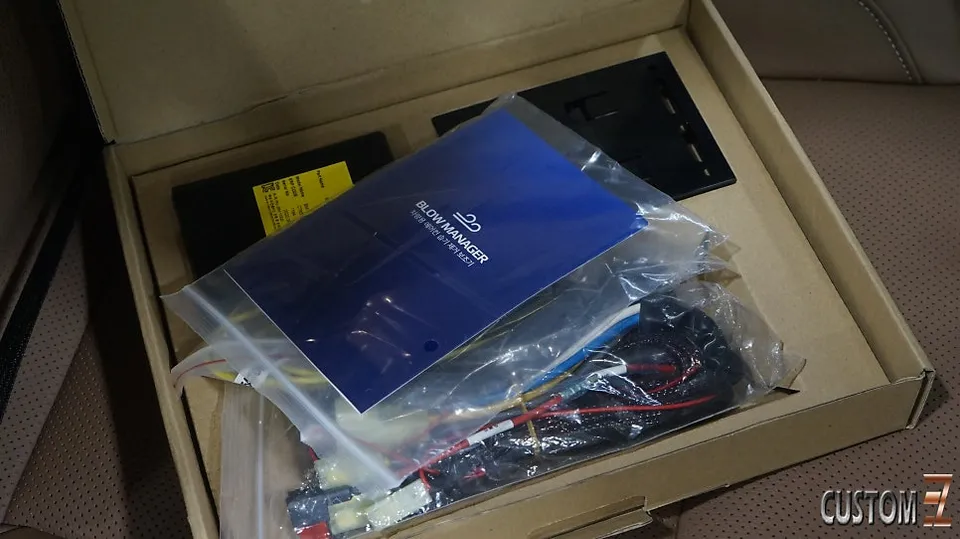
Audi RS7 OEM Options Review: Cost & Safety Upgrade
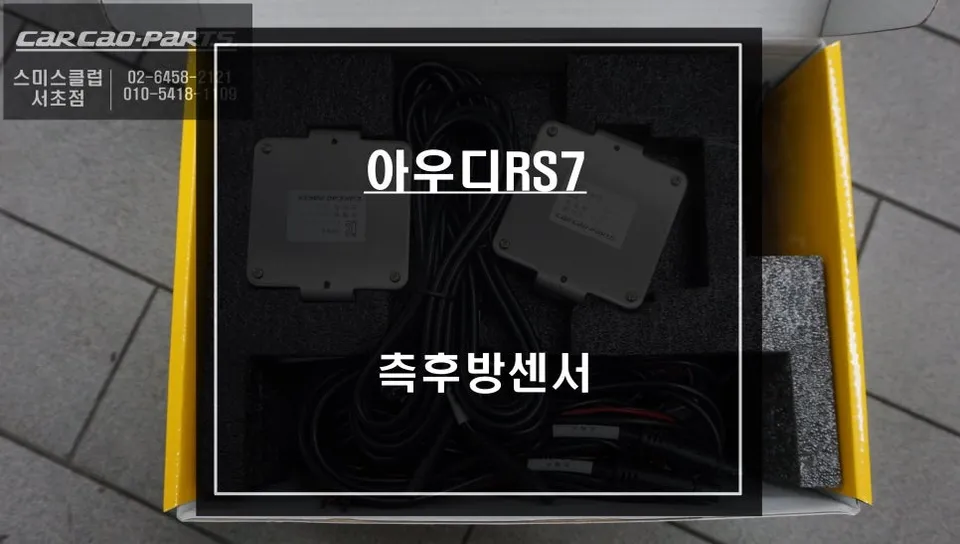
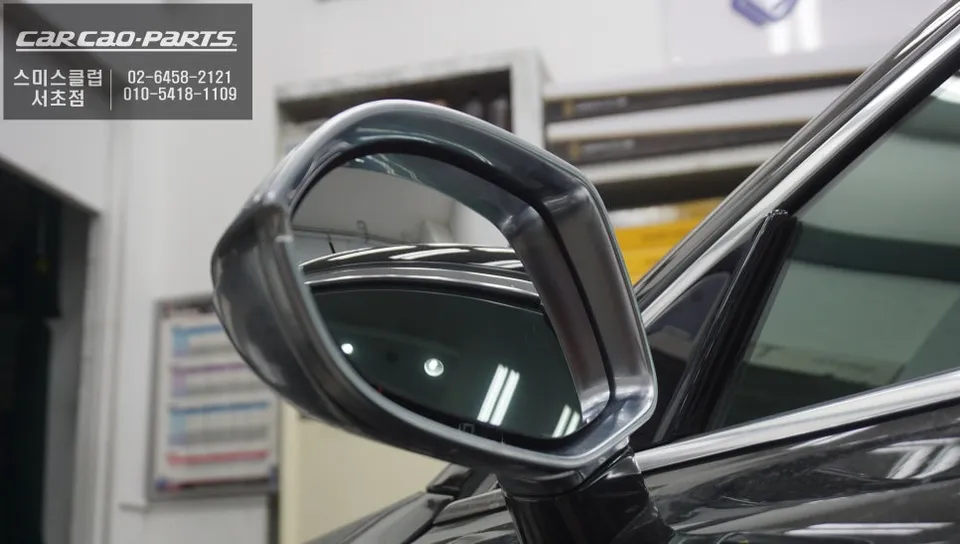
Audi RS7 rear-view sensors installed for approx. ₩1,000,000 (USD $750). Enhances safety by detecting blind spots, preventing accidents.
Audi RS7: Why Rear-View Sensors are Essential
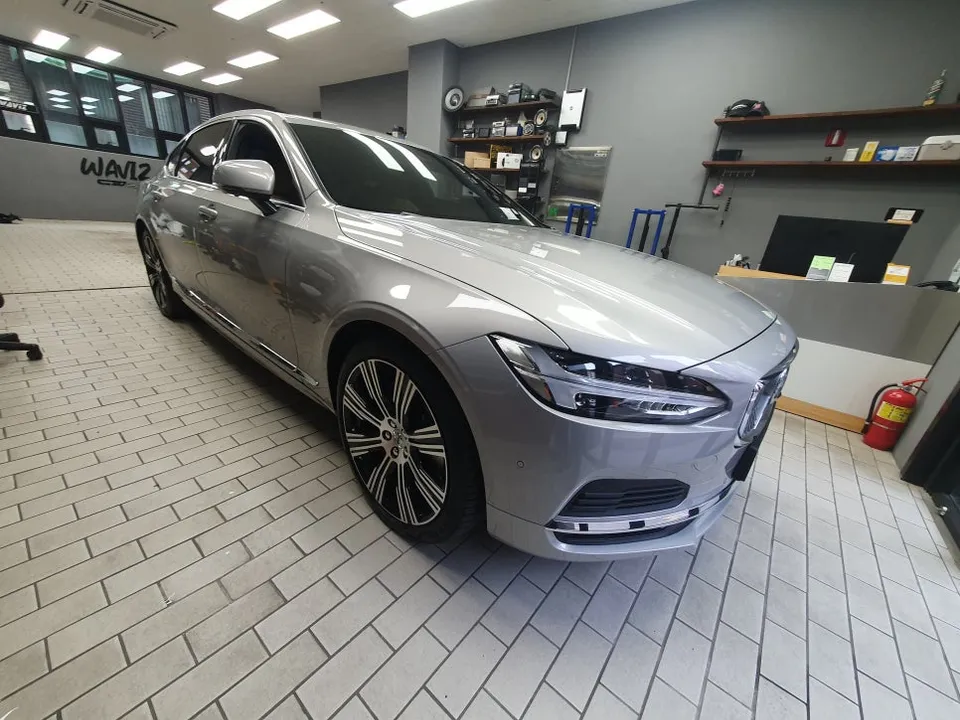
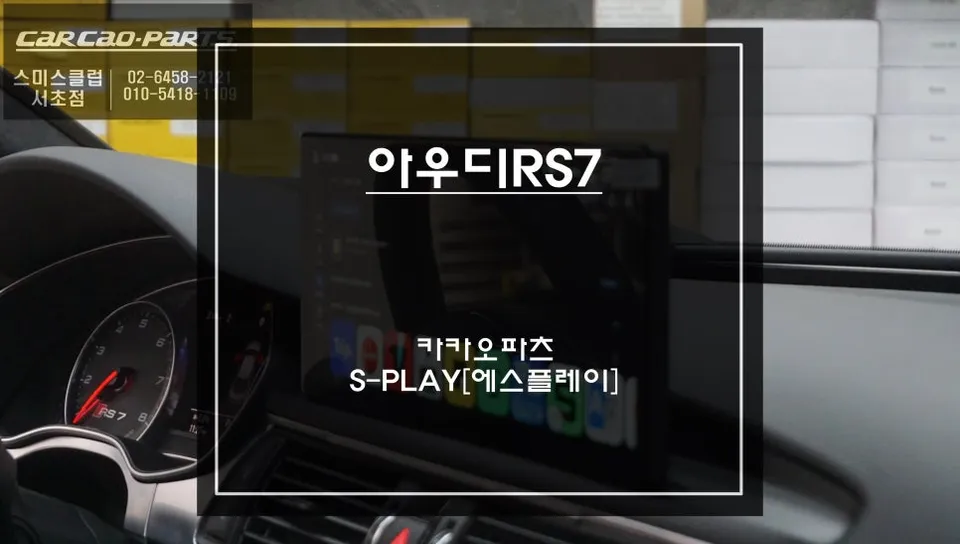
The Audi RS7, a high-performance sports sedan known for its powerful engine and precise handling, still presents blind spots for drivers. This review details the installation of rear-view sensors, highlighting why this OEM option is a vital safety enhancement. The RS7's wide body design creates significant rear-quarter blind zones, making the addition of these sensors a practical safety upgrade. While the RS7 boasts a luxurious design and advanced features like helpful LED headlights, its inherent structure means the areas to the rear and sides are not always visible from the driver's or passenger's seat. This is particularly true when changing lanes or turning, where approaching vehicles in the rear-side blind spot can be difficult to detect. To address this, the RS7 featured in this review was equipped with the S-RADAR PLUS sensor system, a product certified for safety and durability. These sensors do more than just alert you; they provide both visual (indicator lights) and auditory (warning sounds) signals, enabling the driver to quickly recognize potential hazards. For a large and powerful vehicle like the RS7, the importance of these safety signals cannot be overstated.
S-RADAR PLUS: Technical Specifications and Installation
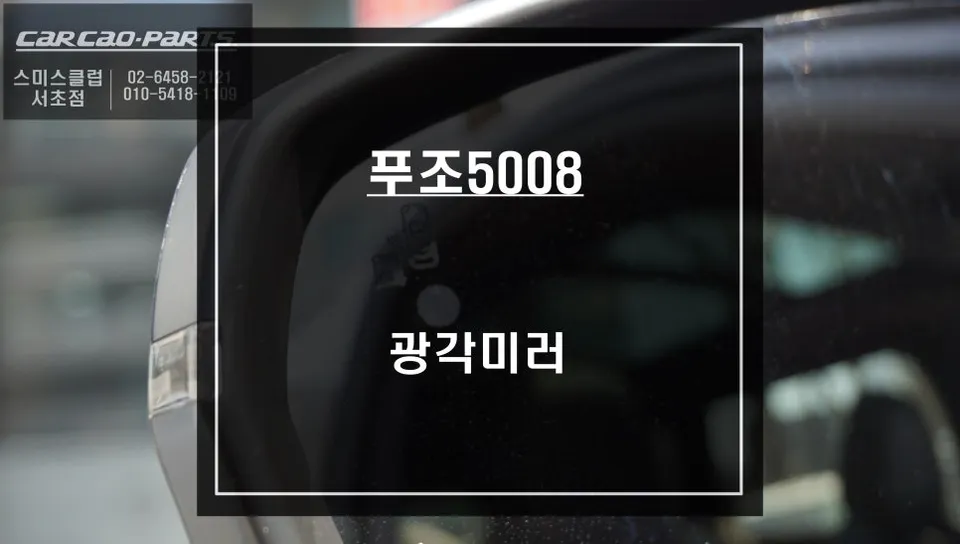
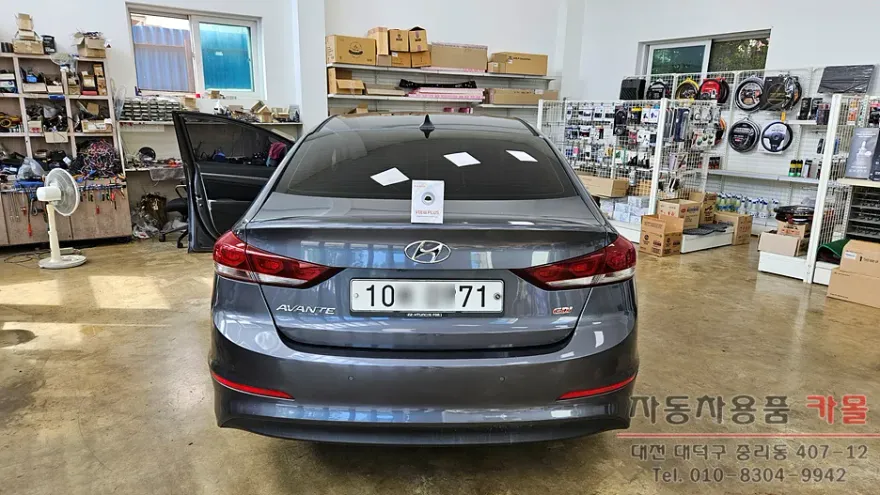
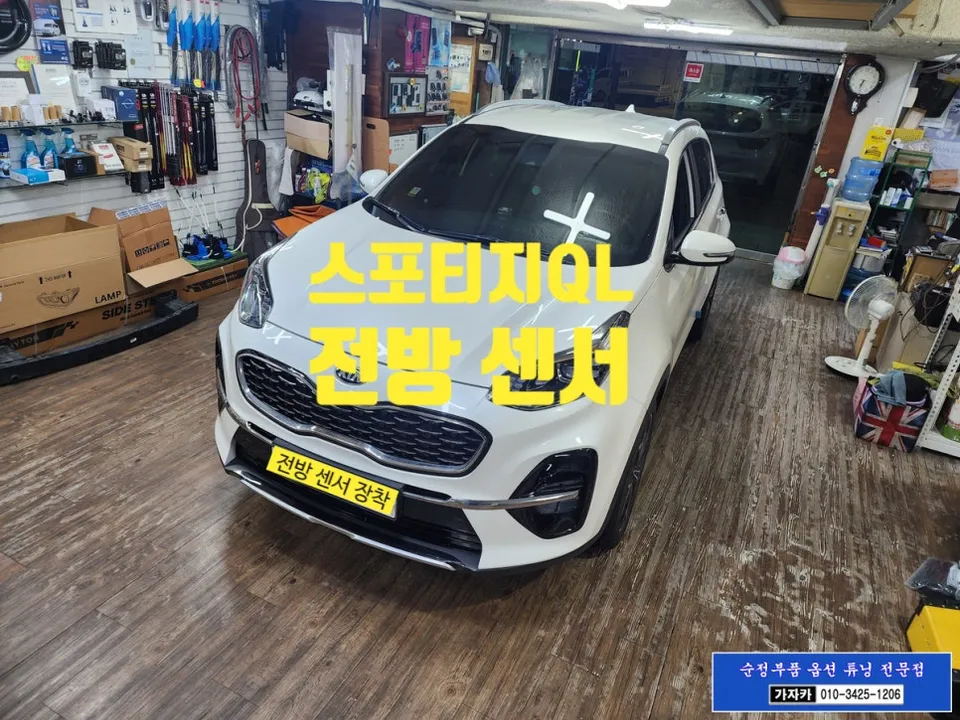
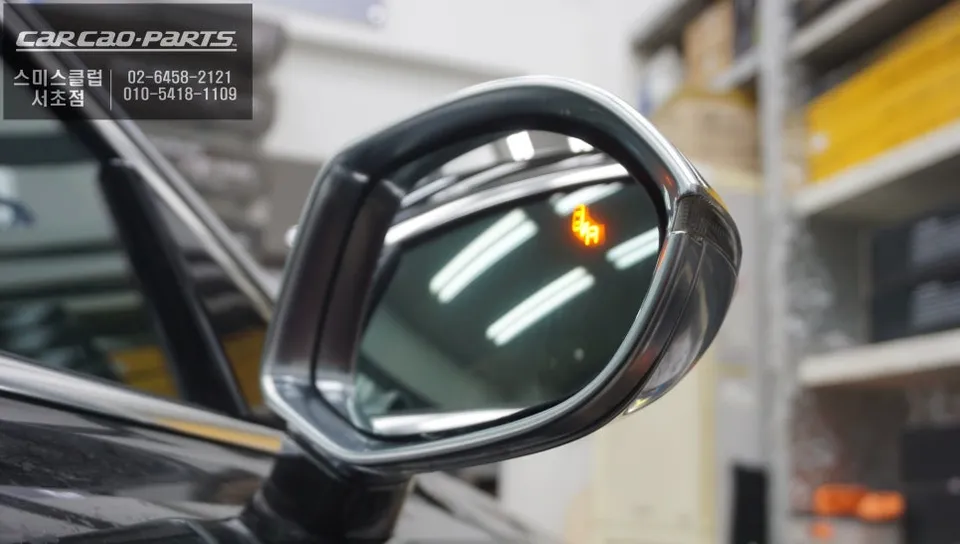
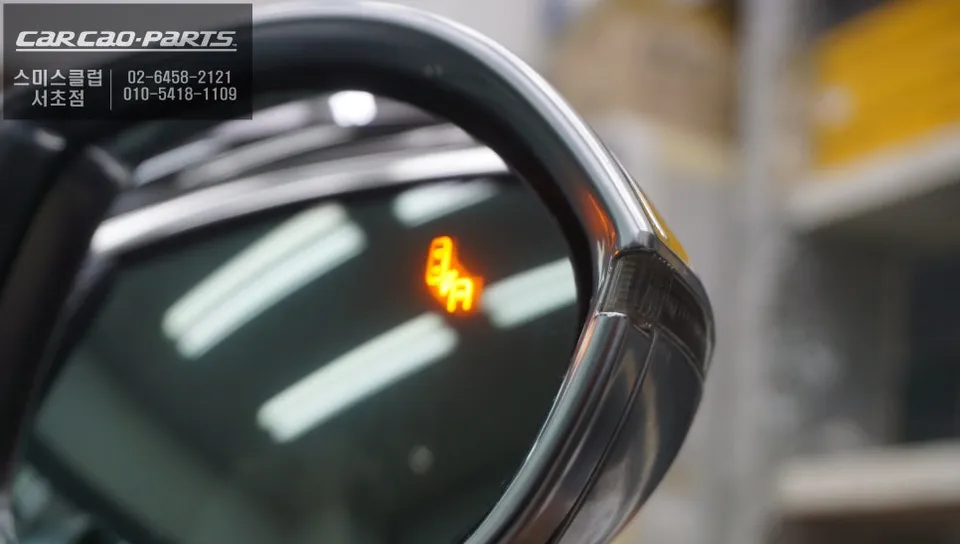
The S-RADAR PLUS system installed at the Today's Car Seocho branch in Korea functions as an integrated rear-side safety solution. With a detection range of approximately 7 meters, it offers sufficient coverage for both urban driving and highway speeds. A key feature is its ability to react only to moving obstacles, minimizing false alarms from stationary objects or road markings. The S-RADAR PLUS has been successfully installed on over 750 diverse imported vehicles in the Korean market, ranging from luxury sedans and SUVs to sports cars, demonstrating its compatibility and reliability with the Audi RS7. The installation process focuses on preserving the vehicle's aesthetics. Unlike cheaper installations that involve drilling holes in the bumper, exposing sensors and risking water ingress, this method involves flush-mounting the sensors inside the rear bumper. The process begins with carefully detaching the RS7's bumper, which is secured by clips and bolts. Once removed, the precise location for the S-RADAR PLUS sensors is measured and marked on the interior of the bumper. The sensors are then securely mounted within the bumper, with additional reinforcement if necessary, ensuring they are protected from external impacts. Wiring is meticulously routed through the vehicle's undercarriage using genuine wiring conduit, preventing any exposed wires that could be damaged during driving. Alongside the sensors, wide-angle mirrors with integrated indicator lights were also installed. These mirrors provide a broader field of vision and illuminate when the sensors detect an object, offering an immediate visual warning to the driver. This combination of sensors and wide-angle mirrors creates a robust rear-side safety system.
Before & After: Enhanced Safety and Functionality
Following the installation, the Audi RS7 exhibits noticeable yet subtle improvements. Externally, the vehicle's clean lines remain untouched, but its rear-side safety capabilities are dramatically enhanced. During city driving, the sensor indicator lights and audible alerts activate automatically when vehicles approach from the rear blind spot, such as motorcycles or taxis, prompting immediate driver awareness. The system's value is even more apparent on the highway. At speeds over 100 km/h, if a vehicle approaches from behind, the indicator lights on the side mirrors turn red, signaling the driver to exercise caution and directly aiding in accident prevention. For owners of the RS7, maintaining the system is straightforward. While no special maintenance is typically required, it's advisable to avoid direct high-pressure water spray on the sensor areas during car washes, despite the flush-mounting providing good sealing. In autumn and winter, dust or snow might accumulate around the sensors; gently wiping them with a soft cloth can help maintain optimal sensor performance. The sensor system itself consumes very little power, making it reliable even after extended periods of vehicle inactivity. The cost of installing these rear-view sensors varies based on product quality and whether it's a single-side or dual-side installation. While single-side installation is cheaper, dual-side is recommended for comprehensive safety. For a high-value vehicle like the RS7, the installation cost represents a reasonable investment in safety, especially when compared to the potential millions of Korean Won in repair costs following a rear-end collision. While Audi offers its own Blind Spot Monitor (BSM) option, retrofitting it post-purchase can be difficult or expensive. The S-RADAR PLUS offers similar functionality with greater installation flexibility, making it a popular choice for many RS7 owners.
Frequently Asked Questions
Q. How much does OEM option and factory upgrade installation cost for a Audi RS7?
In Korea, the S-RADAR PLUS rear-view sensor system for an Audi RS7 typically costs around ₩1,000,000 (approximately $750 USD). Actual costs can vary based on the specific product and installation scope.
Q. How long does OEM options installation take on a Audi RS7?
The installation of OEM rear-view sensors on an Audi RS7 usually takes a few hours, ensuring all components are securely fitted and wired. To maintain optimal performance, gently clean the sensor areas with a soft cloth periodically, especially during seasons with dust or snow.
Q. Are OEM options worth adding after purchase for a Audi RS7?
Yes, adding rear-view sensors is highly recommended for Audi RS7 owners, especially those who frequently drive in urban environments or on highways, as it significantly enhances safety by mitigating blind spot risks. The investment is often less than the potential cost of accident repairs.
Q. How are OEM factory options installed on a Audi RS7?
Installation involves carefully removing the rear bumper, flush-mounting the sensors internally to maintain the vehicle's exterior, and routing wiring discreetly through the car's undercarriage. Wide-angle mirrors with integrated indicators are often added simultaneously.
Q. What is the difference between dealer-installed options and aftermarket upgrades for a Audi RS7?
Dealer-installed options are typically genuine manufacturer parts, often integrated during production or by the dealership, while aftermarket upgrades like the S-RADAR PLUS are third-party solutions designed to replicate or enhance OEM functionality. For features like rear-view sensors, aftermarket options can offer comparable performance at a potentially lower cost and with more installation flexibility.
Q. What should I know before getting OEM Options on a Audi RS7? (common regrets and mistakes)
A common regret is opting for cheaper installations that involve visible bumper drilling, compromising aesthetics and potentially leading to water damage. Always choose professional installers who perform internal sensor mounting to preserve the RS7's clean look and ensure long-term durability.
Kakao Parts