Hyundai Elantra AD OEM Options Review — Cost & Results
Service Price
$under approx. $400
Estimated price · Actual price may vary by shop
Before
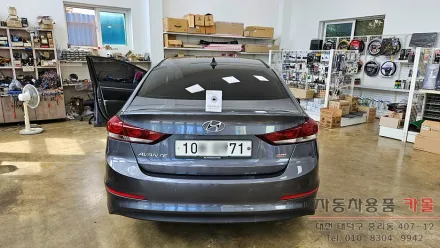
After
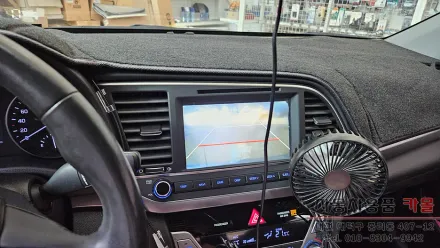
Process photos
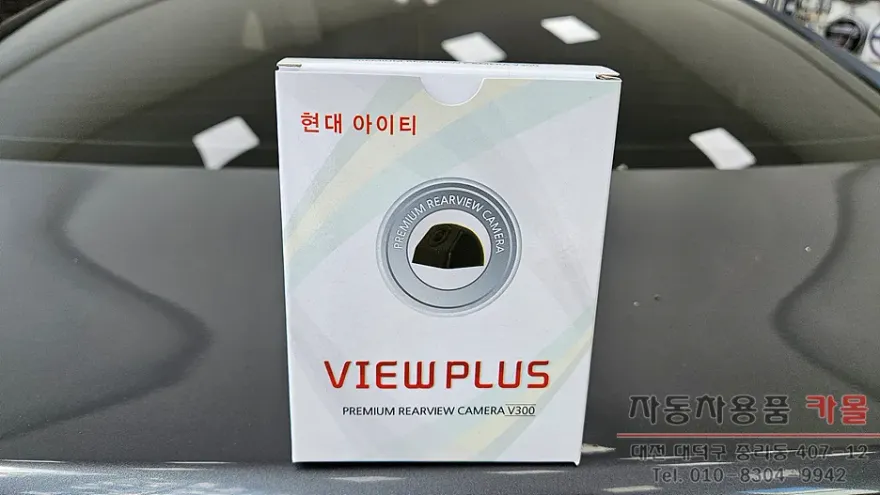
Hyundai Elantra AD OEM options like rear-view cameras can be retrofitted. Costs start around $400, offering improved functionality and clarity.
Hyundai Elantra AD OEM Options: Enhancing Your Drive
For Hyundai Elantra AD owners looking to enhance their vehicle's functionality and aesthetics, exploring OEM (Original Equipment Manufacturer) options can be a compelling choice. These factory-approved upgrades offer a seamless integration with your existing vehicle systems, often providing a higher level of quality and reliability compared to aftermarket alternatives. This review delves into the specifics of common OEM options, their installation process, potential before-and-after results, durability, and whether they represent a worthwhile investment for your Elantra AD. While the original context for this review comes from a specific case in South Korea involving a rear-view camera replacement for an Avante AD (the Korean market name for the Elantra AD), the principles and considerations apply broadly to owners in the US and UK seeking similar factory-level enhancements. The cost for such upgrades can vary significantly, but for many common retrofits, like the rear-view camera example, prices can start in the range of approximately $300-$400 USD.
Understanding OEM Options and Installation
OEM options, often referred to as factory options or dealer options, are components or features that were either available from the factory when the car was originally manufactured or can be retrofitted by an authorized dealer using genuine manufacturer parts. This ensures perfect compatibility and maintains the vehicle's original design integrity. Unlike aftermarket parts, which are made by third-party companies, OEM options are designed and tested by Hyundai specifically for the Elantra AD. This often translates to better fit, finish, and long-term performance. The decision to add these options post-purchase, sometimes called a factory option retrofit or dealer option retrofit, is driven by a desire to add features that weren't included in the initial trim level or to replace malfunctioning components with genuine parts. For instance, a common scenario involves upgrading or replacing a rear-view camera that has degraded over time, showing a blurry or intermittent image. In the Korean market example, an Avante AD owner faced a blurry rear-view camera, leading to a replacement with a genuine Hyundai IT Viewplus camera. The cost for this specific replacement was in the range of 300,000 Korean Won, which is approximately $250-$300 USD, depending on the exchange rate. This highlights how even seemingly minor upgrades can fall within a reasonable budget for many owners.
Installation Process and Expected Outcomes
The installation process for OEM options can vary depending on the specific component. For a rear-view camera replacement, as seen in the Hyundai Avante AD case, the steps are generally as follows:
- Diagnosis: The technician first assesses the existing camera's performance, noting issues like blurriness or signal loss to confirm the need for replacement.
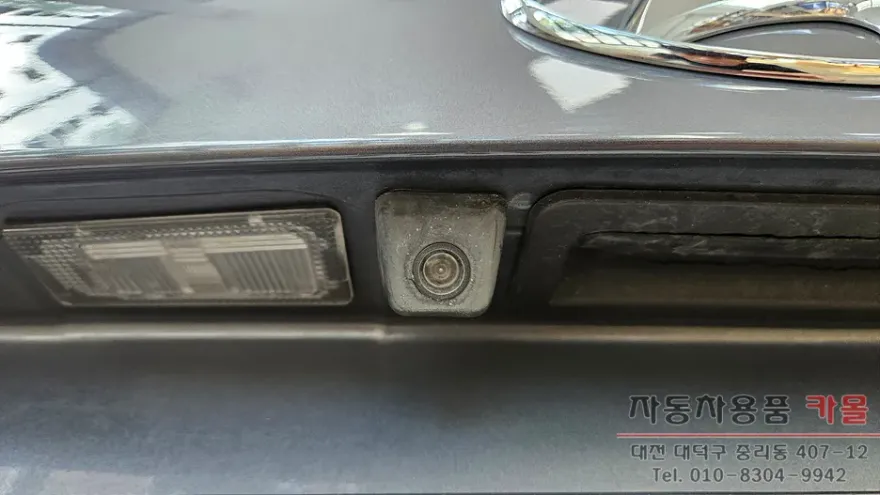
- Removal: The old camera unit is carefully detached from its mounting location, typically on the trunk lid or tailgate. Wiring connections are meticulously disconnected.
- Installation: The new OEM camera is securely mounted in place, ensuring it aligns correctly with the vehicle's design.
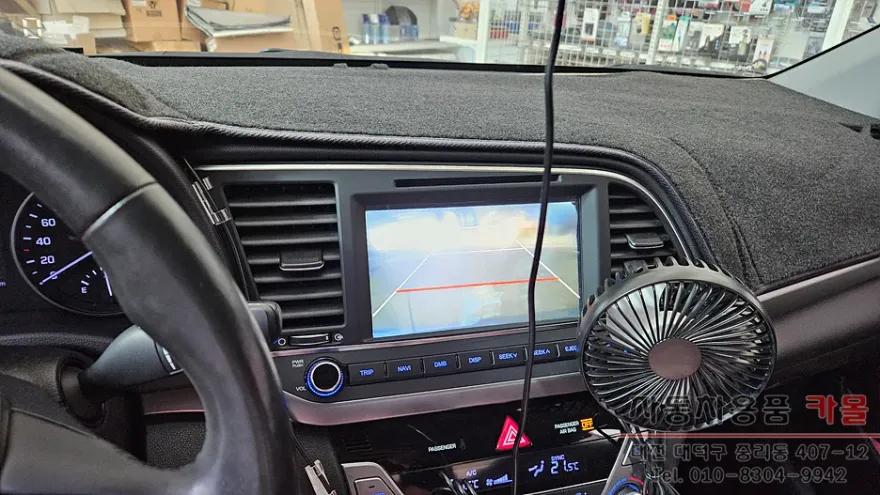
- Wiring and Testing: New wiring harnesses are connected, often integrating with the car's original wiring loom for a clean installation. The system is then powered up, and the camera's video output is thoroughly tested on the infotainment screen to ensure a clear, stable image.
The before-and-after results are often dramatic. In the case of a blurry rear-view camera, the 'after' image is crisp and clear, significantly improving visibility and safety during reversing. The intermittent signal issues are resolved, providing a reliable view every time. The durability of OEM options is generally excellent, as they are built to the same standards as the original parts. However, like any external component, rear-view cameras can degrade over time due to exposure to weather, dirt, and potential impacts. Maintenance typically involves keeping the lens clean. The expected lifespan for a rear-view camera can range from 3 to 5 years, though this can vary based on usage and environmental conditions. When considering a factory upgrade, weigh the cost against the benefit. For safety-critical components like rear-view cameras or parking sensors, the investment is often well worth the enhanced peace of mind and improved driving experience.
Frequently Asked Questions
Q. How much does OEM option and factory upgrade installation cost for a Hyundai Elantra AD?
For a Hyundai Elantra AD, OEM options like rear-view camera replacements typically start around $300-$400 USD. Exact costs depend on the specific option and installation complexity.
Q. How long does OEM options installation take on a Hyundai Elantra AD?
The durability of OEM options is generally high, often lasting 3-5 years or more with proper care. Regular cleaning of external components like camera lenses is key to maintaining performance.
Q. Are OEM options worth adding after purchase for a Hyundai Elantra AD?
OEM options are most beneficial for owners seeking seamless integration and guaranteed compatibility, especially for safety or convenience features. They offer a reliable upgrade path compared to many aftermarket alternatives.
Q. How are OEM factory options installed on a Hyundai Elantra AD?
Installation typically involves diagnosing the need, carefully removing the old component, mounting the new OEM part, connecting wiring to integrate with the vehicle's systems, and thorough testing to ensure proper function.
Q. What is the difference between dealer-installed options and aftermarket upgrades for a Hyundai Elantra AD?
Dealer-installed OEM options use genuine manufacturer parts for guaranteed compatibility and quality, while aftermarket upgrades are made by third-party companies and may vary in fit and reliability.
Q. What should I know before getting OEM Options on a Hyundai Elantra AD? (common regrets and mistakes)
A common regret is not verifying compatibility before purchase, leading to fitment issues. Always confirm the specific OEM option is designed for your Elantra AD model year and trim.
OhCar Partner Shop