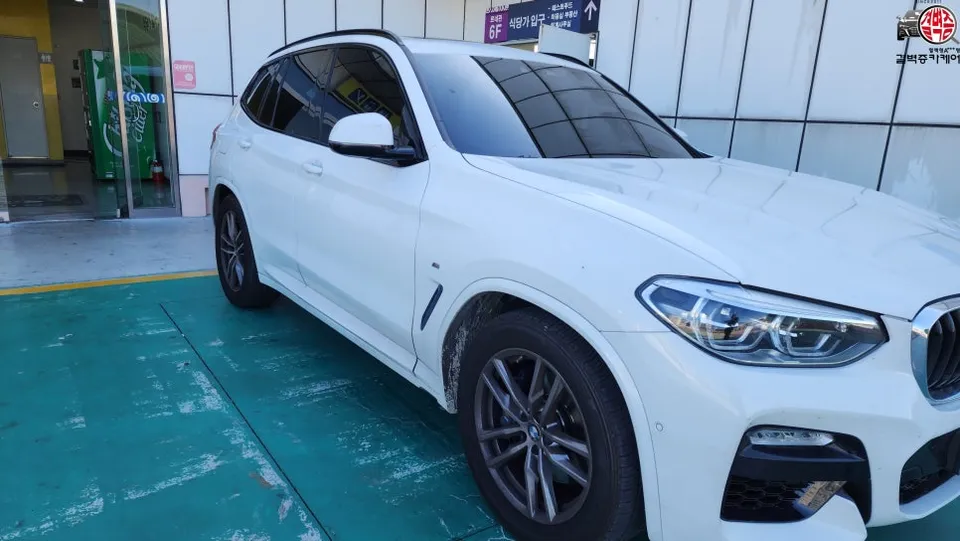
BMW 3 Series Seat Climate Upgrade Review
Service Price
$40–80
Estimated price · Actual price may vary by shop
Before
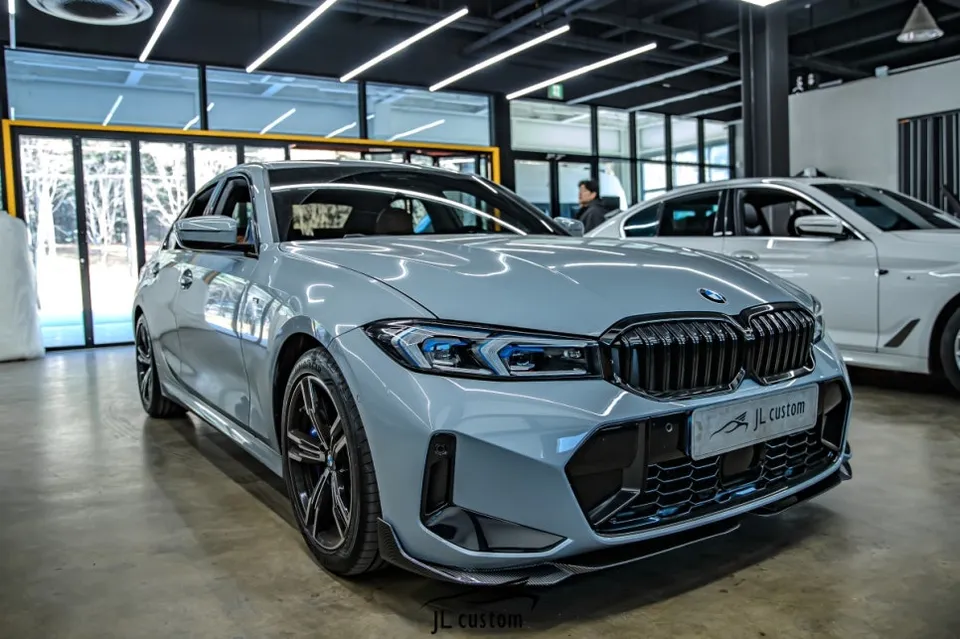
After
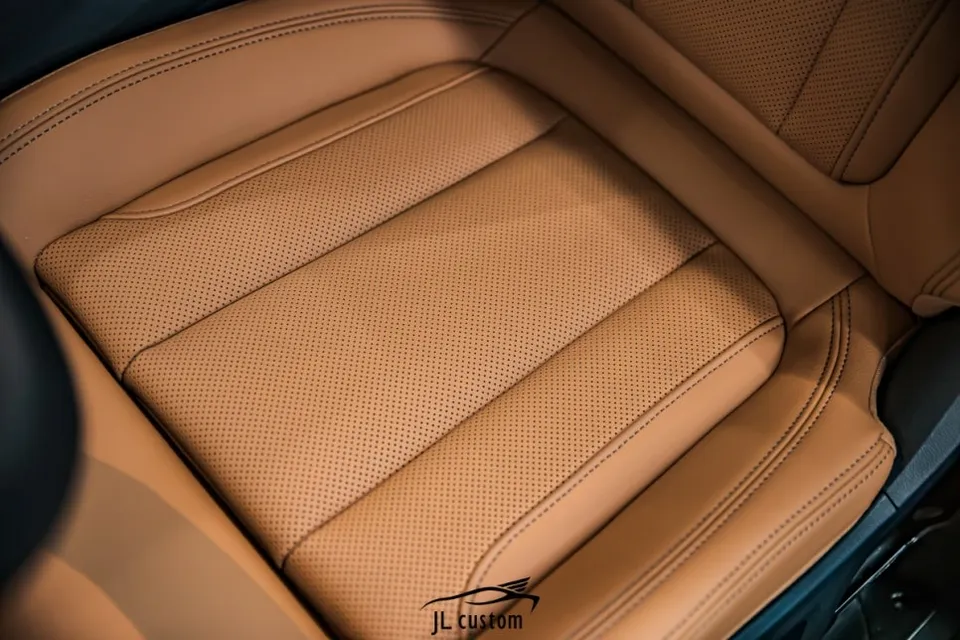
BMW 3 Series ventilated seats retrofit: ~$400-$800. Seamless integration, enhanced comfort.
BMW 3 Series Seat Ventilation & Heating Upgrade
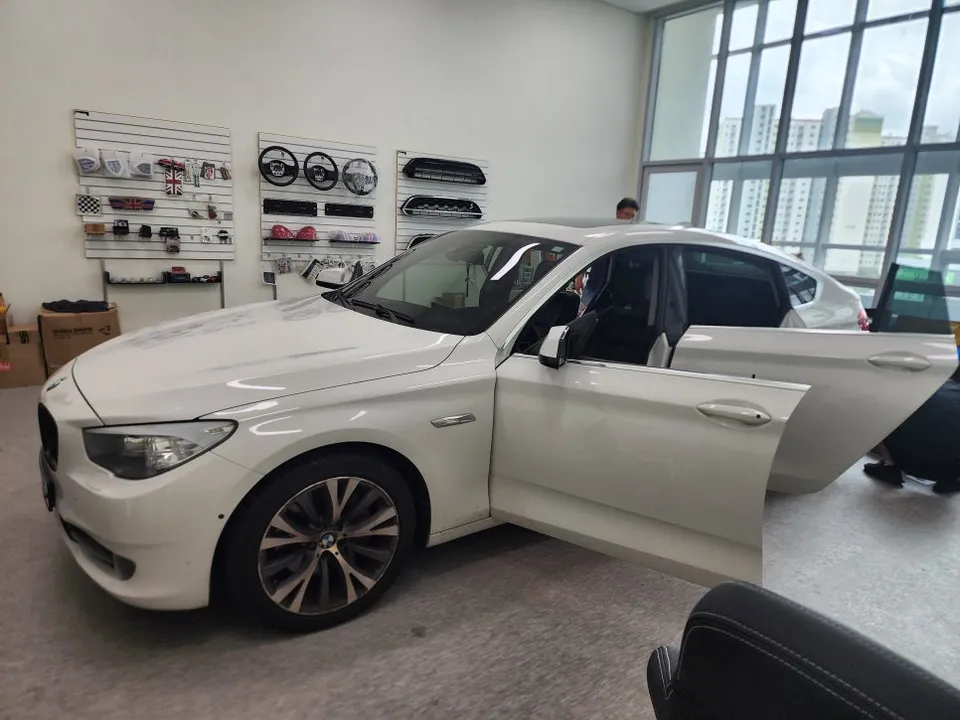
For many BMW 3 Series owners, particularly those with models that didn't come equipped with factory-installed climate control options, the summer heat can make driving uncomfortable. This is where a seat climate upgrade, specifically adding ventilated seats, becomes a highly sought-after modification. This review delves into the process, results, and considerations for a Seat Ventilation & Heating retrofit on a BMW 3 Series, drawing from a recent installation in South Korea.
Ventilated Seat Installation and Results
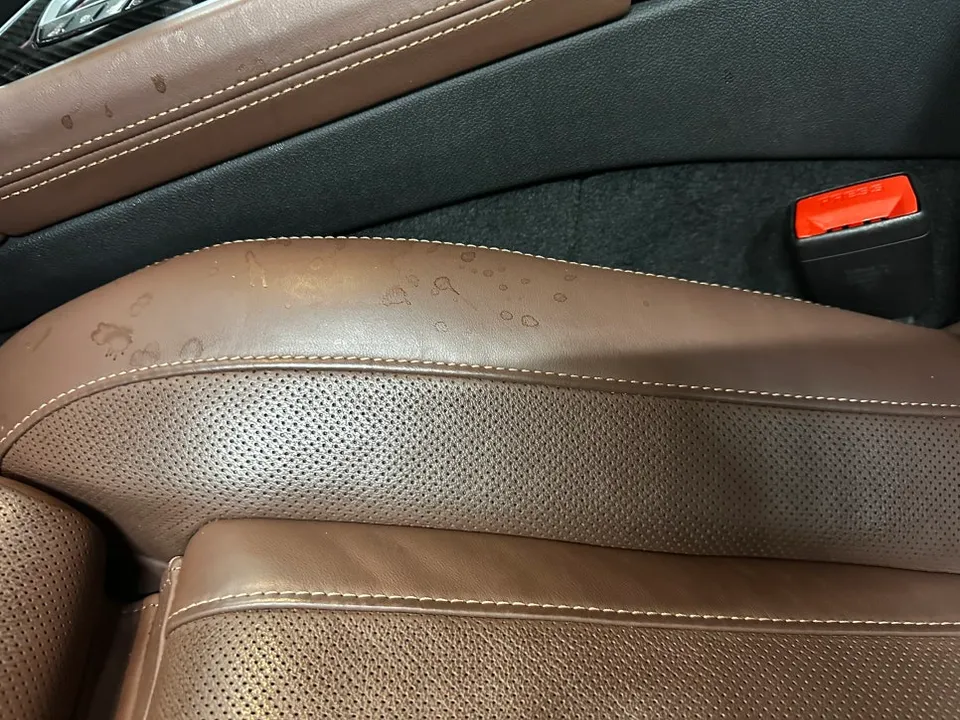
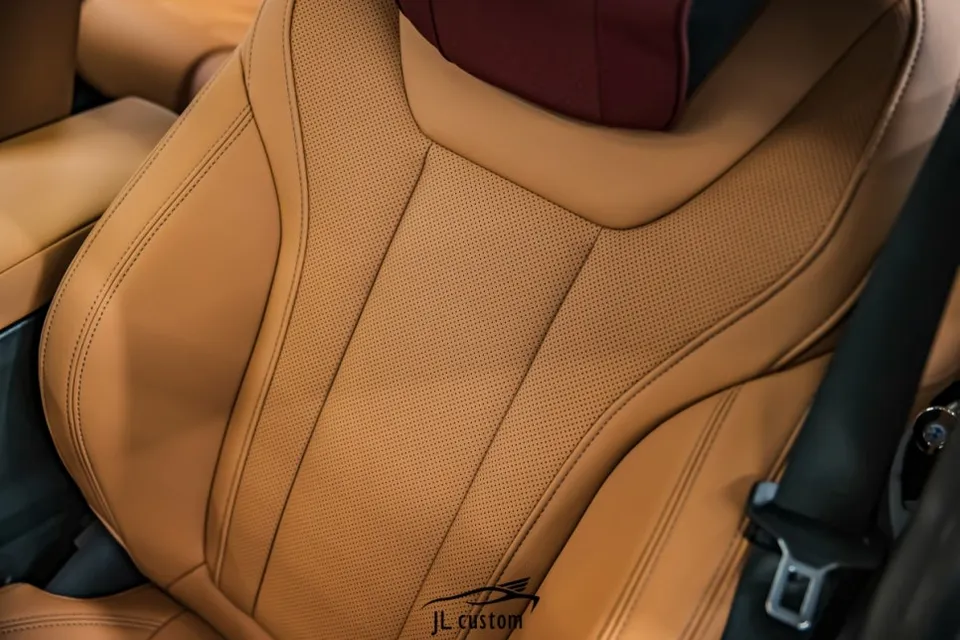
Many imported cars, including various BMW 3 Series trims, lack the desirable ventilated seat option from the factory. To combat summer heat, owners often turn to aftermarket solutions. In this particular BMW 3 Series installation, the vehicle's existing leather upholstery was already perforated, which simplified the process. This meant the original leather's texture and feel could be preserved while integrating the cooling system. The goal was a 'factory-like' integration, ensuring the seats look and feel as close to original equipment as possible.
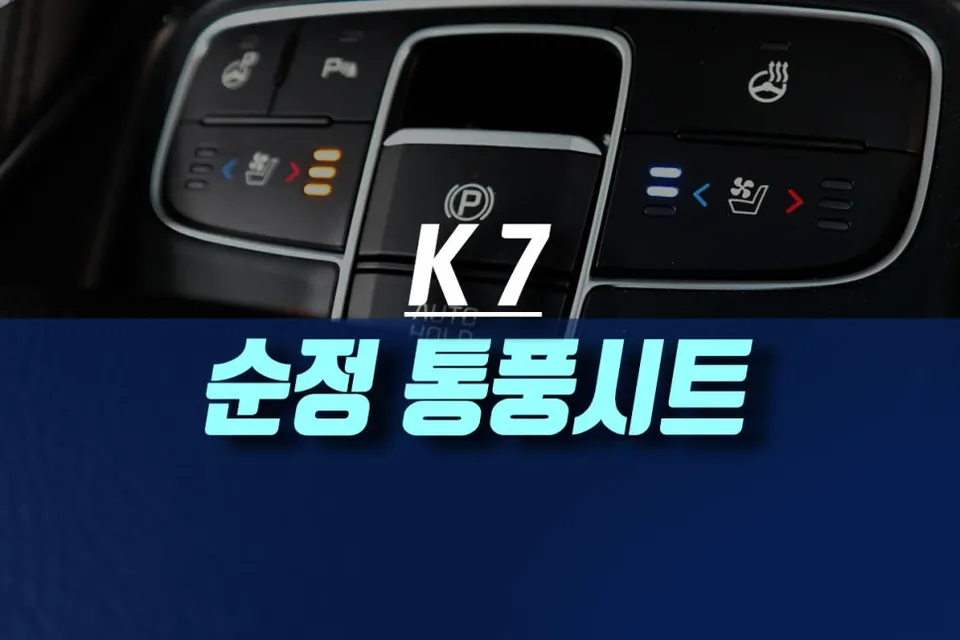
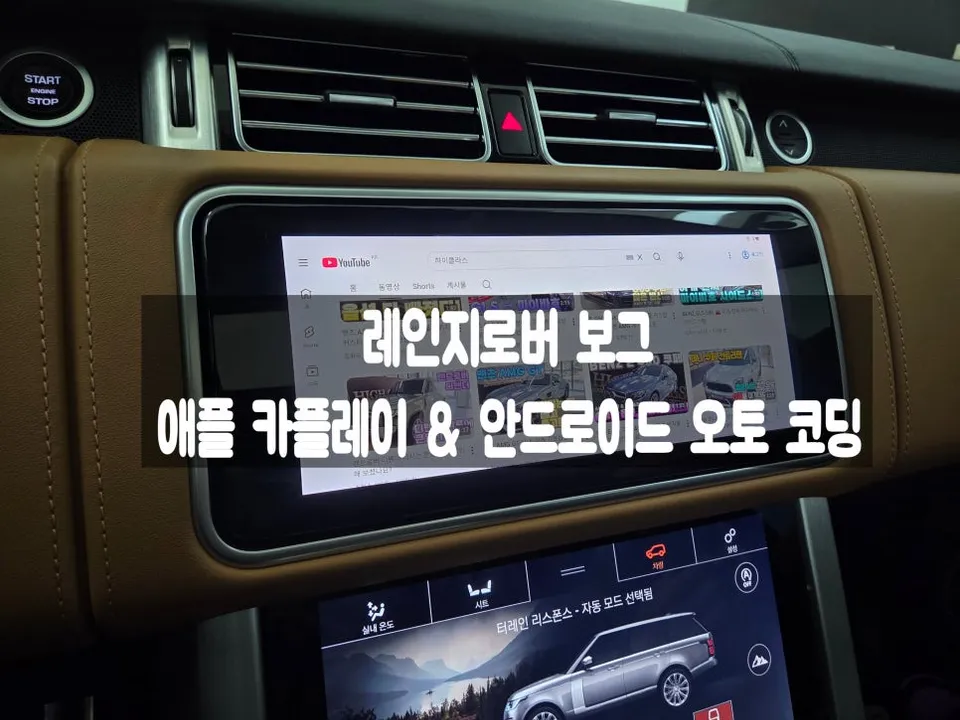
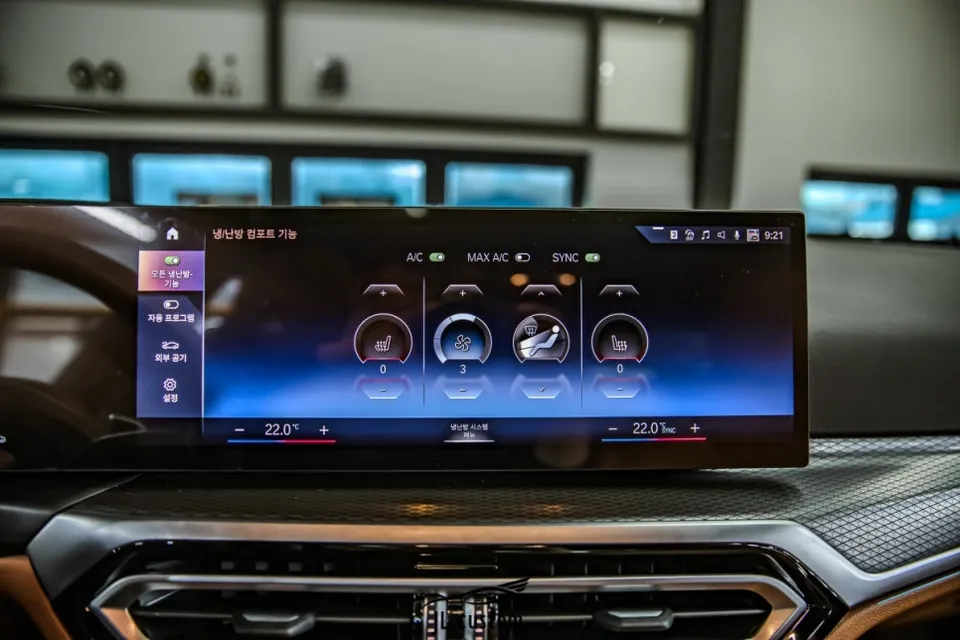
For the BMW 3 Series LCI (Life Cycle Impulse) models, which feature a large central display, the climate controls are often managed through this screen. The ventilation system was activated via coding, seamlessly integrating it with the existing heating controls next to the seat buttons. This coding process, which essentially activates an icon, is minimal and carries a very low risk of impacting other vehicle systems or causing malfunctions. The shop emphasized their extensive experience with coding ensures a stable and reliable installation.
Installation Process:
- Seat Disassembly: The seat covers are carefully removed to access the internal structure.
- Cooler Unit Installation: Multiple small cooling units (up to 8 per seat, 4 on each side) are strategically placed within the seat cushion and backrest.
- Wiring and Integration: The cooling units are wired to the vehicle's power supply and control modules.
- Coding Activation: The vehicle's software is coded to recognize and control the new ventilation functions, often integrating with existing climate controls.
- Reassembly: The seat covers are reinstalled, and the seats are tested.
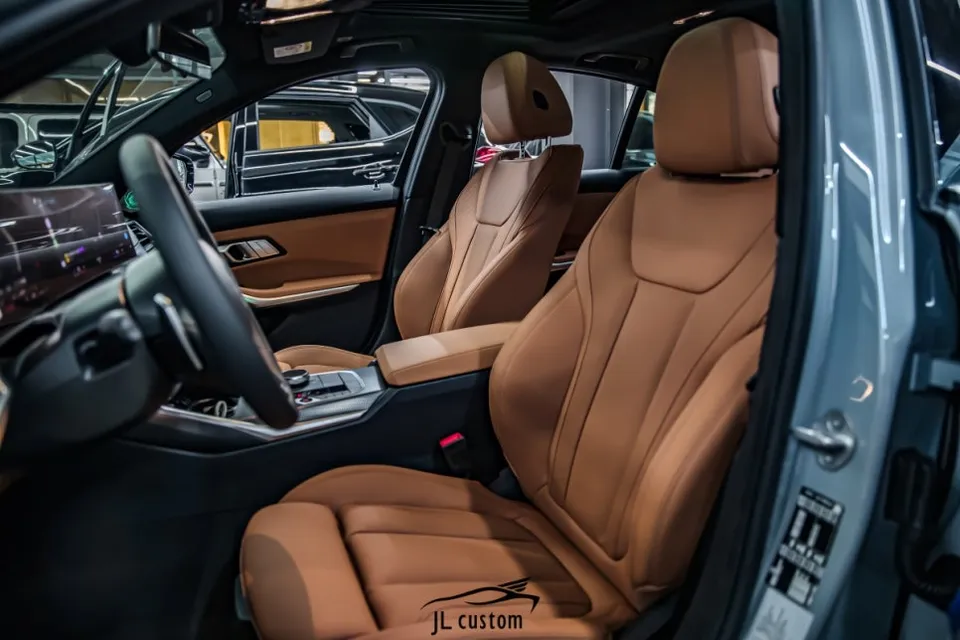
Post-installation, the visual difference is minimal, maintaining a natural appearance. The number of cooling units can be adjusted based on the driver's preference for airflow intensity. This focus on seamless integration is a key reason why many owners opt for this type of seat climate upgrade.
Enhancing Interior Ambiance with Full Cover Tuning
In addition to the functional seat climate upgrade, this BMW 3 Series also received a 'whirlwind full cover' tuning. This aesthetic modification aims to significantly enhance the vehicle's interior atmosphere. Often paired with upgraded aluminum speaker covers, which offer brighter lighting for a more vibrant ambient effect, this tuning is popular for BMW owners looking to elevate their cabin's luxury feel.
The whirlwind full cover upgrade transforms the often-plain mid-range speaker covers and tweeter areas by adding ambient lighting. This creates a more sophisticated and visually appealing interior. The installation is designed to be fully compatible with the car's original ambient lighting system, ensuring a cohesive look. Importantly, all original parts are returned to the customer, and the modification can be easily reversed to the factory state using plug-and-play connectors, making it a reversible upgrade.
Seat Ventilation & Heating Cost and Considerations
The estimated cost for this type of Seat Ventilation & Heating installation in South Korea, including both the ventilated seats and the full cover interior lighting, can vary. While specific pricing wasn't detailed in the source, similar retrofits in the US typically range from $400 to $800 per seat, depending on the complexity and components used. The Korean context suggests a professional installation focusing on OEM-like integration, which often commands a premium over basic aftermarket kits. Durability is generally good, as reputable shops use quality components and ensure proper wiring. Maintenance typically involves keeping the seat perforations clear of debris to ensure optimal airflow. For a BMW 3 Series owner seeking enhanced comfort and a more premium interior feel, investing in a well-executed Seat Ventilation & Heating system and aesthetic upgrades can be a worthwhile modification, especially if the car lacks these features from the factory.
Frequently Asked Questions
Q. How much does ventilated seat installation cost for a BMW 3 Series?
In South Korea, the cost for this type of Seat Ventilation & Heating retrofit can vary, but similar installations in the US typically range from $400 to $800 per seat. Professional installation focusing on OEM-like integration often influences the final price.
Q. How long does seat ventilation installation take on a BMW 3 Series?
The durability of aftermarket ventilated seats is generally good when installed by experienced professionals using quality components. Basic maintenance involves ensuring the seat perforations remain clear of debris to maintain optimal airflow.
Q. Are aftermarket ventilated seats worth it for a BMW 3 Series?
Aftermarket ventilated seats are most beneficial for BMW 3 Series owners whose vehicles lack this factory option and who frequently drive in hot climates. The value lies in significantly enhanced driving comfort and a more premium interior experience.
Q. How are ventilated seats installed in a BMW 3 Series?
Installation involves carefully disassembling the seat covers to access the internal structure. Multiple small cooling units are then integrated into the seat cushion and backrest, wired to the vehicle's power, and the system is activated via software coding for seamless control.
Q. What is the difference between OEM and aftermarket ventilated seats for a BMW 3 Series?
OEM ventilated seats are factory-integrated with guaranteed compatibility and seamless controls, while aftermarket options are retrofitted, aiming for a similar look and function. For a factory-like experience, professional installation and coding are crucial for aftermarket systems.
OhCar Partner Shop