BMW 5 Series F10 OEM Options Review — Cost & Results
Service Price
$40–80
Estimated price · Actual price may vary by shop
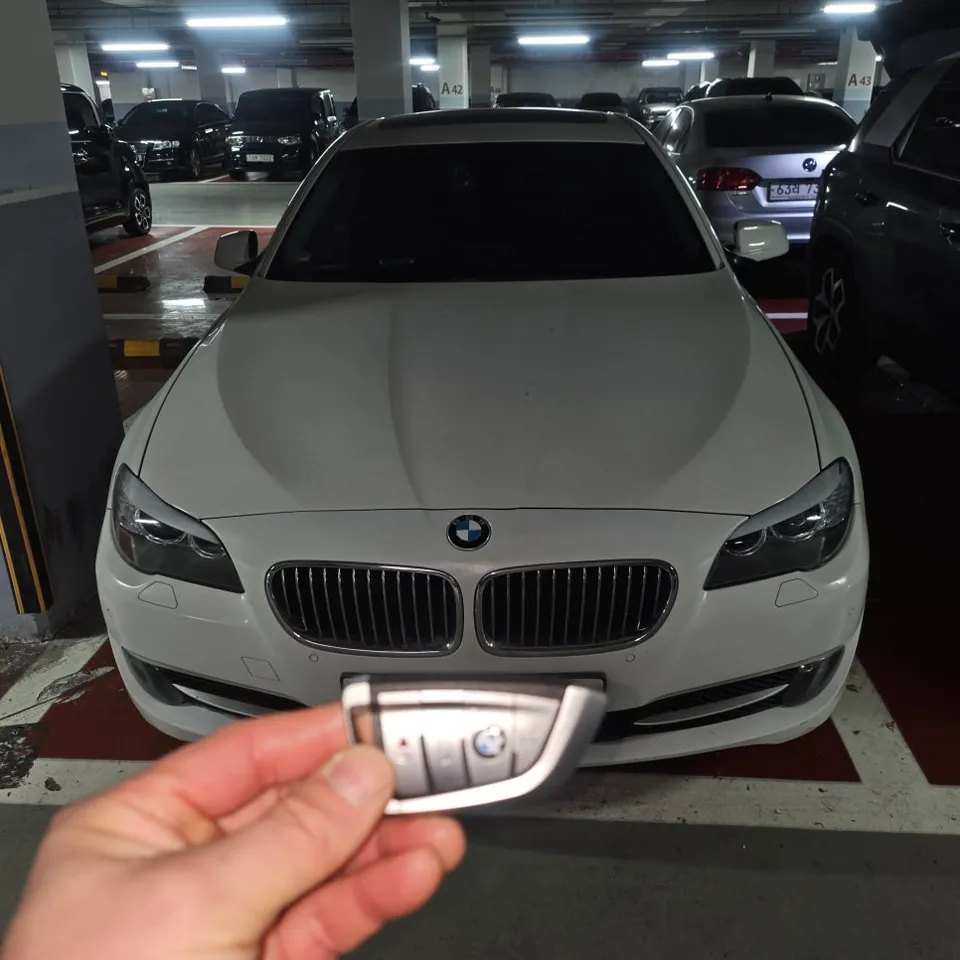
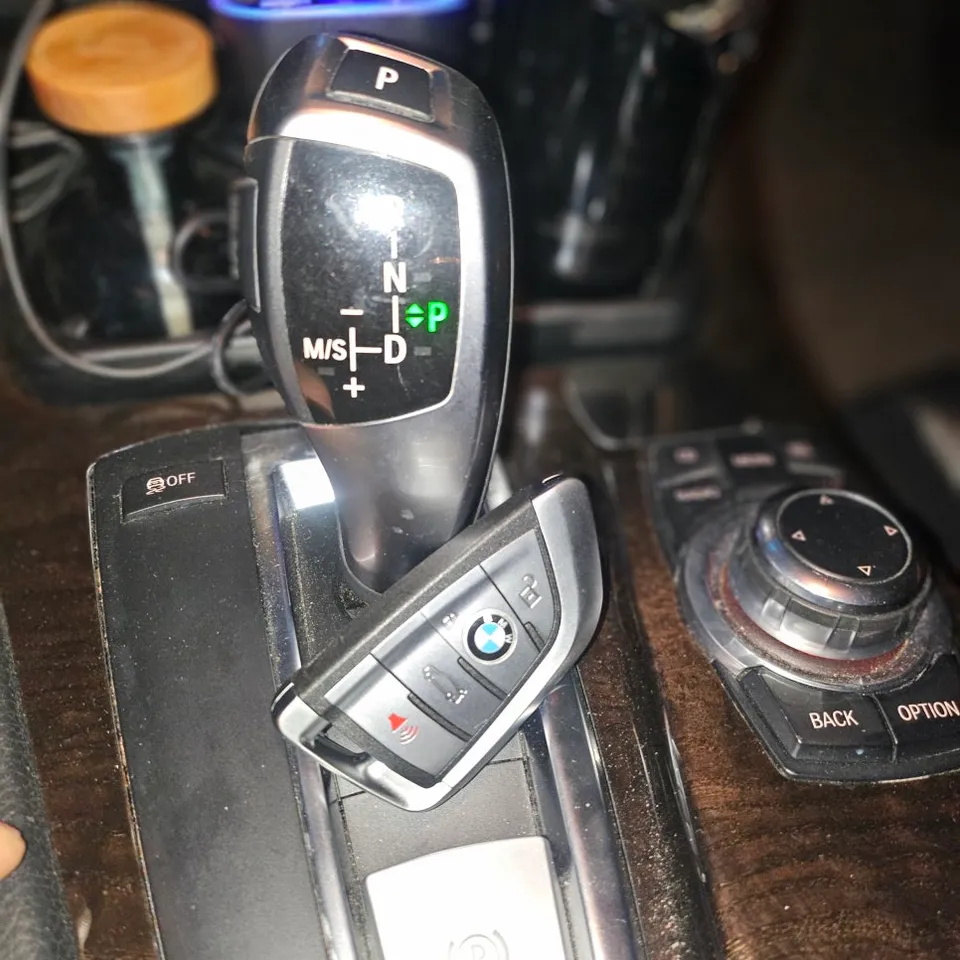
BMW 5 Series F10 OEM options retrofit: Costs vary widely. Ensures factory integration and durability. Worth it for enhanced features and seamless oper
Understanding OEM Options for Your BMW 5 Series F10
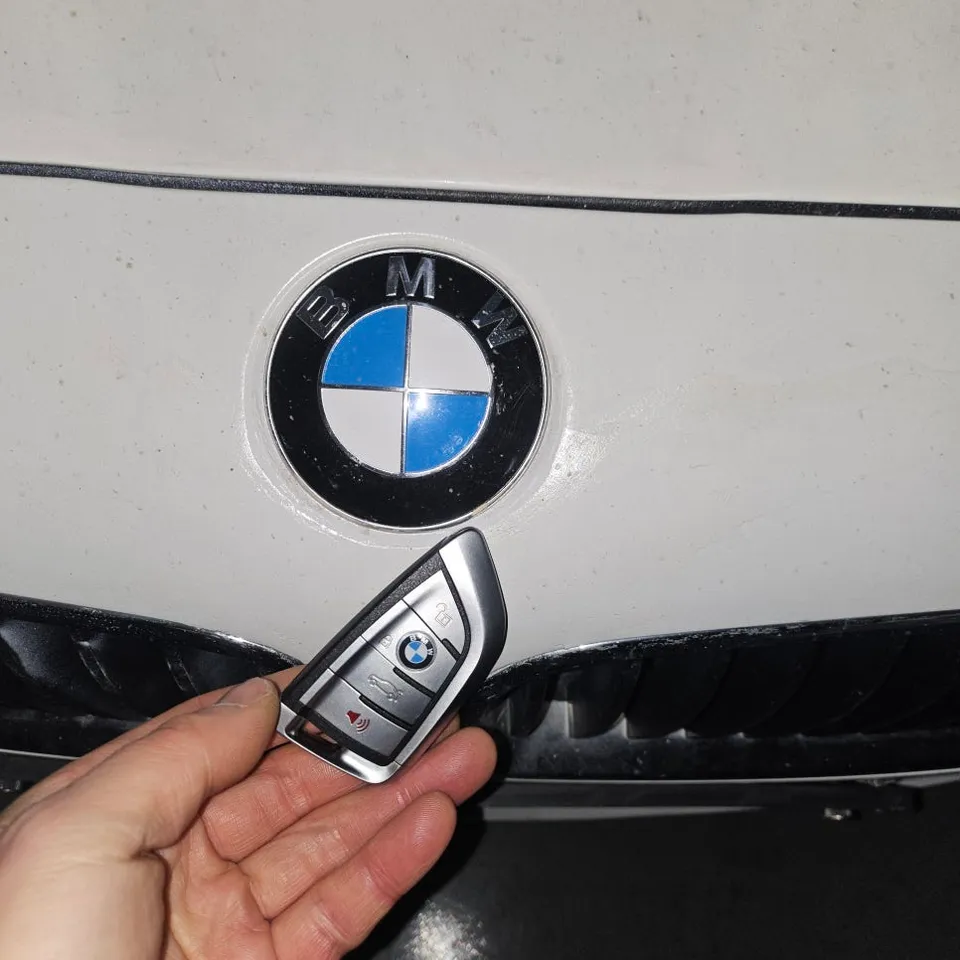
For owners of the BMW 5 Series F10, the allure of enhancing your vehicle with factory-approved upgrades, often referred to as OEM options or factory option retrofits, is strong. These aren't aftermarket parts; they are components designed and manufactured by BMW for your specific model, ensuring perfect integration and maintaining the vehicle's integrity. This review delves into the real-world costs, installation processes, and long-term benefits of pursuing these factory upgrades for your F10 5 Series. While the original context for this information comes from a BMW 528i F10 key duplication service in Korea, the principles of OEM retrofitting and the considerations for owners remain universally applicable. We'll explore what these options entail, how they are installed, and whether they represent a worthwhile investment compared to aftermarket alternatives.
The Cost and Installation of BMW 5 Series F10 Factory Upgrades
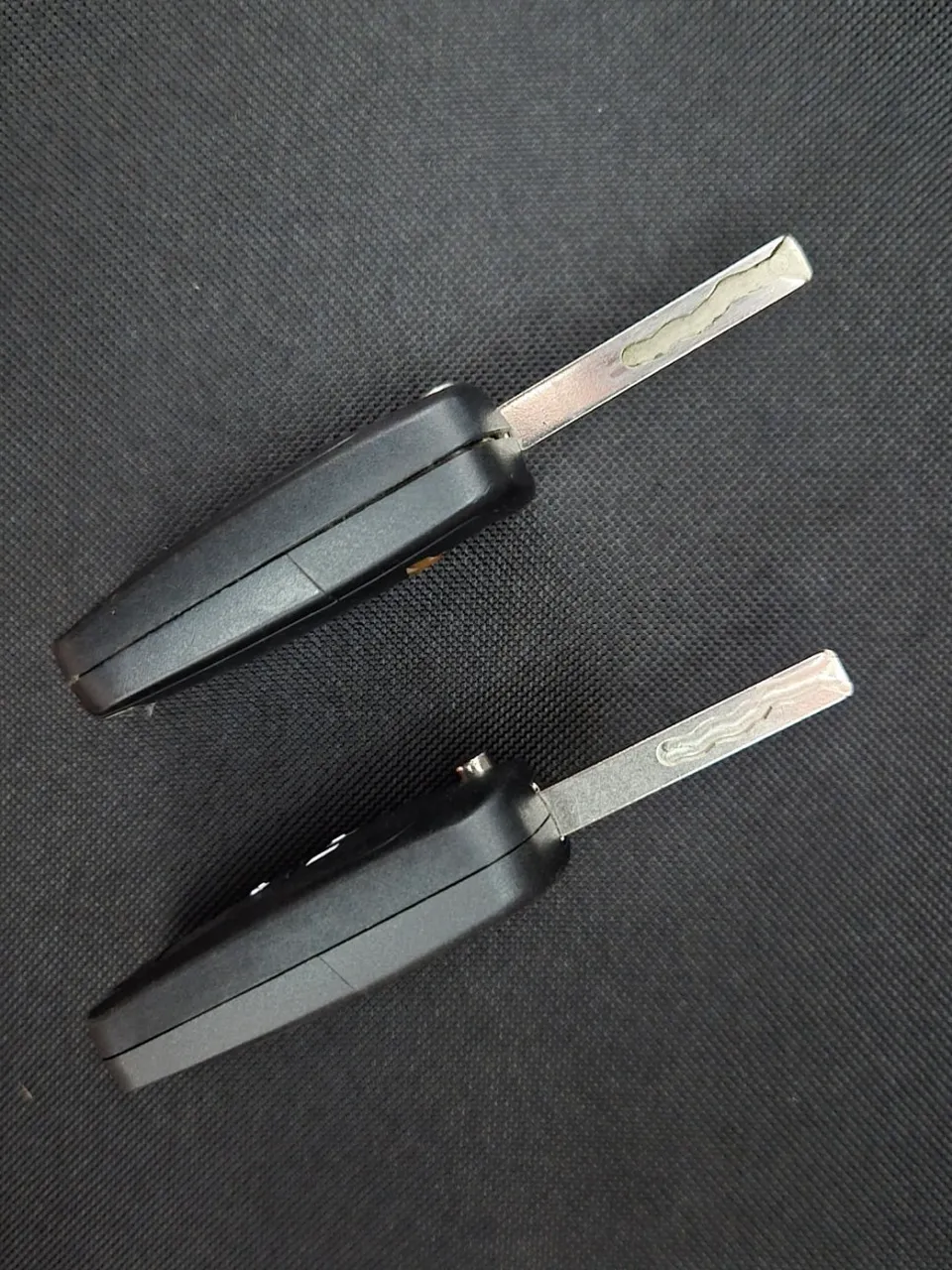
When considering a factory option retrofit for your BMW 5 Series F10, understanding the financial commitment and the installation procedure is crucial. Unlike simple accessories, many OEM options involve integrating new electronic modules, sensors, or control units into the car's existing systems. The original Korean context mentioned a cost range for key duplication services (300,000-500,000 KRW, approximately $220-$370 USD at the time of writing), highlighting that specialized services for BMWs can vary significantly. For broader OEM options like upgraded infotainment, advanced driver assistance features, or enhanced lighting, costs can range from a few hundred dollars for simpler items to several thousand for complex systems. The installation process itself is typically performed by dealerships or specialized independent shops with BMW diagnostic tools and software. This ensures that the new option is correctly coded and integrated with the car's iDrive system and other ECUs. The complexity dictates the labor time, which can range from a couple of hours to a full day for more involved retrofits. For instance, adding a factory-installed backup camera or parking assist sensors requires not just the physical components but also programming the car's computer to recognize and utilize them.
Durability, Results, and Is It Worth It?
One of the primary advantages of choosing OEM options for your BMW 5 Series F10 is the assurance of quality and durability. These parts are built to BMW's stringent standards, meaning they are designed to last the lifetime of the vehicle and perform as intended under various conditions. The 'before and after' results are often seamless; the new feature looks and functions as if it were factory-installed from day one, avoiding the common issues of poor fitment or compatibility problems associated with some aftermarket parts. For example, retrofitting a genuine BMW M Performance steering wheel not only enhances the driving feel but also perfectly matches the interior aesthetics and integrates with any existing electronic functions like paddle shifters. When considering if OEM options are worth it, weigh the cost against the benefits. If the option significantly enhances your driving experience, safety, or the car's resale value, it can be a sound investment. However, if a high-quality aftermarket alternative offers similar functionality at a fraction of the cost and with a reliable warranty, it might be a more practical choice. For the BMW 5 Series F10, options like enhanced audio systems, ambient lighting, or updated navigation modules can provide a noticeable upgrade, justifying the premium price for many owners who value factory integration and long-term reliability.
Installation Process:
- Diagnostic Assessment: A thorough check of the vehicle's existing systems and software is performed to ensure compatibility and identify any potential conflicts with the new OEM option.
- Component Installation: The physical parts are installed, which may involve removing interior trim panels, routing wiring harnesses, and connecting new modules to the vehicle's network.
- Software Coding and Programming: Using specialized BMW diagnostic equipment, the car's computer is programmed to recognize and operate the new option correctly. This step is crucial for seamless integration.
- System Testing: All functions related to the new option are tested to ensure they work perfectly, including any user interface elements within the iDrive system.
Frequently Asked Questions
Q. How much does OEM option and factory upgrade installation cost for a BMW 5 Series F10?
OEM option installation costs for a BMW 5 Series F10 can range from several hundred to several thousand dollars, depending on the complexity of the feature. While specific pricing varies greatly, it's generally more expensive than aftermarket alternatives due to genuine parts and specialized labor.
Q. How long does OEM options installation take on a BMW 5 Series F10?
The durability of OEM options is typically excellent, designed to last the vehicle's lifespan with proper care. Basic maintenance usually involves ensuring software is up-to-date and any physical components are kept clean.
Q. Are OEM options worth adding after purchase for a BMW 5 Series F10?
OEM options are often worth it for BMW 5 Series F10 owners who prioritize seamless integration, guaranteed compatibility, and long-term reliability. They offer a factory-perfect finish and function, which can also contribute positively to the vehicle's resale value.
Q. How are OEM factory options installed on a BMW 5 Series F10?
OEM factory options are installed through a multi-step process: 1. A diagnostic scan confirms compatibility. 2. Physical components are fitted, potentially requiring trim removal and wiring. 3. The vehicle's software is coded using specialized tools to integrate the new feature. 4. Final testing ensures full functionality.
Q. What is the difference between dealer-installed options and aftermarket upgrades for a BMW 5 Series F10?
Dealer-installed OEM options use genuine BMW parts designed for perfect integration and are installed by certified technicians, often maintaining the vehicle's warranty. Aftermarket upgrades are made by third-party companies, offering potentially lower costs and wider variety but may compromise fit, finish, or long-term reliability.
OhCar Partner Shop