BMW M2 PPF Review: Protecting Your Performance Car
Service Price
$40–80
Estimated price · Actual price may vary by shop
Before
After
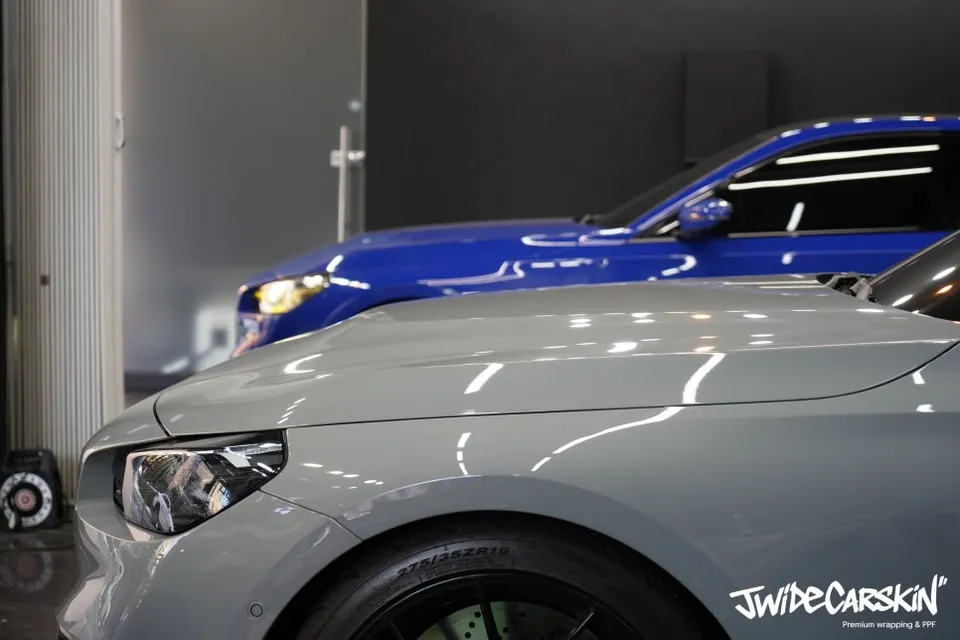
Process photos
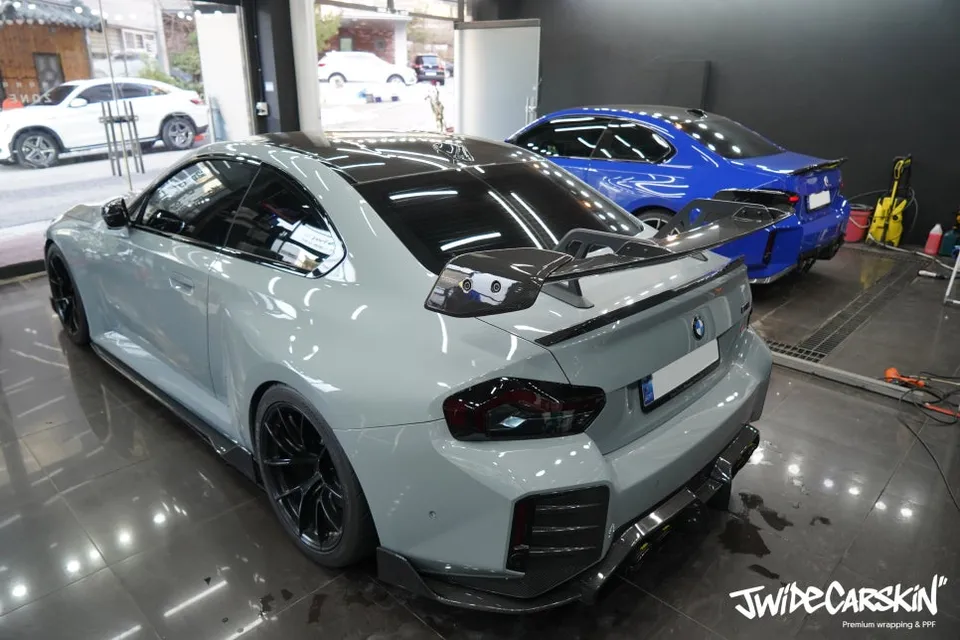
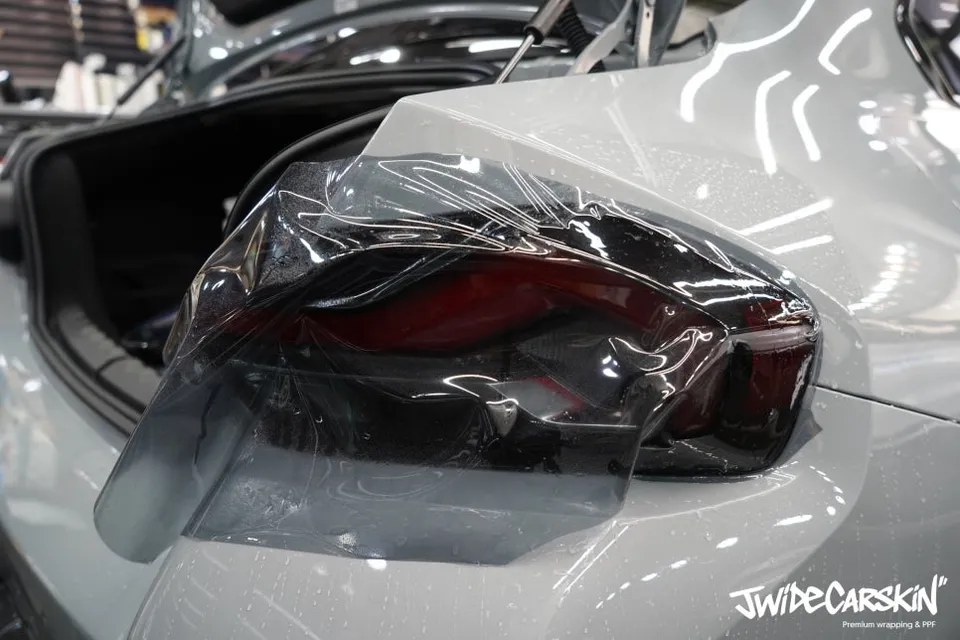
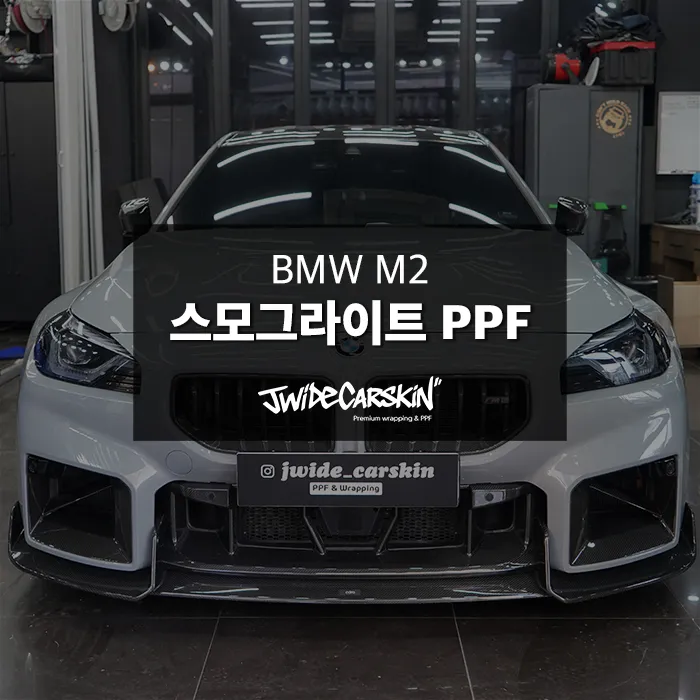
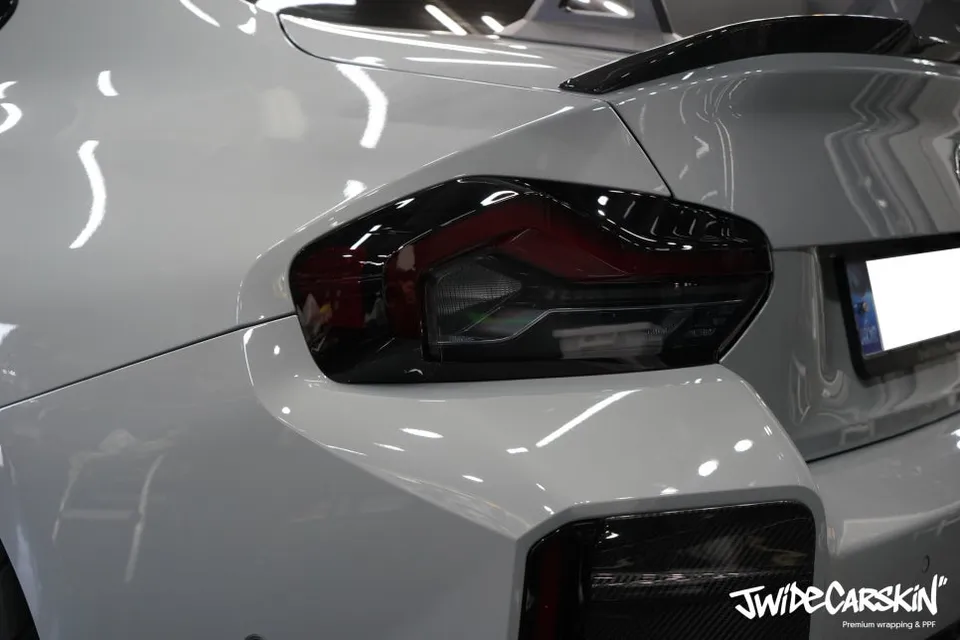
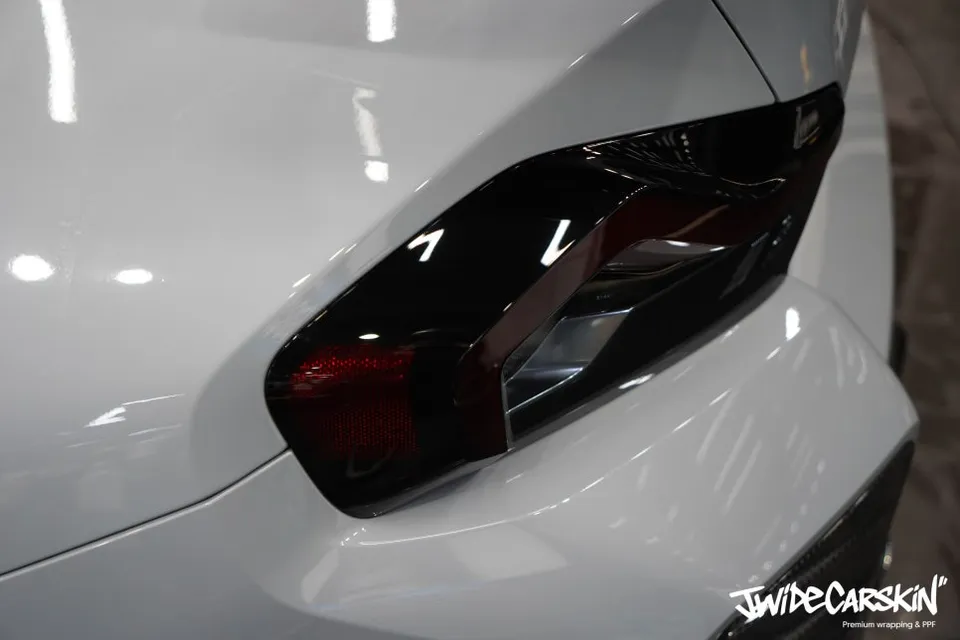
Smoked PPF on BMW M2 F87 tail lights: Protects against stone chips and enhances look. Installation involves meticulous cleaning, precise application o
Why Protecting Your BMW M2's Tail Lights is Essential
The BMW M2 F87 is a high-performance sports car that demands attention, not just for its power but also its striking aesthetics. The rear section, particularly the tail lights and surrounding bodywork, is highly susceptible to damage from road debris like gravel and stone chips. This review details the process of applying Smoked Light PPF to a new M2's tail lights, not only safeguarding them but also elevating the car's sophisticated appearance.
Tail lights are more than just aesthetic components; they are crucial for visibility and safety. On the road, they are the first line of defense against flying debris from vehicles ahead and potential impacts. For a high-performance vehicle like the M2, which travels at higher speeds, the risk of damage is significantly amplified. Paint Protection Film (PPF), especially a tinted version like Smoked Light PPF, acts as a robust shield against such physical damage, preserving the original paintwork while adding a touch of sporty flair.
Pre-Installation Inspection of BMW M2 Tail Lights
The cornerstone of any successful PPF application is a thorough assessment of the existing condition. At our facility, we began with a meticulous inspection of the entire tail light surface. This involved documenting the current paint condition, identifying any micro-scratches, and assessing the level of surface contamination. This detailed record is crucial for preventing disputes regarding the installation quality post-service.
The new M2's tail lights feature advanced LED technology and complex curves, presenting a significant challenge for film application. Understanding these characteristics is vital for determining the most effective installation method. We also checked for any pre-existing scratches or damage history during this inspection phase.
Surface Preparation: The Key to PPF Adhesion
Proper surface preparation is paramount; any residual dust or oils on the tail lights will compromise the adhesion of the PPF, leading to premature peeling. We employed a multi-stage cleaning process using specialized automotive cleaners. Initially, we removed loose dirt with a standard cleaning solution, followed by an alcohol-based cleaner to ensure the surface was completely free of oils and contaminants.
Skipping or rushing this critical step can result in the film lifting or peeling unevenly within a few months. The longevity of PPF installation is as dependent on meticulous surface preparation as it is on the quality of the film itself. This is why professional installers often dedicate a significant amount of time, sometimes over 30 minutes, solely to this preparation phase.
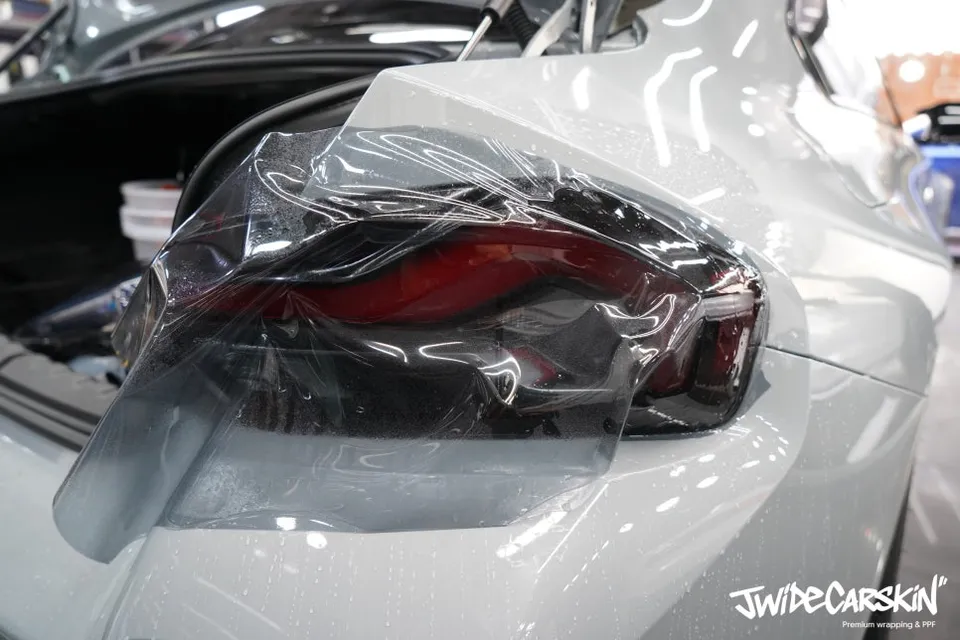
Smoked PPF Application: Mastering Curved Surfaces
The application of Smoked Light PPF requires a more delicate approach than standard clear PPF, as its darker tint makes even minor imperfections like air bubbles or trapped debris more noticeable. Our technicians began by precisely cutting the film to match the tail light contours before commencing a slow, deliberate application process.
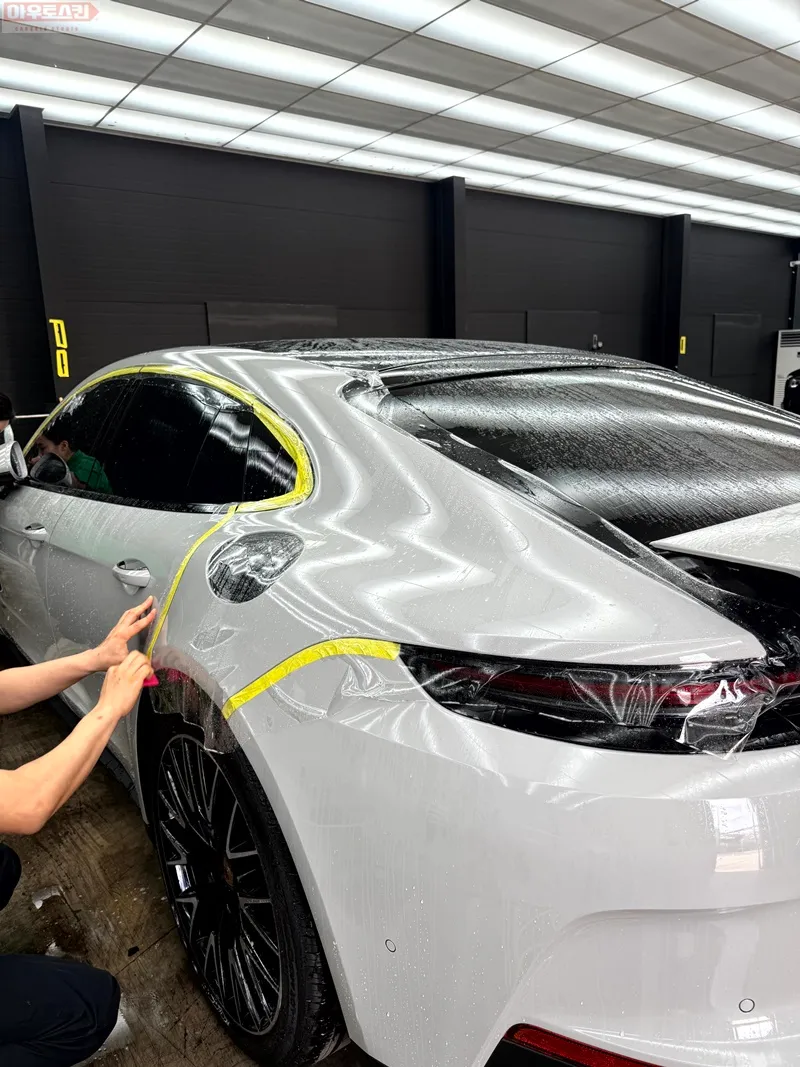
Installation process: 1. Precise Film Cutting: The Smoked PPF is meticulously cut to the exact shape of the BMW M2's tail lights using specialized cutting software and plotters. 2. Surface Cleaning and Decontamination: The tail light surfaces are thoroughly cleaned and degreased to ensure optimal adhesion. 3. Careful Film Application: The film is applied slowly, starting from the center and working outwards, using heat and specialized tools to conform to the complex curves and eliminate air bubbles. 4. Edge Sealing and Curing: Edges are meticulously sealed, and heat is applied to activate the adhesive and ensure a long-lasting bond.
Addressing the curved areas of the tail lights requires a specific technique to avoid wrinkles. The film is gently stretched and smoothed from the center outwards, gradually releasing trapped air. This process, sometimes referred to as 'heat shrinking,' helps maintain the film's clarity while ensuring a smooth finish. We used controlled heat, around 50-60°C, to enhance the film's flexibility and adhesive properties.
For intricate areas like the BMW M2's tail lights, the application alone can take 2-3 hours. This extended time is necessary for ensuring perfect adhesion at every point, especially along the complex contours.
Edge Finishing and Heat Curing: The Mark of Quality
The post-application stage is as critical as the installation itself. Improperly finished edges can lead to the film lifting over time. We ensured the film was meticulously pressed into every crevice along the edges for a secure, long-lasting seal.
The final step involved heat curing, where controlled heat (around 60-70°C) is applied to activate the film's adhesive layer. This process ensures maximum adhesion and a seamless integration with the tail light surface, completing the protective and aesthetic enhancement.
Frequently Asked Questions
Q. How much does PPF cost for a BMW M2 F87 tail light?
The cost for Smoked PPF on the BMW M2 F87 tail lights in this review was not specified in Korean Won, but typical US pricing for tail light PPF ranges from $150 to $300.
Q. How long does PPF last on a BMW M2 F87 tail light?
Paint Protection Film typically lasts 5-10 years when properly maintained. Regular cleaning with mild soap and water, avoiding abrasive materials, will help extend its lifespan.
Q. Is PPF worth it for a BMW M2 F87 tail light?
PPF is highly recommended for BMW M2 owners who frequently drive on highways or are concerned about road debris damage. It offers excellent protection against stone chips and scratches, preserving the tail lights' appearance and value.
Q. How is PPF installed on a BMW M2 F87 tail light?
Installation involves meticulous surface preparation including thorough cleaning and degreasing. Then, the PPF is precisely cut and carefully applied to the tail light's curves using heat and specialized tools to eliminate air bubbles, followed by edge sealing and heat curing for optimal adhesion.
Q. What is the difference between PPF and ceramic coating for a BMW M2 F87 tail light?
PPF provides superior physical protection against impacts and scratches, acting as a sacrificial layer, while ceramic coating offers enhanced gloss and chemical resistance but minimal impact protection. For protecting tail lights from road debris, PPF is the recommended choice.
OhCar Partner Shop
More ppf Reviews
See all →
More BMW Reviews
Pair with Another Service
Add hydrophobic protection on top of PPF
Complete your new car protection package