How to Choose a PPF Installer — 7 Questions to Ask Before You Book
So, you've decided to protect your vehicle's paint with Paint Protection Film (PPF). That's a smart move! PPF is an incredible barrier against rock chips, scratches, and environmental contaminants. But with so many options out there, how to choose a PPF installer can feel like navigating a minefield. You want someone skilled, trustworthy, and who will treat your car like their own. At OhCar Magazine, we've analyzed 50 owner reviews to help you make the best decision. Let's dive into the seven crucial questions you should ask before booking your PPF installation.

1. What is Their Experience and Specialization?
This is arguably the most important question. PPF installation is a highly skilled craft that requires precision, patience, and a deep understanding of vehicle contours. A seasoned installer has likely worked on a wide variety of makes and models, encountering unique challenges and developing sophisticated techniques.
Ask About Their Track Record
Don't be shy about asking how long they've been installing PPF and how many vehicles they've worked on. A reputable installer will be happy to share their experience. Look for installers who specialize in PPF, rather than those who offer it as just one of many services. Specialization often means they have invested more in training, tools, and understanding the nuances of different film types and vehicle surfaces.
Check Their Portfolio
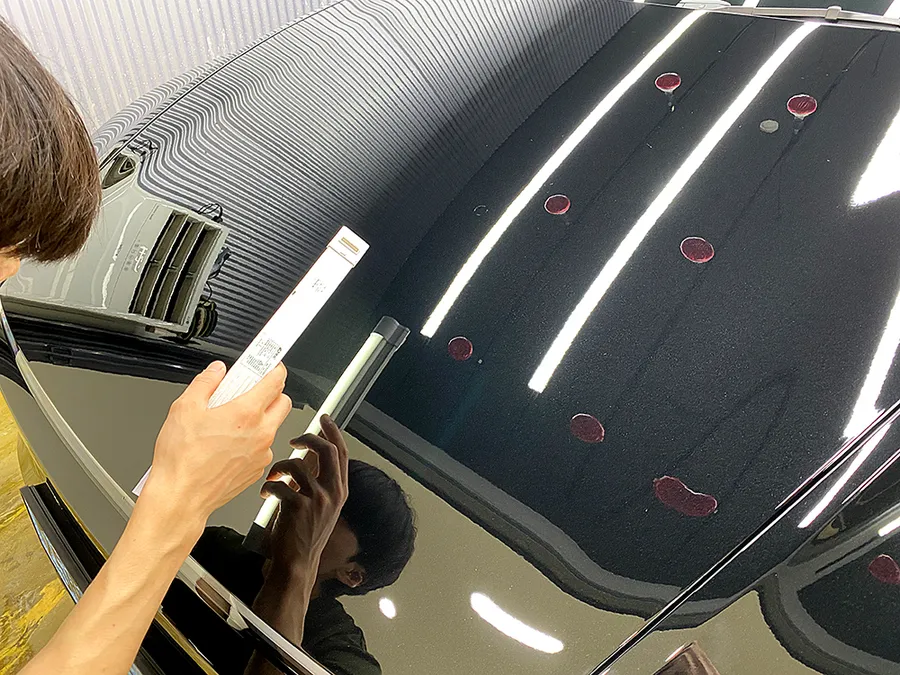
A good installer will have a portfolio of their work, either online or in person. This could include photos or videos of previous installations. Pay attention to the quality of the edges, the absence of bubbles or orange peel, and how well the film conforms to complex curves and body lines. We've seen a range of PPF costs in our reviews, from $60 to $133, with an average of $95, but the cheapest option isn't always the best when it comes to quality.
2. What Brands and Types of PPF Do They Offer?
Not all PPF is created equal. There are different manufacturers, formulations, and finishes available, each with its own pros and cons. A good installer will offer a selection of reputable brands and be able to explain the differences clearly.
Understanding Film Properties
Key properties to consider include:
- Clarity and Gloss: Does the film maintain the original paint's gloss or enhance it?
- Self-Healing Properties: Can minor scratches disappear with heat?
- Stain and Chemical Resistance: How well does it protect against bird droppings, bug splatter, and road salt?
- Thickness: Thicker films generally offer more impact protection.
- Hydrophobic Properties: Some films have a topcoat that repels water and makes cleaning easier.
Reputable Brands
Ask which brands they carry. Some of the most respected names in the industry include SunTek, XPEL, 3M, and STEK. An installer who works with multiple high-quality brands is often a good sign, as it indicates they aren't tied to a single product and can recommend the best fit for your needs and budget.
3. What is Their Installation Process and Environment?
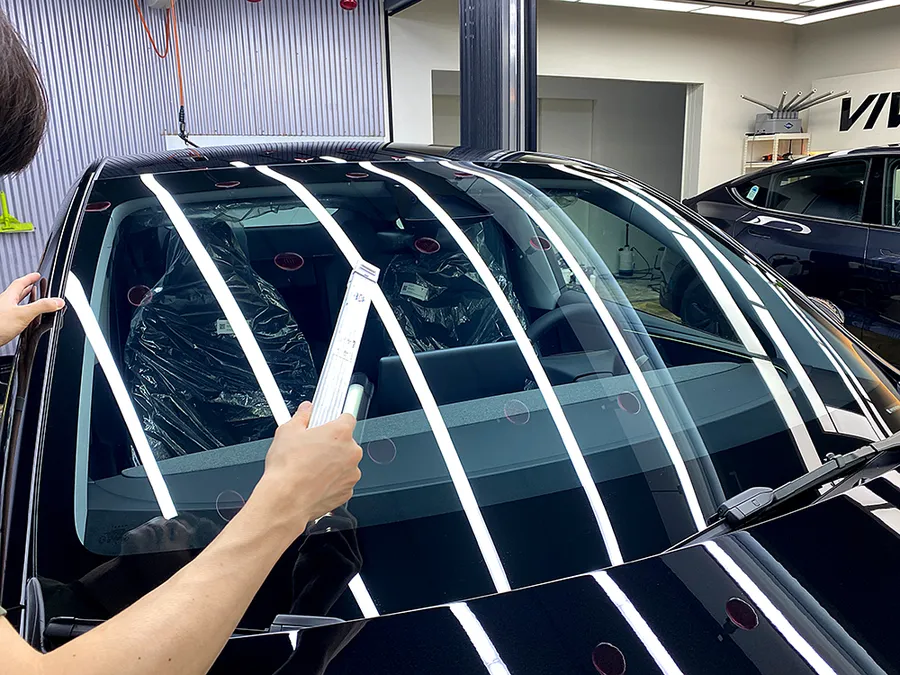
The installation environment is critical for a flawless finish. Dust, dirt, and debris are the enemies of PPF installation. A professional installer will have a dedicated, clean, and well-lit space for the work.
The Importance of a Clean Room
Ideally, the installation should take place in a dust-free, climate-controlled environment. This could be a dedicated clean room or a meticulously maintained garage. Ask about their setup. If they install outdoors or in a dusty workshop, it's a red flag. Even the best film can be ruined by dust particles trapped underneath.
Pre-Installation Preparation
A professional installer will also have a thorough preparation process. This includes:
- Thorough Washing and Decontamination: Removing all dirt, grime, and contaminants from the paint surface.
- Clay Bar Treatment: Ensuring the surface is perfectly smooth.
- Paint Correction (Optional but Recommended): If there are existing scratches or swirl marks, paint correction will ensure the PPF is applied over a flawless surface. This is something we often see discussed in our reviews, with services like OhCar Magazine detailing various paint correction techniques.
- Degreasing and Alcohol Wipe: Removing any residual oils or silicones.
4. Do They Offer Pre-Cut Kits or Bulk Installation?
There are two main ways PPF can be applied: using pre-cut kits or by hand-cutting from a bulk roll.
Pre-Cut Kits
Many modern installers use computer-cut patterns specifically designed for your vehicle's make, model, and year. These kits are often sourced from reputable PPF manufacturers and are designed to fit precisely, minimizing the need for on-car cutting. This reduces the risk of accidentally cutting into your vehicle's paint.
Bulk Installation (Hand-Cutting)
Some installers prefer to cut the film by hand on the vehicle. While a highly skilled installer can achieve excellent results this way, it carries a higher risk of error. If an installer uses this method, ensure they have extensive experience and use specialized cutting tools and techniques to protect your paint.
Our Findings
Based on 50 owner reviews on OhCar..., installers who utilize high-quality, pre-cut kits from trusted brands tend to have fewer issues with fitment and paint damage. However, exceptional skill in hand-cutting can still yield fantastic results.
5. What is Their Warranty and Aftercare Policy?
A good installer stands behind their work. A comprehensive warranty and clear aftercare instructions are essential for peace of mind.
Understanding the Warranty
Ask about the warranty on both the film and the installation. Most reputable PPF brands offer a manufacturer's warranty against yellowing, cracking, peeling, or delamination, typically for 5-10 years. The installer should also offer a warranty on their workmanship, covering issues like lifting edges or poor application.
Aftercare Guidance
A professional installer will provide clear instructions on how to care for your PPF. This includes:
- Recommended cleaning methods (e.g., hand washing, avoiding high-pressure sprayers directly on edges).
- What products to use or avoid (e.g., avoiding harsh chemicals or abrasive cleaners).
- How to maintain the film's self-healing properties (e.g., using warm water and gentle soap for minor scratches).
6. What is the Total Cost and What's Included?
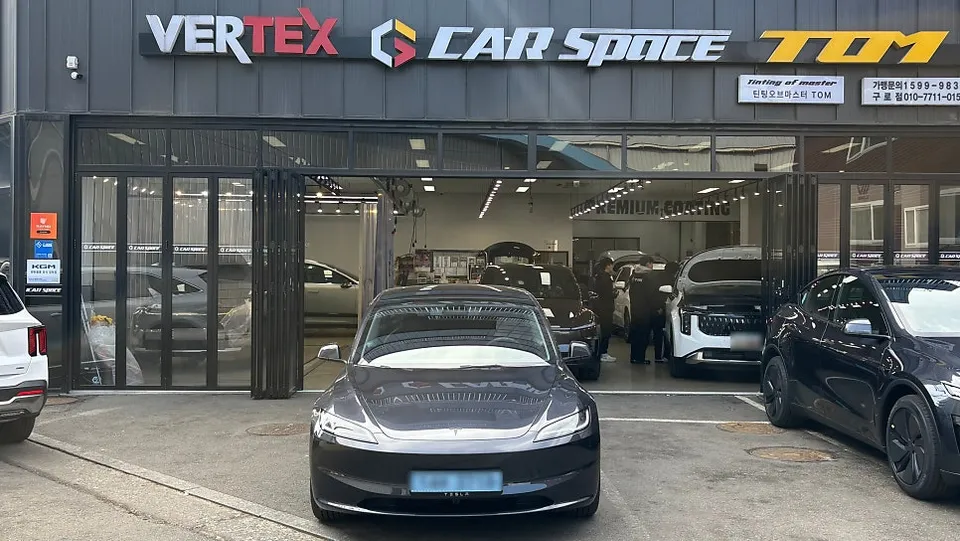
Cost is always a factor, but it shouldn't be the only deciding one. As mentioned, prices can vary significantly. Our data shows a range from $60 to $133, with an average of $95 for various services on brands like Hyundai, Tesla, Kia, Genesis, and BMW. However, PPF is typically a premium service and can cost considerably more depending on the vehicle and coverage.
Get a Detailed Quote
Always get a detailed written quote that clearly outlines what is included. This should specify:
- The exact areas of the vehicle being covered (e.g., full front, partial front, specific panels).
- The brand and type of PPF being used.
- Any included services like paint correction or ceramic coating add-ons.
- The total price, including taxes and fees.
Beware of Unusually Low Prices
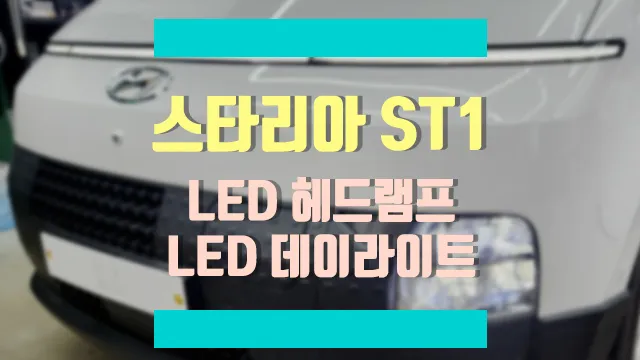
While competitive pricing is good, extremely low prices can be a warning sign. It might indicate the use of lower-quality film, less experienced installers, or a rushed installation process. For example, a full front-end PPF on a Tesla Model 3 might cost upwards of $150+ based on our review data for premium services, while a less comprehensive service on a Hyundai Staria ST1 might range from $75–$115.
| Vehicle Model | Service Type | Estimated Price Range |
|---|---|---|
| Kia Sorento (2024) | Ambient Lighting | $150+ |
| Hyundai Staria ST1 | Lighting Upgrade | $75–$115 |
| Tesla Model 3 | Standard vs Long Range Comparison | $150+ |
| Genesis G80 | Wheel Refinishing | $150+ |
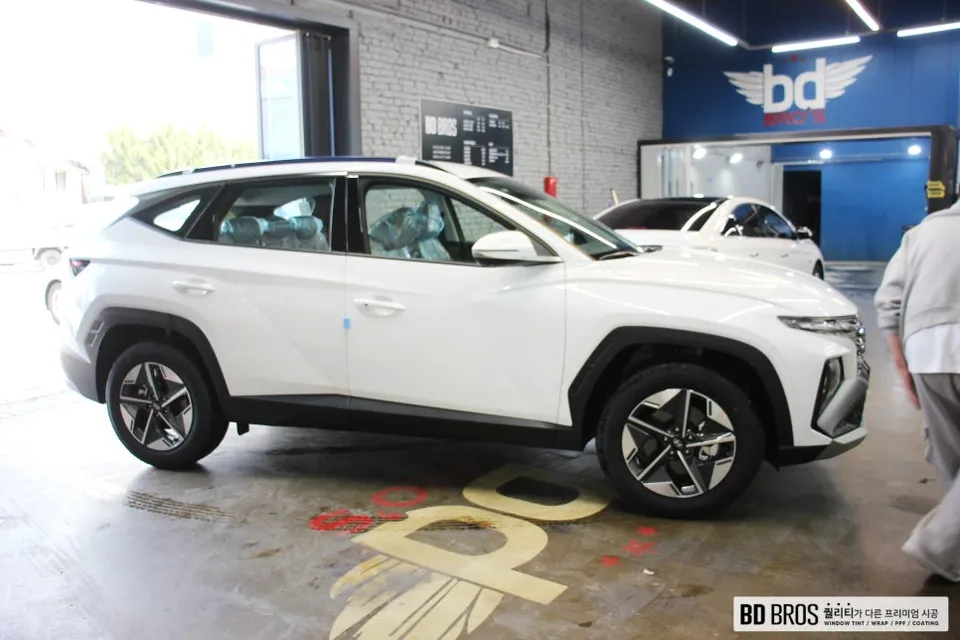
| Hyundai Tucson | Window Tinting | $40–$80 |
Note: The table above reflects various detailing service costs from OhCar reviews and should be used as a general indicator of pricing tiers, not direct PPF quotes.
7. Can They Demonstrate Their Work and Provide References?
A confident and professional installer will be able to provide proof of their capabilities and happy customers.
Visual Proof
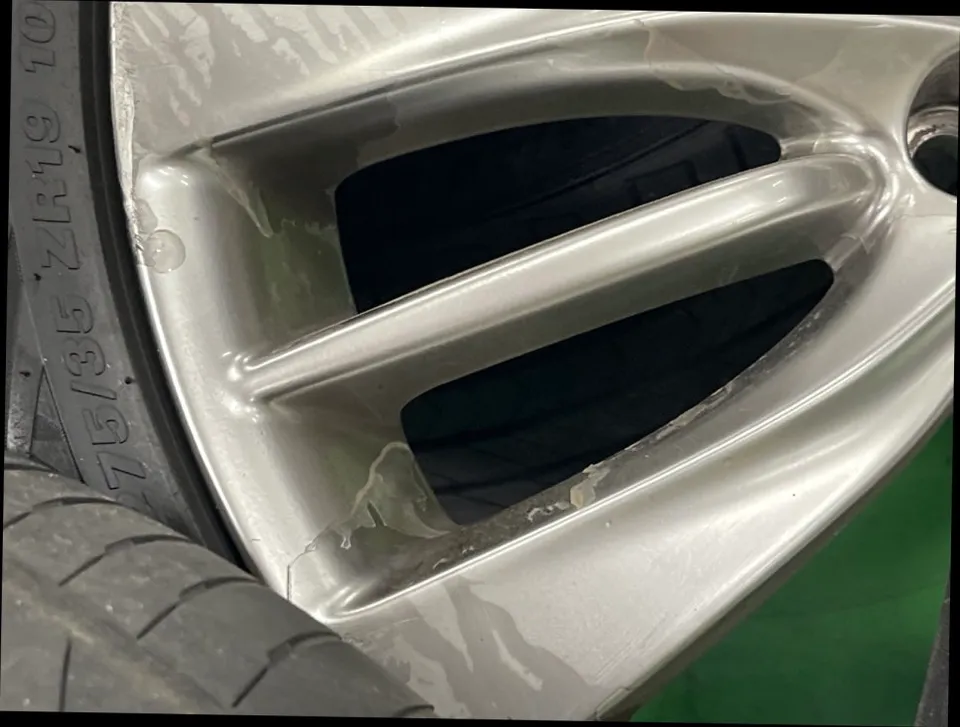
Ask to see examples of their recent work, ideally on a vehicle similar to yours. This could be photos, videos, or even a physical inspection of a car they've recently completed. Look for the same quality indicators mentioned earlier: sharp edges, no visible imperfections, and a seamless appearance.
Customer Testimonials
Inquire if they have customer testimonials or reviews you can look at. While online reviews are helpful, a direct recommendation or a satisfied customer you can speak with can be even more reassuring. Check platforms like Google Reviews, Yelp, or even specialized automotive forums.
PPF vs. Ceramic Coating: Which is Right for You?
Before you commit to PPF, it's worth understanding how it compares to other paint protection options. While PPF offers superior physical protection against impacts and scratches, ceramic coatings provide excellent hydrophobic properties and resistance to chemical etching and UV damage. For a deeper dive into the differences and to help you decide which is best for your needs, check out our comprehensive PPF vs Ceramic Coating comparison.
Conclusion
Choosing the right PPF installer is crucial for ensuring your investment is protected and your vehicle looks its best. By asking these seven questions, you can gain confidence in your decision and find a professional who will deliver exceptional results. Remember, PPF is a significant investment, and taking the time to find the right installer is well worth it. Happy detailing!
Comments (3)
Great tips! Definitely asking about their warranty and if they use a plotter or cut by hand is key, especially out here in the AZ sun. Wouldn't want any peeling issues down the road.
Man, PPF is a game-changer for keeping that paint looking sharp, especially down here in Texas with all the sun and dust. I always ask about their warranty and if they use computer-cut patterns – makes a world of difference.
Honestly, finding a good PPF installer in NYC is a nightmare. I'm still debating if the shop I used for my M4 was worth the hassle, but at least they didn't mess up the edges.

Explore Related Services on OhCar