BMW M5 OEM Options Review: Factory Upgrade Cost & Results
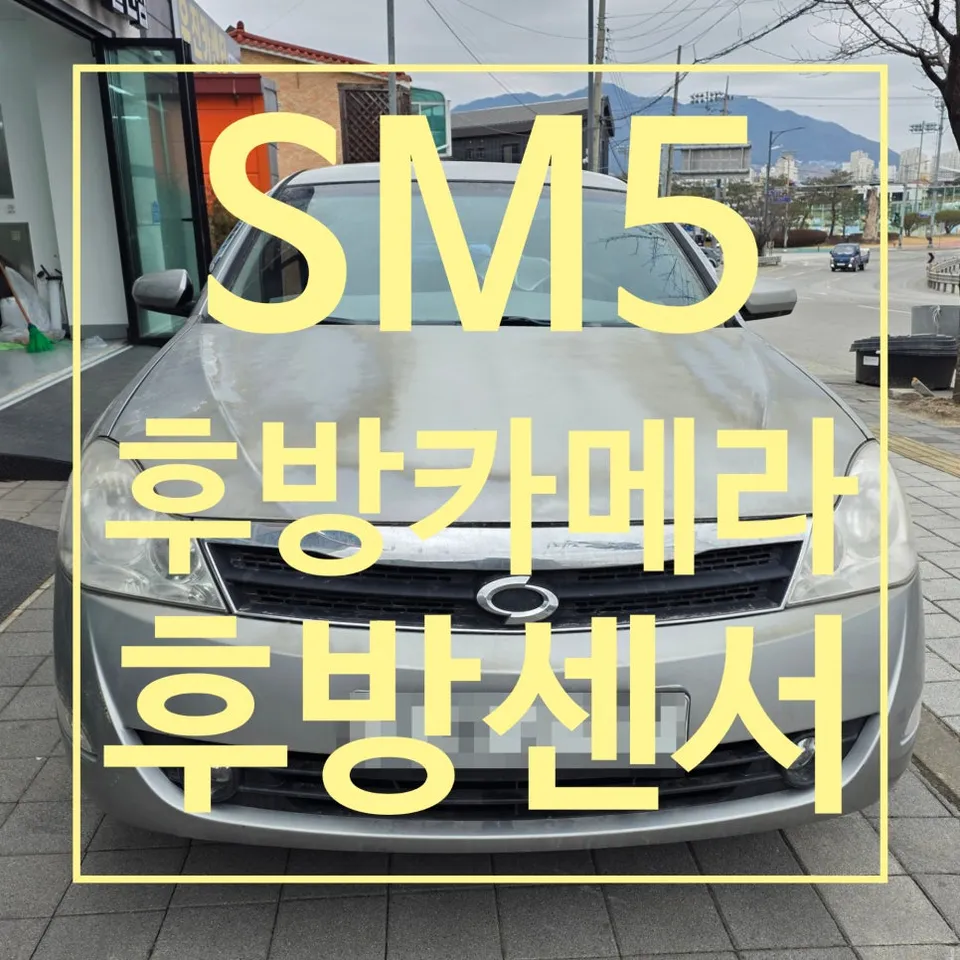
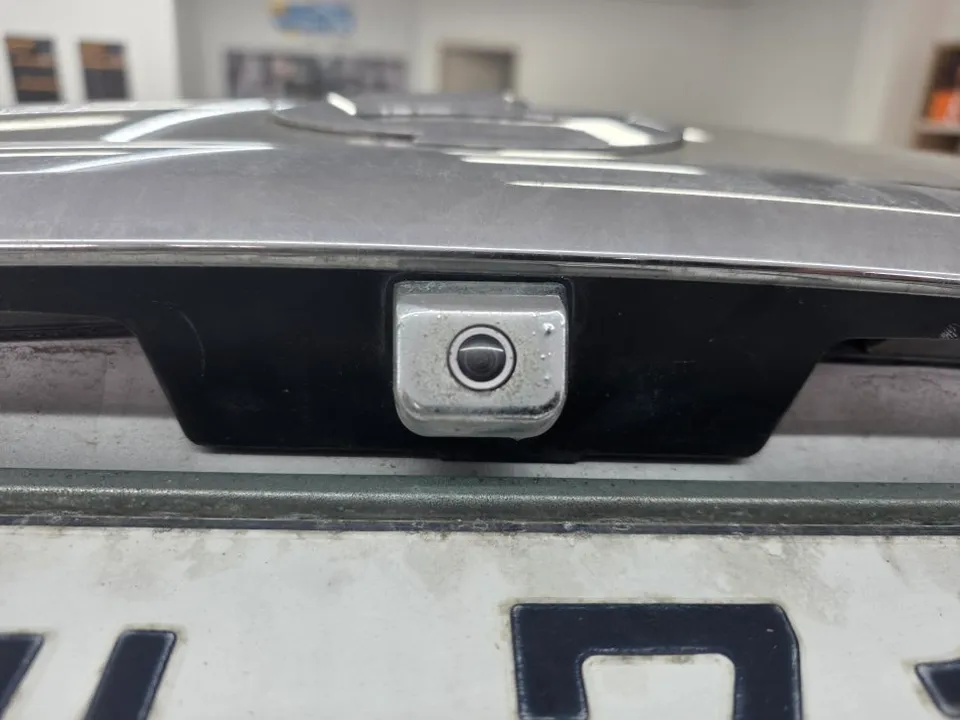
BMW M5 OEM options installation: Cost varies, often over ₩1,000,000. Seamless integration and guaranteed performance.
Upgrading Your BMW M5 with OEM Options
When it comes to enhancing your BMW M5, the allure of factory-approved upgrades, often referred to as OEM options or factory option retrofits, is strong. These aren't just aftermarket add-ons; they are components designed and tested by BMW to integrate seamlessly with your vehicle's existing systems. This review delves into the practical aspects of pursuing these factory upgrades for your M5, covering installation, cost, durability, and whether the investment truly pays off. While the original context for this review comes from a service performed in South Korea, the principles and considerations for OEM options are universal for BMW owners.
Understanding OEM Options vs. Aftermarket
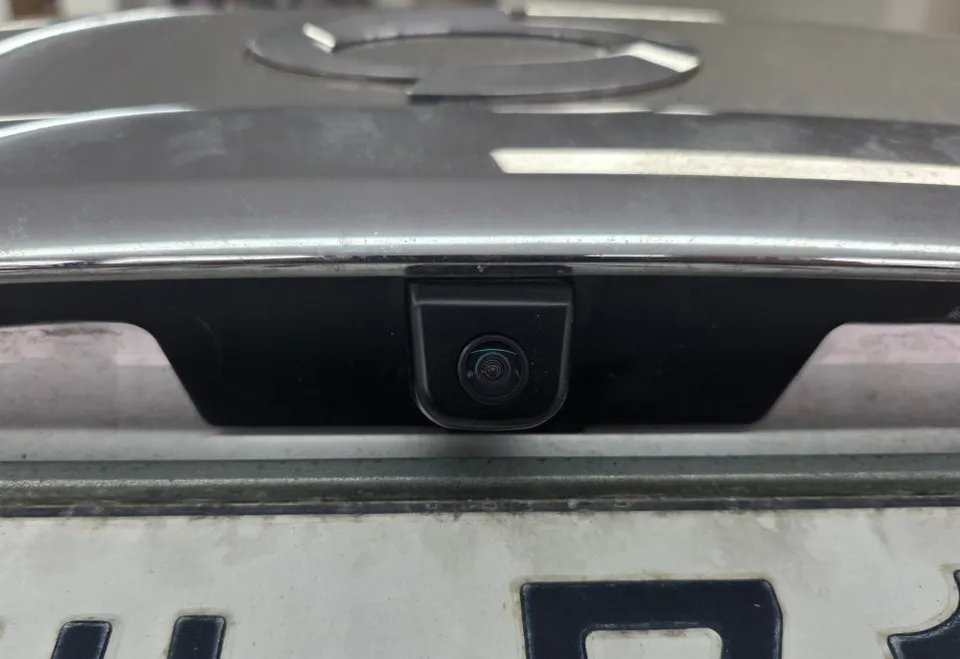
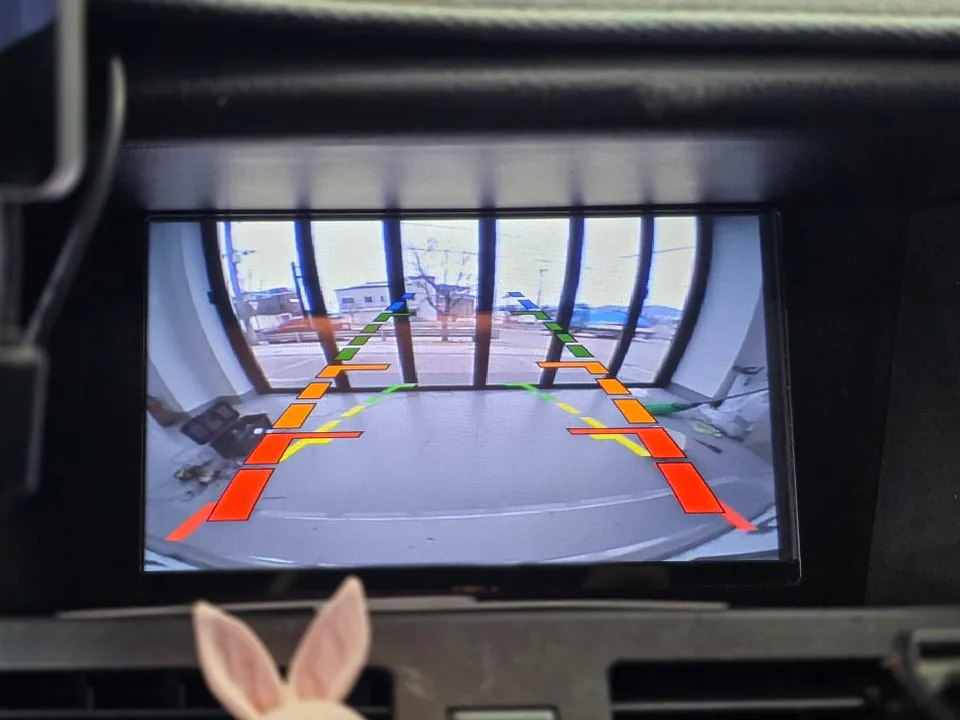
Choosing OEM options means opting for parts that are identical or equivalent to those offered on higher trim levels or as factory-installed features. This could range from advanced driver-assistance systems to premium audio components or aesthetic enhancements. The primary advantage is guaranteed compatibility and adherence to BMW's stringent quality and safety standards. A dealer option retrofit ensures that the parts are sourced directly from the manufacturer, maintaining the vehicle's integrity and often preserving warranty coverage. Unlike many aftermarket solutions, OEM options are designed to work harmoniously with your M5's complex electronics and software, minimizing the risk of glitches or performance issues. The durability of these components is typically on par with the original parts, meaning they are built to last the lifetime of the vehicle with standard maintenance. For instance, if you're considering a factory upgrade for your M5's parking assistance, an OEM solution will integrate perfectly with the car's existing sensors and displays, offering a reliable and intuitive user experience.
Installation Process and Considerations
The installation of OEM options on a BMW M5 is a specialized process that requires expertise. It's not a simple plug-and-play operation for most features. The process typically involves:
- Diagnostic and Planning: A thorough check of the M5's current configuration and the specific OEM option's requirements.
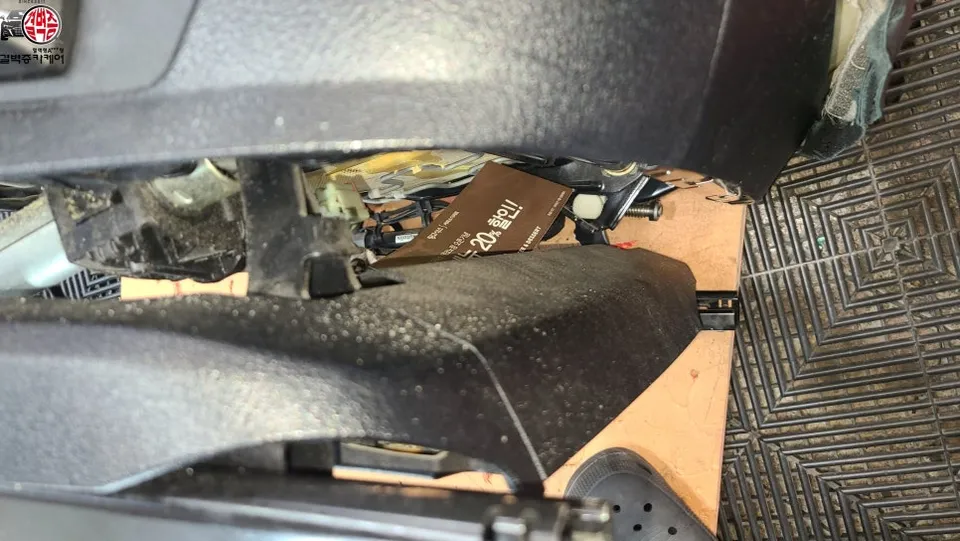
- Component Integration: Installing the physical parts, which may involve removing interior panels, routing wiring harnesses, and connecting to the vehicle's CAN bus system.
- Software Coding: This is a crucial step where the M5's onboard computer is programmed to recognize and operate the new option. Without proper coding, the feature will not function correctly, or at all.
- Testing and Calibration: Verifying that the new option works as intended and calibrating any sensors or systems involved.
The time required can vary significantly, from a few hours for simpler upgrades to a full day or more for complex systems. The cost of OEM options and their installation can also be substantial. While specific pricing varies greatly depending on the option and region, expect costs to be higher than comparable aftermarket parts due to the genuine nature of the components and the specialized labor involved. For example, a factory upgrade like an enhanced parking camera system might cost upwards of ₩1,000,000 (approximately $750 USD) in South Korea, including professional installation and coding. It's essential to get a detailed quote from a reputable dealer or a specialist workshop familiar with BMW retrofits.
Is a BMW M5 Factory Upgrade Worth It?
Deciding whether to pursue OEM options for your BMW M5 hinges on your priorities. If you value seamless integration, guaranteed performance, and maintaining the car's original character and potential resale value, then a factory upgrade is often the best route. The 'before and after' results are typically subtle yet significant, enhancing functionality without compromising the driving experience. Durability is a major plus; these parts are built to BMW's standards. However, the cost is a significant factor. For budget-conscious owners, certain aftermarket solutions might offer similar functionality at a lower price point, though often with compromises in quality or integration. Ultimately, if the specific OEM option offers a feature you genuinely need or significantly enhances your enjoyment of the M5, and you can afford the investment, it's likely a worthwhile endeavor. It transforms the car by adding features that make it more convenient, safer, or enjoyable to drive.
Frequently Asked Questions
Q. How much does OEM option and factory upgrade installation cost for a BMW M5?
The cost for OEM options and factory upgrades on a BMW M5 can vary significantly, but expect prices upwards of ₩1,000,000 (approx. $750 USD) for parts and professional installation and coding. Typical US pricing for such retrofits can range from several hundred to several thousand dollars depending on the complexity of the option.
Q. How long does OEM options installation take on a BMW M5?
OEM options installation on a BMW M5 can take anywhere from a few hours for simpler features to a full day or more for complex systems requiring extensive integration and software coding. These factory-installed options are designed for long-term durability, often lasting the lifetime of the vehicle with minimal maintenance beyond standard vehicle upkeep.
Q. Are OEM options worth adding after purchase for a BMW M5?
OEM options are most worth it for BMW M5 owners who prioritize seamless integration, guaranteed performance, and maintaining the vehicle's original integrity and resale value. They offer a significant enhancement in functionality and user experience, making them a valuable investment for those seeking specific factory-level features.
Q. How are OEM factory options installed on a BMW M5?
OEM factory options are installed through a multi-step process: 1. Diagnostic checks and planning to ensure compatibility. 2. Physical component integration, which may involve interior disassembly. 3. Crucial software coding to enable the new feature. 4. Thorough testing and calibration to confirm proper function.
Q. What is the difference between dealer-installed options and aftermarket upgrades for a BMW M5?
The key difference is that dealer-installed OEM options are genuine BMW parts designed for perfect integration and guaranteed compatibility, whereas aftermarket upgrades are made by third-party manufacturers and may not offer the same level of fit, finish, or system compatibility. For a BMW M5, choosing OEM options is generally recommended for reliability and seamless operation.
OhCar Partner Shop