BMW X5 Ventilated Seats Review: Cost & Results
Service Price
$40–80
Estimated price · Actual price may vary by shop
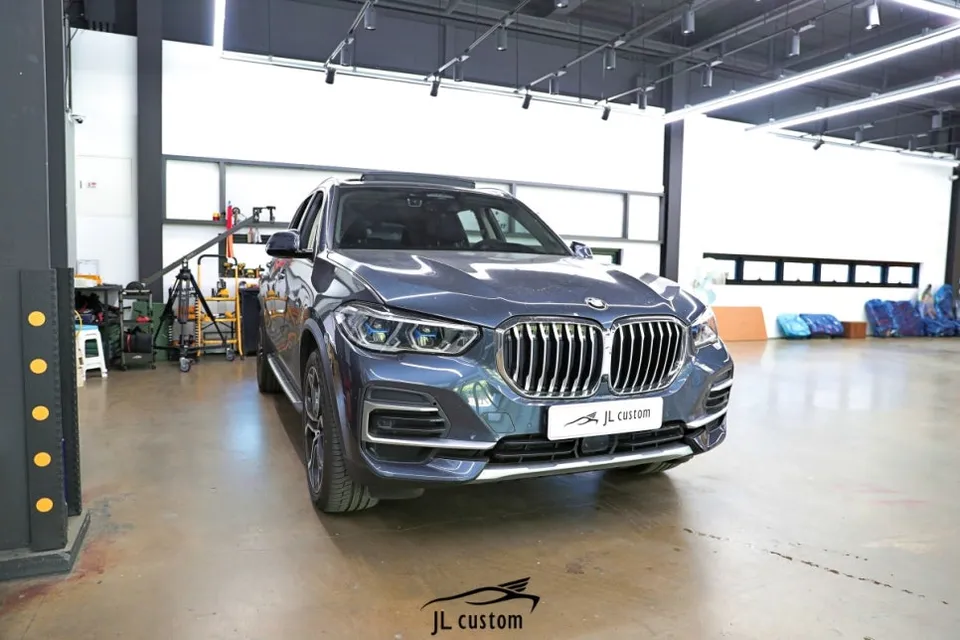
BMW X5 seat ventilation & heating retrofit: ~$300-$600. Enhances comfort significantly during hot weather.
Upgrade Your BMW X5 with Seat Ventilation and Heating
Are you a BMW X5 owner dreading the summer heat? Long drives can quickly become uncomfortable when the cabin heats up, especially for passengers. This review delves into the benefits and process of installing seat ventilation and heating systems, transforming your X5 into a more comfortable driving machine. We'll explore why this upgrade is considered essential for many, covering the installation, results, and what you need to consider.
The primary goal of a seat climate upgrade is to combat the discomfort caused by high temperatures. For a vehicle like the BMW X5, with its spacious interior, the impact of effective seat cooling is amplified. It rapidly dissipates the heat absorbed by the leather seats, promoting better air circulation and reducing fatigue on extended journeys. The installation discussed here focuses on both the driver and front passenger seats, aiming to integrate the new functionality seamlessly with the existing seat design through optimized perforation.
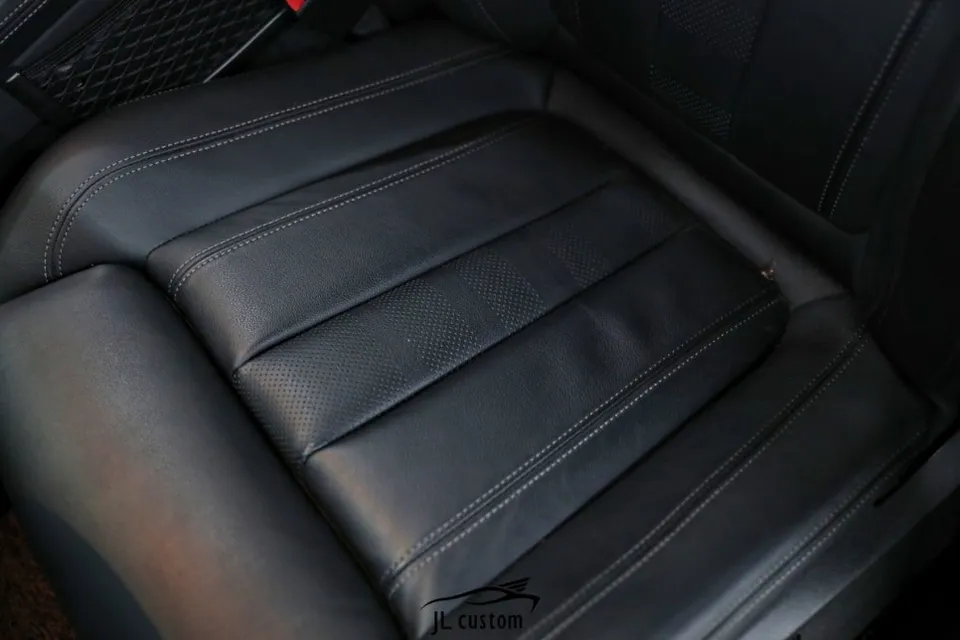
[IMAGE_1]Before Seat Ventilation Installation on BMW X5
The focus is on enhancing functionality without compromising the original seat aesthetics.
The Importance of Perforation for Seat Climate Control
A critical aspect of any seat ventilation installation is the perforation process. The type of leather and the design of each seat vary, making precise perforation placement and size crucial. Improperly done, it can lead to an unappealing visual effect or significantly reduce the system's efficiency. Skilled technicians are essential to ensure the perforations enhance airflow without detracting from the seat's inherent texture and quality. Data suggests that installations performed by experienced professionals result in higher owner satisfaction.
Optimized perforation is key to maximizing the performance of your ventilated seats. It ensures that the cool air can effectively reach the occupants, providing a noticeable difference in comfort during hot weather.
[IMAGE_2]Detailed Perforation Process for Seat Ventilation
Perforations are carefully executed based on the specific characteristics of the vehicle's seats.
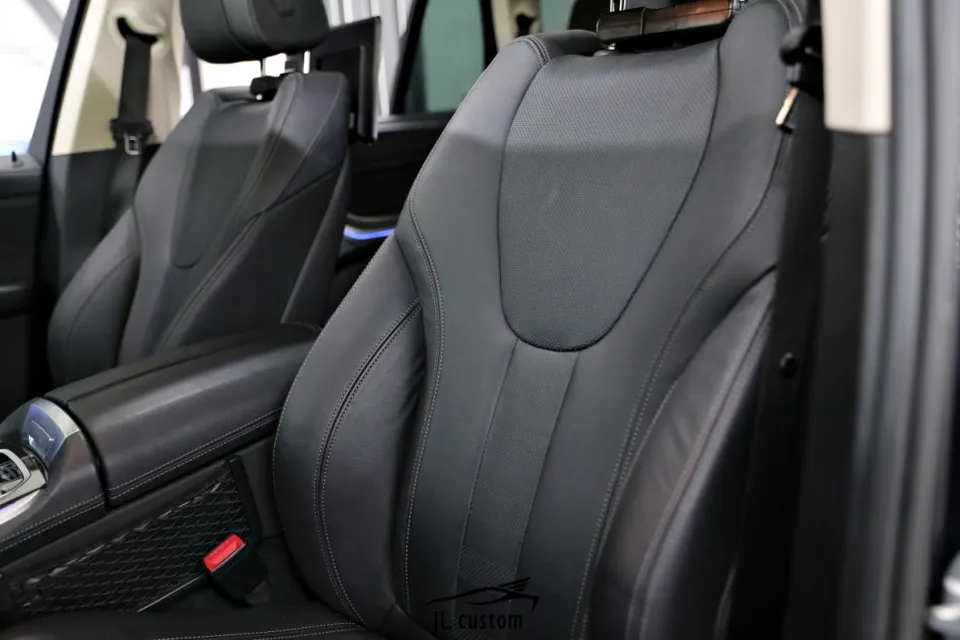
Seamless Integration and Powerful Airflow
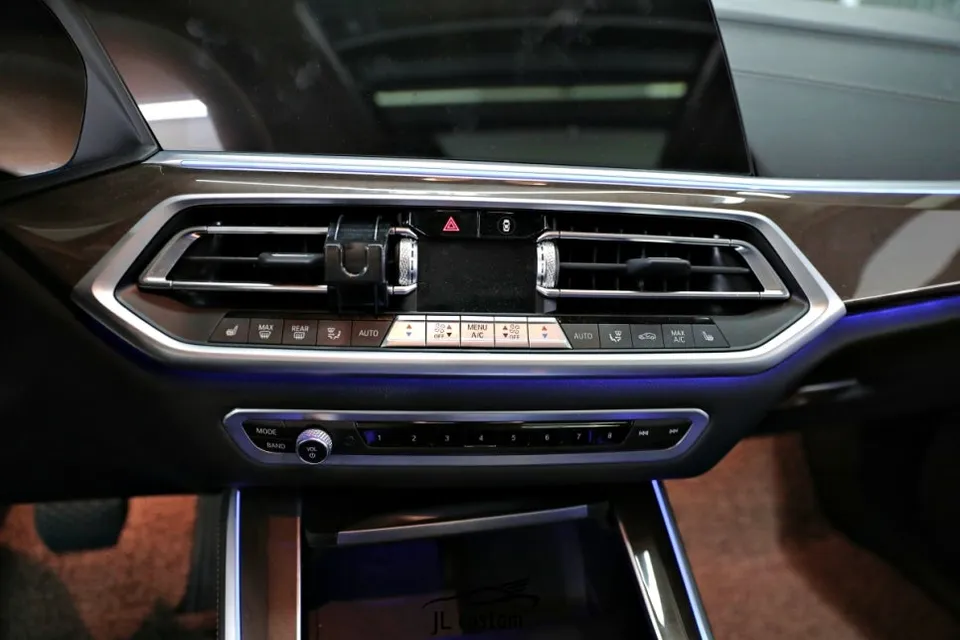
This particular installation utilized a method that integrates with the vehicle's existing climate control system. This means the original heating controls are maintained, and ventilation functions are added discreetly, often through existing buttons or a seamlessly integrated new control. This approach preserves the interior's cohesive look and feel, avoiding the need for unsightly aftermarket switch installations. The system typically includes multiple cooling fans per seat (e.g., four per seat, totaling eight) to ensure robust airflow. For those seeking even more powerful cooling, additional fans can often be installed. The design of the air ducts is optimized to minimize noise and vibration while delivering cool air effectively to both the back and seating areas, maximizing overall comfort.
Installation Process:
- Seat Disassembly: The seat covers are carefully removed to access the underlying structure.
- Perforation: Precise holes are made in the leather according to the design and airflow requirements.
- Fan and Duct Installation: Cooling units and air ducts are strategically placed within the seat cushion and backrest.
- Wiring and Integration: The system is wired to the vehicle's power and climate controls.
- Reassembly: Seat covers are reinstalled, and final checks are performed.
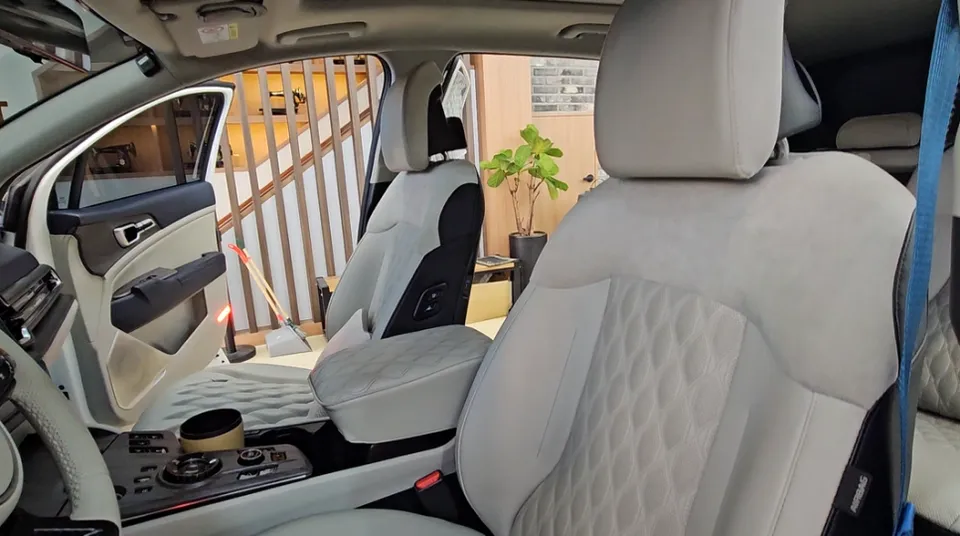
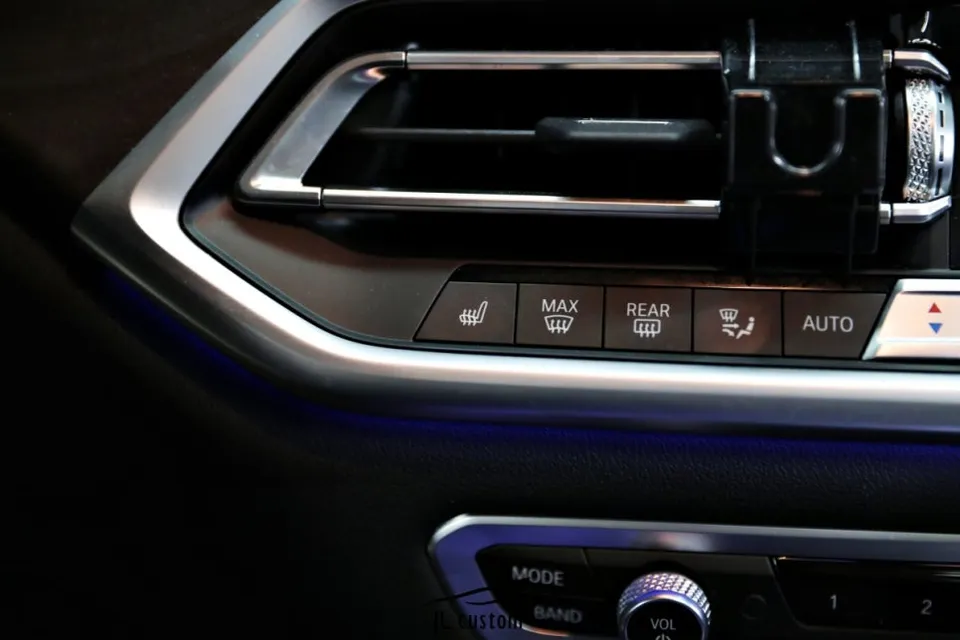
Integrated Controls for Seat Climate Functions
Ventilation controls are designed to work harmoniously with existing heating functions.
[IMAGE_4]Cooling Fan and Air Duct System Components
Engineered for strong airflow and quiet operation.
Considering the Seat Ventilation & Heating Cost and Value
The cost for a seat ventilation and heating retrofit can vary. In Korea, the estimated price for this type of upgrade on a BMW X5 can range from approximately ₩400,000 to ₩800,000 (roughly $300-$600 USD, subject to exchange rates and specific components). This investment provides a significant boost in driving comfort, especially during warmer months. While the initial cost is a factor, the long-term benefits of enhanced comfort and reduced driving fatigue often make it a worthwhile upgrade for many BMW X5 owners. Durability is generally good with quality installations, and basic maintenance involves keeping the perforated areas clean.
When deciding if seat climate control is worth it for your BMW X5, consider your typical driving conditions and how much you value comfort. If you frequently drive in hot climates or spend long hours in your vehicle, the investment can greatly enhance your ownership experience. The upgrade adds a premium feature that rivals factory-installed options, improving both comfort and potentially resale value.
Frequently Asked Questions
Q. How much does ventilated seat installation cost for a BMW X5?
The cost for seat ventilation and heating installation on a BMW X5 in Korea typically ranges from ₩400,000 to ₩800,000 (approximately $300-$600 USD). The average cost for similar aftermarket seat cooling retrofits in the US can range from $400 to $1,200 per seat, depending on the vehicle and system complexity.
Q. How long does seat ventilation installation take on a BMW X5?
The durability of aftermarket ventilated seats is generally good, often lasting many years with proper care. Basic maintenance involves regularly cleaning the perforated areas to ensure optimal airflow and prevent clogging.
Q. Are aftermarket ventilated seats worth it for a BMW X5?
Aftermarket ventilated seats are highly recommended for BMW X5 owners who frequently drive in hot climates or experience discomfort from heat buildup. The significant improvement in driving comfort and reduced fatigue often justifies the investment.
Q. How are ventilated seats installed in a BMW X5?
Installation involves carefully disassembling seat covers, precisely perforating the leather, installing cooling fans and air ducts within the seat structure, wiring the system to the vehicle's controls, and finally reassembling the seats.
Q. What is the difference between OEM and aftermarket ventilated seats for a BMW X5?
OEM (Original Equipment Manufacturer) ventilated seats are factory-integrated with seamless controls and guaranteed compatibility. Aftermarket installations, while potentially more affordable, rely on specialized installers to integrate the system, often using custom solutions for controls and airflow.
OhCar Partner Shop