Hyundai IONIQ 5 Seat Climate Upgrade Review
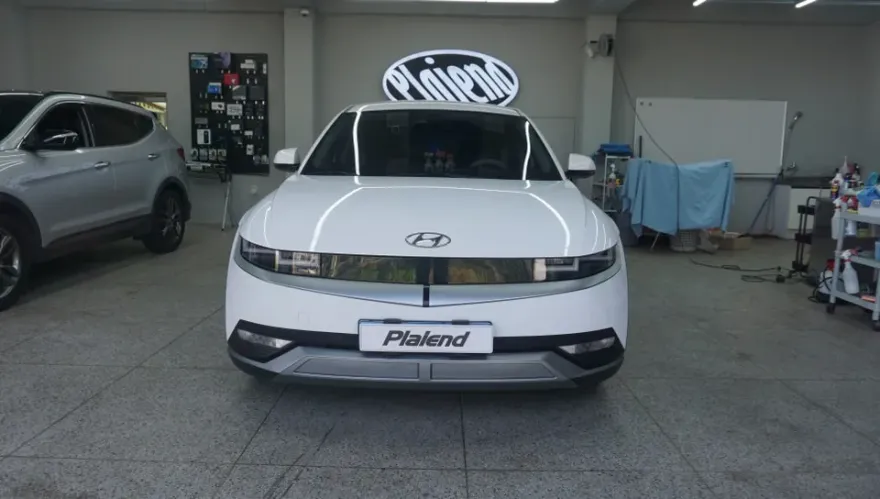

IONIQ 5 seat climate upgrade: Retrofit OEM heated & ventilated seats. Enhances comfort for families.
Enhancing Your IONIQ 5 with Seat Climate Control
For many Hyundai IONIQ 5 owners, particularly those with families, the lack of rear seat heating and ventilation can be a significant drawback. While higher trim levels might include these features, many popular configurations do not. This review explores the process of retrofitting genuine OEM seat heating and ventilation systems, transforming your IONIQ 5 into a more comfortable and versatile vehicle, especially during extreme weather. The original context for this work comes from a professional installation in Jeju, South Korea, where the focus was on achieving a factory-perfect finish using original parts.
Installation Process and Results
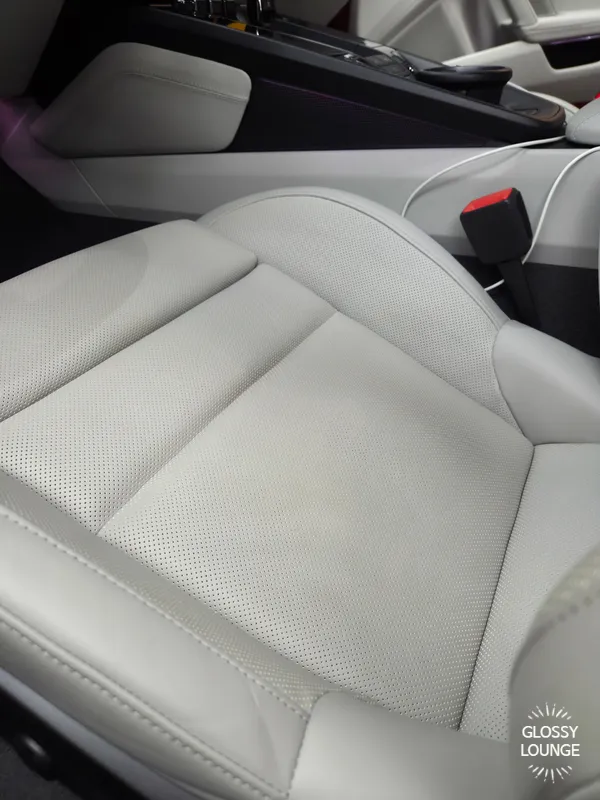
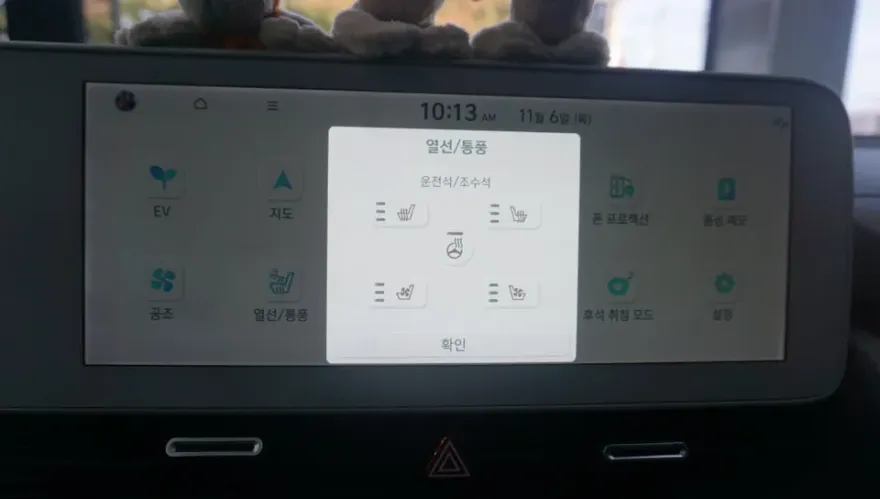
The installation of seat ventilation and heating systems in the Hyundai IONIQ 5 involves integrating the necessary components to mimic the factory setup. The specific method can vary slightly depending on whether the vehicle is equipped with the original switch controls. The goal is always to ensure seamless integration with the vehicle's existing electrical system and interior aesthetics. This process typically involves careful disassembly of the seats, installation of heating elements and ventilation fans, and connecting them to the power source and control modules. The result is a fully functional seat climate system that provides both warmth in the winter and cooling in the summer, significantly enhancing passenger comfort.
Installation process:
- Seat disassembly and preparation.
- Integration of heating pads and ventilation fans within the seat cushions and backrests.
- Wiring the components to the vehicle's power supply and control switches.
- Testing the system for proper functionality and safety.
- Reassembly of the seats to their original condition.

Durability, Maintenance, and Value
When using genuine OEM parts and professional installation, the durability of retrofitted seat ventilation and heating systems is comparable to factory-installed options. These systems are designed to withstand regular use. Maintenance is generally minimal, usually involving keeping the seat surfaces clean and ensuring no obstructions block the ventilation outlets. For families, especially those in climates with hot summers or cold winters, the added comfort and convenience provided by ventilated and heated seats can be invaluable. While there is an upfront Seat Ventilation & Heating cost, the long-term benefits in terms of passenger satisfaction and overall vehicle comfort often make it a worthwhile investment. The original installation in South Korea focused on achieving a factory-like finish, ensuring both performance and longevity.
Frequently Asked Questions
Q. How much does ventilated seat installation cost for a Hyundai IONIQ 5?
The original installation was performed in South Korea, with costs typically ranging from ₩500,000 to ₩1,000,000 (approximately $370-$740 USD). In the US, expect prices to be in a similar or higher range depending on the installer and parts used.
Q. How long does seat ventilation installation take on a Hyundai IONIQ 5?
The durability of these systems is generally excellent when installed with OEM parts, lasting many years with proper care. Minimal maintenance is required, primarily keeping the seat surfaces clean and ensuring ventilation ports are unobstructed.
Q. Are aftermarket ventilated seats worth it for a Hyundai IONIQ 5?
Ventilated and heated seats are most beneficial for families or individuals who frequently travel in extreme climates. The significant increase in passenger comfort and luxury makes the investment worthwhile for many owners.
Q. How are ventilated seats installed in a Hyundai IONIQ 5?
Installation involves carefully disassembling the seats to integrate heating elements and ventilation fans. The components are then wired into the vehicle's electrical system and connected to control switches for operation.
Q. What is the difference between OEM and aftermarket ventilated seats for a Hyundai IONIQ 5?
OEM (Original Equipment Manufacturer) parts ensure perfect integration and performance matching factory standards, whereas aftermarket options may vary in quality and fit. For the best results and reliability, using OEM parts is recommended.
OhCar Partner Shop