BMW X7 OEM Options Review — Factory Upgrade Cost
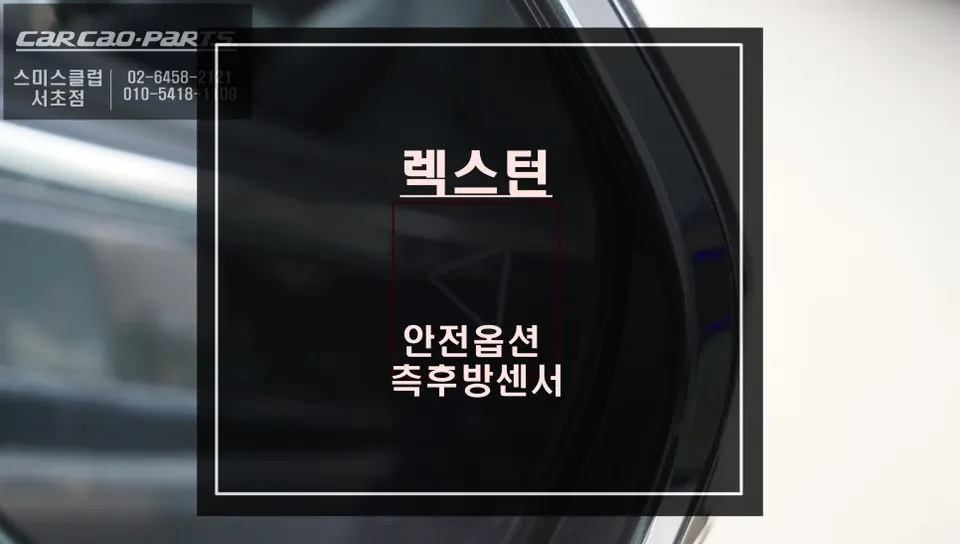

BMW X7 OEM options retrofit: Cost varies. Enhances safety and functionality with factory-integrated parts. Durability is excellent.
Enhancing Your BMW X7 with OEM Options
For owners of the luxurious BMW X7, maintaining its premium feel and functionality is paramount. While the X7 comes equipped with a host of advanced features, the allure of factory-installed options, often referred to as OEM options or factory upgrades, can be strong. These are not aftermarket additions but rather components designed and approved by BMW for seamless integration. This review delves into the specifics of retrofitting OEM options, focusing on the installation process, the tangible before and after results, the durability you can expect, and ultimately, whether these factory upgrades are a worthwhile investment for your X7.
Understanding OEM Options and Factory Upgrades
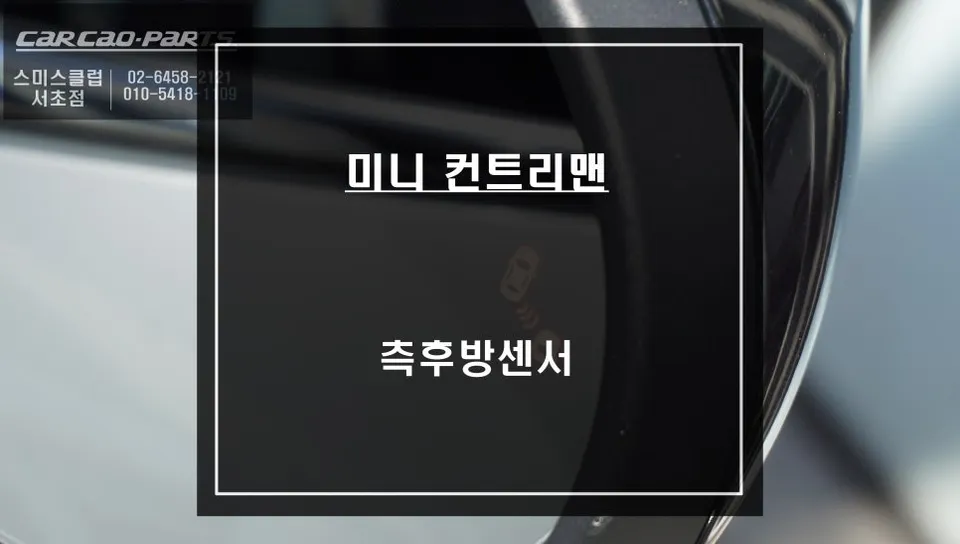
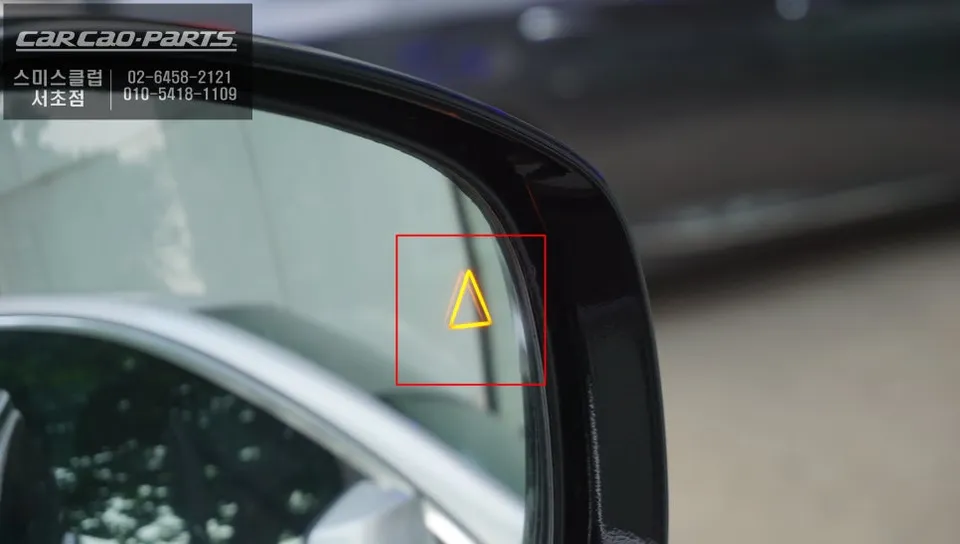
OEM options, or Original Equipment Manufacturer options, refer to parts and features that are designed and manufactured by or for BMW. When we talk about a factory option retrofit on a BMW X7, it means adding a feature that could have been originally specified from the factory but wasn't on your particular vehicle. This could range from advanced driver-assistance systems to enhanced interior comfort features. The key distinction from aftermarket parts is that OEM options are guaranteed to be compatible with your vehicle's existing systems and meet BMW's stringent quality standards. This ensures a perfect fit, consistent performance, and maintains the integrity of your vehicle's warranty. The original Korean context for this type of upgrade often highlights safety features, such as blind-spot monitoring sensors, which significantly contribute to collision prevention. While the specific vehicle in the Korean context was a SsangYong Rexton RX7, the principle of retrofitting safety-enhancing OEM options applies universally to luxury SUVs like the BMW X7.
Installation Process and Expected Results
The installation of OEM options on a BMW X7 is typically performed by authorized dealerships or specialized workshops familiar with BMW's integrated electronics and vehicle architecture. The process requires precision and knowledge of the vehicle's wiring harnesses and control modules.
Installation process:
- Diagnostic and Planning: The process begins with confirming the compatibility of the desired OEM option with your specific X7 model and year. Technicians will assess the vehicle's existing systems to ensure a smooth integration.
- Component Installation: This involves physically installing the new components, which might include sensors, control units, or interior trim pieces, ensuring they are securely fitted and connected.
- Wiring and Integration: The new components are meticulously wired into the vehicle's existing electrical system. This often requires accessing and modifying specific harnesses and connecting to the vehicle's CAN bus system for communication.
- Software Configuration: Once the hardware is installed, the vehicle's software needs to be updated or reprogrammed to recognize and operate the new OEM option. This step is crucial for full functionality.
- Testing and Calibration: Finally, the installed option is thoroughly tested to ensure it functions correctly and is calibrated to BMW's specifications. For safety systems, this calibration is critical for accurate performance.
The before and after results are significant. For instance, retrofitting a blind-spot monitoring system provides visual and auditory warnings, drastically improving awareness of surrounding traffic, especially in the X7's larger blind spots. The durability of these OEM options is generally excellent, as they are built to the same standards as the original parts. Maintenance is typically minimal, often involving keeping sensors clean. The materials used are genuine BMW parts, ensuring they match the quality and aesthetics of the rest of your vehicle.

Is Retrofitting OEM Options Worth It for Your BMW X7?
Deciding whether to retrofit OEM options on your BMW X7 involves weighing the cost against the benefits. While these upgrades can be more expensive than aftermarket alternatives, the advantages of perfect integration, guaranteed compatibility, and maintained vehicle warranty are substantial. For safety-critical systems, the reliability and performance of OEM options offer peace of mind that is hard to match. If you prioritize the highest level of integration, long-term reliability, and maintaining your vehicle's resale value, investing in factory option retrofits for your BMW X7 is often a sound decision. The original Korean context emphasizes how such safety options greatly aid in preventing collisions, highlighting the functional value beyond mere aesthetics.

Frequently Asked Questions
Q. How much does OEM option and factory upgrade installation cost for a BMW X7?
The cost for OEM options and factory upgrades on a BMW X7 can vary significantly depending on the specific feature, but expect prices to be higher than aftermarket alternatives. While specific pricing for the US market isn't detailed here, retrofitting such options typically ranges from several hundred to several thousand dollars.
Q. How long does OEM options installation take on a BMW X7?
The durability of OEM options is generally excellent, designed to last the lifetime of the vehicle with minimal degradation. For maintenance, simply ensure any external sensors are kept clean from dirt and debris.
Q. Are OEM options worth adding after purchase for a BMW X7?
OEM options are most beneficial for drivers who prioritize seamless integration, guaranteed compatibility, and maintaining their vehicle's warranty and resale value. If you seek the highest level of reliability and performance for added safety or convenience features, they represent a strong value proposition.
Q. How are OEM factory options installed on a BMW X7?
OEM factory options are installed through a multi-step process: 1. The vehicle is diagnosed to confirm compatibility. 2. Physical components are installed and connected. 3. Wiring is integrated into the existing electrical system. 4. Vehicle software is updated to recognize the new option. 5. The system is tested and calibrated for proper function.
Q. What is the difference between dealer-installed options and aftermarket upgrades for a BMW X7?
Dealer-installed OEM options are designed and approved by BMW for perfect integration and guaranteed compatibility, often maintaining your warranty. Aftermarket upgrades are made by third-party companies, offering potentially lower costs but carrying risks of compatibility issues and potential warranty impacts.
Kakao Parts