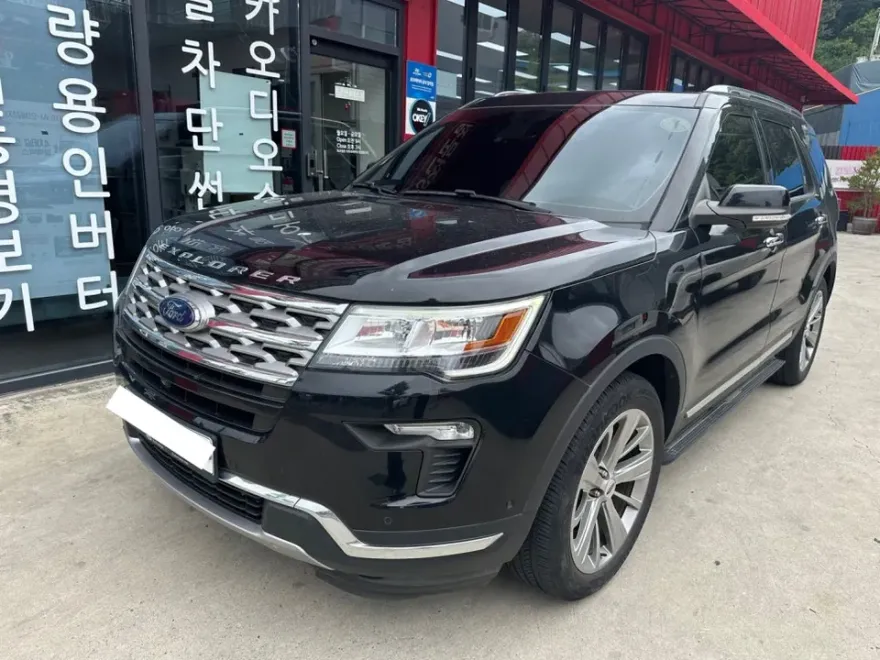
Ford Explorer 5th Gen OEM Options Review: Cost & Results
Service Price
$115–150
Estimated price · Actual price may vary by shop
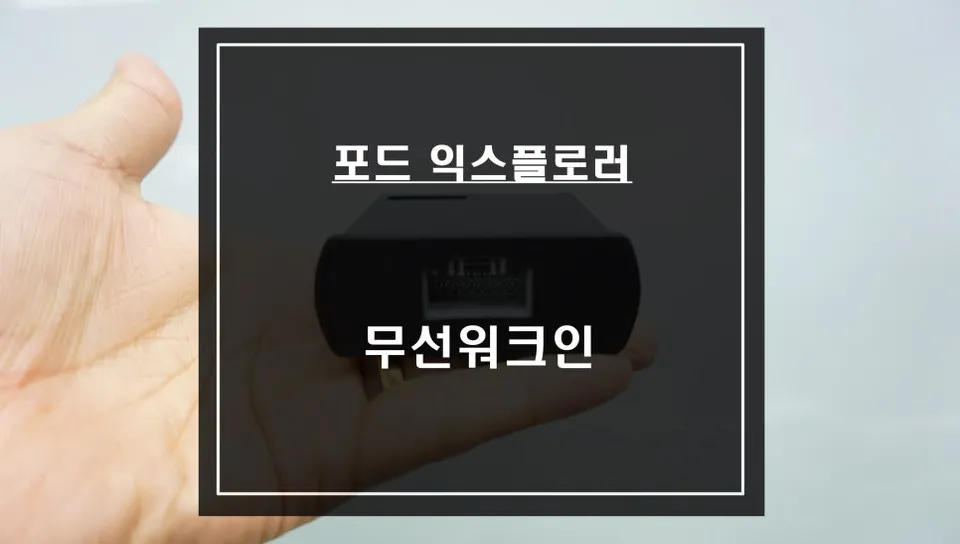
Ford Explorer 5th Gen wireless walk-in switch installation: $115-$150. Enhances passenger comfort without seat modification.
Enhancing Your Ford Explorer 5th Gen with OEM Options
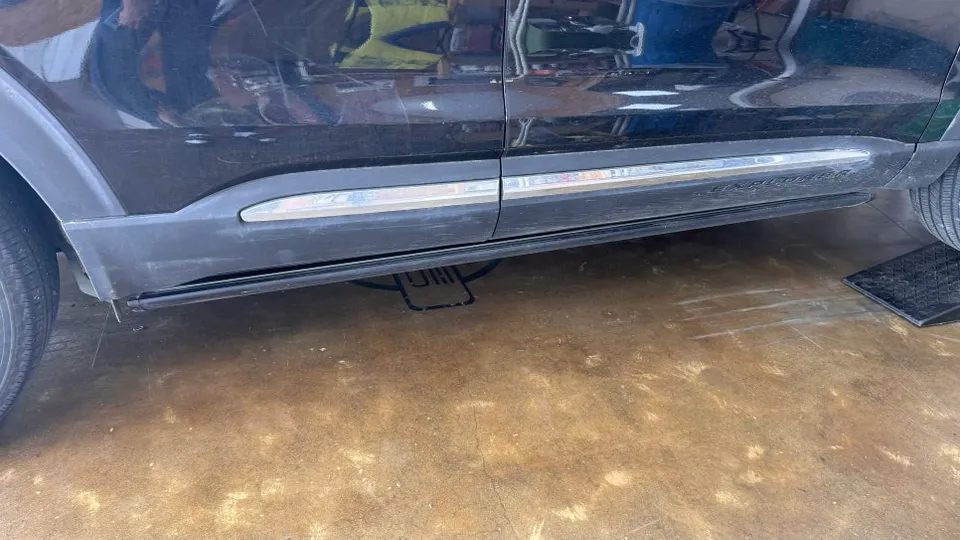
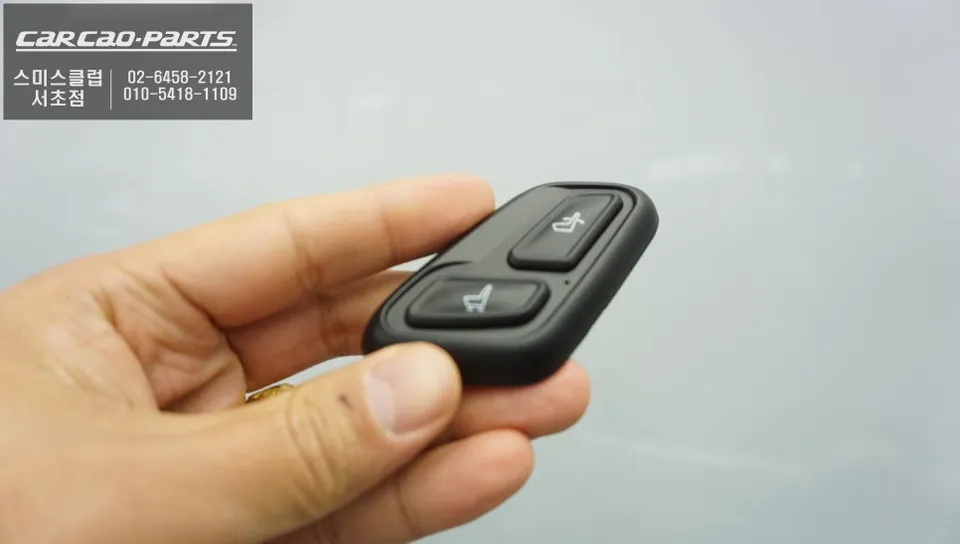
For owners of the Ford Explorer 5th Generation who frequently carry passengers, the convenience of the front passenger seat is paramount. Features like a "walk-in" function, which automatically moves the seat forward to create more space for entry and exit, significantly enhance usability. Traditionally, adding such features often involved cutting into the original seat upholstery, a prospect many owners find unappealing. However, a modern solution offers a way to integrate these conveniences without compromising the factory integrity of your vehicle. This review explores the installation of a wireless walk-in switch, a type of OEM option retrofit, on a Ford Explorer 5th Gen, focusing on its benefits, installation process, and overall value.
Wireless Walk-In Switch vs. Traditional Seat Modification
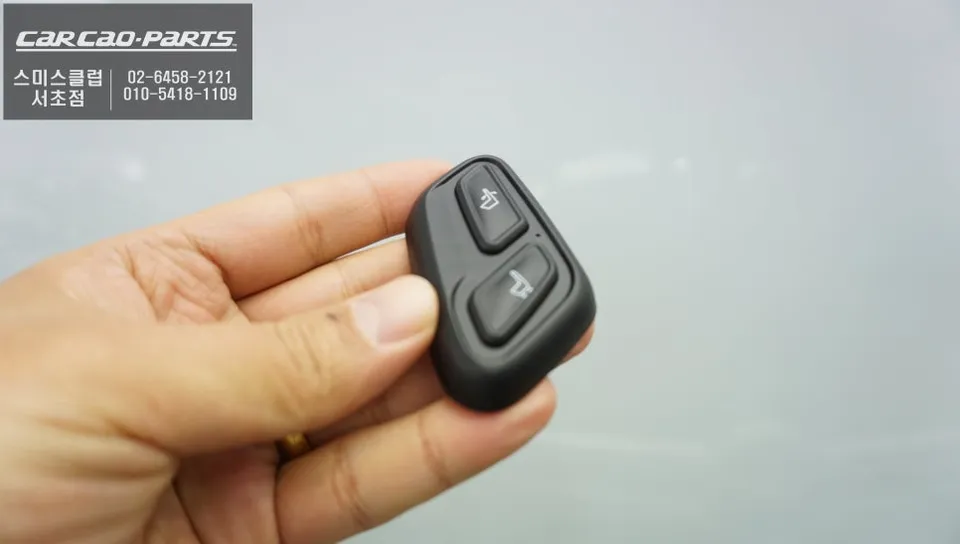
The primary concern when adding convenience options to a car's interior often revolves around whether the original components will be altered. Traditional methods for installing a walk-in switch typically require disassembling the passenger seat, cutting into the factory seat material, and reconfiguring wiring harnesses. This process not only risks damaging the original seat structure but also complicates any future need for restoration. The wireless approach completely bypasses these concerns. It involves a clean installation of a control module behind the passenger seat panel, preserving the original wiring and seat structure. The wireless switch itself can be placed in a convenient location for the driver, offering flexibility and the ability to remove it when not needed. A key advantage of this method is its reversibility, making it a favorable option for resale value.
Installation Process: Wireless Walk-In Switch on Ford Explorer 5th Gen
The installation process for a wireless walk-in switch on a Ford Explorer 5th Gen is designed to be non-invasive. The specific vehicle in the original context was a 5.5 generation model, requested by a customer who prioritized passenger comfort without altering the car's original state. The steps involved are as follows:
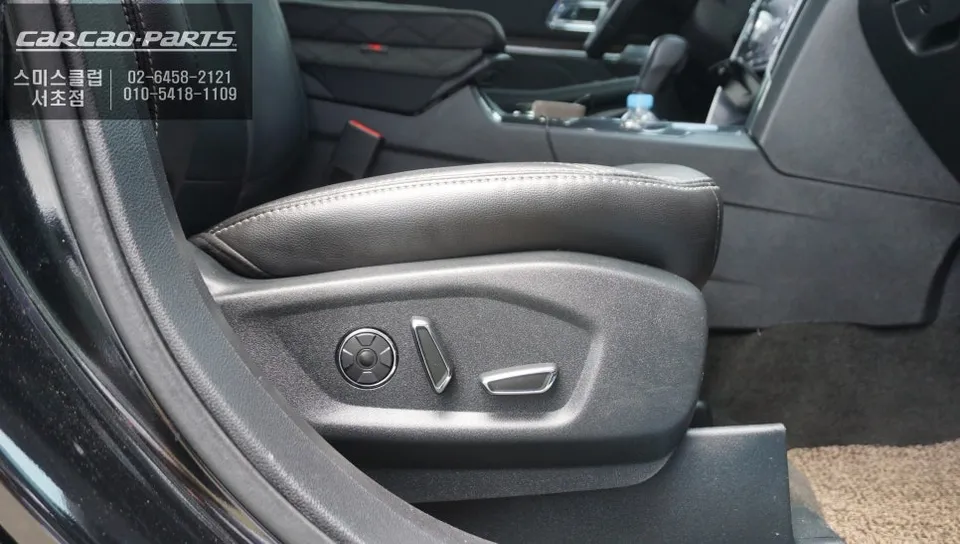
- Accessing the Seat Controls: The first step involves carefully removing the passenger seat's side cover to gain access to the underlying control modules and wiring.
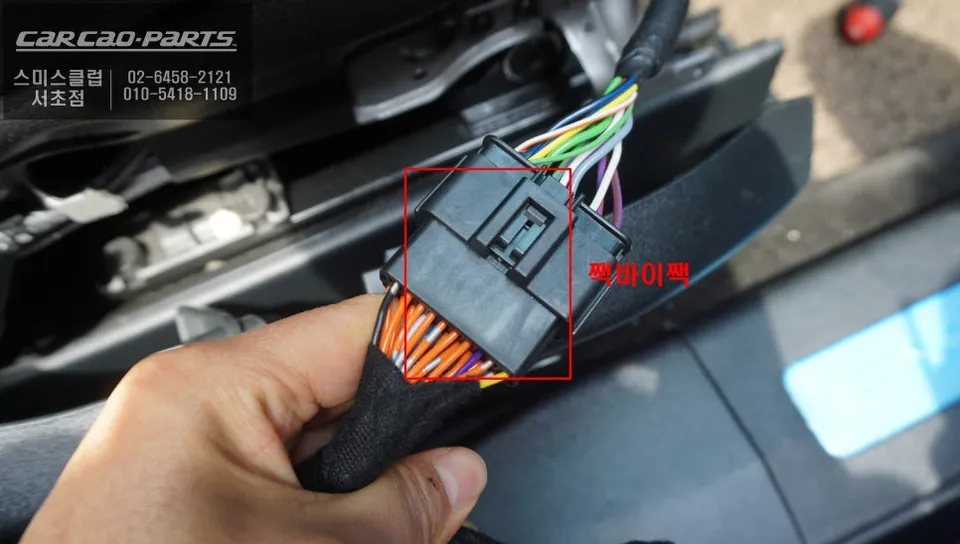
- Detaching the Switch Panel: The original passenger seat control panel is then meticulously detached. Care is taken during this step to avoid any damage to the factory wiring harness.
- Installing the Module: The wireless walk-in control module is installed in a discreet location, typically beneath the passenger seat, ensuring it remains hidden from view while allowing for easy maintenance. This module connects independently of the original wiring.
- Positioning the Wireless Switch: The wireless switch is then affixed to a location convenient for the driver, such as near the steering wheel or on the center console armrest. Its placement is flexible, and it can be moved or stored as needed.
- Testing and Reassembly: Finally, the system's functionality is thoroughly tested to ensure smooth seat movement via the wireless switch. Once confirmed, the seat covers and panels are reassembled, restoring the interior to its original appearance, now enhanced with the new convenience feature.
The entire process, as performed in the original Korean context, took approximately 3-4 hours and did not require any special curing time, allowing immediate use after installation.
Cost and Value of OEM Options
The cost for installing a wireless walk-in switch, a type of factory option retrofit, on a Ford Explorer 5th Gen can vary. In the Korean market, the price range was noted as approximately 800,000 to 1,500,000 KRW (roughly $600-$1100 USD, depending on exchange rates). While the parts for this wireless system might be more expensive than components for a traditional, seat-cutting installation, the labor costs are often lower due to the simpler, non-invasive nature of the work. The estimated US price range for similar services is typically between $115–$150, though this can vary significantly based on the specific product and installer. Considering the benefit of enhanced passenger comfort and the preservation of the vehicle's original condition, many owners find this type of OEM option upgrade to be a worthwhile investment, especially for vehicles that frequently transport passengers.
Frequently Asked Questions
Q. How much does OEM option and factory upgrade installation cost for a Ford Explorer 5th Gen?
The estimated US price for this type of OEM option retrofit on a Ford Explorer 5th Gen is typically $115–$150. In Korea, similar installations ranged from 800,000 to 1,500,000 KRW.
Q. How long does OEM options installation take on a Ford Explorer 5th Gen?
Installation of OEM options like a wireless walk-in switch typically takes around 3-4 hours. The system is designed for durability and requires no special maintenance beyond occasional cleaning of the switch.
Q. Are OEM options worth adding after purchase for a Ford Explorer 5th Gen?
OEM options like a wireless walk-in switch are particularly worth it for Ford Explorer 5th Gen owners who frequently have passengers, as it significantly enhances comfort and accessibility. The value lies in adding modern convenience without compromising the vehicle's original condition.
Q. How are OEM factory options installed on a Ford Explorer 5th Gen?
Installation typically involves carefully removing seat panels, connecting a control module independently of the factory wiring, and attaching a wireless switch. The process is designed to be non-invasive, preserving the original seat structure and wiring.
Q. What is the difference between dealer-installed options and aftermarket upgrades for a Ford Explorer 5th Gen?
Dealer-installed options, often referred to as OEM options or factory option retrofits, are typically designed to integrate seamlessly with the vehicle's existing systems and aesthetics. Aftermarket upgrades can vary widely in quality and integration, sometimes requiring more invasive installation methods.
Kakao Parts