Ford Explorer Oem Options Installation Review — Cost
Service Price
$40–80
Estimated price · Actual price may vary by shop
Before

After
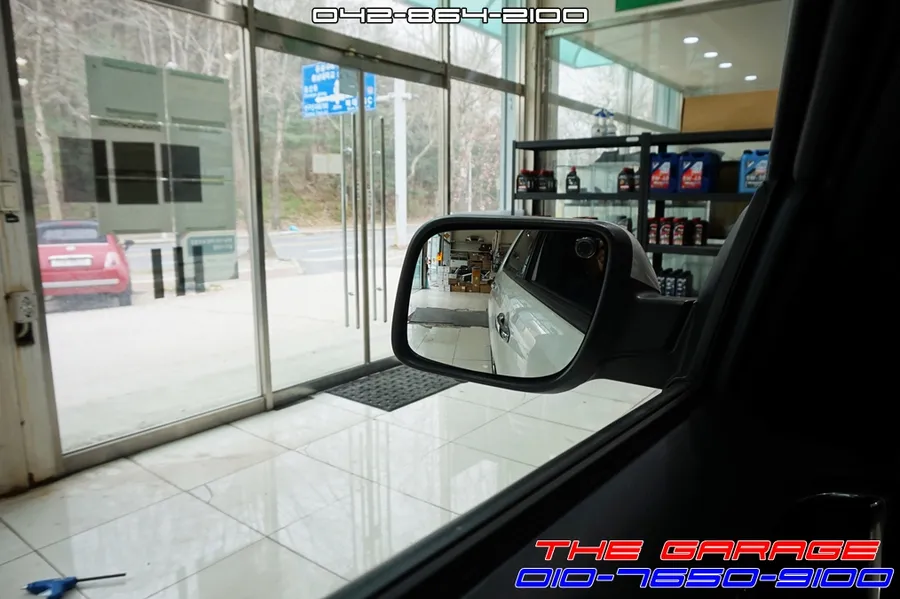
Process photos
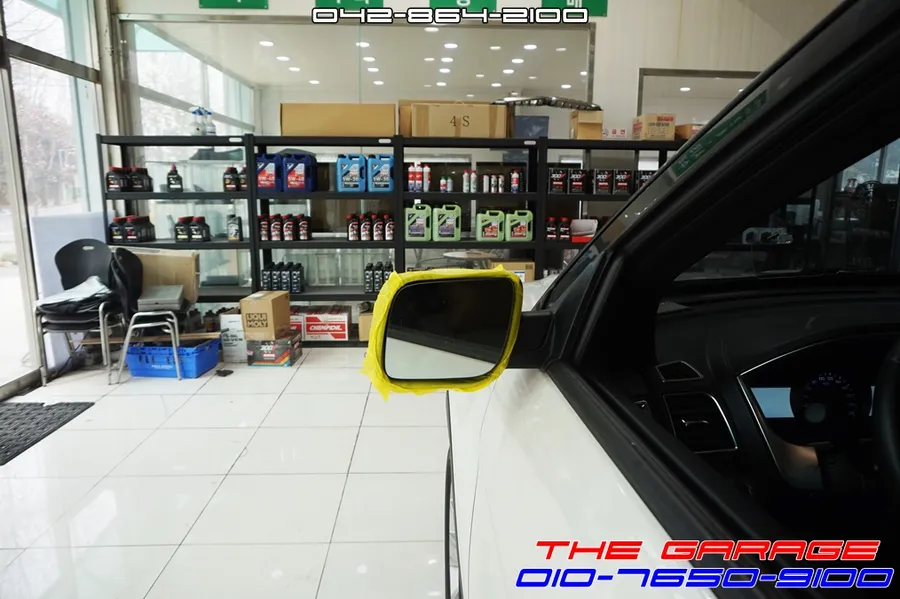
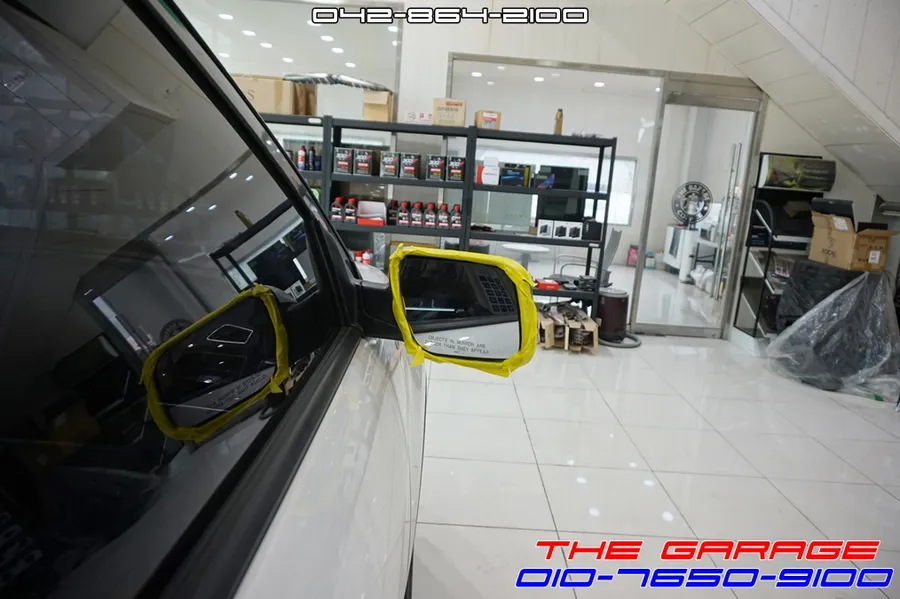
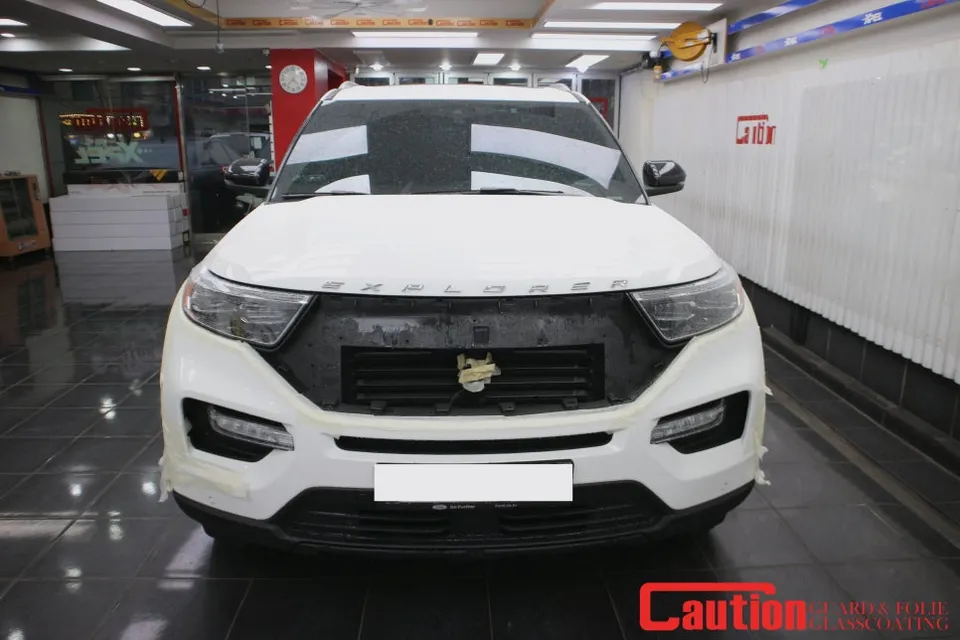
Ford Explorer wide-angle mirror upgrade: Improves visibility, reduces blind spots. Installation includes BSA sensor transfer.
Why Your Ford Explorer Needs Wide-Angle Mirrors
Driving a larger vehicle like the Ford Explorer means a greater emphasis on maintaining a wide field of vision. Standard side mirrors, while functional, often have limitations that create blind spots, especially during lane changes or when monitoring surrounding traffic. These blind spots can be a significant factor in potential accidents. The Optic Glass wide-angle mirror is designed to overcome these limitations, significantly expanding your view without distortion. This allows for quicker and more accurate recognition of vehicles in adjacent lanes and provides better situational awareness when parking. It's more than just an aesthetic upgrade; it's a crucial step towards safer driving, helping you protect yourself and your vehicle.
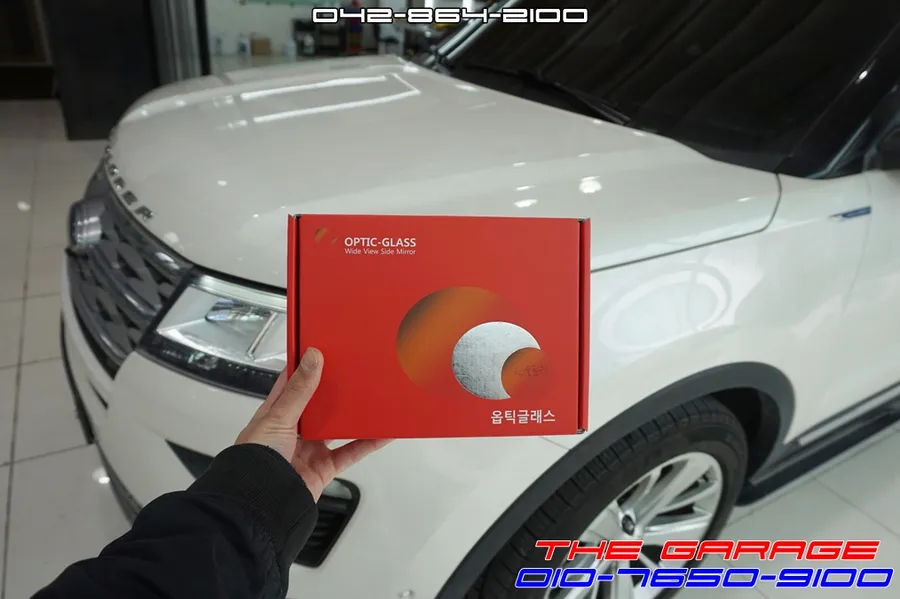
The Optic Glass Advantage for Ford Explorer
The market offers numerous wide-angle mirror options, but not all deliver the same quality. Inferior products can suffer from visual distortion or a wavy effect, which can actually hinder visibility and increase driver fatigue. Optic Glass, however, is engineered to address these issues, providing a clear, undistorted, and expansive view. A key benefit is its ability to seamlessly integrate with your Ford Explorer's existing features, including the Blind Spot Assist (BSA) LED warning system. This ensures that you don't lose any of your vehicle's original safety functions while enhancing your mirror's field of vision. Choosing a reputable brand like Optic Glass is essential for a reliable and effective upgrade.
Ford Explorer Wide-Angle Mirror Installation Process
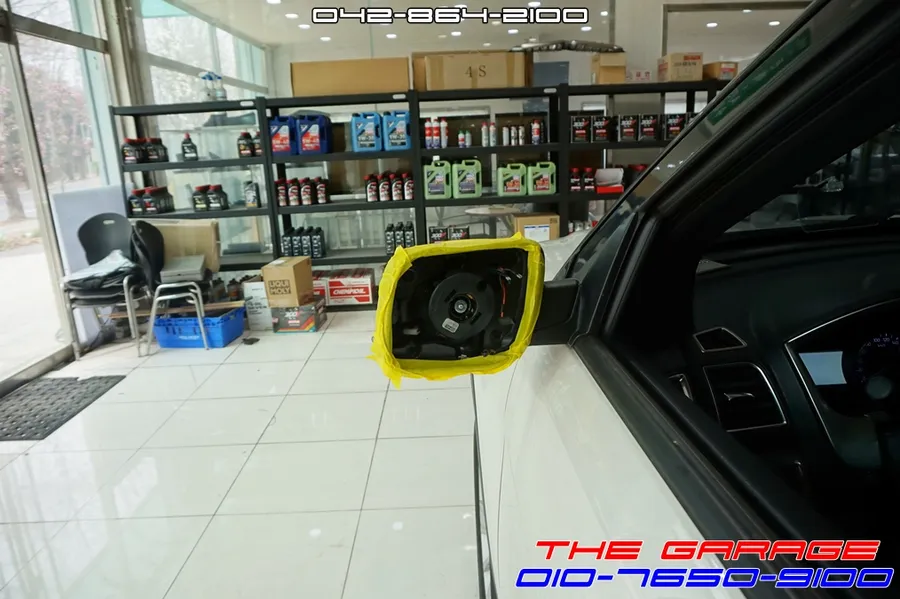
Installing Optic Glass wide-angle mirrors on a Ford Explorer requires precision and care. The process begins with meticulous masking of the vehicle's paintwork and existing mirrors to prevent any scratches during the installation. Following this, the original side mirrors are carefully removed. The crucial step involves transferring the LED sensor for the Blind Spot Assist system from the factory mirror to the new Optic Glass mirror, ensuring this safety feature remains fully functional. Once the sensor is properly transplanted, the new mirrors are securely fitted. Finally, protective films are removed, revealing the clear, wide-view mirrors. A final check confirms the BSA LED indicators operate correctly, signifying the completion of the installation.
Installation Process:
- Careful masking of the vehicle's body and existing mirrors to prevent damage.
- Gentle removal of the original factory side mirrors.
- Transferring the Blind Spot Assist (BSA) LED sensor to the new wide-angle mirror.
- Securely fitting the new Optic Glass wide-angle mirrors.
- Testing the BSA LED indicators to ensure full functionality.
Before and After: A Dramatically Expanded View
The most immediate and noticeable improvement after installing Optic Glass wide-angle mirrors on your Ford Explorer is the significant expansion of your visual field. Previously unseen areas, particularly the blind spots, become clearly visible. For instance, when changing lanes, you'll be able to detect approaching vehicles much earlier and with greater certainty. This enhanced awareness extends to navigating tight spaces and parking, making the entire driving experience safer and less stressful. The clarity and lack of distortion mean you can rely on the mirrors for accurate information, contributing to more confident and defensive driving.
Frequently Asked Questions
Q. How much does OEM option and factory upgrade installation cost for a Ford Explorer?
The Optic Glass wide-angle mirror installation for a Ford Explorer, as detailed in this review, was performed in Korea with an approximate cost of $40–80 USD. Actual US dealer option retrofit costs can vary significantly based on the specific option and dealership.
Q. How long does OEM options installation take on a Ford Explorer?
The installation of wide-angle mirrors, including the transfer of the BSA sensor, is a precise process that typically takes a couple of hours. For optimal longevity, ensure the mirror surfaces are kept clean using a soft, lint-free cloth and mild cleaning solutions.
Q. Are OEM options worth adding after purchase for a Ford Explorer?
Wide-angle mirrors are highly recommended for Ford Explorer owners who frequently navigate busy roads or parking lots, as they significantly enhance safety by reducing blind spots. The value lies in the improved visibility and the peace of mind it provides for defensive driving.
Q. How are OEM factory options installed on a Ford Explorer?
OEM factory options like wide-angle mirrors are installed by first carefully removing the original mirrors. The Blind Spot Assist LED sensor is then transferred from the factory mirror to the new wide-angle mirror. Finally, the new mirrors are securely fitted and tested to ensure all functions, including the BSA indicators, operate correctly.
Q. What is the difference between dealer-installed options and aftermarket upgrades for a Ford Explorer?
Dealer-installed options, like the Optic Glass wide-angle mirrors discussed, are often designed to integrate seamlessly with the vehicle's existing systems and maintain factory warranty. Aftermarket upgrades can offer more variety but may require more complex installation and could potentially impact vehicle warranty if not installed by a certified professional.
OhCar Partner Shop