Ford Explorer OEM Options Review — Convenience Upgrade
Service Price
$115–150
Estimated price · Actual price may vary by shop
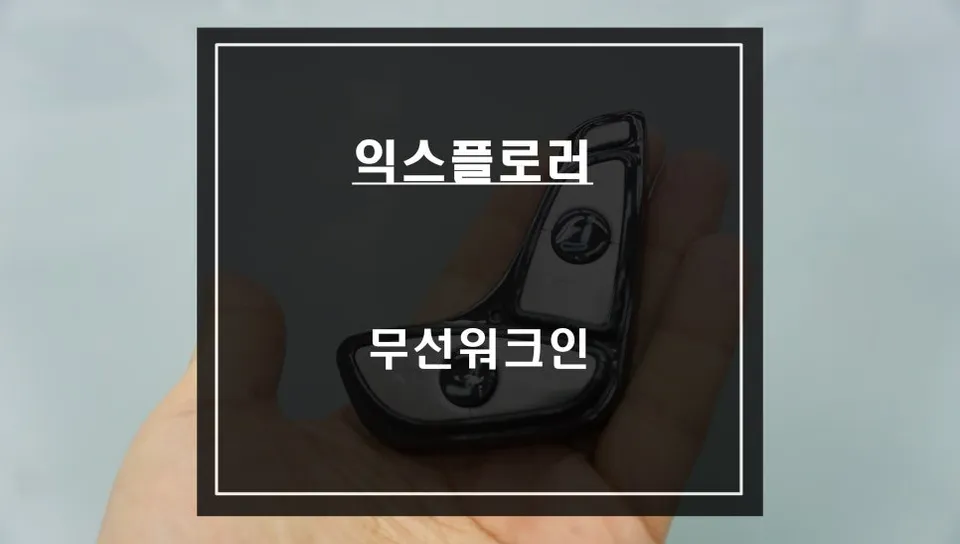
Ford Explorer wireless seat control: $115-150. Adds convenience without altering original wiring.
Ford Explorer Wireless Seat Control: A Convenient OEM Option Retrofit
Many Ford Explorer owners seek ways to enhance their vehicle's convenience features. One popular upgrade is a wireless seat control system, often referred to as a "wireless walk-in" feature. This allows for automatic adjustment of the front passenger seat, making it easier to access the rear or manage cargo. This review focuses on a specific type of OEM option retrofit that prioritizes preserving the vehicle's original wiring harness, a crucial factor for many car owners concerned about long-term reliability and resale value.
Why Preserve Original Wiring?
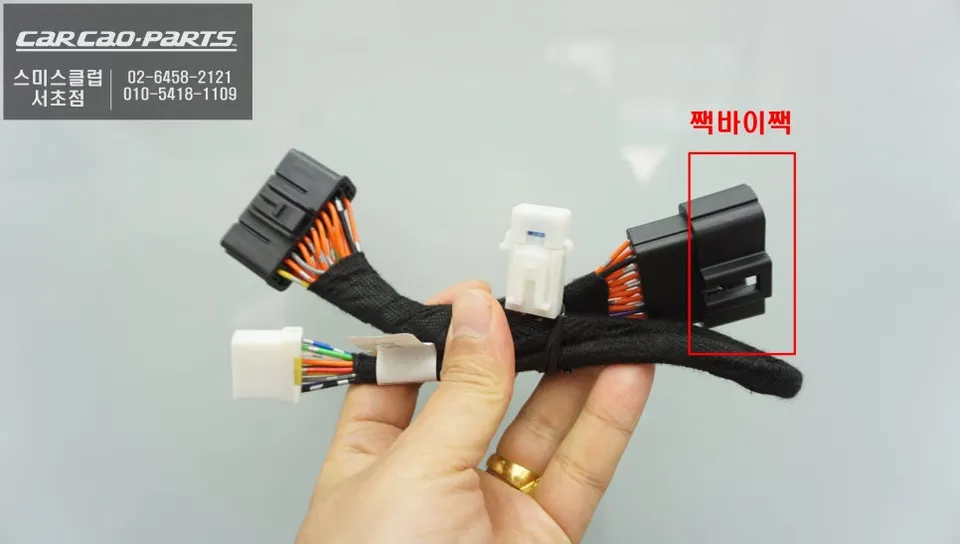
A common question regarding aftermarket installations is whether modifying the original wiring is necessary. While it's possible to alter factory wiring, doing so can lead to complications down the line. Future repairs or diagnostics can become more complex, and in some cases, it might even affect the vehicle's resale value. The wireless seat control system addresses this concern by integrating a new module without cutting or splicing the existing factory wires. This "plug-and-play" approach ensures the vehicle's original electrical system remains intact, adding functionality while maintaining factory integrity. This method is a prime example of a smart factory upgrade that enhances convenience without compromising the vehicle's original state.
Seamless Installation Process
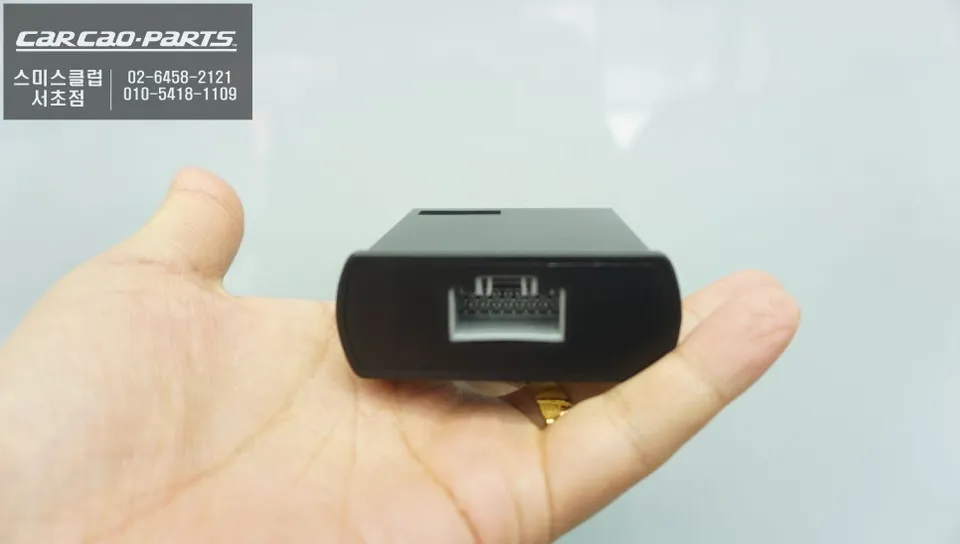
The installation of this wireless seat control system is remarkably quick and non-invasive. The entire process typically takes between 5 to 10 minutes, as it doesn't involve any cutting or extensive disassembly of the seat components. The focus is on adding a small wireless module that works in parallel with the existing seat controls.
Installation process:
- Carefully remove the passenger seat control switch cover. This usually requires gentle prying with your fingers.
- Connect the wireless control module to the existing wiring harness using a "jack-by-jack" (plug-and-play) method, ensuring no original wires are cut.
- Secure the control module in an inconspicuous location, such as under the seat or within the glove box area, routing wires neatly to avoid any exposure.
This method allows both the original seat switches and the new wireless remote to function simultaneously, offering dual control options. The discreet placement of the control module ensures the interior aesthetics remain undisturbed.
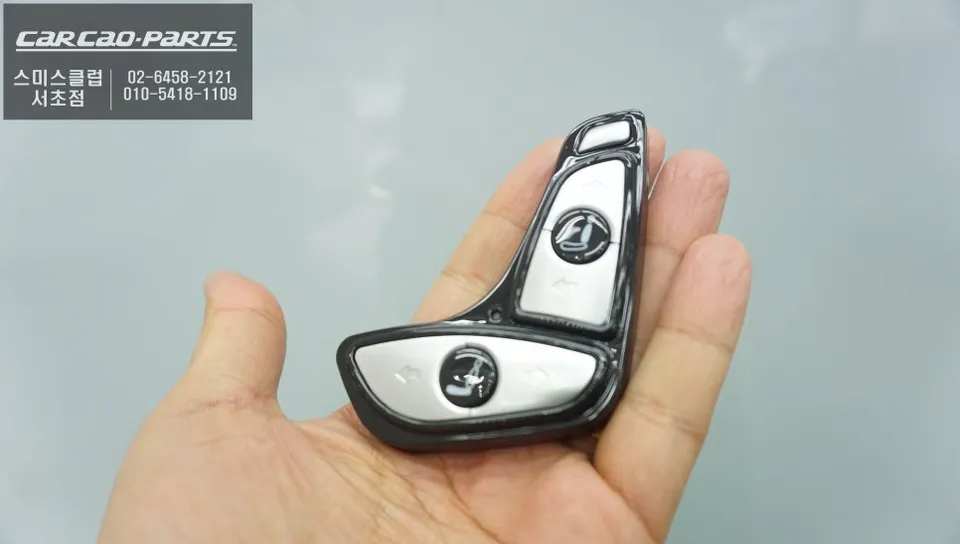
Flexible Control Placement and Real-World Benefits
One of the significant advantages of this system is the flexibility in placing the wireless switch. Since no permanent modifications are made to the seat, the remote switch can be mounted in a location most convenient for the driver. Popular choices include the steering wheel column, the driver's side door panel, or the center console. The key is to select a spot that allows for easy access without requiring the driver to reach awkwardly.
In practical terms, the convenience is immediately apparent. Imagine needing to move the passenger seat forward to allow someone to exit or enter the rear seats. Instead of getting out of the vehicle, you can simply press a button. Similarly, if the passenger seat is heavily loaded with items, making it difficult to open the door, the seat can be automatically moved backward using the remote. These seemingly small conveniences add up to a significantly improved driving experience, as reported by users who have opted for this factory option retrofit.
Cost and Maintenance Considerations
The cost for this wireless seat control system, including parts and installation, typically ranges from approximately 800,000 to 1,500,000 Korean Won (KRW) in Korea. This translates to an estimated US price of $115–150, though actual costs can vary based on the specific vehicle model, chosen brand, and any additional options selected. The primary maintenance concern for this system is the wireless module's battery, which is generally long-lasting and easily replaceable. Overall, it represents a cost-effective way to add a high-value convenience feature to your Ford Explorer.
Frequently Asked Questions
Q. How much does OEM option and factory upgrade installation cost for a Ford Explorer?
In Korea, this specific wireless seat control system typically costs between 800,000 and 1,500,000 KRW, which is approximately $115–150 USD. The US price range for similar dealer-installed options can vary widely but often falls within a similar bracket for convenience features.
Q. How long does OEM options installation take on a Ford Explorer?
The installation for this wireless seat control system is very quick, usually completed in 5-10 minutes due to its plug-and-play nature. Durability is high as it doesn't involve cutting original wires, and the main maintenance involves replacing the small battery in the wireless module periodically.
Q. Are OEM options worth adding after purchase for a Ford Explorer?
Adding convenience features like wireless seat control can be very worthwhile for Ford Explorer owners who frequently transport passengers or cargo. It significantly enhances usability without compromising the vehicle's original electrical system or resale value.
Q. How are OEM factory options installed on a Ford Explorer?
This specific OEM option retrofit involves carefully removing the passenger seat control switch cover, connecting a wireless module using plug-and-play connectors without cutting original wires, and then securing the module discreetly. The system is designed to work alongside existing controls.
Q. What is the difference between dealer-installed options and aftermarket upgrades for a Ford Explorer?
Dealer-installed options, like this wireless seat control, are often designed to integrate seamlessly with the vehicle's existing systems, prioritizing non-invasive installation. Aftermarket upgrades can vary greatly in quality and installation method, sometimes requiring more significant modifications.
Kakao Parts