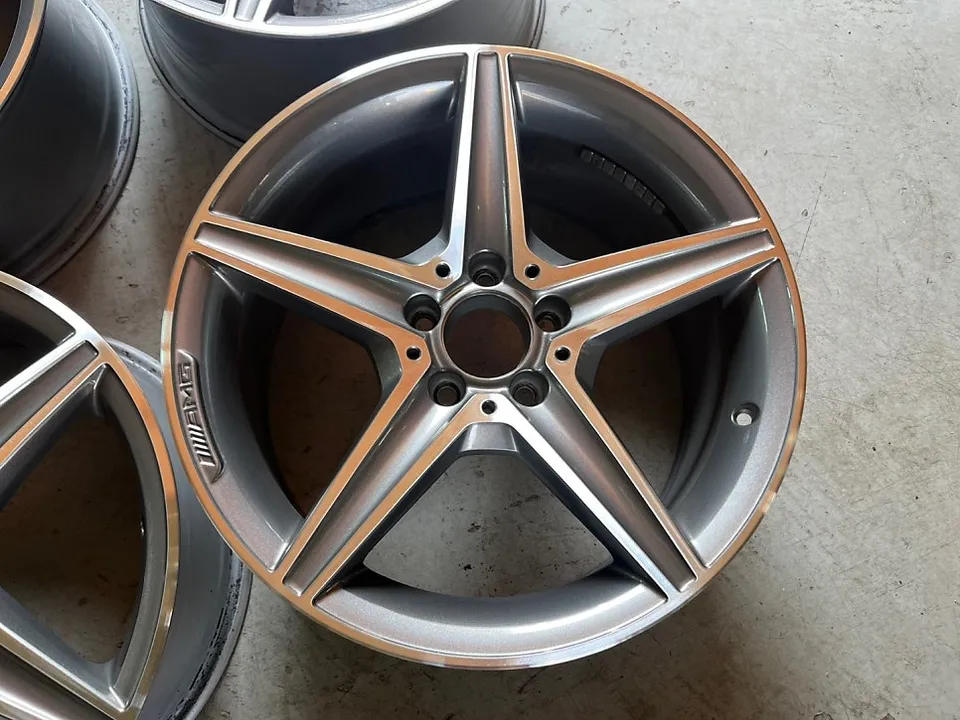
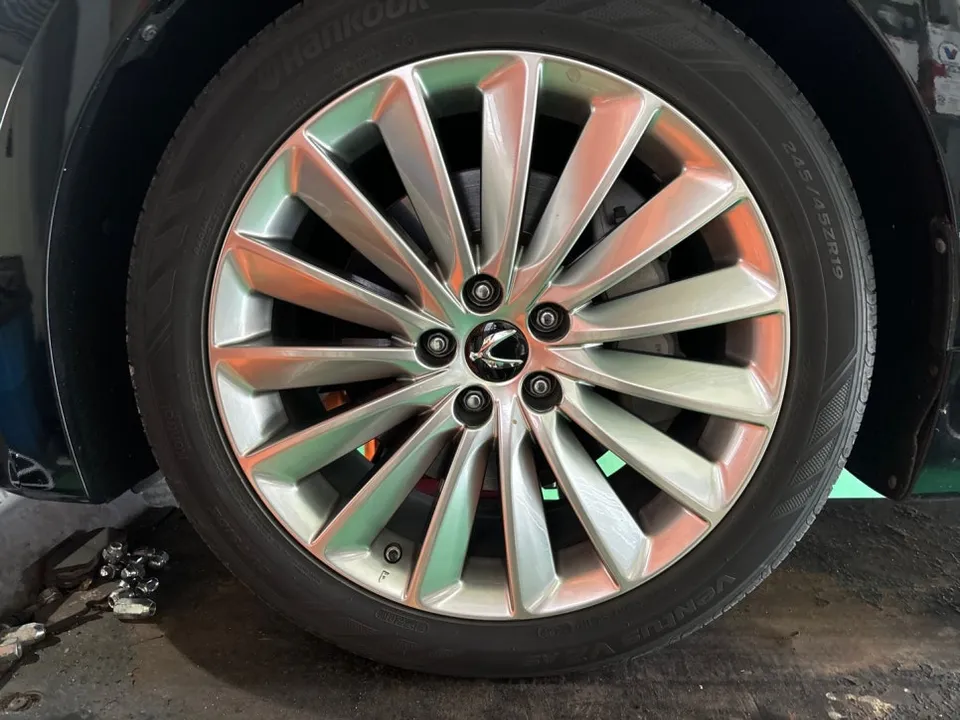
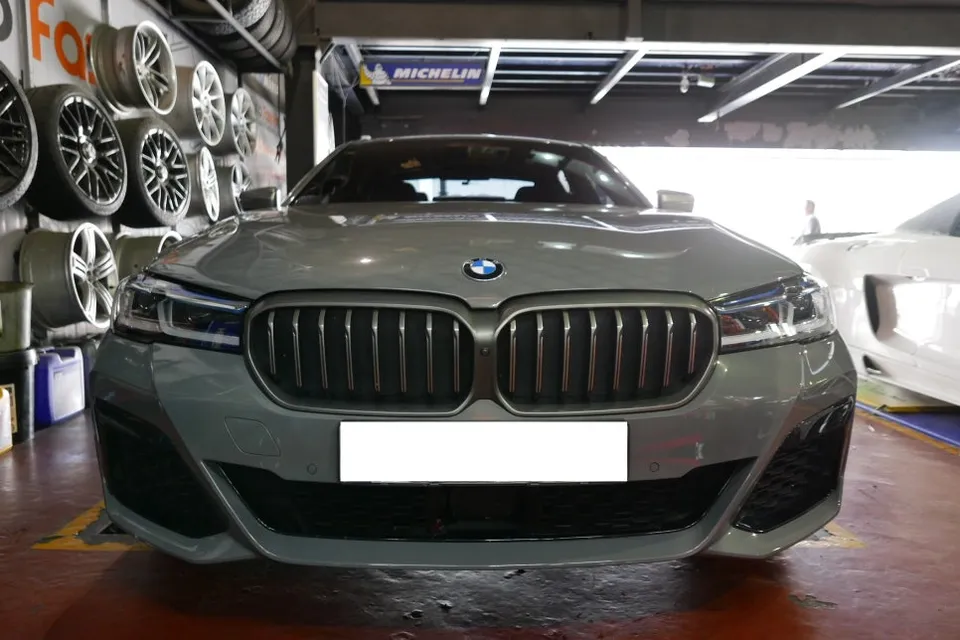
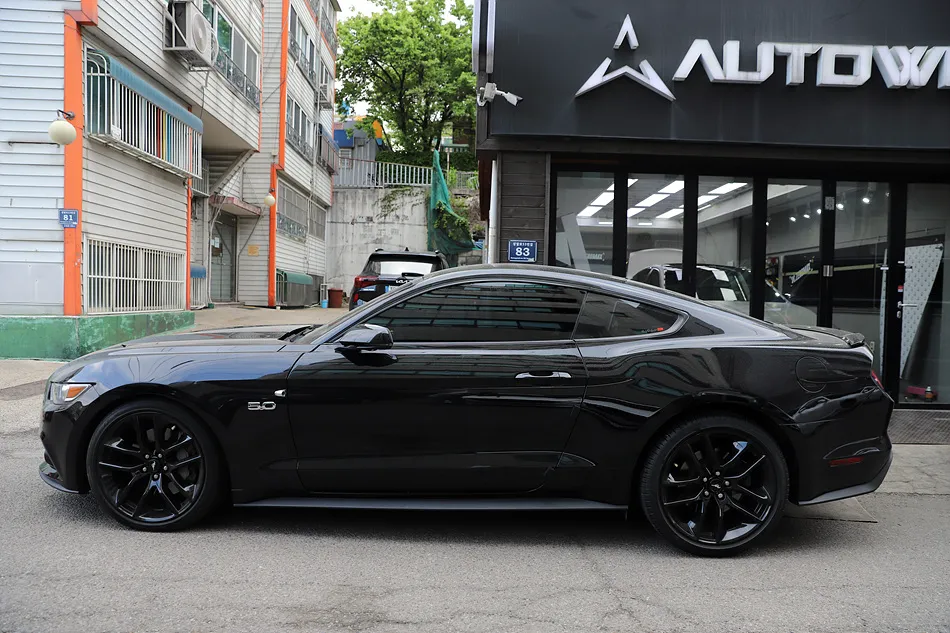
Ford Mustang Wheel Repair & Painting Review
Service Price
$40–80
Estimated price · Actual price may vary by shop
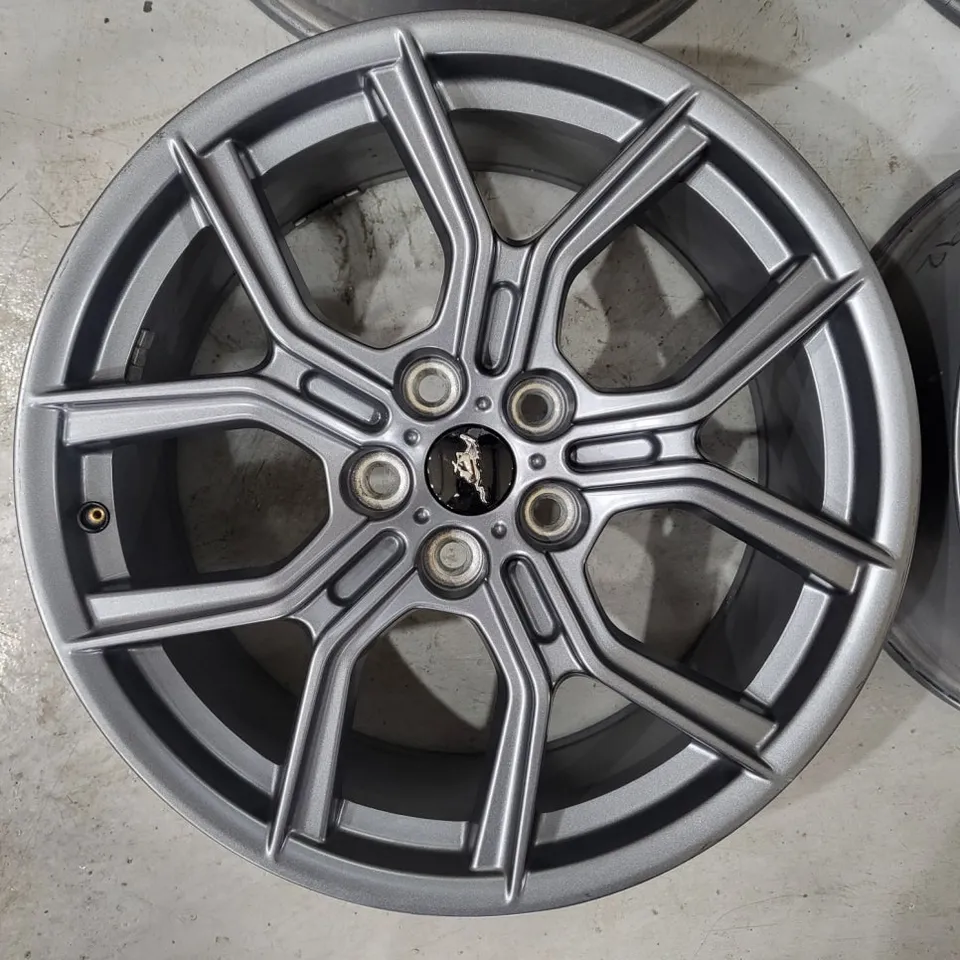
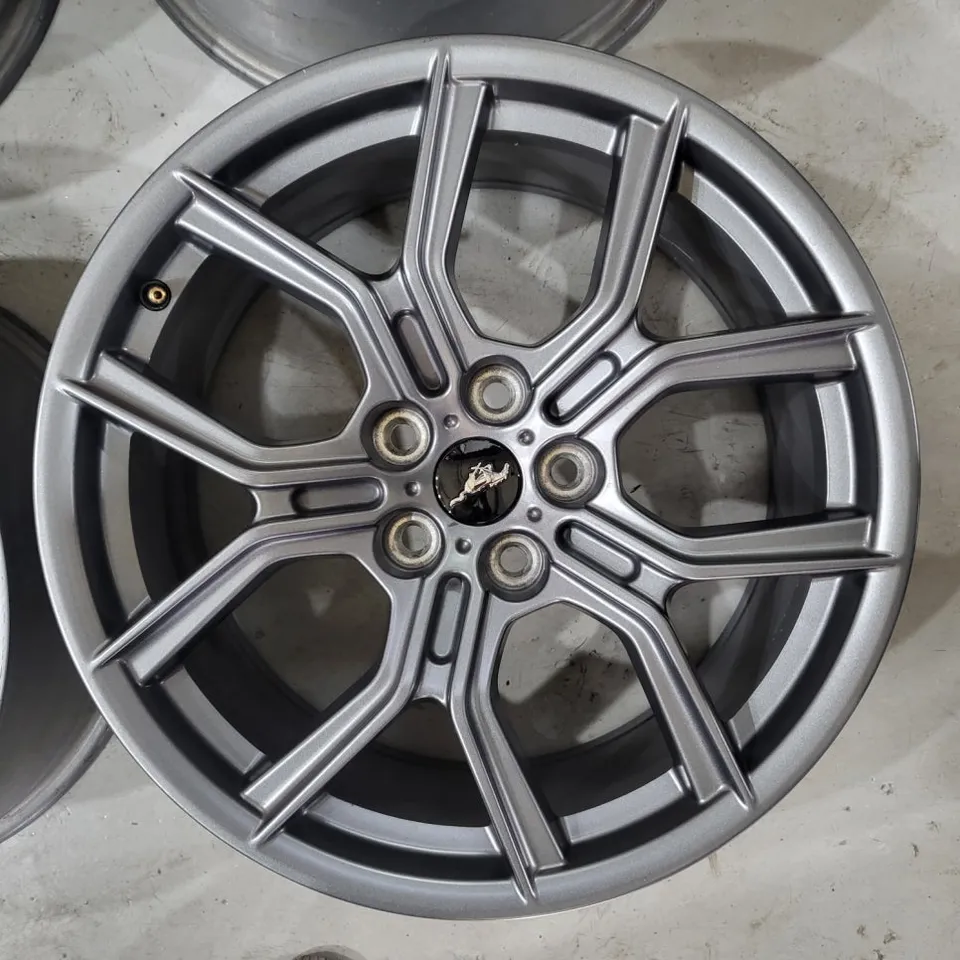
19-inch Mustang wheel restoration: Approx. $480-$550 USD. Restores wheels to like-new condition.
Upgrade Your Ford Mustang with 19-Inch Alloy Wheel Refinishing
Considering an aesthetic upgrade for your Ford Mustang? The 19-inch factory wheels on newer models offer a significant style boost, and finding them at a reasonable price is achievable, especially when exploring wheel restoration options. This guide focuses on acquiring and refurbishing these premium wheels, drawing insights from a Korean market perspective where such services are common. We'll cover how to assess condition, understand pricing, and make an informed decision.
Understanding Wheel Repair & Painting Costs and Process
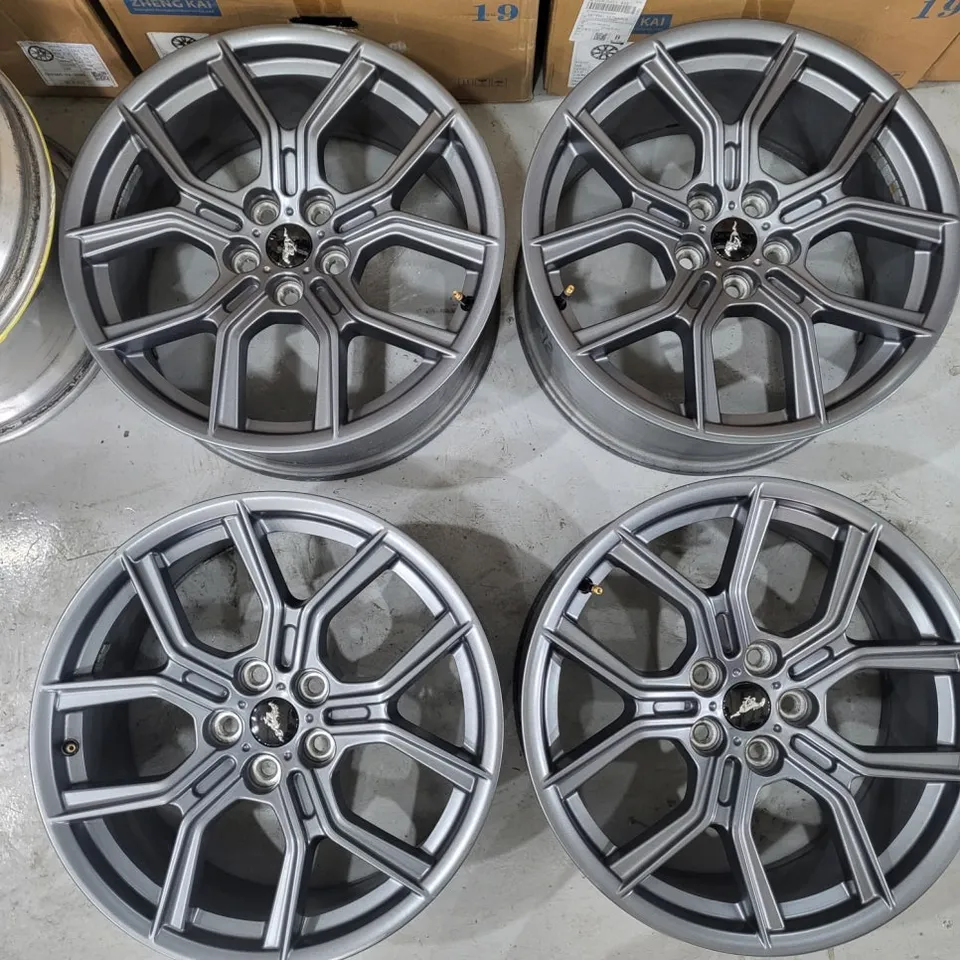
In the Korean market, purchasing a set of 19-inch factory wheels for a newer Ford Mustang can be a cost-effective way to enhance your vehicle's appearance. When trading in your existing factory wheels (a common practice referred to as 'daepum' in Korea), the cost can be around 650,000 KRW (approximately $480 USD, though exchange rates fluctuate). If you're not trading in wheels, the price for the set would be closer to 750,000 KRW (approximately $550 USD). It's crucial to note that exact pricing depends on the specific condition of your current wheels and the seller's policies. For a more precise quote, consulting directly with the service provider after they've assessed your vehicle is recommended. The process of wheel repair and painting, often referred to as alloy wheel refinishing or wheel restoration, aims to bring damaged wheels back to their original glory.
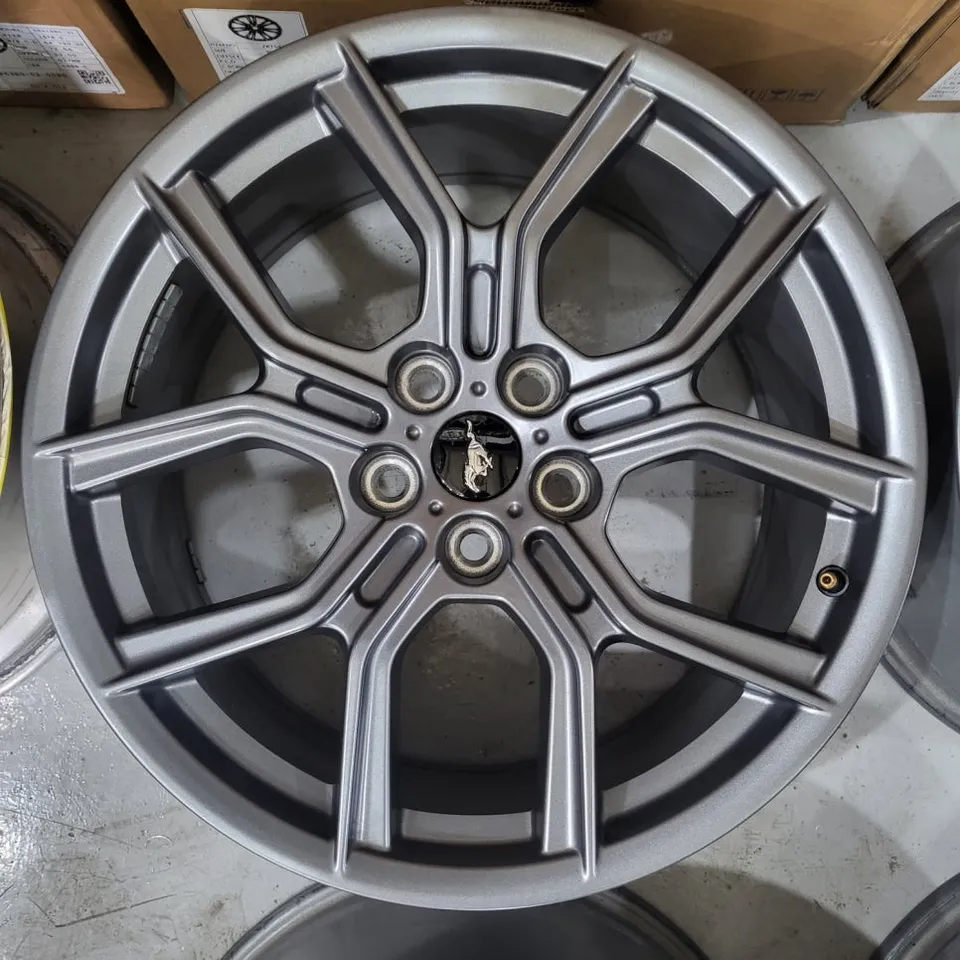
Assessing the Condition of Used Wheels
When looking at used wheels, thorough inspection is paramount. Even minor imperfections can impact performance and safety. Pay close attention to:
- Cloudiness (Baekhwa): A milky or hazy appearance on the wheel surface can indicate poor paint quality or improper storage. Opt for wheels with a clear, unblemished finish.
- Cosmetic Scratches: Minor scuffs from daily driving or parking are common. While light scratches might be acceptable, an excessive number could suggest underlying issues.
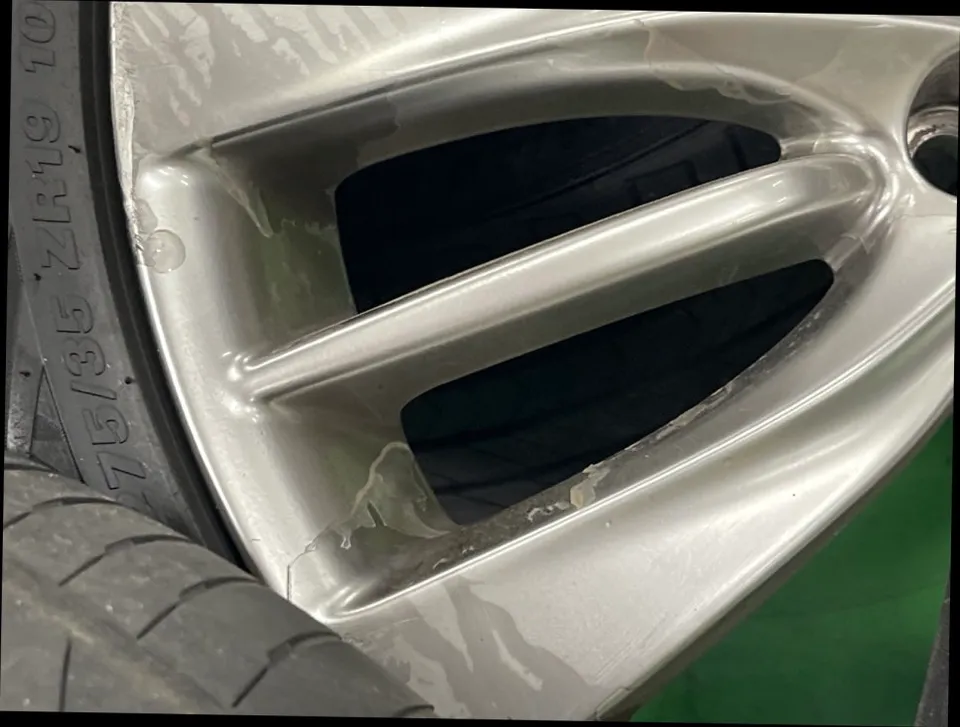
- Cracks or Bends (Keuraek, Guljeol): Check for any signs of structural damage, such as cracks or bends. Wheels that have undergone repair for these issues may be weaker and more susceptible to failure under stress. Prioritize wheels with no history of such damage.
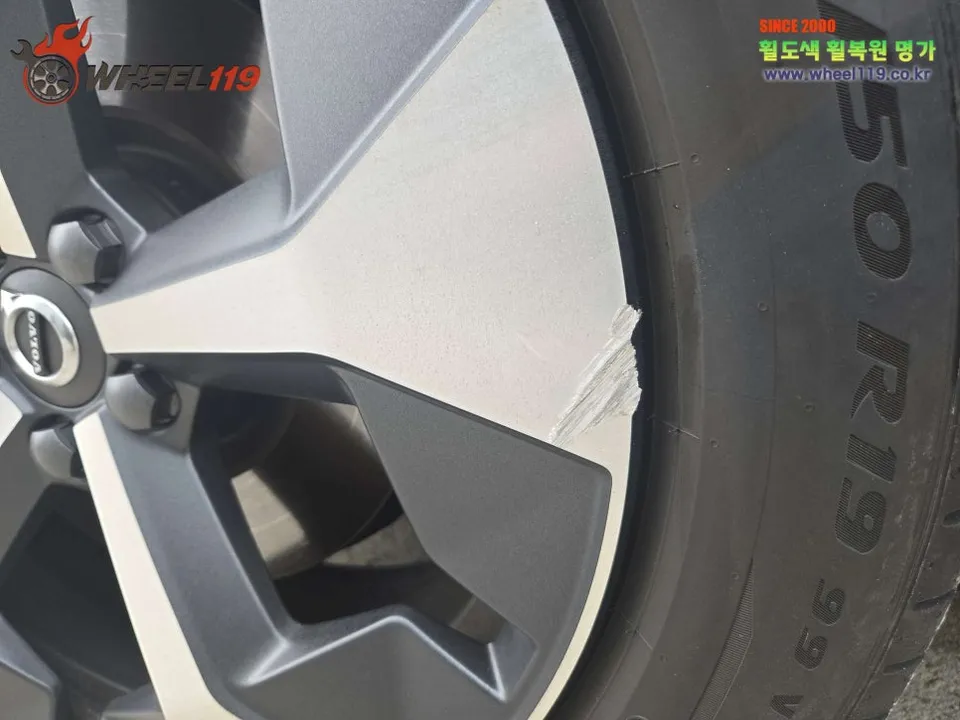
- Curb Rash: These are typically shallow scratches along the outer edge of the wheel. Assess the severity; significant damage might require more extensive repair.
Installation Process:
- Inspection and Cleaning: The wheels are thoroughly inspected for damage, and then meticulously cleaned to remove all dirt, brake dust, and debris.
- Surface Preparation: Any existing damage, such as curb rash or minor scratches, is repaired. The wheel surface is then sanded and prepped for primer.
- Priming and Painting: A high-quality primer is applied, followed by multiple coats of the specified paint color (often a silver or grey finish for factory wheels).
- Clear Coat Application: A protective clear coat is applied to enhance durability and provide a glossy finish.
- Curing and Reassembly: The wheels are cured, often using heat, to ensure the paint hardens properly. Finally, they are balanced and mounted onto the vehicle.
The entire process, from mounting to balancing, typically takes about 1 to 2 hours for a set of four wheels.
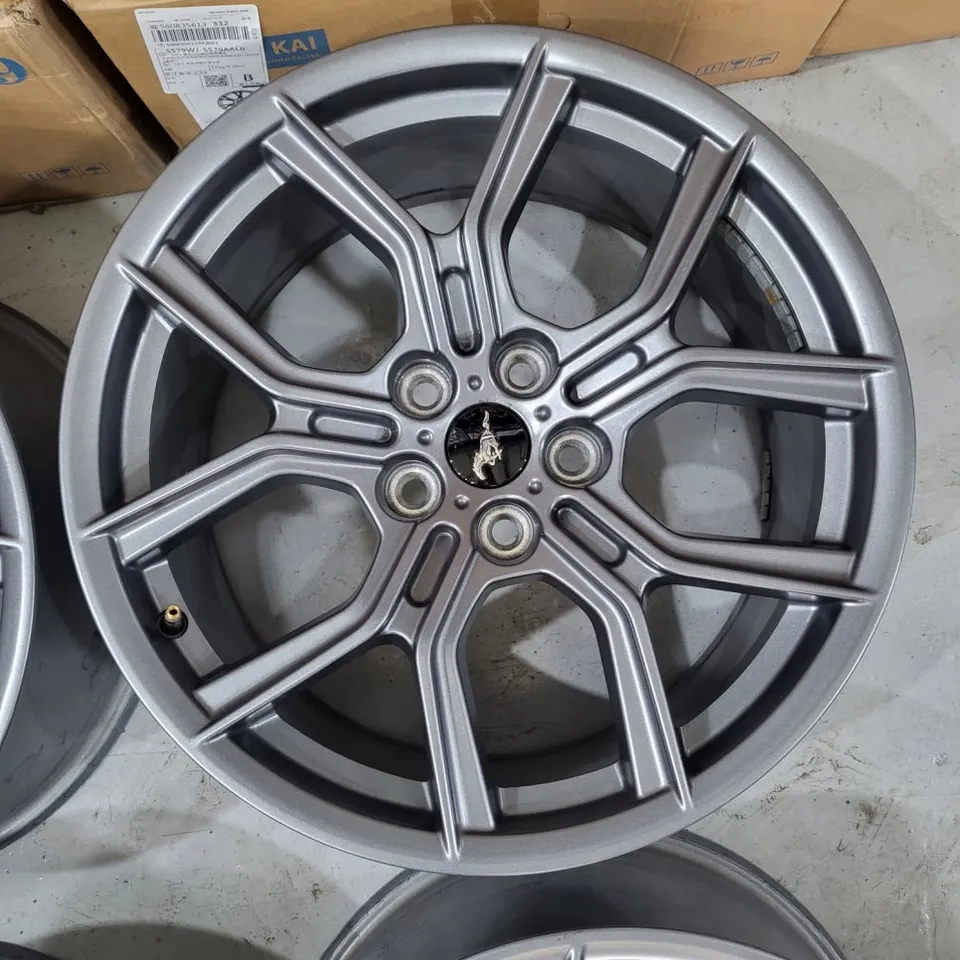
Important Considerations for Purchasing Wheels
Buying used wheels requires careful consideration. Keep these points in mind:
- Trade-in Conditions: If you're using your old wheels as a trade-in, confirm that their condition and age meet the seller's requirements. Older or heavily damaged wheels may not be accepted for trade-in.
- Exchange and Refund Policies: Most vendors offer a 7-day exchange or refund period, but this can vary. Always verify the specific policy before purchasing.
- After-Sales Support (A/S): Typically, a warranty of around one month is provided for after-sales service. Clarify the terms of this warranty.
Investing in wheel repair and painting can significantly enhance your Ford Mustang's aesthetic appeal, offering a cost-effective alternative to purchasing brand-new wheels. By carefully assessing the condition and understanding the process, you can achieve a refreshed look for your vehicle.
Frequently Asked Questions
Q. How much does wheel repair cost for a Ford Mustang?
In Korea, 19-inch Mustang wheels with trade-in can cost around 650,000 KRW (approx. $480 USD). Typical US wheel repair costs can range from $40-$80 per wheel for minor cosmetic issues like curb rash.
Q. Can curb rash be fully repaired on Ford Mustang wheels?
Yes, curb rash can typically be repaired to a near-perfect finish through a process of filling, sanding, and repainting. Proper maintenance, including regular cleaning and avoiding harsh chemicals, will help preserve the repair's longevity.
Q. Is wheel repair or replacement cheaper for a Ford Mustang?
For significant damage like bends or cracks, replacement might be considered, but for cosmetic issues like curb rash or scratches, wheel repair and painting is significantly cheaper than buying new wheels. It offers a cost-effective way to restore your Mustang's wheels.
Q. How is wheel curb rash repaired on a Ford Mustang?
Curb rash repair typically involves sanding down the damaged area, applying a filler to level the surface, priming, painting to match the original finish, and applying a clear coat. The wheel is then cured and balanced.
Q. What is the difference between wheel refinishing and full replacement for a Ford Mustang?
Wheel refinishing (repair and painting) restores your existing wheels to a like-new condition, addressing cosmetic damage like curb rash and scratches. Full replacement involves purchasing entirely new wheels, which is considerably more expensive but necessary for structural damage like cracks or severe bends.
OhCar Partner Shop