Genesis EQ900 Body Kit Review: Sporty Upgrade with Wrap Finish
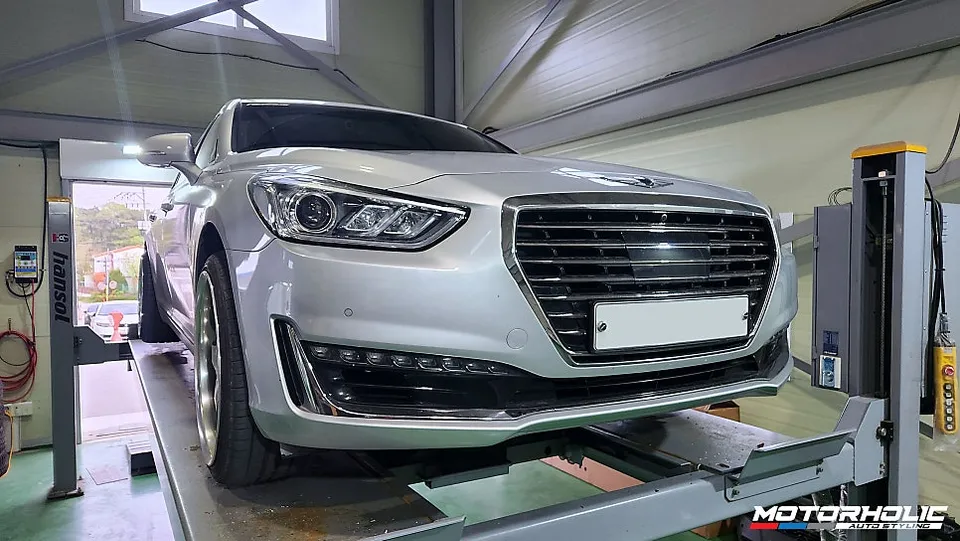
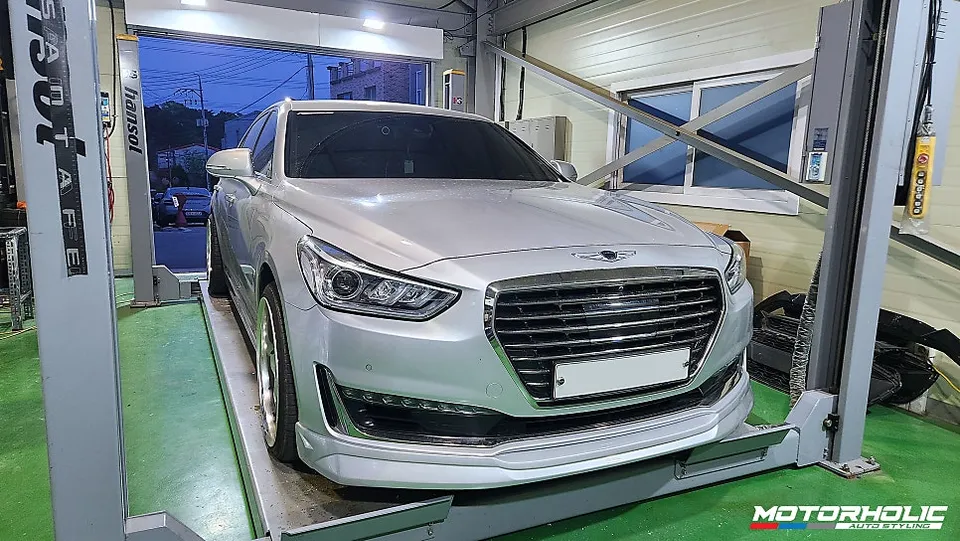
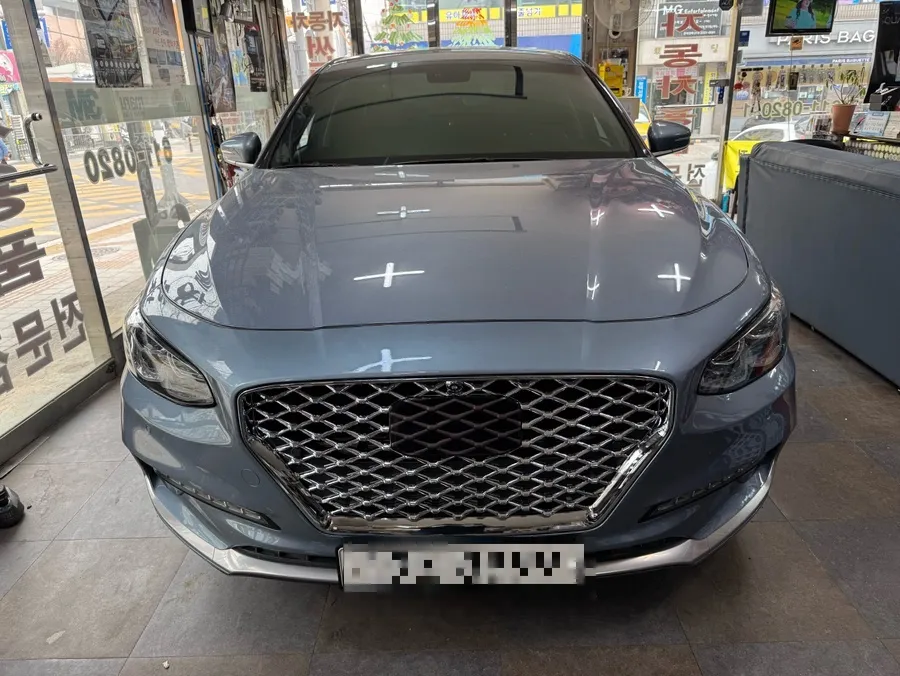
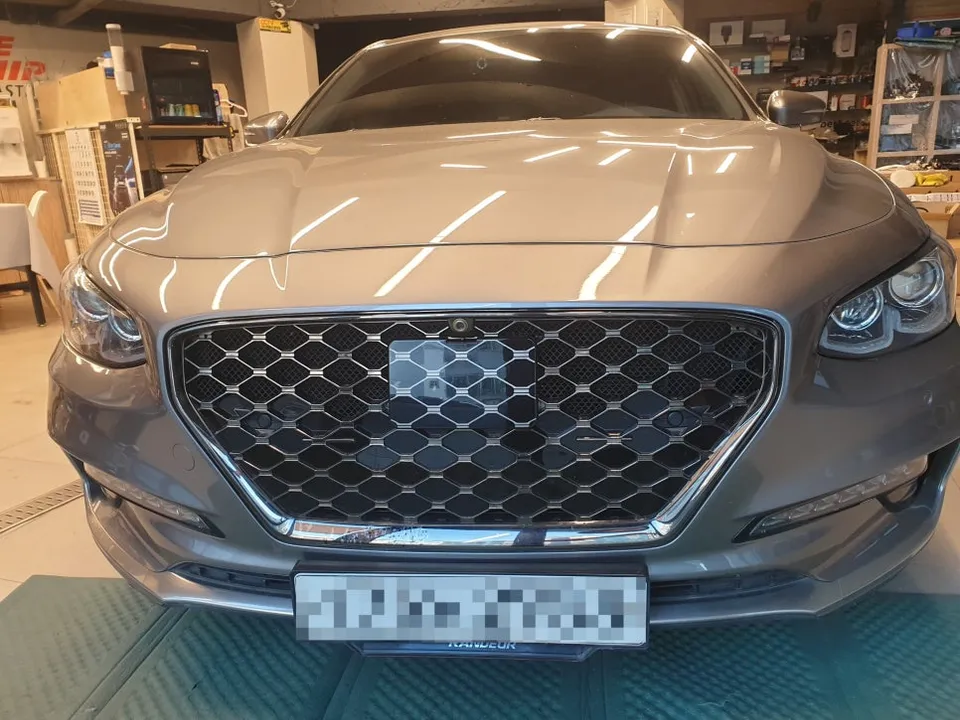
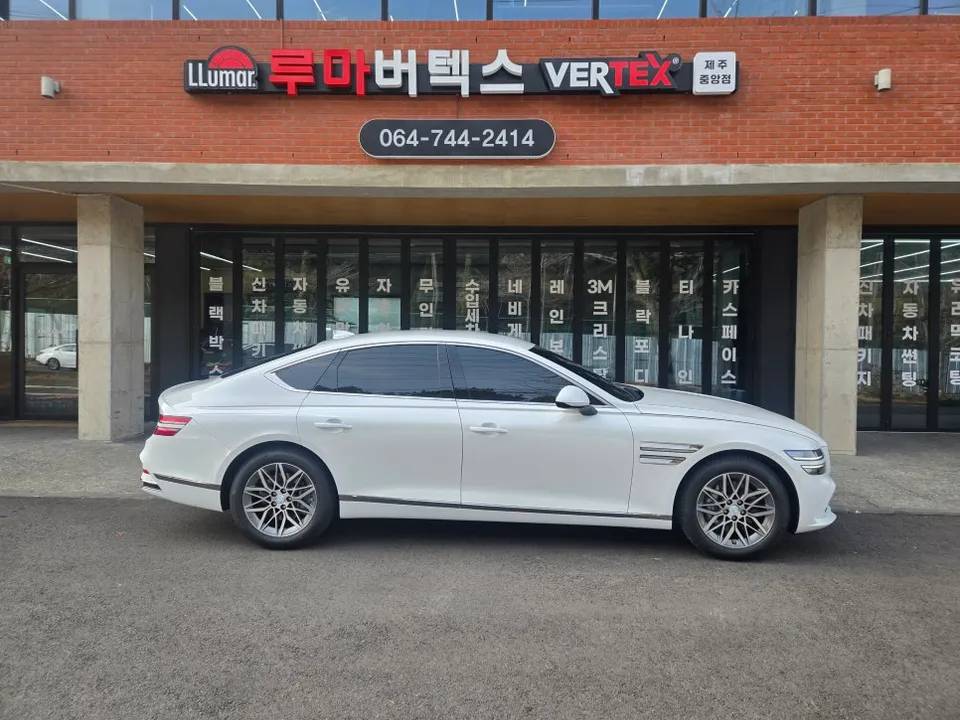
Genesis EQ900 body kit installation with front, side, and rear dams. Features a sporty look with a seamless wrap finish. Enhances vehicle stance.
Elevate Your Genesis EQ900 with a Custom Body Kit
Considering a body kit upgrade for your Genesis EQ900? This luxury sedan, while already commanding, can be further enhanced with a body kit to achieve a more aggressive and unique aesthetic. This review focuses on a full body kit installation, including front, side, and rear dams, finished with a meticulous wrap that complements the vehicle's original color. The result is a seamless integration that amplifies the EQ900's presence, offering a sportier and more dynamic silhouette.
Detailed Body Kit Installation and Finishing
The installation process for the Genesis EQ900 body kit involves several key components. The front dam attaches securely to the lower part of the original bumper, creating a lower and more sculpted front end. For vehicles equipped with air suspension, this upgrade allows for even more dramatic stance adjustments when parked.
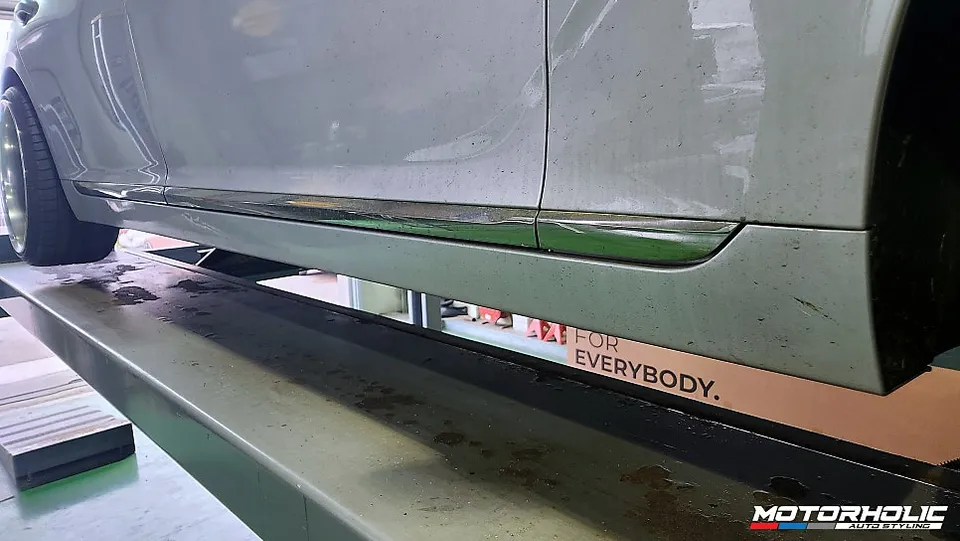
The side dams replace the factory side skirts, requiring precise fitting to ensure a flush and integrated look along the vehicle's profile. This component adds significant visual depth to the sides of the EQ900. The material, often FRP (Fiber-Reinforced Plastic), is engineered for a high-quality finish, comparable to injection-molded parts.
The rear dam is designed to complement the front and side elements, featuring a diffuser-like design with multiple fins. In this specific build, the rear dam was finished with a two-tone wrap in silver and gloss black, adding a subtle yet impactful visual accent. This design choice emphasizes a refined and sophisticated styling, suitable for the EQ900's luxury class.
Installation of the rear dam utilizes robust methods, including automotive-grade double-sided tape and secure screw points at the lower bumper. Importantly, these screws do not penetrate the car's main body panels, preventing rust issues and simplifying potential future restoration to the original configuration.
Installation Process:
- Component Preparation: Body kit parts are inspected and prepared for fitting.
- Fitment and Alignment: Each piece (front dam, side dams, rear dam) is carefully aligned with the factory body panels.
- Secure Attachment: Parts are attached using a combination of specialized clips, automotive tape, and screws into designated mounting points.
- Finishing: The body kit is finished with a custom wrap, ensuring a seamless color match or desired accent design.
- Final Inspection: A thorough check is performed to ensure all components are securely fitted and aesthetically pleasing.
The choice of a wrap finish over traditional paint offers distinct advantages. It can significantly reduce installation time and provides flexibility for future changes. While professional painting can achieve a perfect color match, a high-quality wrap offers durability and a clean aesthetic, as demonstrated in this EQ900 upgrade.
Frequently Asked Questions
Q. How much does a body kit cost for a Genesis EQ900?
The specific cost for this Genesis EQ900 body kit installation, including the wrap finish, was not detailed in Korean Won but typically ranges from $1,500 to $4,000 USD in the US, depending on the kit's complexity and material.
Q. How long does body kit installation take on a Genesis EQ900?
Body kit installation on a Genesis EQ900 typically takes between 4 to 8 hours, depending on the specific kit and finishing method. Proper maintenance involves regular cleaning and avoiding harsh chemicals to preserve the finish.
Q. Is a body kit worth it for a Genesis EQ900?
A body kit is most beneficial for Genesis EQ900 owners seeking a more personalized and aggressive aesthetic. It offers a significant visual upgrade, enhancing the vehicle's sporty appeal and road presence.
Q. How is a body kit installed on a Genesis EQ900?
Installation involves securely attaching the front, side, and rear dam components to the vehicle's existing bumpers and side skirts. This is typically done using automotive-grade adhesives, clips, and screws into pre-drilled or designated mounting points, followed by a finishing wrap or paint.
Q. What is the difference between FRP and polyurethane body kits for a Genesis EQ900?
FRP (Fiber-Reinforced Plastic) body kits are generally more rigid and can be molded into complex shapes, often requiring more precise fitting, while polyurethane kits are more flexible, durable, and impact-resistant, making them easier to install and less prone to cracking.