Genesis G80 Window Tinting Review: Heat Rejection Film
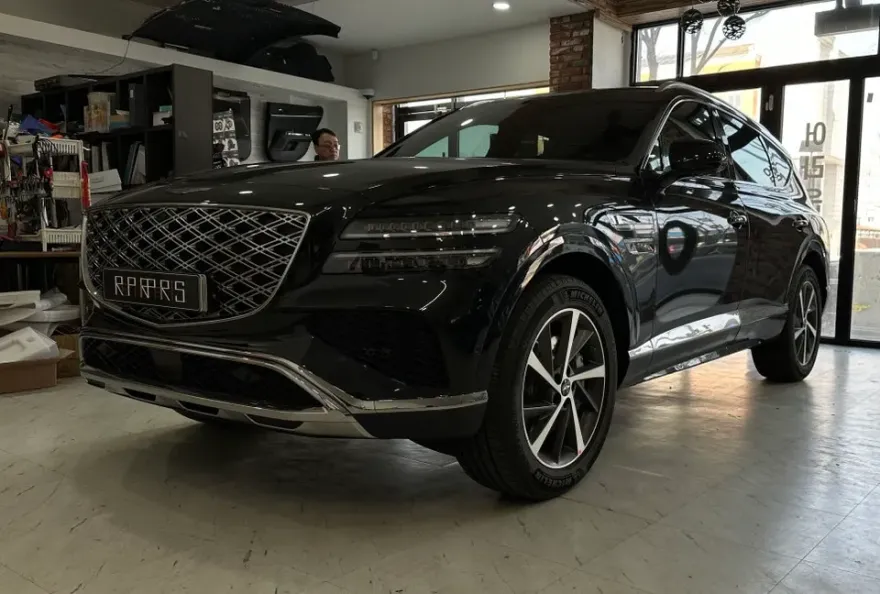
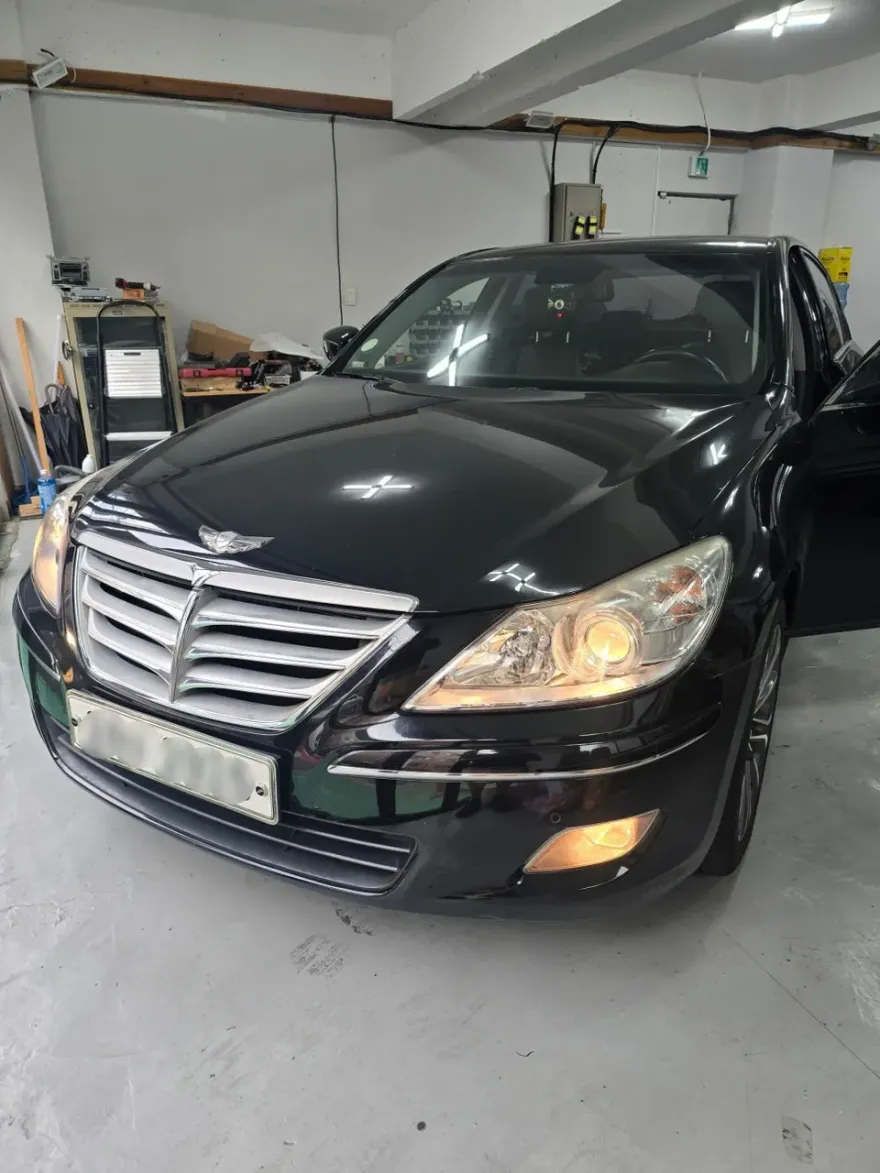
Before
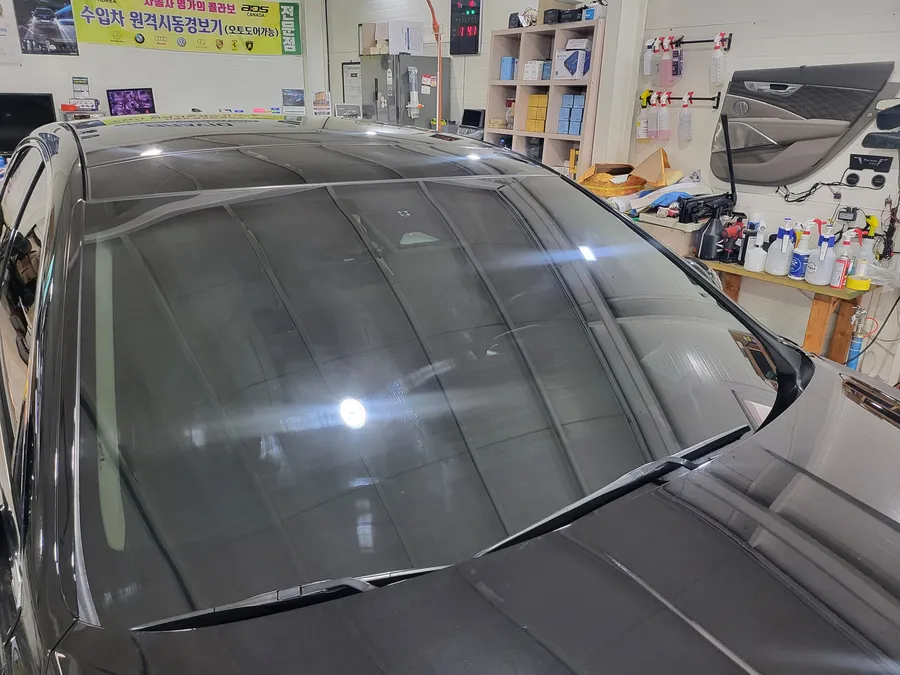
After
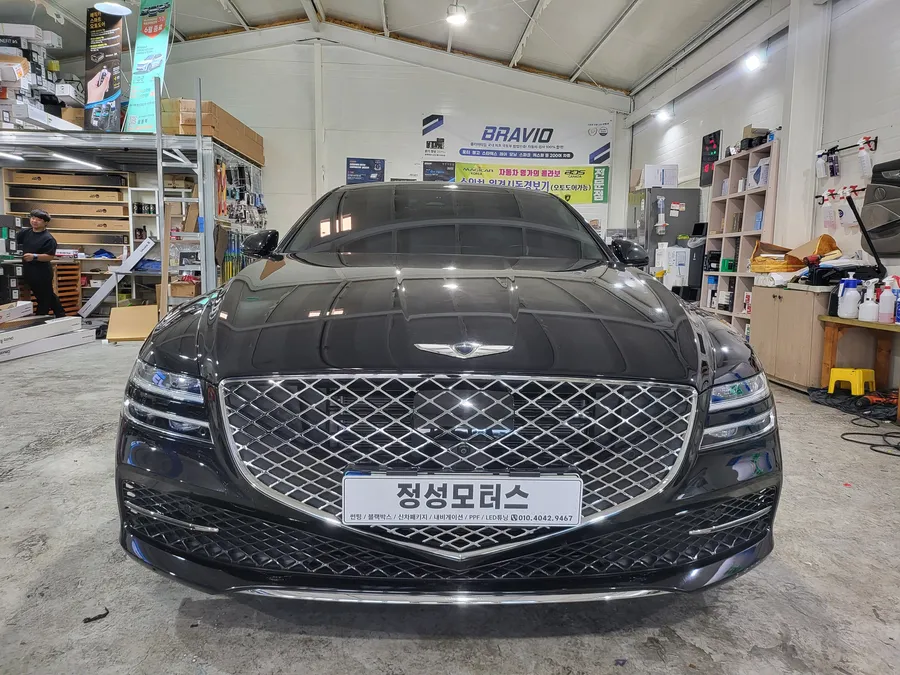
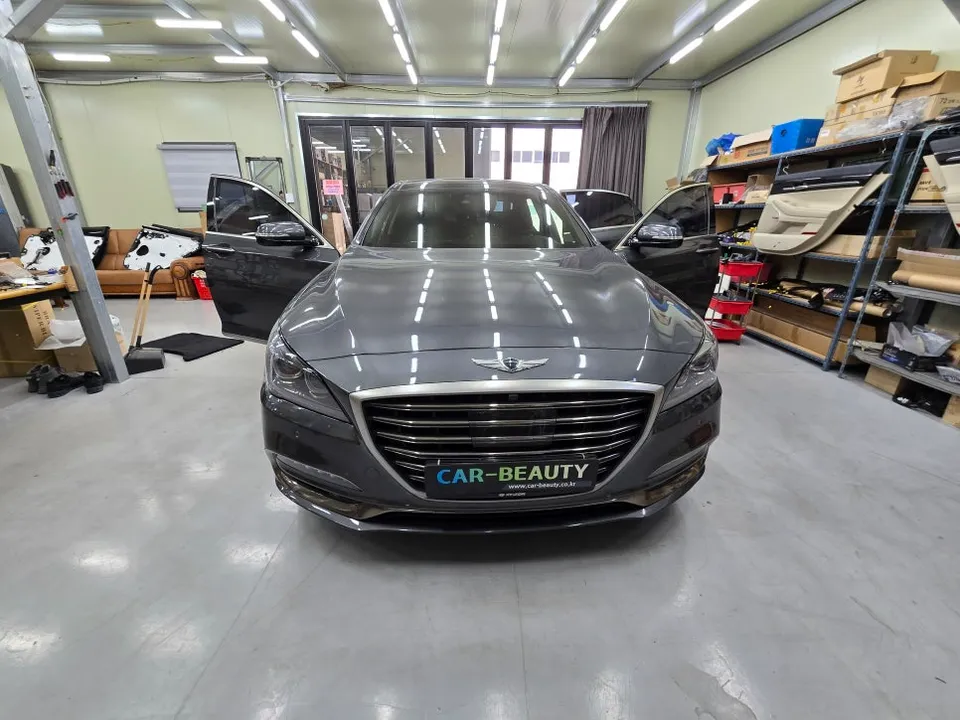
Process photos
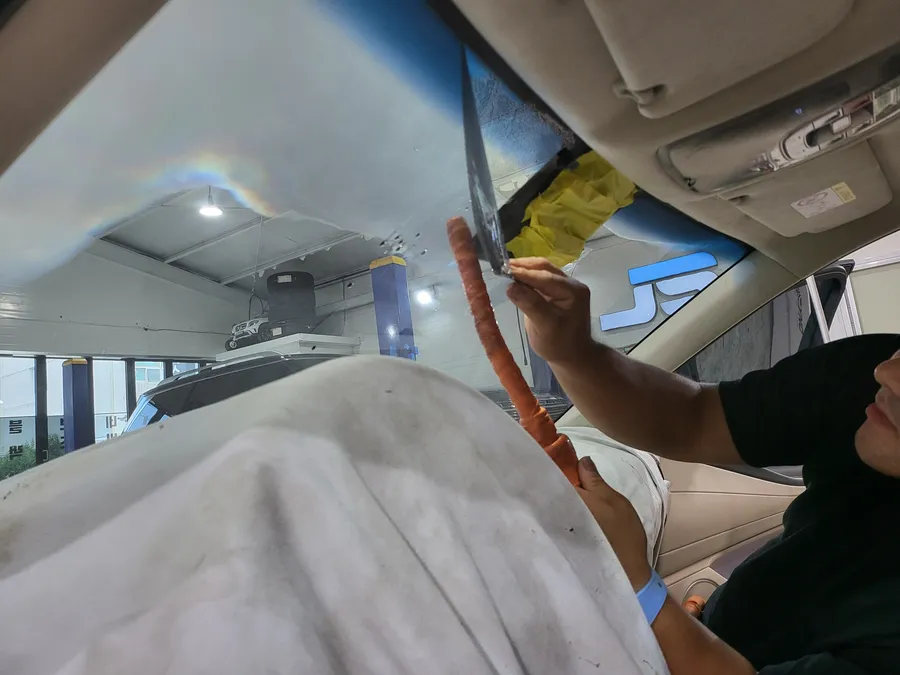
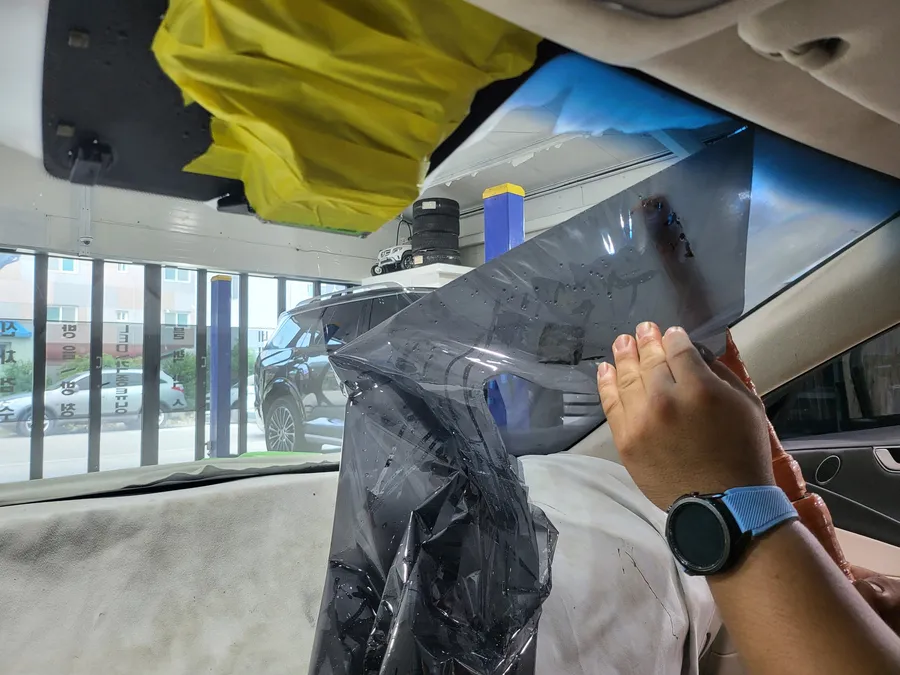
Genesis G80 window tinting with Rayno R2 ceramic film: 93% heat rejection, improved comfort. Cost details not provided in source.
Genesis G80 Window Tinting: Why a Re-application Was Necessary
Many Genesis G80 owners, even those with relatively new vehicles, experience discomfort due to high interior temperatures, especially during summer. This was precisely the case for the owner of the G80 featured in this review. After experiencing unsatisfactory heat blocking from their existing tint, they decided on a professional re-application to enhance comfort and protect the interior. The original tint was identified as a common 'coupon tint,' often chosen for its initial low cost but lacking in effective heat rejection. These films often function more as a visual barrier than a performance upgrade, failing to significantly reduce cabin temperature. Over time, these cheaper films can also leave behind adhesive residue, complicating removal and requiring meticulous work to restore the glass to its original clarity before new tint can be applied. Our process prioritizes a thorough removal of the old film to ensure a flawless finish.
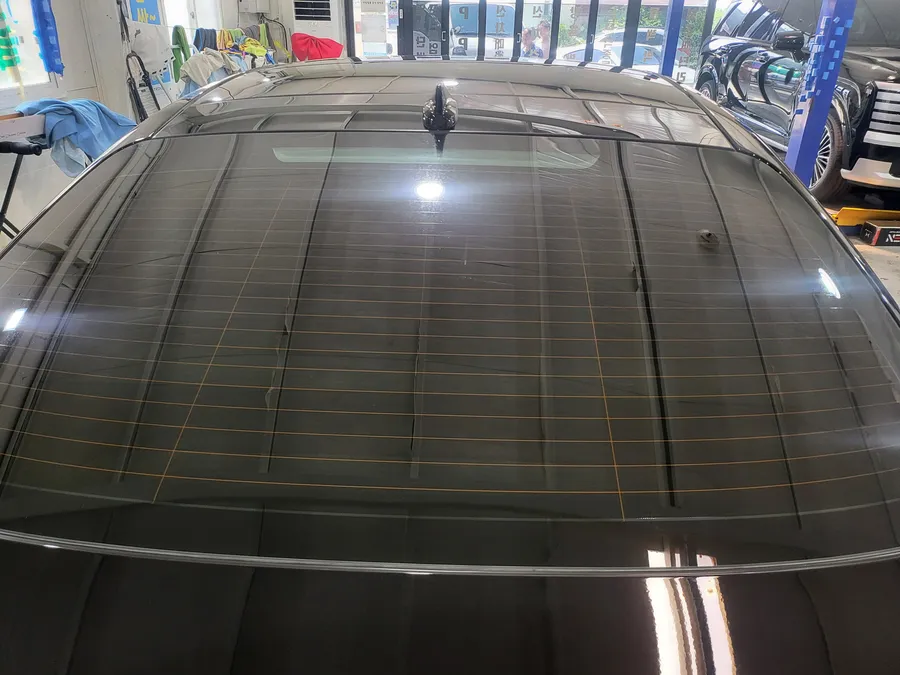
Upgrading with Rayno R2 Ceramic Tint for Enhanced Performance
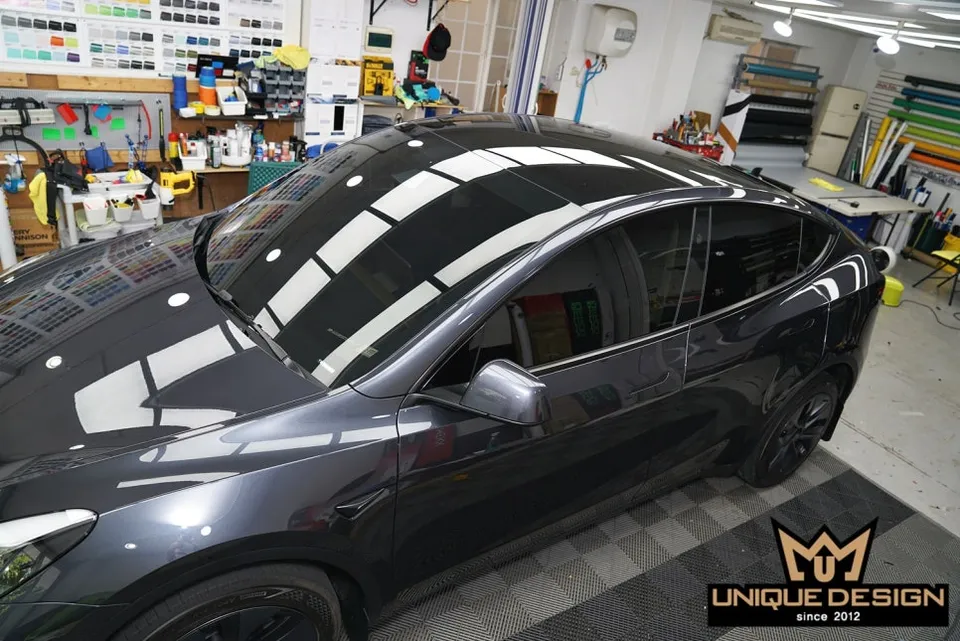
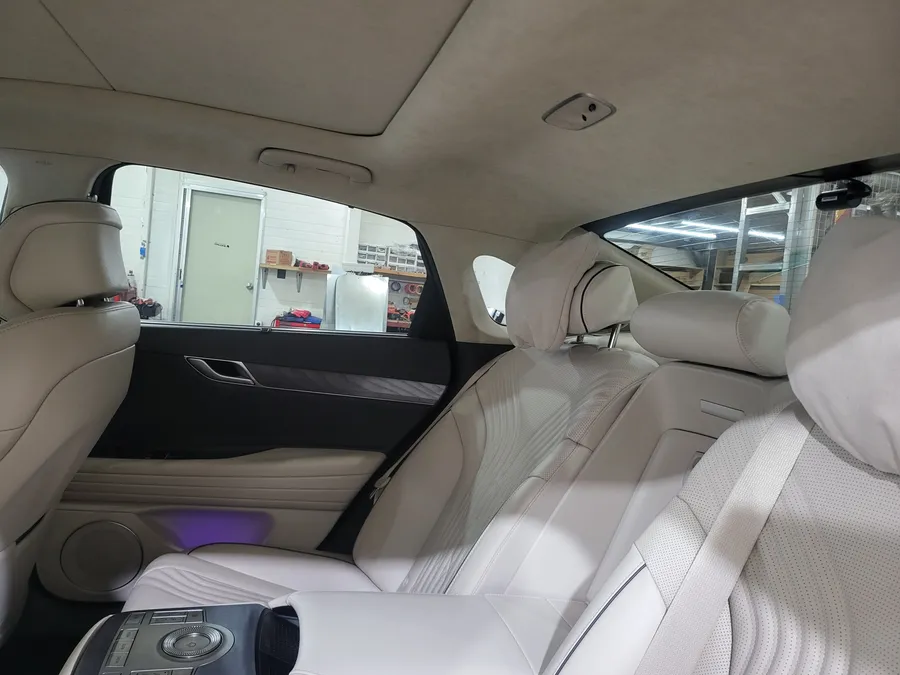
The chosen solution for this Genesis G80 was the Rayno R2 film, a high-performance option known for its exceptional heat rejection capabilities. This ceramic tint is designed to significantly mitigate the effects of intense sunlight, keeping the cabin cooler and more comfortable. Official measurements confirmed the film's performance, exceeding its advertised heat rejection rate of 90% to achieve an impressive 93%. This level of performance directly combats the heat buildup that plagued the owner's previous tint. The tint was applied at 35% VLT (Visible Light Transmission) for the front windshield and 15% for the side and rear windows. This combination offers a practical balance, providing ample privacy and heat protection without compromising visibility, especially during nighttime driving or in adverse weather conditions. The owner specifically opted for the 15% VLT on the sides, moving from a much darker 5% tint, to improve driving convenience.
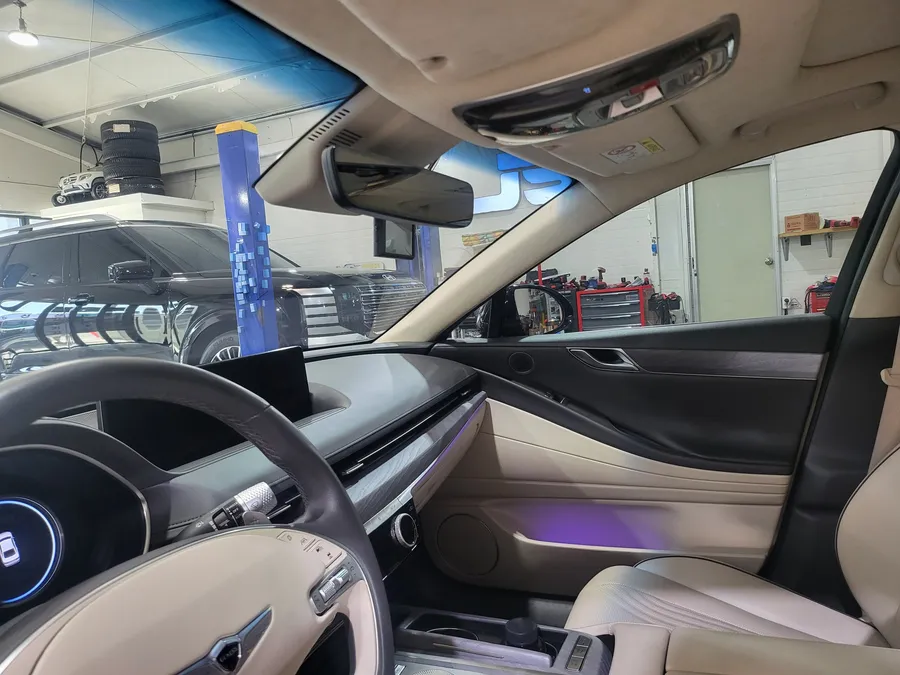
The Re-application Process and Results
The installation process involved careful removal of the old tint, followed by a precise application of the new Rayno R2 film. This meticulous approach ensures a clean, bubble-free finish that enhances both the aesthetics and the performance of the vehicle. The result is a Genesis G80 that not only looks more refined but also offers a noticeably cooler and more comfortable interior environment. The improved heat rejection means less reliance on the air conditioning system, potentially leading to better fuel efficiency. The UV protection offered by the R2 film also helps preserve the interior materials, preventing fading and cracking over time. This upgrade demonstrates how selecting the right window tint can significantly improve the ownership experience, addressing common issues like excessive heat and glare.
Installation Process:
- Thorough Cleaning and Preparation: The existing window tint is meticulously removed, and the glass is cleaned to ensure a perfectly smooth surface, free of any adhesive residue.
- Precise Film Cutting: The Rayno R2 film is precisely cut to match the exact dimensions of each window using specialized cutting equipment.
- Professional Application: The film is carefully applied to the interior side of the glass, using a squeegee to eliminate air bubbles and ensure a secure bond.
- Curing and Finishing: The newly tinted windows are allowed to cure, and any excess moisture is removed, resulting in a clear, durable finish.
Frequently Asked Questions
Q. How much does window tinting cost for a Genesis G80?
The specific window tinting cost for this Genesis G80 re-application was not detailed in the original Korean context. However, professional ceramic tint installations for luxury sedans like the G80 in the US typically range from $400 to $800, depending on the film quality and coverage.
Q. What tint percentage is legal for a Genesis G80?
Window tinting laws vary significantly by state in the US and by region in the UK; always check your local regulations. Generally, front windshield tint is often restricted to the top portion, while front side windows may require a higher VLT (lighter tint) than rear windows for visibility.
Q. Is ceramic tint worth the extra cost for a Genesis G80?
Ceramic tint, like the Rayno R2 used here, is often worth the investment for a Genesis G80 due to its superior heat rejection and UV protection, leading to a more comfortable cabin. It offers significant benefits over dyed or metallic films, especially in hot climates.
Q. How is window tint installed on a Genesis G80?
Window tint installation involves several key steps: meticulous cleaning and preparation of the glass surface, precise cutting of the chosen film (e.g., ceramic tint), careful application to the interior of the window using specialized tools to remove air bubbles, and finally, allowing the film to cure properly for optimal adhesion and clarity.
Q. What is the difference between ceramic and dyed window tint for a Genesis G80?
Ceramic window tint uses non-conductive ceramic particles to block heat and UV rays without interfering with electronics, offering superior performance and durability. Dyed tint primarily offers privacy and some UV blocking but has limited heat rejection and can fade over time, making ceramic the recommended choice for enhanced comfort and longevity.
OhCar Partner Shop
More window tinting Reviews
See all →


More Genesis Reviews


Pair with Another Service
Protect paint while you're at the shop
Add gloss and protection