Audi Q7 PPF — Where to Apply for Maximum ROI
Audi Q7 PPF — Where to Apply for Maximum ROI
When it comes to protecting your luxury SUV, the Audi Q7 PPF (Paint Protection Film) is a wise investment. This clear, durable film acts as a shield against the everyday hazards of driving, from minor scratches and rock chips to bug splatter and road salt. But where should you apply it for the best results and maximum return on investment? At OhCar Magazine, we've analyzed owner feedback to help you make the most informed decision.
Based on 50 owner reviews on OhCar, the average cost for PPF application on an Audi vehicle falls within a range of $60 – $133, with an average of $102. While these figures are general, they provide a good starting point for understanding the investment involved. However, the specific areas you choose to protect on your Audi Q7 will significantly influence the final price and the level of protection you receive. Let's dive into the most critical areas and why they matter.
The Front End: Your Audi Q7's First Line of Defense
The front of your vehicle is the most exposed to the elements and road debris. Therefore, applying Audi Q7 PPF to these areas is paramount for preventing damage. This typically includes:
The Full Front Bumper
Your front bumper takes a direct hit from almost everything on the road – gravel, insects, and even minor parking lot scuffs. A full bumper application provides comprehensive protection for this high-impact area. The cost can vary, but expect it to be a significant portion of your PPF budget, often falling into the higher end of our reviewed price range, sometimes exceeding $150+ for premium materials and complex bumper designs, as seen in some of our real PPF reviews.
The Hood
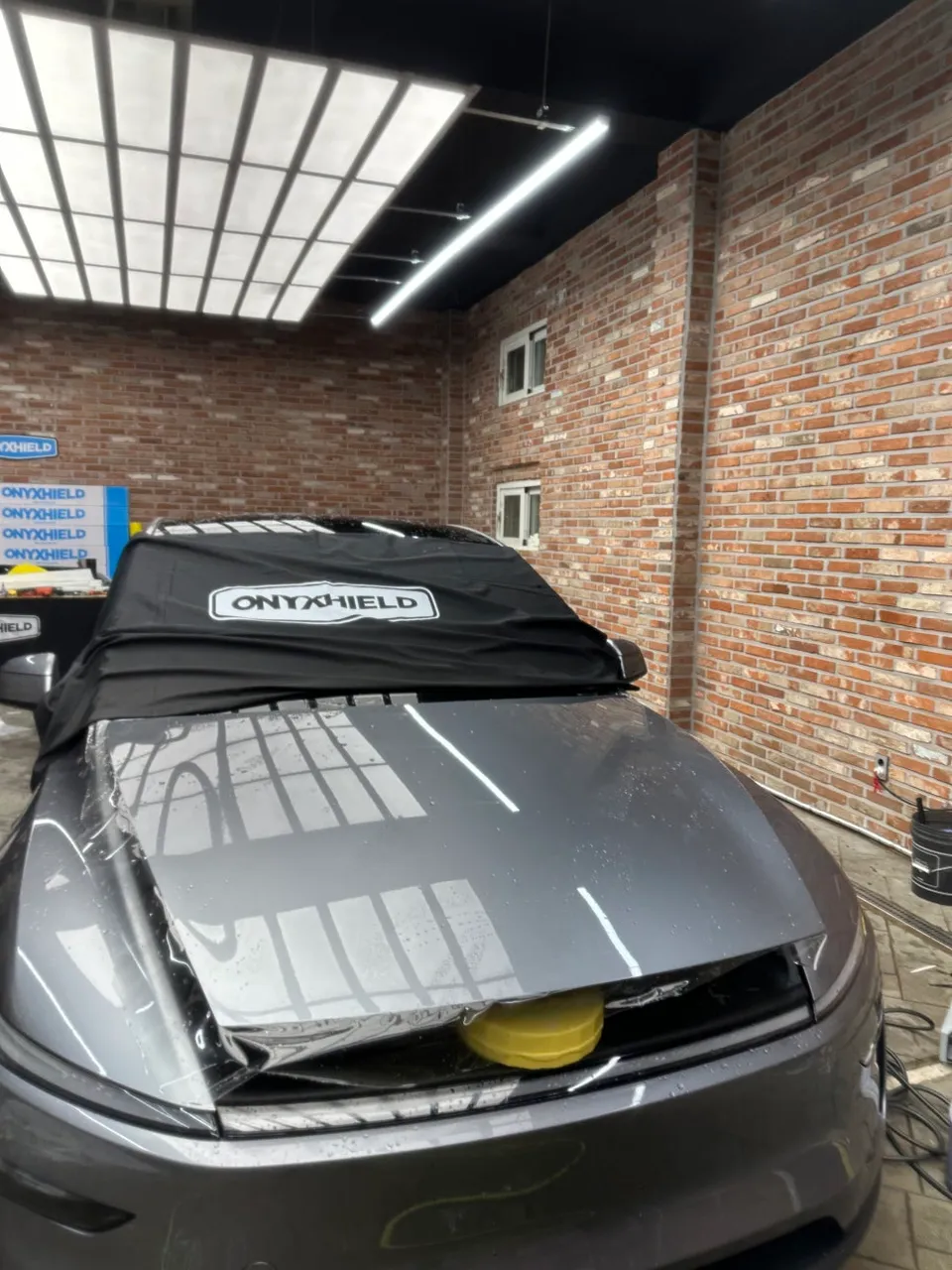
The hood is a large, flat surface that acts like a magnet for stone chips and scratches. Covering the entire hood, or at least the leading edge, is crucial. A full hood application is a popular choice for many Audi Q7 owners seeking maximum protection.
Front Fenders
The fenders, especially the front ones, are susceptible to kicked-up debris from the tires. Protecting these areas complements the hood and bumper, creating a unified shield against road hazards.
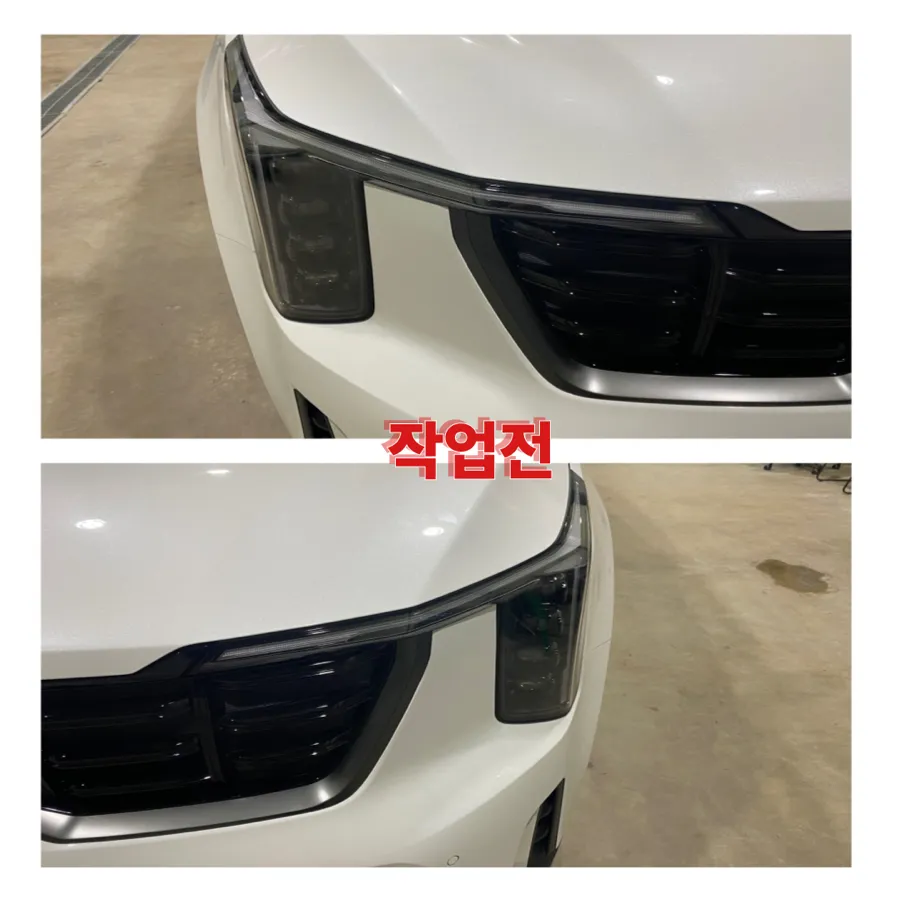
Headlights and Fog Lights
Modern headlights, often made of polycarbonate, can become hazed and scratched over time. PPF can keep them crystal clear, preserving their performance and aesthetic appeal. Fog lights, while smaller, are equally vulnerable.